
Discovering Korea’s Ultimate Dining Experience
Have you ever wondered why Korean BBQ represents far more than simply grilling meat, what makes the banchan (side dish) system create perfect flavor harmony with grilled proteins, how traditional Korean grilling techniques developed over centuries to create optimal taste and social dining experiences, and why Korean BBQ has become one of world’s most beloved cuisines inspiring restaurants from New York to Sydney? Where the act of grilling meat becomes social ritual bringing families and friends together around shared tables, where traditional fermentation techniques create side dishes that complement grilled flavors perfectly, where specific cuts of meat require particular grilling methods and serving customs that transform simple cooking into sophisticated culinary art? Where modern Korean BBQ restaurants combine ancient grilling wisdom with contemporary techniques, premium ingredients, and innovative presentation while maintaining cultural authenticity and social dining traditions?
Korean BBQ (한국 바비큐/고기구이) offers exactly this extraordinary culinary and cultural experience – but only if you understand what makes Korean grilling unique beyond “cooking meat on table,” why specific cuts require particular preparation and serving methods, how banchan side dishes create flavor profiles that enhance rather than compete with grilled proteins, and what distinguishes authentic Korean BBQ from simplified international adaptations.
For Western diners especially, Korean BBQ presents fascinating complexities because unlike individual-portion Western grilling, Korean BBQ emphasizes communal dining with shared grilling, complex side dish systems, specific eating customs, and social interactions that transform meals into cultural experiences. The dining isn’t immediately intuitive like ordering individual steaks – it requires understanding traditional Korean social customs, proper grilling techniques, and appropriate flavor combinations that create authentic Korean BBQ experiences.
Most visitors approach Korean BBQ as exotic grilled meat without understanding traditional Korean meat preparation, fermentation science behind banchan creation, social customs governing shared dining, or grilling techniques that maximize flavor while creating appropriate textures for different cuts. They order popular items and attempt Western-style individual eating without knowing why Korean BBQ represents sophisticated cultural system integrating food preparation, social interaction, and traditional Korean hospitality.
I understand that superficial engagement completely. My first Korean BBQ experience (tourist restaurant in Myeongdong) left me confused about grilling timing, overwhelmed by dozens of banchan dishes, and uncertain about proper eating etiquette while observing Korean families expertly managing complex grilling processes and seamlessly coordinating shared dining. Without context about Korean social customs, traditional preparation methods, or proper grilling techniques, the meal registered as “good grilled meat with lots of side dishes” rather than immersion in sophisticated Korean culinary culture.
That’s why this comprehensive guide exists. I’m going to share everything you need to transform Korean BBQ dining from confused restaurant visits into meaningful encounters with Korean culinary traditions that combine cooking techniques, social customs, and cultural values into unified dining experiences. You’ll learn exactly what makes Korean BBQ unique within global grilling traditions, why specific cuts require particular preparation and grilling methods, what banchan side dishes contribute to flavor harmony, and how to participate appropriately in traditional Korean BBQ social customs.
You’ll understand Korean BBQ’s cultural importance through historical development, regional variations, and modern innovations while learning practical skills including proper grilling techniques, appropriate meat selection, banchan appreciation, and social dining etiquette. By the end of this guide, you’ll know how to approach Korean BBQ with understanding that transforms simple meat grilling into recognition of sophisticated culinary philosophy, banchan consumption into appreciation of fermentation science, and shared dining into participation in traditional Korean social customs.
Most importantly, you’ll grasp why Korean BBQ matters beyond restaurant dining – as preservation of traditional Korean culinary knowledge, expression of Korean social values emphasizing community and hospitality, and demonstration of how traditional food culture can adapt to contemporary contexts while maintaining cultural authenticity and significance.
Historical Origins: From Royal Courts to Modern Tables
Ancient Korean Grilling Traditions
Pre-Historic Foundations: Korean grilling traditions trace back thousands of years to early Korean Peninsula inhabitants who developed sophisticated meat preparation techniques using available resources and environmental conditions. Archaeological evidence suggests ancient Koreans practiced controlled fire cooking, meat preservation through salting and drying, and communal cooking arrangements that established foundations for contemporary Korean BBQ culture.
Early Korean grilling emphasized maximizing nutrition from scarce protein sources while developing preservation techniques that allowed meat storage during harsh winters. These practical necessities created cooking methods that enhanced flavor while extending food usability, establishing principles that continue influencing modern Korean BBQ preparation and presentation.
Three Kingdoms Period Development: During Korea’s Three Kingdoms period (57 BCE – 668 CE), grilling techniques became more sophisticated as kingdoms developed agricultural systems, trade relationships, and cultural refinement that supported culinary advancement. Royal courts of Goguryeo, Baekje, and Silla developed elaborate meat preparation methods that emphasized both nutritional value and aesthetic presentation.
Court cuisine during this period established many principles that continue characterizing Korean BBQ including emphasis on balance between meat and vegetable consumption, importance of fermented accompaniments, and social customs surrounding shared dining that reflected Confucian values and Korean social organization.
Goryeo and Joseon Dynasty Refinement: The Goryeo Dynasty (918-1392) and Joseon Dynasty (1392-1910) periods saw systematic development of Korean culinary traditions including sophisticated grilling techniques, banchan systems, and social dining customs that created frameworks for contemporary Korean BBQ culture.
Joseon Dynasty particularly emphasized Confucian social values that influenced dining customs including respect for elders, appropriate social behavior during meals, and communal dining arrangements that strengthened family and community bonds. These social aspects became inseparable from Korean BBQ preparation and consumption, creating integrated cultural experiences rather than simple food consumption.
Traditional Meat Sources and Preparation
Historical Protein Sources: Traditional Korean BBQ developed using locally available proteins including beef, pork, chicken, and various game meats that reflected Korea’s agricultural and environmental conditions. Beef remained relatively rare and expensive, typically reserved for special occasions and upper-class consumption, while pork and chicken provided more accessible protein sources for common families.
This historical scarcity of premium proteins influenced Korean BBQ techniques that maximized flavor from smaller quantities of meat while creating substantial meals through generous banchan provision and rice consumption. Traditional Korean BBQ emphasized quality over quantity, developing techniques that enhanced modest protein portions into satisfying and nutritionally complete meals.
Traditional Preservation and Preparation: Before modern refrigeration, Korean cooks developed sophisticated meat preservation and preparation techniques including salting, drying, marinating, and fermentation that enhanced flavor while preventing spoilage. These preservation methods created distinctive Korean BBQ flavors that differed significantly from simple fresh meat grilling.
Traditional marinades incorporated fermented ingredients including soy sauce, doenjang (fermented soybean paste), gochujang (fermented chili paste), and various traditional seasonings that tenderized meat while adding complex flavors impossible to achieve through simple seasoning. These fermented marinades became defining characteristics of authentic Korean BBQ that distinguish it from other global grilling traditions.
Seasonal and Regional Variations: Traditional Korean BBQ varied significantly by season and region, reflecting local ingredient availability, climate conditions, and regional cultural preferences. Coastal areas emphasized seafood grilling alongside meat preparation, while mountain regions developed game meat techniques and preservation methods adapted to local conditions.
Seasonal variations included summer preparations that emphasized lighter marinades and fresh vegetables, while winter preparations featured heartier flavors and preserved ingredients that provided nutrition during cold months when fresh vegetables became scarce. These seasonal adaptations created diverse Korean BBQ traditions that reflected Korea’s varied geography and climate conditions.
Social and Cultural Significance
Confucian Influence on Dining Culture: Korean BBQ social customs reflect strong Confucian influences that emphasize hierarchical respect, family harmony, and community cooperation expressed through shared dining experiences. Traditional Korean BBQ etiquette includes specific behaviors regarding elder service, appropriate conversation topics, and collective responsibility for meal preparation and cleanup.
These Confucian values created Korean BBQ dining customs that differ significantly from individualistic Western dining approaches. Korean BBQ emphasizes group harmony, mutual service, and shared responsibility that transform meals into social bonding experiences rather than simple food consumption.
Celebration and Ritual Importance: Throughout Korean history, grilled meat played important roles in celebrations, rituals, and special occasions that marked important life events including birthdays, marriages, holidays, and seasonal celebrations. Korean BBQ preparation and consumption became associated with prosperity, hospitality, and family unity that enhanced its cultural significance beyond nutritional necessity.
Traditional Korean celebrations often centered around elaborate BBQ preparations that demonstrated family wealth, culinary skill, and social status while providing opportunities for extended family gathering and community strengthening. These celebratory associations continue influencing contemporary Korean BBQ culture and social significance.
Modern Historical Development: Korean BBQ evolved significantly during the 20th century as Korea experienced Japanese occupation, Korean War, rapid industrialization, and economic development that changed food availability, cooking technology, and social dining patterns. These historical changes influenced contemporary Korean BBQ while maintaining traditional cultural values and cooking principles.
Post-war economic development made meat more widely available while urbanization changed family structures and dining patterns. Modern Korean BBQ adapted to these changes while preserving traditional preparation methods, social customs, and cultural significance that maintain connections with historical Korean culinary traditions.
STELLA’S LOCAL SECRET The “Three-Generation Restaurant” Experience Seek out Korean BBQ restaurants that have operated for three or more generations, where traditional recipes, preparation techniques, and family dining customs have been preserved and refined over decades. These establishments often maintain traditional grilling methods, authentic banchan preparation, and family-style service that provides genuine cultural experiences impossible to find in newer commercial restaurants.
Understanding Korean BBQ: Cuts, Grades, and Preparation Techniques
Premium Beef Cuts and Grading Systems
Galbi (갈비) – Short Ribs: Galbi represents Korean BBQ’s most prestigious cut, featuring beef short ribs that require sophisticated preparation and grilling techniques to achieve optimal tenderness and flavor. Traditional galbi preparation involves cross-cutting through bone and meat creating distinctive presentation while allowing marinades to penetrate effectively and ensuring even cooking through bone-in cuts.
Premium galbi comes from specific rib sections that provide optimal meat-to-bone ratios while maintaining marbling that creates tender, flavorful results when properly grilled. Quality galbi preparation requires 24-48 hours of marinating using traditional Korean marinades that tenderize meat while adding complex flavor profiles impossible to achieve through simple seasoning.
Traditional galbi marinades combine soy sauce, Asian pear, garlic, ginger, sesame oil, and various traditional ingredients that create balanced sweet-savory flavors while enzymatic tenderizing from Asian pear breaks down tough connective tissues. This traditional marinating process transforms relatively tough short rib cuts into tender, flavorful results that justify galbi’s premium status in Korean BBQ hierarchy.
Bulgogi (불고기) – Fire Meat: Bulgogi utilizes thin-sliced premium beef cuts including ribeye, sirloin, or tenderloin that are marinated using traditional techniques emphasizing sweet-savory flavor profiles. The name “bulgogi” literally translates as “fire meat,” reflecting traditional cooking methods that emphasized high-heat, quick cooking that sealed flavors while maintaining tenderness.
Traditional bulgogi preparation requires precise knife skills to create uniform thin slices that maximize surface area for marinade penetration while ensuring even cooking. Proper bulgogi slicing technique cuts against muscle grain patterns that reduce chewiness while creating appropriate texture for Korean BBQ consumption methods including lettuce wrapping and rice combination.
Bulgogi marinades typically emphasize sweeter profiles compared to other Korean BBQ preparations, incorporating Asian pear, honey, or other traditional sweeteners that create caramelization during grilling while balancing savory elements from soy sauce and traditional seasonings.
LA Galbi (LA갈비) – Flanken Cut: LA Galbi represents Korean-American innovation that adapts traditional galbi preparation for easier home cooking and restaurant service. This preparation technique involves cutting short ribs parallel to bones creating long strips that contain multiple bone cross-sections while maintaining traditional galbi flavor profiles.
LA Galbi preparation reduces cooking time compared to traditional galbi while creating presentation that appeals to Western dining preferences for boneless or easily-managed bone-in cuts. This adaptation demonstrates Korean BBQ’s flexibility and ability to maintain cultural authenticity while adapting to different cooking conditions and consumer preferences.
The marinade and preparation principles for LA Galbi remain consistent with traditional galbi methods, maintaining authentic Korean BBQ flavors while providing practical advantages for modern cooking conditions and international adaptation.
Pork Cuts and Preparation Methods
Samgyeopsal (삼겹살) – Three-Layer Pork Belly: Samgyeopsal represents Korea’s most popular and accessible BBQ cut, featuring pork belly with distinctive three-layer appearance of skin, fat, and meat that creates optimal grilling characteristics. Traditional samgyeopsal requires minimal preparation, typically grilled without marinades to emphasize natural pork flavors while achieving proper texture through careful temperature control.
Premium samgyeopsal selection requires understanding pork quality including appropriate fat distribution, meat color, and thickness that ensure optimal grilling results. Quality samgyeopsal should show clear layer definition, appropriate marbling, and consistent thickness that allows even cooking while maintaining juiciness and proper texture.
Samgyeopsal grilling technique emphasizes achieving crispy exterior fat while maintaining tender interior meat through careful temperature management and timing. Proper samgyeopsal preparation creates contrasting textures that complement traditional Korean BBQ accompaniments including kimchi, lettuce wraps, and traditional banchan.
Moksal (목살) – Pork Shoulder: Moksal provides leaner alternative to samgyeopsal while maintaining tenderness and flavor appropriate for Korean BBQ applications. This cut offers better value compared to premium beef cuts while providing substantial portions that satisfy Korean BBQ’s emphasis on generous meat provision and communal sharing.
Moksal preparation often incorporates light marinades that enhance flavor without overwhelming natural pork characteristics. Traditional moksal grilling emphasizes achieving proper doneness while maintaining moisture and creating appropriate texture for Korean BBQ consumption methods.
Galmaegi-sal (갈매기살) – Skirt Meat: Galmaegi-sal represents premium pork cut that provides exceptional tenderness and flavor when properly prepared and grilled. This cut requires careful handling and precise grilling technique to achieve optimal results while justifying its premium price compared to more common pork cuts.
Traditional galmaegi-sal preparation emphasizes minimal seasoning that allows natural meat flavors to predominate while achieving proper texture through careful grilling technique and timing.
Chicken and Alternative Protein Options
Dak-galbi (닭갈비) – Spicy Chicken: Dak-galbi represents Korean BBQ’s approach to chicken preparation, typically featuring marinated chicken pieces grilled with vegetables and traditional Korean seasonings that create complete meal experiences. Traditional dak-galbi preparation emphasizes spicy flavor profiles using gochujang-based marinades that distinguish it from other Korean BBQ preparations.
Dak-galbi often includes vegetables including cabbage, onions, and other traditional Korean vegetables that cook alongside chicken while absorbing flavors and providing nutritional balance. This preparation method demonstrates Korean BBQ’s emphasis on complete meal experiences rather than simple meat consumption.
Seafood BBQ Variations: Korean BBQ traditions include various seafood preparations that expand beyond traditional meat focus while maintaining Korean BBQ preparation principles and social dining customs. Popular seafood BBQ includes grilled fish, squid, shrimp, and other marine proteins that reflect Korea’s coastal geography and traditional fishing culture.
Seafood BBQ preparations often emphasize different marinades and seasoning approaches that complement rather than mask natural seafood flavors while incorporating traditional Korean ingredients and techniques.
Modern Korean BBQ Innovations
Premium Wagyu and Hanwoo: Contemporary Korean BBQ includes premium beef options including imported Wagyu and domestic Hanwoo beef that represent luxury Korean BBQ experiences. These premium options command significantly higher prices while providing exceptional meat quality that justifies specialized preparation and presentation methods.
Hanwoo beef represents Korea’s premium domestic beef that rivals international luxury beef while supporting Korean agricultural industry. Hanwoo preparation often emphasizes minimal seasoning that allows superior meat quality to predominate while maintaining traditional Korean BBQ serving and consumption methods.
Health-Conscious Adaptations: Modern Korean BBQ includes health-conscious adaptations including organic meats, reduced-sodium marinades, and enhanced vegetable options that respond to contemporary dietary preferences while maintaining traditional Korean BBQ cultural significance and flavor profiles.
These adaptations demonstrate Korean BBQ’s continuing evolution while preserving traditional cultural values and preparation methods that maintain authenticity despite changing consumer preferences and dietary consciousness.
Banchan Culture: The Art of Korean Side Dishes
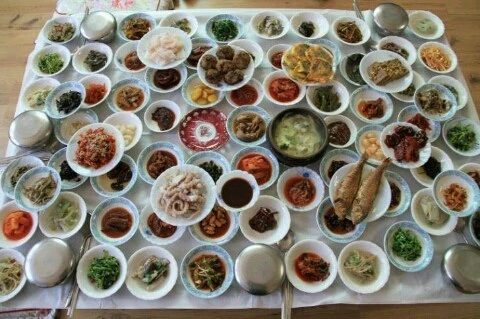
Traditional Banchan Philosophy and Function
Nutritional Balance and Harmony: Korean banchan system represents sophisticated understanding of nutritional balance that combines various vegetables, fermented foods, and prepared dishes to create complete nutritional profiles that complement grilled proteins while providing essential vitamins, minerals, and dietary fiber often lacking in meat-focused diets.
Traditional Korean nutritional philosophy emphasizes balance between different taste profiles, textures, and nutritional components that create satisfying meals while promoting digestive health and overall wellness. This holistic approach to meal composition distinguishes Korean BBQ from simple meat consumption while providing cultural framework for healthy eating patterns.
Banchan varieties typically include fermented vegetables that provide probiotics, fresh vegetables that contribute vitamins and fiber, and prepared dishes that offer complex flavors and additional protein sources. This diversity creates meal experiences that satisfy multiple nutritional requirements while providing flavor variety that prevents palate fatigue during extended dining.
Seasonal and Regional Variations: Traditional banchan preparation varies significantly by season and region, reflecting local ingredient availability, preservation requirements, and regional taste preferences that create diverse Korean BBQ experiences throughout Korea’s different areas and seasonal cycles.
Spring banchan often emphasize fresh young vegetables including various mountain vegetables, early greens, and seasonal specialties that provide fresh flavors after winter preserved food periods. Summer banchan typically feature cooling preparations including cucumber dishes, fresh kimchi varieties, and light preparations appropriate for hot weather dining.
Autumn banchan reflect harvest abundance including various preserved preparations that utilize seasonal vegetables while creating winter food storage. Winter banchan emphasize preserved and fermented preparations that provide nutrition and complex flavors during months when fresh vegetables become scarce.
Essential Banchan Categories and Preparations
Kimchi Varieties: Kimchi represents Korean BBQ’s most essential banchan, providing fermented vegetable accompaniment that creates perfect flavor balance with grilled meats while contributing probiotics, vitamins, and digestive benefits. Traditional kimchi preparation involves complex fermentation processes that create distinctive sour-spicy flavor profiles impossible to replicate through simple seasoning.
Baechu-kimchi (배추김치) – Napa Cabbage Kimchi: Traditional whole-cabbage kimchi that undergoes extended fermentation creating complex flavors and appropriate acidity that cuts through rich grilled meat flavors while providing textural contrast and digestive benefits.
Kkakdugi (깍두기) – Cubed Radish Kimchi: Diced radish kimchi that provides crunchy texture and clean, sharp flavors that refresh palate between meat consumption while contributing different fermentation characteristics compared to cabbage-based kimchi.
Oi-sobagi (오이소박이) – Cucumber Kimchi: Fresh cucumber kimchi that offers cooling, crisp textures appropriate for summer Korean BBQ dining while providing lighter fermentation flavors that complement rather than compete with grilled meat.
Vegetable Preparations: Namul (나물) – Seasoned Vegetables: Various seasoned vegetable preparations including spinach, bean sprouts, fernbrake, and other vegetables that provide nutritional variety while contributing different textures and flavors that enhance Korean BBQ meal complexity.
Traditional namul preparation involves specific techniques for each vegetable type that maximize nutrition while creating appropriate flavors and textures. These preparations often involve blanching, seasoning, and resting periods that develop optimal characteristics for Korean BBQ consumption.
Muchim (무침) – Mixed Salads: Fresh vegetable salads including various raw and lightly prepared vegetables that provide fresh, clean flavors that balance rich grilled meat consumption while contributing essential nutrients and digestive benefits.
Protein-Based Banchan: Gyeran-jjim (계란찜) – Steamed Eggs: Fluffy steamed egg preparation that provides additional protein while offering mild, comforting flavors that appeal to various age groups during family Korean BBQ dining.
Dubu-jorim (두부조림) – Braised Tofu: Seasoned braised tofu that provides vegetarian protein option while contributing different textures and umami flavors that complement rather than compete with grilled meat preparations.
Myeolchi-bokkeum (멸치볶음) – Stir-fried Anchovies: Sweet-savory stir-fried tiny anchovies that provide concentrated umami flavors and crunchy textures while contributing calcium and additional protein to Korean BBQ meals.
Banchan Preparation and Fermentation Science
Traditional Fermentation Techniques: Korean banchan preparation relies heavily on traditional fermentation techniques that create complex flavors while preserving vegetables and enhancing nutritional value through beneficial bacterial activity. These fermentation processes require specific temperature control, salt concentration, and timing that Korean families traditionally learned through generations of practice.
Modern understanding of fermentation science validates traditional Korean techniques while providing scientific explanations for successful fermentation outcomes. Temperature control, salt concentration, pH levels, and bacterial cultures all contribute to successful fermentation that creates characteristic Korean banchan flavors and textures.
Seasonal Preparation and Storage: Traditional banchan preparation follows seasonal cycles that maximize ingredient quality while creating year-round food availability through proper preservation techniques. Spring preparation often emphasizes fresh preparations, while autumn focuses on creating preserved banchan that provide nutrition throughout winter months.
Traditional Korean families typically prepare large quantities of banchan during optimal seasonal periods, storing them using traditional techniques that maintain quality and safety while providing convenient meal preparation throughout subsequent periods.
Contemporary Banchan Adaptations: Modern Korean BBQ restaurants often adapt traditional banchan preparation for commercial service while maintaining authentic flavors and nutritional benefits. These adaptations may include modified preparation techniques, extended storage methods, and portion control appropriate for restaurant service.
Contemporary Korean families also adapt traditional banchan preparation for modern lifestyles while preserving traditional flavors and cultural significance. These adaptations may include reduced preparation quantities, modified storage techniques, and time-saving preparation methods that maintain authenticity within contemporary constraints.
Regional Korean BBQ Variations and Specialties
Seoul and Gyeonggi Province Styles
Seoul Premium BBQ Culture: Seoul Korean BBQ represents sophisticated urban adaptation of traditional grilling techniques that emphasizes premium ingredients, refined presentation, and innovative preparation methods while maintaining traditional Korean BBQ cultural values and social customs.
Premium Seoul BBQ restaurants often feature highest-quality domestic Hanwoo beef, imported Wagyu, and specialty cuts that command premium prices while providing exceptional dining experiences that justify luxury pricing through superior ingredient quality and service standards.
Seoul BBQ culture also includes numerous mid-range and accessible options that provide authentic Korean BBQ experiences at various price points, demonstrating Korean BBQ’s accessibility and cultural importance across different economic levels within Korean society.
Mapo Galmeagi-sal District: Seoul’s Mapo district became famous for galmeagi-sal (pork skirt meat) restaurants that specialize in this premium pork cut while maintaining traditional Korean BBQ service and banchan provision. This district demonstrates how specific neighborhoods can develop specializations while contributing to broader Korean BBQ culture.
Hongdae University Area: Hongdae area near Hongik University features Korean BBQ establishments that cater to younger demographics while maintaining traditional preparation methods and cultural customs. These establishments often emphasize affordability and accessibility while providing authentic Korean BBQ experiences for students and young professionals.
Busan and Coastal Region Specialties
Seafood BBQ Integration: Busan Korean BBQ incorporates coastal geography and fishing culture through seafood BBQ options that expand traditional meat focus while maintaining Korean BBQ preparation principles and social dining customs. Popular Busan BBQ includes grilled fish, seafood combinations, and mixed land-sea preparations.
Traditional Busan BBQ often emphasizes fresh seafood quality while incorporating traditional Korean marinades and serving methods that create unique regional variations within broader Korean BBQ culture.
Dwaeji-gukbap Combination: Busan region often combines Korean BBQ with traditional dwaeji-gukbap (pork soup) that provides complete meal experiences incorporating both grilled and soup preparations within single dining experiences. This combination demonstrates regional adaptation while maintaining Korean BBQ social customs and cultural significance.
Jeju Island Unique Preparations
Black Pork Specialty: Jeju Island’s famous black pork (흑돼지) represents unique Korean BBQ experience that emphasizes local agricultural specialty while maintaining traditional preparation and serving methods. Jeju black pork commands premium pricing while providing distinctive flavors that differentiate it from mainland pork preparations.
Jeju black pork BBQ often emphasizes minimal seasoning that allows superior pork quality to predominate while maintaining traditional Korean BBQ accompaniments and social dining customs that preserve cultural authenticity despite premium positioning.
Seafood Integration: Jeju Korean BBQ often incorporates island seafood specialties including various fish, squid, and shellfish preparations that reflect island geography and maritime culture while maintaining Korean BBQ cultural frameworks and social customs.
Regional Kimchi and Banchan Variations
Regional Kimchi Styles: Different Korean regions maintain distinctive kimchi preparation styles that reflect local ingredient availability, climate conditions, and regional taste preferences while maintaining traditional fermentation principles and nutritional functions within Korean BBQ meal contexts.
Northern regions often feature kimchi preparations that emphasize preservation and heartier flavors appropriate for colder climate conditions, while southern regions typically include more seafood-based kimchi varieties that reflect coastal geography and maritime culture.
Local Banchan Specialties: Regional Korean BBQ often includes local banchan specialties that utilize regional agricultural products and traditional preparation methods while contributing to distinctive regional Korean BBQ experiences that maintain broader cultural frameworks while expressing local identity.
Mountain regions typically feature various mountain vegetable banchan including fernbrake, bellflower, and other mountain specialties, while coastal areas emphasize seaweed preparations and seafood-based banchan that reflect local resource availability and traditional usage patterns.
Modern Korean BBQ: Fine Dining to Street Food
Premium Korean BBQ Restaurants
Michelin-Starred Korean BBQ: Several Korean BBQ restaurants have achieved Michelin recognition through exceptional ingredient quality, sophisticated preparation techniques, and refined service that elevate traditional Korean BBQ into fine dining experiences while maintaining cultural authenticity and traditional values.
These establishments typically feature premium Hanwoo beef, traditional preparation methods refined through generations, and service standards that provide luxury dining experiences while preserving Korean BBQ’s communal dining culture and social significance.
Michelin-starred Korean BBQ often includes innovative presentations, premium banchan preparations, and service refinements that enhance traditional Korean BBQ while maintaining authentic flavors and cultural customs that define genuine Korean BBQ experiences.
Hotel and Resort Korean BBQ: Luxury hotels and resorts throughout Korea often feature premium Korean BBQ restaurants that provide high-end Korean BBQ experiences for international visitors while maintaining authenticity and cultural significance appropriate for representing Korean culinary culture globally.
These establishments typically combine premium ingredient quality with refined service standards while providing cultural education about Korean BBQ traditions, appropriate dining customs, and cultural significance that enhances visitor understanding and appreciation.
Casual and Family-Style Korean BBQ
Neighborhood Korean BBQ: Local neighborhood Korean BBQ restaurants represent authentic Korean BBQ culture through family-operated establishments that maintain traditional preparation methods, reasonable pricing, and community atmosphere that reflects Korean BBQ’s role in everyday Korean life.
These establishments often feature multi-generational recipes, traditional preparation methods, and family-style service that provides genuine cultural experiences while supporting local communities and preserving traditional Korean BBQ culture.
Chain Restaurant Adaptations: Korean BBQ chain restaurants provide standardized Korean BBQ experiences while maintaining quality control and accessibility that introduces Korean BBQ to broader audiences including international markets and younger Korean demographics.
Successful chains typically balance standardization requirements with traditional flavor authenticity while adapting Korean BBQ cultural elements for contemporary service models and diverse customer bases.
Street Food and Portable Korean BBQ
Galbi Food Trucks: Korean BBQ food trucks and street vendors provide portable Korean BBQ experiences that adapt traditional preparation methods for mobile service while maintaining authentic flavors and cultural accessibility that brings Korean BBQ to various locations and events.
Street food Korean BBQ typically emphasizes quick service and portable consumption while preserving traditional marinades, preparation quality, and flavor authenticity that maintains Korean BBQ cultural significance despite modified service formats.
Market Korean BBQ: Traditional Korean markets often feature Korean BBQ vendors that provide authentic experiences within traditional market settings while offering competitive pricing and community atmosphere that reflects Korean BBQ’s cultural accessibility and social importance.
Market Korean BBQ typically emphasizes fresh ingredients, traditional preparation methods, and community interaction that provides authentic cultural experiences while supporting traditional market culture and local communities.
Innovation and Fusion Trends
Contemporary Korean BBQ Innovation: Modern Korean BBQ innovation includes creative marinades, unique cuts, and presentation innovations that expand traditional Korean BBQ while maintaining cultural foundations and authentic flavor principles that preserve Korean BBQ identity.
Innovation trends often include health-conscious adaptations, premium ingredient utilization, and service modifications that respond to contemporary consumer preferences while preserving Korean BBQ’s cultural significance and traditional values.
International Fusion Applications: Korean BBQ influence appears in various international fusion applications that incorporate Korean BBQ flavors, techniques, and cultural elements into different culinary contexts while demonstrating Korean BBQ’s global appeal and adaptability.
Successful fusion applications typically maintain authentic Korean BBQ flavor principles while adapting preparation methods and service formats appropriate for different cultural contexts and consumer preferences.
STELLA’S LOCAL SECRET The “Banchan Testing Strategy” Before ordering meat at unfamiliar Korean BBQ restaurants, observe and taste the banchan quality first. Excellent Korean BBQ restaurants invest significantly in banchan preparation, using this as indicator of overall kitchen quality, traditional knowledge, and cultural authenticity. Restaurants with exceptional banchan typically provide superior meat preparation and authentic Korean BBQ experiences.
Korean BBQ Etiquette and Social Customs
Traditional Dining Hierarchy and Respect
Age-Based Service Customs: Korean BBQ social customs reflect Confucian values through specific etiquette regarding elder service, appropriate seating arrangements, and hierarchical respect that transforms shared dining into expression of Korean social values and cultural traditions.
Traditional Korean BBQ etiquette requires younger diners to serve elder family members and guests through grilling assistance, banchan serving, and drink provision that demonstrates respect while strengthening family and social bonds through service-oriented behavior.
Proper Korean BBQ participation includes understanding appropriate conversation topics, respectful listening to elder perspectives, and collective responsibility for meal success that creates harmonious dining atmosphere while reinforcing traditional Korean social organization.
Grilling Responsibilities: Traditional Korean BBQ assigns grilling responsibilities based on social hierarchy, with designated grillers typically being younger family members or socially appropriate individuals who manage cooking while others engage in conversation and social interaction.
Effective Korean BBQ grilling requires understanding proper cooking techniques, timing coordination, and service timing that ensures optimal food quality while maintaining social interaction flow and dining rhythm appropriate for Korean BBQ cultural expectations.
Serving and Sharing Protocols: Korean BBQ emphasizes communal sharing through specific serving protocols that ensure equitable distribution while demonstrating consideration for other diners’ preferences, dietary needs, and appropriate portion allocation that reflects Korean values of community care and mutual consideration.
Proper serving technique includes appropriate utensil use, hygienic serving practices, and timing coordination that maintains food quality while demonstrating cultural competency and respect for traditional Korean dining customs.
Contemporary Korean BBQ Social Customs
Business Dining Applications: Korean BBQ serves important functions in Korean business culture through networking dinners, client entertainment, and colleague bonding that strengthen professional relationships while providing cultural context for business discussion and relationship development.
Business Korean BBQ dining typically follows modified traditional customs that maintain respectful interaction while accommodating professional requirements including time constraints, alcohol consumption management, and appropriate business conversation integration.
Family and Celebration Customs: Korean BBQ maintains central importance in family celebrations, special occasions, and traditional holidays that strengthen family bonds while preserving cultural traditions and creating meaningful shared experiences across generational lines.
Family Korean BBQ celebrations often include multiple generations with modified service customs that accommodate different age groups and physical capabilities while maintaining traditional values and cultural significance that connect families with Korean cultural heritage.
Dating and Social Applications: Korean BBQ provides popular setting for dating and social activities that create shared experiences while allowing cultural education and relationship development within traditional Korean cultural contexts that facilitate communication and mutual understanding.
Dating Korean BBQ typically emphasizes mutual service, shared grilling responsibilities, and cultural exchange that creates bonding opportunities while providing comfortable settings for conversation and relationship development.
International Adaptation and Cultural Sensitivity
Cross-Cultural Korean BBQ Etiquette: International Korean BBQ dining requires cultural sensitivity and adaptation that respects Korean traditions while accommodating diverse cultural backgrounds and dietary requirements that may differ from traditional Korean assumptions and practices.
Successful cross-cultural Korean BBQ experiences typically include cultural education, patient explanation of traditional customs, and flexible adaptation that maintains Korean BBQ cultural significance while ensuring comfortable participation for diverse diners.
Restaurant Service Adaptations: Korean BBQ restaurants serving international customers often adapt traditional service methods while maintaining cultural authenticity through modified explanation, flexible etiquette requirements, and patient cultural education that enhances rather than compromises traditional Korean BBQ experiences.
Practical Korean BBQ Guide: Where, When, and How
Finding Authentic Korean BBQ Restaurants
Recognition Criteria for Authentic Establishments: Authentic Korean BBQ restaurants demonstrate quality through several observable factors including banchan variety and quality, proper ventilation systems, traditional grilling equipment, and customer demographics that include Korean families and local Korean community members.
Quality indicators include fresh, house-made banchan with appropriate variety, proper table-top grilling equipment with effective ventilation, reasonable pricing that reflects authentic positioning rather than tourist premium, and service staff with cultural knowledge and appropriate language capabilities.
Regional Concentration Areas: Korean BBQ restaurants typically concentrate in areas with significant Korean populations including Koreatown neighborhoods in major cities, areas near Korean community centers, and regions with Korean business districts that provide authentic cultural context and community support.
These concentration areas typically offer multiple Korean BBQ options at various price points while providing cultural amenities including Korean grocery stores, cultural centers, and community services that enhance overall Korean cultural experiences.
Optimal Dining Timing and Reservation Strategies
Peak Hours and Crowd Management: Korean BBQ restaurants typically experience peak demand during traditional Korean dining hours including lunch periods (12:00-2:00 PM) and dinner periods (6:00-8:00 PM), with weekend evening hours representing highest demand requiring advance planning.
Off-peak timing (early evening on weekdays, late lunch hours) often provides better service quality, more attentive staff assistance, and enhanced cultural interaction opportunities while offering comparable food quality at potentially reduced cost through lunch specials and promotional offerings.
Group Size Optimization: Korean BBQ dining experiences optimize for groups of 3-6 people that allow appropriate food variety, shared grilling management, and social interaction without overwhelming table capacity or creating service challenges for restaurant staff.
Larger groups may require multiple table arrangements or modified ordering strategies that maintain Korean BBQ sharing customs while accommodating practical service limitations and ensuring satisfactory experiences for all participants.
Ordering Strategies and Menu Navigation
Meat Selection and Quantity Planning: Korean BBQ ordering typically calculates approximately 200-300 grams of meat per person depending on appetite, accompanying banchan consumption, and rice provision while considering different cuts’ richness levels and appropriate variety for group preferences.
Balanced ordering includes premium cuts (galbi, bulgogi) combined with accessible options (samgyeopsal, moksal) that provide variety while managing costs and ensuring appropriate quantity for group satisfaction without excessive ordering or waste.
Banchan and Accompaniment Coordination: Traditional Korean BBQ automatically includes banchan provision, though understanding included varieties versus additional options helps optimize dining experiences while respecting restaurant service models and avoiding unnecessary ordering duplication.
Rice ordering typically requires specific requests with appropriate quantity calculation based on group preferences and dining style, while additional banchan or specialized accompaniments may require separate ordering through menu navigation or server consultation.
Budget Planning and Cost Management
Price Range Understanding: Korean BBQ pricing varies significantly based on meat cuts, restaurant positioning, and geographic location with premium cuts (galbi, Hanwoo beef) commanding significantly higher prices compared to accessible options (samgyeopsal, bulgogi) that provide authentic experiences at moderate costs.
Budget Categories:
- Economy Level: 20,000-35,000 won per person for samgyeopsal, moksal, and standard banchan
- Mid-Range Level: 40,000-65,000 won per person for mixed cuts including some galbi and premium options
- Premium Level: 80,000-150,000+ won per person for Hanwoo, specialty cuts, and luxury restaurant experiences
Cost Optimization Strategies: Lunch specials often provide substantial savings compared to dinner pricing while maintaining food quality and cultural authenticity. Group ordering of variety sets typically provides better value than individual cut ordering while ensuring appropriate meat variety for authentic Korean BBQ experiences.
Beverage costs can significantly impact total dining expenses, with alcohol representing substantial additional cost. Understanding restaurant beverage policies, BYOB options where available, and non-alcoholic alternatives helps manage total dining costs while maintaining cultural appropriateness.
Practical Dining Preparation
Clothing and Practical Considerations: Korean BBQ dining involves proximity to grilling smoke and potential minor splashing that suggests casual, washable clothing rather than formal attire. Many Korean BBQ restaurants provide plastic aprons or protective covering to minimize clothing impacts.
Hair management and minimal loose accessories help manage grilling proximity while preventing safety concerns from open flame exposure. Comfortable seating preparation helps accommodate extended dining periods typical of traditional Korean BBQ social dining customs.
Dietary Restriction Communication: Korean BBQ restaurants typically accommodate dietary restrictions through alternative protein options, modified marinades, and supplementary vegetable preparations, though communication may require basic Korean phrases or translation assistance for specific requirements.
Common dietary modifications include no-pork options for religious requirements, reduced sodium marinades for health considerations, and enhanced vegetable options for partial vegetarian accommodation within traditional Korean BBQ frameworks.
Group Coordination: Korean BBQ group dining benefits from advance coordination regarding budget expectations, dietary restrictions, cultural participation comfort levels, and timing constraints that ensure satisfactory experiences for all participants while maintaining Korean BBQ social customs.
Designated group leader responsibility for ordering, service coordination, and cultural guidance helps ensure successful Korean BBQ experiences while reducing individual pressure and enhancing group enjoyment through appropriate cultural navigation.
Health and Nutrition: Korean BBQ Wellness Benefits
Nutritional Analysis of Korean BBQ Components
Protein Quality and Lean Options: Korean BBQ provides high-quality complete proteins through various meat cuts that supply essential amino acids required for muscle maintenance, immune function, and overall health while offering options across different fat content levels appropriate for various dietary preferences.
Lean Korean BBQ options including bulgogi prepared from lean cuts, moksal (pork shoulder), and chicken preparations provide substantial protein with moderate fat content while traditional marinating techniques using Asian pear and other natural tenderizers reduce cooking time requirements that preserve nutritional value.
Banchan Nutritional Benefits: Korean BBQ banchan system provides exceptional vegetable variety that contributes essential vitamins, minerals, dietary fiber, and phytonutrients often lacking in meat-focused diets while creating nutritionally complete meal experiences that support overall health and digestive function.
Fermented banchan including kimchi varieties provide beneficial probiotics that support digestive health and immune function while contributing vitamin C, vitamin K, and various antioxidants that enhance overall nutritional value beyond simple caloric intake.
Traditional namul (seasoned vegetables) preparations maximize nutritional availability through preparation techniques that enhance absorption while providing diverse phytonutrients, fiber, and essential nutrients that balance meat consumption with comprehensive plant nutrition.
Traditional Korean Nutritional Philosophy
Balance and Harmony Principles: Traditional Korean nutrition philosophy emphasizes balance between different food categories, flavors, and nutritional components that create complete meal experiences supporting overall health while preventing overconsumption of any single nutritional category.
Korean BBQ meal structure naturally creates this balance through substantial vegetable consumption via banchan, moderate protein portions enhanced through marinating techniques, and rice provision that supplies complex carbohydrates while moderating overall caloric density.
Seasonal and Medicinal Food Applications: Traditional Korean nutrition includes medicinal food concepts where specific ingredients provide therapeutic benefits beyond basic nutrition, with many Korean BBQ marinades and banchan incorporating traditionally beneficial ingredients including garlic, ginger, and fermented products.
Seasonal Korean BBQ variations typically emphasize ingredients appropriate for different climate conditions and health requirements including cooling foods during summer and warming, preserving foods during winter that support health through environmental adaptation.
Modern Health Considerations
Sodium and Processing Concerns: Traditional Korean BBQ marinades and banchan often contain significant sodium through soy sauce, fermented products, and traditional preservation methods that may require moderation for individuals with hypertension or sodium sensitivity concerns.
Modern Korean BBQ adaptations increasingly offer reduced-sodium options, modified marinades, and fresh banchan preparations that maintain traditional flavors while accommodating contemporary dietary requirements and health consciousness.
Cooking Method Health Benefits: Korean BBQ grilling methods, particularly table-top grilling that allows fat drainage and portion control, provide healthier preparation compared to many Western meat cooking methods while maintaining flavor through marinades rather than added fats during cooking.
Traditional Korean BBQ emphasis on lean cuts, moderate portions balanced with vegetables, and social dining that encourages mindful eating creates meal patterns that support healthy eating behaviors and weight management.
Contemporary Nutritional Optimization: Modern Korean BBQ increasingly incorporates organic meats, reduced-sodium marinades, enhanced vegetable options, and health-conscious preparation modifications that respond to contemporary dietary awareness while maintaining traditional cultural significance and flavor authenticity.
Health-conscious Korean BBQ adaptations often include brown rice options, additional vegetable banchan, smaller meat portions, and modified marinades that reduce processed ingredients while preserving traditional Korean BBQ cultural experiences and flavor expectations.
Korean BBQ at Home: Equipment, Techniques, and Recipes
Essential Equipment and Setup
Grilling Equipment Options: Home Korean BBQ requires appropriate grilling equipment that provides adequate heat control, proper ventilation, and safe indoor or outdoor operation while creating authentic Korean BBQ experiences comparable to restaurant dining.
Portable Butane Stoves: Traditional Korean BBQ home equipment includes portable butane stoves with appropriate grill plates that provide precise heat control, easy cleanup, and flexibility for indoor or outdoor use while maintaining authentic cooking methods.
Electric Table Grills: Contemporary electric table grills designed for Korean BBQ provide convenient indoor operation with effective smoke management, temperature control, and safety features appropriate for home use while maintaining authentic cooking results.
Outdoor Grill Adaptations: Standard outdoor grills can accommodate Korean BBQ through appropriate grate modifications, heat zone management, and serving arrangements that allow traditional Korean BBQ social dining while utilizing existing outdoor cooking equipment.
Meat Preparation and Marinating Techniques
Traditional Galbi Marinade: Authentic galbi preparation requires traditional marinade combining soy sauce, Asian pear, garlic, ginger, sesame oil, and traditional seasonings in specific proportions that create balanced sweet-savory flavors while providing enzymatic tenderizing appropriate for short rib cuts.
Traditional galbi marinating technique requires 24-48 hours refrigerated marinating with occasional turning that ensures even marinade penetration while allowing fermentation processes that enhance flavor development and meat tenderization.
Bulgogi Preparation Method: Home bulgogi preparation requires proper meat slicing technique that cuts against grain patterns in uniform thickness (approximately 2-3mm) that maximizes marinade penetration while ensuring even cooking and appropriate texture for Korean BBQ consumption.
Traditional bulgogi marinade emphasizes sweeter flavor profile compared to galbi while using similar base ingredients with increased Asian pear content and modified proportions that create characteristic bulgogi flavor appropriate for quick cooking and lettuce wrapping.
Samgyeopsal Preparation: Home samgyeopsal preparation requires quality pork belly selection with appropriate fat distribution and thickness (approximately 8-10mm) that allows proper cooking without excessive fat rendering while maintaining moisture and achieving desired texture.
Samgyeopsal typically requires minimal seasoning, often simply salt and pepper applied just before cooking, though some preparations include light marinades that enhance flavor without overwhelming natural pork characteristics.
Banchan Preparation for Home Korean BBQ
Essential Banchan Recipes: Home Korean BBQ benefits from preparing several essential banchan in advance that provide traditional accompaniments while demonstrating practical home preparation techniques appropriate for family Korean BBQ experiences.
Simple Kimchi Preparation: Quick kimchi preparation for immediate consumption involves salting napa cabbage, preparing gochugaru-based seasoning paste, and short fermentation period that creates appropriate flavors for Korean BBQ accompaniment without extended traditional fermentation requirements.
Basic Namul Preparations: Simple vegetable namul including seasoned spinach, bean sprouts, and mushrooms provide essential Korean BBQ accompaniments through straightforward preparation techniques using traditional seasonings including sesame oil, garlic, and soy sauce.
Steamed Egg (Gyeran-jjim): Traditional Korean steamed eggs provide mild, comforting banchan through simple preparation combining eggs, water or broth, and minimal seasoning steamed until fluffy texture appropriate for family Korean BBQ dining.
Safety and Practical Considerations
Ventilation and Smoke Management: Home Korean BBQ requires adequate ventilation planning that manages cooking smoke while maintaining comfortable indoor air quality through exhaust fans, open windows, or outdoor cooking arrangements appropriate for residential settings.
Carbon monoxide concerns require proper ventilation when using butane or charcoal equipment indoors, with outdoor alternatives recommended for safety while maintaining Korean BBQ authenticity and social dining characteristics.
Food Safety and Temperature Control: Home Korean BBQ preparation requires understanding proper meat handling, marinating safety, and cooking temperatures that ensure food safety while maintaining traditional preparation methods and flavor development.
Proper refrigeration during marinating, cross-contamination prevention, and appropriate cooking temperatures (165°F for poultry, 145°F for pork, 135°F for beef) ensure safe preparation while maintaining traditional Korean BBQ preparation authenticity and family dining safety.
Cultural Integration and Family Participation: Home Korean BBQ provides opportunities for cultural education and family participation through collaborative preparation, traditional cooking technique instruction, and cultural custom sharing that strengthens family bonds while preserving Korean cultural heritage.
Family Korean BBQ preparation often includes multi-generational participation with elder family members sharing traditional knowledge while younger members assist with preparation and serving that creates cultural continuity and educational opportunities.
STELLA’S LOCAL SECRET The “Weekend Prep Strategy” for Home Korean BBQ Dedicate weekend time for banchan batch preparation and meat marinating that provides weekday Korean BBQ convenience. Prepare 4-5 banchan varieties and marinate meats on Sunday for Tuesday-Thursday Korean BBQ dining when preparation time is limited but authentic Korean BBQ cravings demand satisfaction. This advance preparation maintains authenticity while accommodating busy modern schedules.
Frequently Asked Questions
Q: How much Korean BBQ should I order per person? Plan approximately 200-300 grams of meat per person depending on appetite and banchan consumption. Mix premium cuts (galbi) with accessible options (samgyeopsal) for variety and cost management. Groups of 3-4 people typically order 2-3 different cuts for optimal sharing and variety.
Q: Is Korean BBQ suitable for dietary restrictions? Korean BBQ can accommodate many dietary restrictions through vegetarian banchan, alternative proteins (chicken, seafood), and modified marinades. However, many traditional preparations contain soy, garlic, and sesame, so communication with restaurant staff about specific allergies is essential.
Q: What’s appropriate etiquette for Korean BBQ dining? Key etiquette includes serving elders first, sharing grilling duties (usually younger diners), using both hands when serving drinks, and avoiding pointing with chopsticks. Wait for everyone to be served before eating, and participate in communal aspects rather than focusing solely on individual consumption.
Q: How do I know if a Korean BBQ restaurant is authentic? Authentic indicators include: Korean clientele, especially families; extensive banchan variety (6+ dishes) that appears house-made; reasonable pricing reflecting local rather than tourist positioning; proper table grilling equipment; and staff who can explain traditional preparations and customs.
Q: Can children enjoy Korean BBQ dining? Korean BBQ is very family-friendly in Korean culture. Most restaurants accommodate children with mild banchan options, plain rice, and assistance with grilling. However, consider timing (earlier dinner hours), potential smoke exposure, and children’s comfort with communal dining style.
Q: What’s the difference between LA galbi and traditional galbi? LA galbi uses flanken-cut short ribs (cut parallel to bones) creating long strips with bone cross-sections, while traditional galbi cuts perpendicular through bones. LA galbi cooks faster and is easier to eat, while traditional galbi offers more authentic presentation and traditional eating experience.
Q: How spicy is Korean BBQ for sensitive palates? Korean BBQ meat marinades are typically mild, with heat coming primarily from kimchi and gochujang-based banchan. You can request milder banchan or focus on non-spicy options like namul vegetables and steamed eggs while still enjoying authentic Korean BBQ experience.
Q: Should I make reservations for Korean BBQ restaurants? Reservations recommended for weekend evenings, large groups (6+ people), premium restaurants, and special occasions. Weekday lunches and early dinners often accommodate walk-ins, but popular neighborhood restaurants may have waiting periods during peak hours.
Q: What drinks pair best with Korean BBQ? Traditional pairings include soju, beer (especially Korean brands), or makgeolli (rice wine). Many restaurants also offer Korean soft drinks, traditional teas, or simple water. Alcohol isn’t required – Korean BBQ is enjoyed by all ages in family settings.
Q: How long does a typical Korean BBQ meal last? Korean BBQ is leisurely social dining, typically lasting 1.5-2.5 hours depending on group size and occasion. The cooking process is part of the experience, and Korean culture emphasizes extended conversation and relationship building during meals rather than quick consumption.
Conclusion: Embracing Korea’s Ultimate Culinary Community
You now possess comprehensive knowledge to approach Korean BBQ with deep understanding of what makes this cuisine globally beloved while representing sophisticated Korean culinary traditions that integrate cooking techniques, social customs, nutritional wisdom, and cultural values into unified dining experiences. You’ve learned exactly what distinguishes authentic Korean BBQ from simplified adaptations, why specific cuts require particular preparation methods and grilling techniques, how banchan side dishes create nutritional balance and flavor harmony, and what Korean BBQ social customs contribute to meaningful cultural experiences beyond simple food consumption.
You understand Korean BBQ’s historical development from royal court refinements through contemporary innovations, regional variations that reflect Korea’s geographic and cultural diversity, and modern adaptations that maintain traditional authenticity while accommodating contemporary preferences and global expansion. You know how to navigate Korean BBQ restaurants with cultural competency, participate appropriately in traditional social customs, and appreciate the sophisticated balance between communal dining, individual consideration, and cultural preservation.
Most importantly, you understand that Korean BBQ represents far more than “grilled meat with side dishes.” It preserves evidence of Korean culinary wisdom that achieved extraordinary integration between nutrition science, social psychology, agricultural knowledge, and cultural philosophy that continues providing models for healthy eating, community building, and cultural preservation in contemporary globalized contexts.
Walking into Korean BBQ restaurants means literally participating in living Korean cultural traditions where families continue practicing traditional customs, where traditional fermentation knowledge creates healthful accompaniments, where social dining customs strengthen community bonds, and where traditional cooking methods provide optimal nutrition while creating memorable shared experiences across generational and cultural boundaries.
Modern Korean BBQ success validates traditional knowledge while supporting communities maintaining these practices through economic sustainability, cultural pride, and international recognition that spreads Korean cultural influence globally. Your thoughtful participation supports this cultural preservation process, as each respectful diner who learns Korean customs and appreciates traditional knowledge helps maintaining Korean BBQ’s cultural authenticity while ensuring its continued growth and global appreciation.
The Korean BBQ experience awaits at restaurants near you and throughout Korea. Traditional families still maintain generational recipes and customs. Traditional fermentation techniques still create healthful banchan varieties. Traditional social customs still create meaningful community experiences. Traditional cooking wisdom still provides optimal nutrition and flavor development. Your journey into Korean BBQ culture is about to begin.