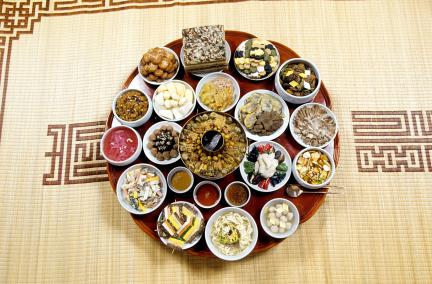
Discovering Korea’s Ultimate Culinary Refinement
Have you ever wondered why Korean royal court cuisine represents the pinnacle of Korean culinary artistry while embodying centuries of cultural refinement that transformed simple ingredients into elaborate ceremonies celebrating Korean aesthetic principles, what makes Joseon Dynasty palace dining create sophisticated food culture that influenced contemporary Korean cuisine while preserving traditional cooking techniques and cultural values through meticulous preservation and continued practice, how royal Korean kitchen knowledge developed comprehensive culinary systems that integrated nutrition science, seasonal wisdom, and artistic presentation while serving diplomatic functions and cultural preservation, and why understanding Korean palace cuisine provides essential insight into Korean cultural sophistication, traditional values, and culinary excellence that connects contemporary Korean dining with royal heritage and cultural identity?
Where ancient Korean culinary wisdom meets royal court refinement through elaborate preparation techniques that create visual masterpieces while maintaining optimal nutrition and traditional Korean flavors, where traditional Korean hospitality expresses itself through ceremonial dining customs that demonstrate respect and cultural sophistication while preserving traditional knowledge and royal protocols? Where Confucian values influence dining etiquette and meal structure while Korean aesthetic principles guide presentation and seasonal coordination that creates dining experiences transcending simple nutrition into cultural education and artistic appreciation?
Traditional Palace Cuisine (궁중음식) offers exactly this extraordinary intersection of culinary art, cultural heritage, royal tradition, and Korean refinement – but only if you understand what makes Korean royal cuisine unique beyond “fancy traditional food,” why specific preparation techniques create distinctive flavors while preserving cultural authenticity, how royal dining customs reflect broader Korean cultural values and social organization, and what distinguishes authentic palace cuisine from simplified commercial adaptations that miss essential cultural significance and artistic sophistication.
For cultural enthusiasts especially, Korean palace cuisine presents fascinating complexity because unlike simple restaurant dining, royal Korean food culture encompasses complete cultural system including ceremonial customs, artistic presentation, seasonal coordination, and social protocols that transform meals into cultural education and traditional knowledge preservation through authentic participation and respectful appreciation.
Most people approach Korean palace cuisine as expensive traditional restaurant experience without understanding sophisticated cultural knowledge behind dish preparation, royal dining customs that reflect Korean court culture and Confucian values, seasonal meal coordination that demonstrates traditional agricultural wisdom, or artistic presentation principles that integrate Korean aesthetic philosophy with nutritional science and cultural education.
I understand that superficial engagement completely. My first Korean palace cuisine experience (upscale restaurant interpretation) provided beautiful presentation but missed entirely the cultural protocols, historical significance, and traditional knowledge that make authentic Korean royal dining represent broader Korean cultural sophistication and royal heritage preservation through continued practice and cultural education.
That’s why this comprehensive guide exists. I’m going to share everything you need to transform Korean palace cuisine from exotic dining into understanding of Korean cultural refinement that demonstrates royal heritage, traditional cooking excellence, and cultural values through accessible yet sophisticated format. You’ll learn exactly what makes Korean royal cuisine distinctive from common Korean food, why specific preparation techniques preserve royal culinary traditions while maintaining cultural authenticity, how royal dining customs reflect broader Korean cultural values and court protocols, and what appropriate appreciation demonstrates about Korean cultural sophistication and royal heritage understanding.
You’ll understand Korean palace cuisine’s cultural importance through historical development, royal court influence, and contemporary preservation while gaining practical knowledge including dish identification, cultural protocol appreciation, seasonal understanding, and dining etiquette that enhance authentic Korean cultural experiences. By the end of this guide, you’ll know how to appreciate Korean palace cuisine with understanding that transforms elaborate dining into cultural education, traditional preparation techniques into recognition of royal culinary heritage, and dining customs into participation in Korean court culture and traditional values.
Most importantly, you’ll grasp why Korean palace cuisine matters beyond expensive food – as preservation of Korean royal heritage, demonstration of Korean cultural sophistication, and example of how traditional knowledge maintains cultural identity while adapting to contemporary contexts through continued practice and cultural education that enriches human understanding of food’s role in culture, artistry, and royal tradition.
Historical Origins and Royal Court Development
Early Korean Royal Cuisine Foundation
Three Kingdoms Period (57 BCE – 668 CE): Korean royal cuisine origins trace back to Three Kingdoms period when Goguryeo, Baekje, and Silla kingdoms developed sophisticated court dining traditions that established foundations for Korean royal food culture while incorporating Chinese influences and creating distinctive Korean royal identity through culinary excellence.
Early Korean royal courts emphasized ceremonial dining that demonstrated political power, cultural sophistication, and economic prosperity while creating diplomatic opportunities and establishing social hierarchies through elaborate food presentation and serving protocols that reflected royal authority and cultural refinement.
These early royal dining traditions established principles including emphasis on seasonal ingredients, artistic presentation, ceremonial protocols, and nutritional balance that continue characterizing Korean palace cuisine while creating cultural framework for royal court life and Korean cultural identity.
Unified Silla and Goryeo Development: Unified Silla period (668-935 CE) and Goryeo Dynasty (918-1392 CE) expanded Korean royal cuisine through increased cultural exchange with Tang China while developing distinctive Korean royal food identity that balanced international influences with traditional Korean agricultural knowledge and cultural preferences.
Goryeo royal cuisine incorporated Buddhist influences that emphasized vegetarian preparations and seasonal ingredients while maintaining royal ceremonial functions and creating sophisticated preparation techniques that demonstrated Korean culinary expertise and cultural sophistication within royal court contexts.
This period established many fundamental Korean royal cuisine principles including emphasis on Buddhist-influenced preparations, seasonal coordination, artistic presentation, and ceremonial protocols that continue influencing Korean palace cuisine while preserving traditional knowledge and cultural values.
Joseon Dynasty Royal Cuisine Refinement (1392-1910)
Confucian Influence on Royal Dining: Joseon Dynasty royal cuisine development emphasized Confucian values including hierarchical respect, seasonal harmony, and cultural refinement that created comprehensive royal dining systems reflecting Confucian political philosophy while preserving Korean agricultural knowledge and traditional cooking techniques.
Confucian influence shaped royal dining protocols including appropriate behavior, serving hierarchy, seasonal coordination, and cultural education that transformed royal meals into lessons about proper conduct, traditional knowledge, and Korean cultural values while maintaining royal authority and cultural identity.
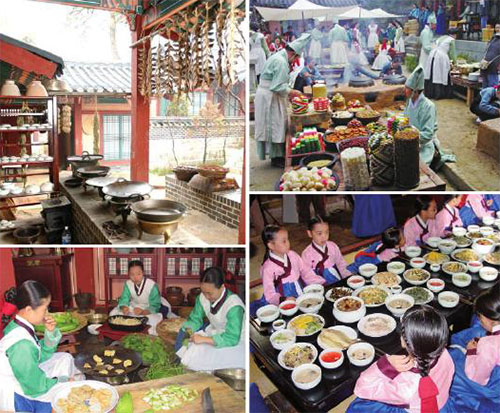
Royal Kitchen Organization: Joseon royal palace maintained sophisticated kitchen organization through specialized departments, skilled royal cooks, and elaborate preparation systems that created consistent quality while preserving traditional recipes and training successive generations of royal culinary specialists.
Sura-gan (수라간) – Royal Kitchen Department: Specialized palace kitchen organization that managed royal meal preparation through skilled cooks, quality control systems, and traditional recipe preservation that ensured royal dining excellence while maintaining cultural authenticity and traditional knowledge.
Royal kitchen organization included hierarchical structure, specialized roles, traditional training systems, and quality standards that created institutional knowledge preservation while serving royal family and maintaining cultural traditions that connected contemporary royal dining with historical Korean royal heritage.
Seasonal Royal Meal Systems: Joseon royal cuisine developed comprehensive seasonal meal systems that coordinated with agricultural cycles, traditional Korean medicine principles, and court ceremony schedules while demonstrating royal understanding of natural harmony and traditional wisdom about optimal nutrition timing.
Seasonal royal meal coordination included spring renewal foods, summer cooling preparations, autumn harvest celebrations, and winter warming nutrition that demonstrated royal connection with Korean agricultural cycles while providing optimal nutrition and maintaining traditional cultural practices and ceremonial observances.
Regional Influence Integration
Provincial Culinary Tribute: Korean royal court received culinary tribute from various provinces that introduced regional specialties while creating comprehensive Korean royal cuisine that represented national culinary diversity within unified royal food culture and traditional knowledge systems.
Provincial tribute included regional ingredients, traditional preparation techniques, and local specialties that enhanced royal cuisine variety while maintaining royal quality standards and creating opportunities for cultural exchange between royal court and provincial communities through food sharing and knowledge transmission.
Cultural Exchange and Adaptation: Korean royal cuisine balanced international cultural influences with traditional Korean identity through selective adaptation that enhanced royal dining while preserving Korean cultural authenticity and traditional knowledge that distinguished Korean royal cuisine from foreign court dining traditions.
Cultural exchange included diplomatic dining, foreign ingredient incorporation, and international preparation technique adaptation while maintaining Korean seasonal principles, traditional flavoring, and cultural protocols that preserved Korean royal identity within international court relationships and cultural diplomacy.
Korean Palace Cuisine Philosophy and Principles
Traditional Korean Medicine Integration
Food as Medicine Concepts (약식동원/藥食同源): Korean palace cuisine emphasizes “food as medicine” philosophy that coordinates meal planning with traditional Korean medicine principles while creating dishes that provide therapeutic benefits alongside delicious flavors and cultural significance within royal health maintenance and longevity support systems.
Traditional Korean medicine integration includes ingredient selection based on therapeutic properties, seasonal timing coordination with health optimization, and preparation methods that enhance medicinal benefits while maintaining royal dining quality and cultural authenticity that demonstrates sophisticated understanding of nutrition and health.
Seasonal Health Optimization: Royal Korean cuisine coordination with seasonal health patterns demonstrates traditional wisdom about optimal nutrition timing while providing appropriate foods for seasonal health transitions and maintaining royal family wellness through traditional knowledge application and seasonal dietary adjustments.
Seasonal health coordination includes spring detoxification foods, summer cooling preparations, autumn strengthening nutrition, and winter warming support that demonstrates traditional Korean understanding of seasonal health requirements while providing royal-quality nutrition and cultural significance.
Balance and Harmony Principles: Korean palace cuisine emphasizes nutritional balance and flavor harmony through careful ingredient coordination that creates complete nutrition while maintaining aesthetic presentation and cultural significance that reflects traditional Korean values and royal dining sophistication.
Aesthetic and Cultural Principles
Five Elements Color Theory (오행/五行): Korean royal cuisine incorporates Five Elements color theory that guides ingredient selection and presentation while creating visually stunning dishes that demonstrate cultural sophistication and traditional knowledge about color symbolism and nutritional balance.
Color Coordination:
- White (금/金): Rice, white vegetables, proteins representing Metal element and lung health
- Red (화/火): Red peppers, red vegetables representing Fire element and heart health
- Yellow (토/土): Yellow vegetables, grains representing Earth element and digestive health
- Green (목/木): Green vegetables, herbs representing Wood element and liver health
- Black (수/水): Black beans, seaweed representing Water element and kidney health
Five Elements coordination creates meals that provide complete nutrition while demonstrating cultural sophistication and traditional knowledge about natural harmony and health optimization through food selection and presentation that reflects Korean philosophical understanding.
Seasonal Aesthetic Coordination: Royal cuisine presentation coordinates with seasonal aesthetics through appropriate colors, ingredients, and presentation styles that reflect natural seasonal changes while creating dining experiences that connect participants with traditional Korean seasonal awareness and natural harmony appreciation.
Seasonal aesthetic coordination includes spring fresh presentations, summer cooling arrangements, autumn harvest abundance, and winter warming comfort that demonstrates traditional Korean understanding of seasonal beauty and natural coordination while maintaining royal dining elegance and cultural significance.
Social and Cultural Functions
Royal Protocol and Hierarchy: Korean palace cuisine serves important functions in royal protocol including demonstration of royal authority, cultural sophistication, and traditional knowledge preservation while creating opportunities for diplomatic relationship building and cultural education through formal dining experiences.
Royal dining protocols include specific serving customs, hierarchical arrangements, and ceremonial procedures that demonstrate respect for traditional knowledge while maintaining royal dignity and cultural authenticity that connects contemporary practice with historical royal heritage and Korean cultural values.
Cultural Education Through Dining: Royal cuisine serves cultural education functions by preserving traditional knowledge, demonstrating Korean cultural values, and maintaining historical continuity through continued practice that connects contemporary participants with Korean royal heritage and traditional cultural sophistication.
Cultural education includes traditional recipe preservation, cooking technique transmission, cultural protocol maintenance, and historical knowledge sharing that ensures cultural continuity while providing authentic cultural experiences and traditional knowledge preservation for future generations.
Essential Palace Cuisine Dishes and Preparations
Royal Soup and Broth Traditions
Sinseollo (신선로) – Royal Hot Pot: Sinseollo represents Korean palace cuisine’s most iconic dish through elaborate presentation featuring diverse ingredients arranged artistically around traditional brass vessel with central chimney that creates interactive royal dining experience while demonstrating Korean culinary artistry and cultural sophistication.
Traditional sinseollo preparation requires skilled arrangement of premium ingredients including various meats, seafood, vegetables, and traditional preparations that create balanced nutrition while maintaining artistic presentation and royal quality standards that demonstrate Korean palace cuisine excellence.
Royal Preparation Technique: Authentic sinseollo requires specific ingredient preparation including precise cutting techniques, appropriate cooking methods, and artistic arrangement that creates visual masterpiece while ensuring optimal flavor integration and maintaining traditional royal presentation standards.
Wanggatang (왕가탕) – Royal Family Soup: Traditional royal soup featuring premium ingredients and refined preparation techniques that demonstrate Korean palace cuisine sophistication while providing nutritional benefits and cultural significance appropriate for royal family consumption and special ceremonial occasions.
Royal soup preparation emphasizes clear, refined broths that showcase ingredient quality while maintaining elegant presentation and traditional Korean flavoring principles that create dishes worthy of royal consumption and cultural preservation.
Royal Rice and Grain Preparations
Ogokbap (오곡밥) – Five Grain Rice: Traditional royal rice preparation featuring five different grains that create nutritional diversity while demonstrating cultural significance and traditional knowledge about grain cultivation and nutrition optimization within Korean agricultural wisdom and royal dietary requirements.
Five grain coordination includes rice, barley, beans, millet, and other traditional Korean grains that provide complete nutrition while creating distinctive flavors and textures that enhance royal dining experiences while maintaining cultural authenticity and traditional agricultural knowledge.
Yaksik (약식) – Medicinal Rice: Royal medicinal rice preparation featuring sweet rice combined with traditional medicinal ingredients including jujubes, chestnuts, honey, and traditional seasonings that create therapeutic benefits while providing delicious flavors and cultural significance.
Traditional yaksik preparation requires understanding traditional Korean medicine principles while creating dishes that balance therapeutic benefits with royal dining quality and cultural significance that demonstrates sophisticated understanding of food as medicine concepts.
Royal Vegetable and Seasonal Preparations
Royal Kimchi Varieties: Palace kimchi preparation differs significantly from common kimchi through premium ingredients, refined preparation techniques, and sophisticated fermentation control that creates elegant results appropriate for royal consumption while maintaining traditional Korean fermentation principles.
Bossam-kimchi (보쌈김치): Premium wrapped kimchi featuring elaborate ingredients including seafood, fruits, and premium vegetables that create complex flavors while demonstrating Korean fermentation expertise and royal cuisine sophistication.
Royal kimchi varieties often include premium seafood, elaborate ingredient combinations, and refined preparation techniques that create distinctive flavors while maintaining traditional Korean fermentation principles and royal quality standards.
Seasonal Royal Vegetables: Korean palace cuisine emphasizes seasonal vegetable preparations that coordinate with agricultural cycles while providing optimal nutrition and demonstrating traditional knowledge about seasonal eating patterns and ingredient quality timing.
Royal Namul (나물) Preparations: Seasonal vegetable dishes featuring traditional Korean preparation techniques that enhance natural flavors while providing nutritional benefits and cultural significance that demonstrates Korean agricultural wisdom and culinary expertise.
Seasonal vegetable coordination includes spring mountain vegetables, summer cooling vegetables, autumn harvest preparations, and winter preservation vegetables that demonstrate traditional Korean seasonal wisdom and agricultural knowledge.
Royal Protein and Premium Preparations
Royal Beef Preparations: Korean palace cuisine includes sophisticated beef preparations that showcase premium ingredient quality through traditional Korean cooking techniques while demonstrating royal cuisine refinement and cultural significance within Korean culinary traditions.
Bulgogi Royal Style: Premium beef preparation featuring refined marinating techniques and sophisticated cooking methods that create tender, flavorful results while maintaining royal presentation standards and cultural authenticity.
Royal beef preparations often emphasize traditional Korean marinating techniques, premium cut selection, and sophisticated cooking methods that create distinctive flavors while demonstrating Korean culinary expertise and royal cuisine quality standards.
Royal Poultry and Game: Traditional royal cuisine includes various poultry and game preparations that demonstrate royal access to premium ingredients while showcasing traditional Korean cooking techniques and maintaining cultural significance within royal dining traditions.
Royal poultry preparation often includes traditional stuffing techniques, medicinal ingredient incorporation, and sophisticated cooking methods that create dishes appropriate for royal consumption while maintaining traditional Korean flavoring principles and cultural authenticity.
Royal Dining Customs and Palace Etiquette
Traditional Royal Dining Protocols
Hierarchical Serving Customs: Korean royal dining emphasizes strict hierarchical protocols that reflect Confucian values and royal authority while maintaining traditional Korean social organization and cultural respect systems that govern appropriate behavior during royal meal consumption.
Royal serving protocols include specific sequences for dish presentation, appropriate behavior for different social ranks, and traditional customs that demonstrate respect for royal authority while maintaining cultural authenticity and traditional knowledge preservation.
Royal Family Dining Hierarchy: Traditional protocols governing royal family member seating arrangements, serving priorities, and behavioral expectations that maintain royal dignity while preserving traditional Korean social customs and cultural values within palace dining contexts.
Court Official Participation: Dining protocols governing court official participation in royal meals including appropriate behavior, seating arrangements, and service responsibilities that maintain royal dignity while enabling administrative function and cultural protocol preservation.
Seasonal Royal Dining Customs
Traditional Royal Celebrations: Korean royal court maintained seasonal celebration dining customs that coordinated with agricultural cycles, traditional Korean holidays, and court ceremonial schedules while demonstrating royal connection with traditional Korean cultural patterns and seasonal wisdom.
Royal New Year Dining: Traditional Korean New Year royal dining customs featuring specific dishes, ceremonial procedures, and cultural protocols that celebrate seasonal transition while maintaining royal dignity and traditional Korean holiday customs.
Seasonal Court Festivals: Various seasonal celebrations featuring specific royal dining customs that coordinate with agricultural cycles while providing opportunities for cultural celebration and traditional knowledge preservation within royal court contexts.
Traditional Korean Holiday Integration: Royal dining customs that coordinate with traditional Korean holidays including Chuseok, Buddha’s Birthday, and other traditional celebrations while maintaining royal protocol and cultural authenticity.
Contemporary Royal Cuisine Etiquette
Modern Palace Cuisine Dining: Contemporary Korean palace cuisine dining maintains traditional protocols while adapting to modern contexts through restaurant service, cultural education programs, and traditional knowledge preservation that provides authentic royal dining experiences within contemporary settings.
Modern palace cuisine etiquette includes understanding traditional serving customs, appropriate appreciation expressions, and cultural respect demonstrations that honor traditional knowledge while enabling contemporary participation and cultural education.
Cultural Education Integration: Contemporary palace cuisine experiences often include cultural education components that explain traditional protocols, historical significance, and cultural context while providing authentic dining experiences that preserve traditional knowledge and cultural appreciation.
Cultural education includes traditional protocol explanation, historical context sharing, and cultural significance discussion that enhances dining experiences while preserving traditional knowledge and enabling authentic cultural participation and understanding.
Regional Palace Cuisine Influences and Variations
Capital Region Royal Influences
Seoul Palace Cuisine Heritage: Seoul’s historical role as Korean capital created concentrated palace cuisine development through royal court residence, cultural center functions, and traditional knowledge preservation that established sophisticated culinary traditions within Korea’s political and cultural center.
Seoul palace cuisine emphasizes refined presentation, premium ingredient utilization, and sophisticated preparation techniques that reflect capital city cultural sophistication while maintaining traditional Korean royal cuisine principles and cultural authenticity.
Gyeongbok Palace Traditional Influences: Historical royal residence influence on contemporary Seoul palace cuisine through traditional recipe preservation, cultural protocol maintenance, and traditional knowledge transmission that connects contemporary practice with historical royal heritage.
Regional Royal Cuisine Adaptations
Gyeongsang Province Royal Influences: Historical royal connections in Gyeongsang Province created regional palace cuisine variations that incorporate local ingredients while maintaining royal preparation standards and cultural protocols that demonstrate regional cultural sophistication and traditional knowledge preservation.
Regional royal cuisine often incorporates local agricultural specialties while maintaining royal preparation techniques and cultural significance that create distinctive regional variations within broader Korean palace cuisine traditions and cultural heritage.
Jeolla Province Royal Cuisine Excellence: Jeolla Province’s reputation for culinary excellence influenced royal cuisine development through premium ingredients, sophisticated preparation techniques, and cultural traditions that enhanced royal dining while maintaining regional identity and cultural authenticity.
Jeolla Province royal cuisine influence often emphasizes bold flavors, premium ingredient utilization, and sophisticated preparation techniques that demonstrate regional culinary excellence while maintaining royal cuisine standards and cultural significance.
Contemporary Regional Preservation
Regional Palace Cuisine Preservation: Contemporary regional efforts to preserve palace cuisine traditions include cultural education programs, traditional restaurant development, and cultural heritage maintenance that preserves traditional knowledge while enabling contemporary appreciation and participation.
Regional preservation efforts often include traditional recipe documentation, cultural protocol preservation, and educational program development that ensures traditional knowledge transmission while building contemporary appreciation and cultural understanding.
Cultural Tourism Integration: Regional palace cuisine preservation often integrates with cultural tourism through authentic dining experiences, educational programs, and cultural site development that provides economic support while preserving traditional knowledge and cultural heritage for future generations.
Contemporary Palace Cuisine Revival and Preservation
Traditional Knowledge Preservation
Master Chef Recognition Programs: Contemporary Korean cultural preservation includes recognition programs for palace cuisine master chefs who maintain traditional knowledge through continued practice, cultural education, and traditional recipe preservation that ensures cultural continuity and authentic technique transmission.
Master chef recognition includes traditional knowledge documentation, cultural education participation, and authentic technique demonstration that preserves traditional knowledge while building contemporary appreciation and ensuring cultural transmission to future generations.
Cultural Heritage Institution Support: Korean cultural institutions support palace cuisine preservation through research programs, cultural education initiatives, and traditional knowledge documentation that preserves authentic recipes while enabling contemporary learning and cultural appreciation.
Institutional support includes traditional recipe research, cultural context documentation, and educational program development that ensures traditional knowledge preservation while enabling contemporary access and cultural understanding within authentic contexts.
Restaurant and Cultural Experience Development
Authentic Palace Cuisine Restaurants: Contemporary Seoul includes specialized restaurants that serve authentic palace cuisine through traditional preparation methods, cultural education, and authentic presentation that provides genuine royal dining experiences while preserving traditional knowledge and cultural authenticity.
Authentic palace cuisine restaurants often emphasize traditional recipe utilization, cultural protocol maintenance, and educational components that provide comprehensive cultural experiences rather than simple dining while preserving traditional knowledge and building cultural appreciation.
Cultural Experience Programs: Korean cultural institutions offer palace cuisine experience programs that include hands-on preparation, cultural education, and traditional protocol learning that provides authentic cultural participation while preserving traditional knowledge and building contemporary cultural understanding.
Experience programs often include traditional cooking instruction, cultural context education, and protocol demonstration that provides comprehensive cultural education while enabling authentic participation and traditional knowledge appreciation.
Modern Adaptations and Innovation
Contemporary Palace Cuisine Innovation: Modern Korean palace cuisine includes contemporary adaptations that maintain traditional principles while adapting to contemporary tastes and dietary requirements through modified ingredients and preparation techniques that preserve cultural authenticity while enabling broader accessibility.
Contemporary innovation often maintains traditional preparation principles while adapting ingredients and presentation methods that respond to contemporary dietary awareness and lifestyle requirements while preserving essential cultural characteristics and traditional knowledge.
Health-Conscious Palace Cuisine: Modern palace cuisine development includes health-conscious adaptations that maintain traditional nutritional wisdom while responding to contemporary dietary awareness through modified preparation techniques and ingredient selection that balance tradition with contemporary health understanding.
Health-conscious adaptations often emphasize traditional Korean medicine principles while incorporating contemporary nutritional science that validates traditional knowledge while enhancing health benefits and maintaining cultural authenticity and traditional preparation excellence.
Nutritional Science and Traditional Wisdom
Traditional Korean Medicine Integration
Food Therapy Principles: Korean palace cuisine integration with traditional Korean medicine demonstrates sophisticated understanding of food’s therapeutic properties while creating meals that support health and longevity through traditional knowledge about ingredient properties and optimal nutrition timing.
Traditional medicine integration includes ingredient selection based on therapeutic properties, seasonal coordination with health optimization, and preparation methods that enhance medicinal benefits while maintaining royal dining quality and cultural significance.
Seasonal Health Coordination: Palace cuisine seasonal coordination demonstrates traditional wisdom about optimal nutrition timing while providing foods appropriate for seasonal health transitions and maintaining wellness through traditional knowledge application and dietary adjustment that supports natural health patterns.
Contemporary Nutritional Validation
Modern Nutritional Analysis: Contemporary nutritional science validates traditional Korean palace cuisine principles including balanced nutrition, seasonal eating patterns, and therapeutic ingredient utilization while providing scientific explanation for traditional knowledge and health benefits.
Modern analysis confirms palace cuisine’s nutritional excellence through diverse ingredient utilization, balanced meal composition, and traditional preparation methods that optimize nutrition while maintaining cultural authenticity and traditional knowledge preservation.
Health Benefits Recognition: Scientific research validates traditional palace cuisine health benefits including immune system support, digestive health optimization, and overall wellness enhancement through traditional preparation methods and ingredient selection that demonstrate sophisticated nutritional understanding.
Practical Palace Cuisine Experience Guide
Authentic Restaurant Selection
Seoul Palace Cuisine Establishments: Seoul offers various authentic palace cuisine restaurants that maintain traditional preparation methods while providing cultural education and authentic dining experiences that preserve traditional knowledge while enabling contemporary appreciation and cultural participation.
Premium Palace Cuisine Venues: High-end restaurants specializing in authentic palace cuisine through traditional recipes, cultural protocols, and educational components that provide comprehensive royal dining experiences while maintaining cultural authenticity and traditional knowledge preservation.
Quality indicators include traditional recipe utilization, cultural education components, authentic presentation methods, and cultural protocol maintenance that ensure genuine palace cuisine experiences rather than simplified commercial adaptations.
Cultural Experience Programs
Palace Cuisine Cooking Classes: Korean cultural institutions offer palace cuisine cooking classes that include traditional technique instruction, cultural context education, and hands-on preparation experience that provides authentic cultural participation while preserving traditional knowledge.
Cooking classes often include traditional recipe instruction, cultural protocol education, and historical context sharing that provides comprehensive cultural education while enabling authentic technique learning and traditional knowledge appreciation.
Cultural Site Integration: Palace cuisine experiences often integrate with Korean palace site visits that provide historical context while enabling authentic cultural experience within traditional settings that enhance cultural understanding and traditional knowledge appreciation.
Budget and Planning Considerations
Palace Cuisine Pricing: Authentic palace cuisine dining typically requires premium pricing that reflects traditional preparation complexity, premium ingredient utilization, and cultural education components while providing comprehensive cultural experiences rather than simple dining.
Budget Planning:
- Premium Palace Cuisine: 150,000-300,000+ won per person for authentic multi-course experiences
- Cultural Experience Programs: 80,000-150,000 won per person for cooking classes and cultural education
- Palace Cuisine Tasting: 50,000-100,000 won per person for introductory experiences
Budget considerations should emphasize cultural education value and authentic experience rather than simple food consumption while understanding traditional preparation complexity and cultural significance that justify premium pricing.
STELLA’S LOCAL SECRET The “Royal Dining Appreciation Method” Experience palace cuisine during Korean traditional holidays (Seollal, Chuseok) when restaurants often feature special traditional menus and cultural presentations. Make reservations well in advance and inquire about cultural education components including traditional protocol explanation and historical context that enhance appreciation while providing authentic cultural experience and traditional knowledge education.
Frequently Asked Questions
Q: What makes Korean palace cuisine different from regular Korean food? Palace cuisine emphasizes premium ingredients, elaborate presentation, refined preparation techniques, and cultural protocols that reflect royal sophistication. It features complex dishes requiring skilled preparation, seasonal coordination, and traditional medicine principles, while regular Korean food focuses on everyday nutrition and family dining.
Q: How expensive is authentic palace cuisine dining, and is it worth the cost? Authentic palace cuisine ranges from 150,000-300,000+ won per person for multi-course experiences. The cost reflects traditional preparation complexity, premium ingredients, cultural education components, and preservation of traditional knowledge. Value depends on cultural interest and authentic experience appreciation rather than simple dining.
Q: Can I learn palace cuisine cooking techniques, or is it only for professional chefs? Cultural institutions offer palace cuisine cooking classes for general public, though mastering techniques requires extensive study. Classes provide cultural education and basic technique introduction while professional-level expertise requires years of traditional training and cultural knowledge development.
Q: Do I need to follow special etiquette when dining at palace cuisine restaurants? Basic respectful behavior suffices, though understanding traditional Korean dining customs enhances appreciation. Remove shoes if required, use both hands for receiving items, and show appreciation for cultural education. Most restaurants provide etiquette guidance for international visitors.
Q: Is palace cuisine suitable for vegetarians or people with dietary restrictions? Traditional palace cuisine includes many vegetarian dishes influenced by Buddhist temple food, though many dishes contain meat or seafood. Inform restaurants about dietary restrictions when making reservations – most can accommodate with advance notice while maintaining cultural authenticity.
Q: What’s the difference between palace cuisine and temple food? Palace cuisine emphasizes royal luxury with meat, seafood, and elaborate presentation, while temple food follows Buddhist vegetarian principles with simpler presentation. Both share seasonal coordination and traditional medicine principles, but serve different cultural functions and dietary approaches.
Q: How historically accurate are modern palace cuisine restaurants? Authenticity varies significantly. Look for restaurants emphasizing traditional recipes, cultural education, and proper protocols. Some adapt traditional dishes for contemporary tastes while maintaining cultural principles. Research restaurants’ commitment to traditional knowledge preservation and cultural authenticity.
Q: Can children appreciate palace cuisine experiences? Palace cuisine can provide cultural education for children, though complex flavors and formal protocols may be challenging. Some cultural programs include family-friendly components, and the visual presentation often appeals to children while providing cultural learning opportunities.
Q: What’s the best season to experience palace cuisine? Each season offers distinctive palace cuisine experiences reflecting traditional seasonal coordination. Spring provides renewal dishes, summer offers cooling preparations, autumn features harvest abundance, and winter emphasizes warming comfort. Choose based on interest in specific seasonal traditions and cultural experiences.
Q: Are there palace cuisine experiences outside Seoul? While Seoul offers the most comprehensive options, some regional areas provide palace cuisine experiences reflecting historical royal connections. However, Seoul remains the center for authentic palace cuisine preservation and cultural education due to historical royal residence and cultural institution concentration.
Embracing Korea’s Royal Culinary Legacy
You now possess comprehensive knowledge to approach Korean palace cuisine with deep understanding of what makes royal Korean dining represent cultural sophistication, traditional knowledge preservation, and culinary artistry that transforms elaborate meals into profound expressions of Korean heritage, aesthetic principles, and royal tradition connecting contemporary dining with centuries of Korean cultural refinement.
You’ve learned exactly what distinguishes palace cuisine from everyday Korean food through traditional preparation techniques, cultural protocols, and artistic presentation principles, why specific dishes serve ceremonial and nutritional functions while maintaining royal sophistication, how royal dining customs reflect broader Korean cultural values and Confucian influences, and what appropriate appreciation demonstrates about Korean cultural understanding and royal heritage respect.
You understand Korean palace cuisine’s development through historical influences, traditional medicine integration, and contemporary preservation efforts while gaining practical knowledge including dish identification, cultural protocol appreciation, and authentic restaurant selection that enhance meaningful Korean cultural experiences and traditional knowledge understanding.
Most importantly, you understand that Korean palace cuisine represents far more than expensive traditional dining. It preserves Korean royal heritage while serving essential cultural functions including traditional knowledge preservation, cultural education, artistic expression, and identity maintenance that connects contemporary Koreans with royal tradition and cultural sophistication through continued practice and respectful appreciation.
Walking into authentic Korean palace cuisine establishments means participating in living cultural tradition where traditional recipes continue preserving royal culinary knowledge, where cultural protocols maintain traditional values and social customs, where artistic presentation demonstrates Korean aesthetic principles while honoring traditional knowledge and royal heritage.
Your thoughtful engagement with Korean palace cuisine supports traditional knowledge preservation while contributing to cultural understanding and heritage appreciation that benefits both Korean cultural preservation and international cultural exchange through respectful participation in traditional customs that demonstrate cultural appreciation and royal heritage understanding.
The Korean palace cuisine experience awaits through authentic restaurants, cultural education programs, traditional cooking classes, and heritage site visits. Royal culinary traditions continue preserving traditional knowledge while contemporary practitioners maintain cultural authenticity and educational value. Traditional wisdom continues guiding optimal nutrition while cultural protocols preserve social customs. Your Korean palace cuisine journey is about to begin.