
Korea’s Buddhist Sculptural Masterpiece
Have you ever wanted to experience a place where 8th-century Korean sculptors created what many experts consider the finest Buddhist statue in East Asia? Where mathematics, architecture, sculpture, and spiritual devotion combined to produce a masterpiece that has awed visitors for 1,300 years? Where UNESCO recognizes not just artistic beauty but the extraordinary technical achievement of building an artificial stone cave on a mountain that has survived earthquakes and monsoons for over a millennium? Where you can witness the serene perfection of Buddha’s enlightenment captured in granite with such skill that viewers still feel spiritual presence emanating from cold stone? Seokguram Grotto offers exactly this experience – but only if you understand its profound significance in Korean Buddhist art, appreciate the architectural and engineering sophistication underlying its construction, know how to navigate the challenging access restrictions, and grasp why this single statue in a modest stone cave ranks among Asia’s greatest cultural treasures.
Most visitors approach Seokguram with high expectations shaped by UNESCO designation and Korean national pride, only to leave feeling somewhat disappointed and confused. They’re frustrated by the glass barrier preventing close approach to the Buddha statue, wondering why they traveled so far to view through protective glass rather than experiencing directly. They’re puzzled by the crowds crammed into the small viewing area, making sustained contemplation impossible. They question whether a single statue, however beautiful, justifies the difficult journey up Tohamsan Mountain. They see photographs suggesting the statue’s magnificence but struggle to appreciate it through glass from a distance in crowded conditions. They wonder what makes this particular Buddha statue so special when Korea has thousands of Buddhist statues at more easily accessible temples.
I understand that frustration and confusion completely. My first Seokguram visit left me deeply disappointed. After struggling up the mountain on a hot summer day, fighting crowds at the viewing area, and straining to see the statue through reflective glass while other tourists pushed from behind, I left thinking Seokguram was vastly overrated – a victim of its own UNESCO fame creating expectations that actual visiting conditions couldn’t satisfy. Only years later, after reading extensively about the statue’s artistic achievement and returning during a quiet winter weekday, did I begin to grasp what makes Seokguram genuinely extraordinary despite the challenging viewing circumstances.
That’s why this comprehensive guide exists. I’m going to share everything you need to transform Seokguram from a disappointing tourist obligation into a meaningful encounter with Korean Buddhist art at its absolute peak, despite the real limitations and frustrations the site presents. You’ll learn the full story of how 8th-century craftsmen created this artificial stone cave on a mountainside using construction techniques that still puzzle modern engineers. You’ll understand the sculptural principles that make the Buddha statue a masterpiece of proportion, symmetry, and spiritual expression. You’ll discover how to time your visit for optimal viewing conditions minimizing crowds while maximizing your ability to actually see and appreciate the statue. You’ll gain insight into the controversial preservation decisions that led to the glass barrier and ongoing debates about balancing access against conservation.
By the end of this guide, you’ll know how to visit Seokguram with realistic expectations about both its genuine artistic magnificence and the frustrating viewing limitations. You’ll appreciate why UNESCO designated this single grotto alongside the much larger Bulguksa Temple complex as equally important World Heritage. You’ll understand what makes the Buddha statue artistically unique even among famous Asian Buddhist sculpture. Most importantly, you’ll be prepared for the reality that Seokguram presents challenges and disappointments alongside its undeniable cultural and spiritual significance – and you’ll know strategies for minimizing frustrations while maximizing your chances of genuine appreciation.
Understanding Seokguram’s Historical and Artistic Significance
The Foundation Story and Buddhist Vision
Seokguram Grotto was built between 751 and 774 CE during the Unified Silla Dynasty’s cultural golden age, commissioned by the same Prime Minister Kim Dae-seong who founded Bulguksa Temple. According to historical records, Kim Dae-seong created Seokguram to honor his parents from his previous life, complementing Bulguksa which honored his parents from his current life, embodying Buddhist beliefs about reincarnation and filial piety extending across multiple lifetimes.
The grotto’s location on Tohamsan Mountain, facing east toward the East Sea (Sea of Japan), holds profound Buddhist symbolic significance. Buddhist cosmology associates the east with enlightenment and the rising sun with Buddha’s awakening, making eastward-facing orientation spiritually significant. The elevated mountain position places the grotto in liminal space between earth and heaven, creating appropriate setting for encountering enlightened being existing beyond ordinary human realm.
The construction required extraordinary engineering and logistical achievement for 8th-century technology. Workers transported massive granite blocks up the mountain, carved them with precision, and assembled them into an artificial stone cave using construction techniques that modern engineers still don’t fully understand. The technical challenges of creating a sealed stone dome on a mountainside, ensuring structural stability against earthquakes and weathering, and managing moisture to prevent damage to the interior sculpture demanded sophisticated mathematical and engineering knowledge.
The grotto’s design represents unique Korean innovation rather than copying Chinese or Indian Buddhist cave temples. While Chinese Buddhist grottos like Longmen and Yungang were carved from natural cliff faces, Seokguram was built from cut stone blocks assembled into an artificial cave – a fundamentally different engineering approach requiring different technical solutions. This innovation demonstrates Korean craftsmen’s creative adaptation of Buddhist architectural principles to local conditions rather than passive imitation of foreign models.
The Buddha Statue’s Artistic Perfection
The main Buddha statue, carved from single block of granite, stands 3.5 meters tall and represents Shakyamuni Buddha at the moment of enlightenment. Art historians and Buddhist scholars consistently rank this statue among the finest Buddhist sculptures ever created, praising its perfect proportions, serene expression, and the sculptor’s ability to capture enlightenment’s spiritual quality in stone.
The statue’s proportions follow sophisticated mathematical relationships creating harmonious composition that appears natural despite being carefully calculated. The relationship between head size, torso length, arm positions, and leg positioning follows ratios that modern analysis reveals approximate golden ratio principles, demonstrating Unified Silla sculptors’ sophisticated understanding of mathematical aesthetics.
The Buddha’s facial expression achieves remarkable balance between serenity and alertness. The eyes are neither fully open nor closed but in meditative half-closed position, the mouth shows subtle smile suggesting inner joy without overt emotionalism, and the overall expression conveys both human warmth and transcendent spiritual attainment. This delicate balance distinguishes the Seokguram Buddha from many other Buddhist statues that tip toward either austere otherworldliness or excessive sentimentality.
The technical skill required to carve such smooth, refined surfaces from hard granite using 8th-century bronze tools demonstrates extraordinary craftsmanship. The statue’s surface shows no visible tool marks, creating impression of organic smoothness rather than carved stone. The flowing robes clinging to the body’s contours show sophisticated understanding of how fabric drapes and moves, creating sense of life and movement despite the rigid stone material.
The statue’s positioning within the circular stone chamber was precisely calculated to create optimal viewing experience from the entrance. The Buddha sits on lotus throne facing the doorway, positioned so that viewers entering the grotto encounter the serene face directly at eye level, creating immediate visual and emotional impact. The circular chamber’s proportions and the statue’s placement demonstrate sophisticated understanding of spatial relationships and viewing psychology.
The Surrounding Sculptures and Symbolism
Beyond the main Buddha statue, Seokguram contains numerous smaller relief sculptures carved into the walls representing bodhisattvas, disciples, and protective deities. These surrounding figures create comprehensive Buddhist cosmological representation transforming the grotto from single statue display into three-dimensional mandala representing the enlightened universe.
The relief carvings demonstrate technical mastery equal to the main statue despite their smaller scale. Each figure maintains distinct character and expression while contributing to overall compositional harmony. The sculptors understood how to create visual hierarchy directing attention to the central Buddha while maintaining interest and beauty in surrounding elements.
The ten disciples surrounding the Buddha represent the historical Buddha’s closest followers who achieved enlightenment through his teachings. Their varied facial expressions, body positions, and hand gestures create narrative richness showing different personalities and spiritual stages. These sculptures aren’t mere decoration but represent specific individuals with historical and religious significance in Buddhist tradition.
The bodhisattva figures, particularly the Eleven-Headed Avalokiteshvara carved in relief on the entrance corridor wall, demonstrate elegant elongated proportions and graceful poses characteristic of Unified Silla sculptural aesthetics. The flowing lines and sophisticated drapery carving create sense of movement and lightness despite the hard stone medium.
UNESCO World Heritage Recognition
UNESCO designated Seokguram Grotto (together with Bulguksa Temple) as World Heritage Site in 1995, recognizing it as “a masterpiece of Buddhist art in the Far East” and praising how “the sculptures are considered to be among the finest examples of Buddhist art in the world.” The designation cited Seokguram’s exceptional technical achievement in artificial cave construction and the artistic excellence of its sculptural program.
The UNESCO citation specifically highlighted how Seokguram demonstrates “the absolute epitome of Korean Buddhist art” and represents “exceptional artistic achievement of mankind.” This strong language places Seokguram alongside globally recognized masterpieces like Michelangelo’s David or the Parthenon sculptures, validating Korean claims that this isn’t merely nationally significant art but genuinely world-class cultural achievement.
The designation has brought international attention and tourism but also created preservation challenges as increased visitor numbers accelerated environmental degradation threatening the sculptures. The contradiction between UNESCO recognition increasing tourism and the need to protect fragile sculpture from tourist-caused environmental damage has created ongoing tensions in site management.
Why Seokguram Matters to Contemporary Korea
For modern Koreans, Seokguram represents profound cultural pride and evidence that 8th-century Korea achieved artistic excellence matching or exceeding anything produced elsewhere in East Asia. In a region where China and Japan often dominate cultural narratives, Seokguram validates Korean civilization’s independent achievements and creative sophistication rather than merely borrowing from neighbors.
The statue’s serene perfection embodies Korean aesthetic ideals emphasizing harmony, proportion, and refined beauty over dramatic intensity or emotional excess. The sculpture represents Korean cultural values made physical, demonstrating that Korean art at its best achieves distinctive character rather than just imitating Chinese or Indian Buddhist art.
For international visitors, Seokguram provides rare opportunity to witness Buddhist sculptural art at its pinnacle. While China and India possess larger Buddhist sculpture collections and Japan features more accessible temples, Seokguram’s specific combination of artistic excellence, technical achievement, and relatively intact preservation despite age creates viewing experience unavailable elsewhere.
Personal Story: Seeing Through Glass
My disappointing first Seokguram visit occurred during peak summer season when hundreds of tourists crowded the viewing area. I could barely see the Buddha statue through the glass barrier with crowds pushing from behind, reflections obscuring details, and no time for contemplation before being pushed along by the next wave of arrivals. I left thinking the UNESCO hype was unjustified marketing.
Years later, I returned on a January weekday morning with fewer than twenty other visitors in the entire grotto area. Without crowds, I could stand before the glass barrier for extended time, studying the Buddha’s face, observing how light from the entrance illuminated different features, and gradually perceiving qualities I’d completely missed during my first rushed visit.
What struck me most was how the Buddha’s expression seemed to change the longer I looked. Initially it appeared simply serene, but sustained attention revealed subtle complexity – a hint of knowing smile, eyes suggesting both deep meditation and alert awareness, overall impression of someone who has transcended suffering but remains compassionate toward those still struggling. This emotional and spiritual depth emerged only through patient observation impossible during crowded conditions.
An elderly Korean woman standing beside me noticed my concentrated attention and said in accented English: “Most people come, take photo through glass, leave after two minutes. They see nothing. The Buddha reveals himself only to patient viewers willing to really look.” She explained that she visits Seokguram several times yearly, always in winter when crowds are smallest, spending twenty or thirty minutes contemplating the statue during each visit.
Her words confirmed my realization that Seokguram’s artistic and spiritual significance can’t be grasped in hurried two-minute peak-season visit but requires time, attention, and ideally solitude impossible during normal tourist conditions. The grotto presents genuine masterpiece, but accessing that greatness requires favorable circumstances and patient effort that most visitors never achieve.
Pros of Understanding Seokguram’s Significance
- Artistic Excellence: The Buddha statue represents Buddhist sculpture at its absolute artistic peak, demonstrating perfect proportion, technical mastery, and spiritual depth achieved by Unified Silla craftsmen.
- Engineering Achievement: The artificial stone cave construction demonstrates sophisticated 8th-century mathematical and engineering knowledge, creating structure that has survived 1,300 years of earthquakes and weather.
- Cultural Pride: For Koreans, Seokguram validates their civilization’s independent artistic achievements and demonstrates that Korea produced world-class cultural treasures matching anything in China or Japan.
- UNESCO Validation: World Heritage designation confirms Seokguram’s global significance beyond Korean national importance, recognizing it as belonging to world cultural heritage.
- Spiritual Depth: For Buddhist practitioners and spiritually-minded visitors, the Buddha statue provides profound encounter with enlightenment representation that transcends mere artistic appreciation.
Cons of Seokguram Tourism
- Glass Barrier Frustration: The protective glass preventing close approach to the statue creates physical and psychological distance that diminishes emotional impact and frustrates visitors who traveled far specifically to experience this masterpiece.
- Severe Crowding: Peak season visits see hundreds of tourists crammed into small viewing area, making sustained contemplation impossible and reducing experience to rushed photo-taking.
- Access Difficulty: Reaching Seokguram requires challenging mountain travel from Gyeongju or Bulguksa, making it relatively difficult destination compared to more accessible cultural sites.
- Limited Viewing Time: The combination of crowds and small viewing space means most visitors spend only 2-5 minutes actually viewing the statue, insufficient for genuine appreciation of artistic and spiritual depth.
- Overhyped Expectations: UNESCO status and Korean cultural pride create expectations that actual viewing conditions often fail to meet, leading to disappointment despite the statue’s genuine artistic excellence.
STELLA’S LOCAL SECRET
The “Winter Weekday Morning Strategy”
Visit Seokguram on weekday mornings during winter months (December-February), arriving exactly when the site opens. Winter weekday mornings see minimal tourist traffic – often fewer than 20-30 people during the first hour versus hundreds during peak season. This creates nearly private viewing opportunity impossible during popular visiting times.
Why this works: With minimal crowds, you can stand before the glass barrier for extended time (10-20 minutes) without pressure from other tourists, study details carefully, and experience contemplative atmosphere the grotto was designed to provide. You’ll see subtleties in the sculpture invisible during rushed peak-season viewing.
Practical preparation: Winter mornings on Tohamsan Mountain are genuinely cold, often -5°C to -10°C with wind chill. Dress in serious winter clothing including insulated coat, warm layers, gloves, and hat. The discomfort is worth the reward of experiencing Seokguram as few visitors ever do – in quiet solitude allowing genuine appreciation.
Photography note: While photographing the Buddha through glass is technically prohibited, the rule is irregularly enforced. During quiet winter mornings with minimal crowds and relaxed staff, discreet non-flash photography may be tolerated. However, respect any direct prohibition and prioritize viewing over photographing – the experience of patient observation matters more than photos through glass anyway.
The Architectural and Engineering Marvel
Understanding the Artificial Cave Construction
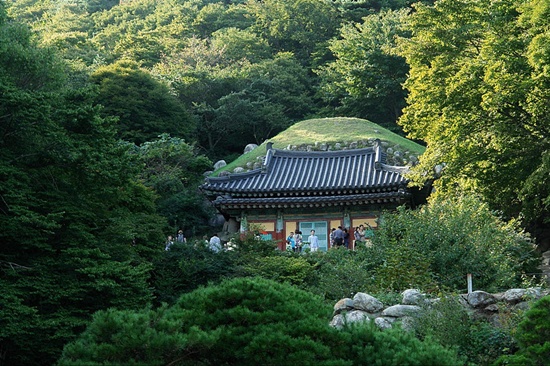
Seokguram represents extraordinary engineering achievement creating artificial stone cave on mountainside using precisely cut granite blocks assembled into domed chamber. Unlike Chinese Buddhist grottos carved from natural cliff faces, Seokguram was built from individual stones creating free-standing structure – fundamentally different approach requiring different engineering solutions to problems of structural stability, waterproofing, and long-term durability.
The grotto consists of rectangular antechamber leading to circular main chamber topped with domed ceiling, all constructed from precisely cut granite blocks fitted together without mortar. The main chamber measures approximately 7 meters in diameter with the dome rising to match, creating harmonious proportions that enhance acoustic qualities and create sense of sacred enclosed space.
The dome construction demonstrates sophisticated understanding of arch principles and weight distribution. Each stone in the dome is precisely shaped to interlock with adjacent stones, creating stable structure where gravitational weight holds everything together. The dome’s curvature follows mathematical curves ensuring even weight distribution preventing collapse despite earthquakes and weathering over 1,300 years.
The transition from rectangular antechamber to circular main chamber required sophisticated geometric planning creating smooth architectural flow rather than jarring transition. The entrance corridor walls gradually curve inward as they approach the circular chamber, creating visual rhythm guiding visitors’ eyes and bodies toward the central Buddha statue.
The Moisture Control Mystery
One of Seokguram’s most remarkable engineering features is its moisture control system preventing condensation and humidity damage that would normally destroy sculptures in enclosed stone chamber on humid mountainside. Historical analysis suggests the original design included sophisticated ventilation system and perhaps dehumidifying materials like charcoal creating stable internal environment.
The grotto functioned successfully for over 1,100 years with minimal problems, suggesting the original engineering design effectively managed moisture despite lack of modern technology. This stability demonstrates Unified Silla engineers’ sophisticated understanding of thermodynamics, air circulation, and material properties.
However, Japanese colonial-period repairs (1913-1915) and subsequent 20th-century restoration efforts disrupted the original moisture control system, creating ongoing humidity problems that threaten the sculptures. Modern preservation efforts include dehumidification systems, but these create aesthetic problems and never fully replicate the effectiveness of the original design that modern engineers still don’t completely understand.
The moisture control mystery represents fascinating puzzle for architectural historians and engineers. How did 8th-century builders create system that modern technology struggles to replicate? What specific techniques and materials did they use? Why did 20th-century “improvements” worsen rather than improve the situation? These questions remain partially unanswered, demonstrating that Seokguram contains sophisticated knowledge that even modern expertise hasn’t fully recovered.
The Glass Barrier Controversy
The glass barrier preventing close approach to the Buddha statue represents one of Korean cultural heritage management’s most controversial decisions, balancing preservation against access. The barrier was installed to protect sculptures from human breath moisture, body heat, and touching that were causing gradual deterioration as tourism increased dramatically after UNESCO designation.
Preservation experts argued that allowing continued close human contact would inevitably damage sculptures that had survived 1,300 years but were increasingly vulnerable to modern tourism’s intensity. The moisture from hundreds of daily visitors’ breath, the temperature fluctuations from body heat, and occasional touching despite prohibition were measurably affecting stone surfaces.
However, the glass creates frustrating viewing experience disappointing many visitors who traveled far specifically to see this masterpiece. The barrier creates physical distance, glass reflections obscure details, and the separation diminishes emotional and spiritual impact that direct encounter would provide. Many visitors feel cheated experiencing through glass rather than in immediate presence.
The controversy reflects broader tensions in heritage management between preservation and access. Should cultural treasures be kept behind barriers ensuring long-term survival but limiting present experience? Or should they remain accessible for direct encounter accepting gradual damage as acceptable cost of allowing living relationship with heritage? Seokguram’s glass barrier prioritizes preservation, but at real cost to visitor experience and spiritual encounter the grotto was created to provide.
Pros of Architectural Understanding
- Engineering Appreciation: Understanding the sophisticated construction techniques and moisture control systems adds intellectual appreciation complementing aesthetic response to the sculpture.
- Cultural Achievement Recognition: The artificial cave construction demonstrates Unified Silla engineering sophistication matching their artistic excellence, showing comprehensive cultural achievement rather than just isolated sculptural skill.
- Preservation Context: Understanding the technical challenges of maintaining stone structures on humid mountainside creates sympathy for preservation decisions even when they frustrate visitor experience.
- Mystery Fascination: The incompletely understood moisture control system adds intellectual intrigue, demonstrating that ancient builders possessed sophisticated knowledge modern experts are still trying to recover.
Cons of Access Restrictions
- Glass Barrier Frustration: The protective glass prevents close visual examination, touching for sensory connection, and the emotional impact of direct unmediated encounter with the sacred artwork.
- Viewing Limitations: The fixed viewing position behind glass prevents seeing the statue from multiple angles, examining details from varying distances, or experiencing the three-dimensional qualities that stone sculpture possesses.
- Photographic Challenges: Glass reflections, lighting restrictions, and prohibition on photography (irregularly enforced) prevent documenting the experience or studying details through photographs after visiting.
- Spiritual Distance: For Buddhist practitioners, the glass barrier creates literal and psychological separation diminishing the spiritual encounter the grotto was designed to facilitate.
STELLA’S LOCAL SECRET
The “Architectural Context Photography”
Instead of focusing frustratedly on photographing the Buddha through glass, photograph the grotto’s exterior architecture, entrance pathway, surrounding mountain landscape, and architectural details that most visitors ignore in their rush to see the famous statue. These elements provide context and beauty that creates fuller documentation of Seokguram as complete architectural and sculptural environment.
Photography strategy: The stone pathways leading to the grotto, the entrance building’s traditional architecture, the views of Tohamsan Mountain and glimpses of East Sea, and the relationship between grotto and landscape all create compelling images unavailable at the crowded viewing area.
Compositional approach: Look for shots showing pilgrims approaching the grotto up stone stairs, the entrance building framed by pine trees, or distant views showing grotto’s position on mountainside. These contextual images tell richer story than frustrated attempts to photograph through protective glass.
Cultural insight: The pilgrimage approach to Seokguram – the physical effort of climbing the mountain, the gradual approach through increasingly sacred space, the entrance through traditional temple building before reaching the grotto – represents important part of the intended spiritual experience that architectural and landscape photography captures better than close-ups of the Buddha statue itself.
Getting to Seokguram: Transportation Challenges
Understanding the Location and Access Difficulties
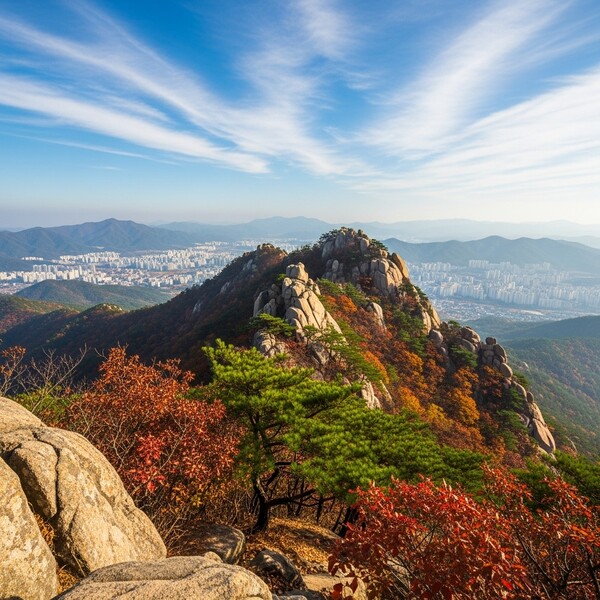
Seokguram sits on Tohamsan Mountain approximately 4 kilometers uphill from Bulguksa Temple and 20 kilometers southeast of central Gyeongju, making it one of Korea’s less accessible major cultural sites. The mountain location creates both spiritual significance and practical access challenges requiring careful transportation planning.
No direct public bus runs from Gyeongju city center to Seokguram, requiring visitors to take bus to Bulguksa then arrange separate transportation uphill, or use taxi for entire journey. This transportation gap creates frustration for independent travelers expecting Korean public transit to provide easy access to UNESCO World Heritage Sites.
The mountain road from Bulguksa to Seokguram rises approximately 300 meters in elevation over 4 kilometers, creating steep grades that make walking impractical for most visitors. While physically fit hikers can walk the road in 60-90 minutes, the lack of shade, traffic from tour buses and cars, and steep sustained climb make this option suitable only for seriously athletic travelers.
Transportation Options Detailed
Option 1: Taxi from Bulguksa
After visiting Bulguksa, take taxi from temple parking area to Seokguram (approximately 8,000-10,000 won, 15 minutes). This represents the most common and practical approach. Most visitors tour Bulguksa, then taxi uphill to Seokguram, tour the grotto, then either taxi back to Bulguksa parking area or, if fitness allows, walk downhill to Bulguksa (much easier than uphill) which takes 40-60 minutes.
Option 2: Taxi from Gyeongju
Taking taxi directly from Gyeongju city center to Seokguram costs approximately 25,000-30,000 won one-way (30-40 minutes), making round-trip taxi expensive for budget travelers. However, for groups of 3-4 people, cost per person becomes reasonable and provides maximum convenience and flexibility.
Option 3: Tour Bus/Organized Tour
Many tour companies offer packages visiting both Bulguksa and Seokguram from Gyeongju or even from Seoul/Busan. These handle all transportation and usually include guide services but limit time at each site and create rushed schedule. Tours work well for visitors prioritizing efficiency over depth of experience.
Option 4: Hiking from Bulguksa
Walking the 4-kilometer road from Bulguksa to Seokguram is theoretically possible but practically difficult. The sustained uphill grade, narrow roadside shoulders requiring constant attention to traffic, lack of shade during summer, and 60-90 minute duration make this option suitable only for fit, determined hikers willing to arrive sweaty and tired at a spiritual site requiring respectful presentation.
Option 5: Personal Vehicle/Rental Car
Visitors with rental cars can drive directly to Seokguram parking area, providing maximum flexibility and eliminating transportation hassles. However, parking can fill during peak seasons, and driving unfamiliar mountain roads in Korea presents challenges for international visitors uncomfortable with Korean driving conditions.
Combined Bulguksa-Seokguram Visit Strategy
Most visitors see both sites in one trip given their proximity and UNESCO designation as paired World Heritage Site. The most practical strategy: Visit Bulguksa first (2-3 hours), taxi to Seokguram (15 minutes), tour the grotto (45-60 minutes), then either taxi back to Bulguksa parking area or walk downhill if fitness allows.
Alternative strategy for serious culture enthusiasts: Start with early morning Bulguksa visit, midday Seokguram visit when afternoon light enters the grotto optimally, return to Bulguksa for late afternoon photography with different lighting. This requires full day and either personal vehicle or budget for multiple taxi trips, but creates most thorough experience of both sites.
Budget conscious strategy: Visit both sites but walk downhill from Seokguram to Bulguksa (40-60 minutes) rather than paying for return taxi. The downhill walk is much easier than uphill, provides pleasant mountain scenery, and saves approximately 8,000-10,000 won while adding minimal time and moderate exercise.
Pros of Transportation Planning
- Cost Control: Understanding options allows choosing approach matching your budget, from expensive taxi convenience to budget-friendly public bus plus downhill walking.
- Time Efficiency: Proper planning prevents wasted time waiting for non-existent buses or making poor transportation choices that create unnecessary delays.
- Physical Preparation: Knowing the uphill challenge allows realistic fitness assessment and appropriate choice between taxi convenience and hiking adventure.
- Combined Visit Optimization: Understanding geography allows efficient Bulguksa-Seokguram pairing maximizing cultural value from one mountain trip.
Cons of Access Challenges
- Transportation Complexity: The lack of direct public bus creates logistical challenges and forces reliance on taxi or tour packages reducing independent travel flexibility.
- Added Costs: Taxi requirements add significant expense beyond admission fees, making Seokguram visit notably more expensive than many Korean cultural sites with direct public transit.
- Physical Barriers: The mountain location creates genuine accessibility challenges for elderly visitors, those with mobility limitations, or families with young children finding the access effort disproportionate to brief viewing time.
- Time Consumption: Transportation between Bulguksa and Seokguram consumes time that could be spent at either site, forcing rushed visits to accommodate travel time within day trip schedule.
STELLA’S LOCAL SECRET
The “Downhill Walk Nature Experience”
After visiting Seokguram, walk downhill to Bulguksa rather than taking taxi. The 4-kilometer descent takes 40-60 minutes and provides pleasant mountain hiking experience with forest scenery, occasional East Sea views, and peaceful transition between sacred sites that taxi ride doesn’t offer.
Why this works: Downhill walking is far easier than uphill, requiring no special fitness. You save 8,000-10,000 won taxi fare. The walking pace allows appreciating mountain landscape and contemplating what you just experienced at Seokguram. You’ll arrive back at Bulguksa parking area where buses run frequently to Gyeongju.
Safety considerations: Walk facing oncoming traffic on the road’s left side. Wear bright colors so cars see you. The road has narrow shoulders in some sections requiring careful attention. Bring water as there are no facilities between sites.
Cultural benefit: The physical pilgrimage between sites creates traditional journey experience that modern transportation eliminates. Historical pilgrims walked these mountain paths contemplating Buddhist teachings. Your walking recreates that contemplative journey in small way, connecting you to centuries of pilgrims who made this same mountain journey on foot.
Practical Planning for Your Seokguram Visit
Operating Hours and Admission
Seokguram operates year-round with seasonal hours. Spring and summer (March-September), the grotto opens 7:00 AM and closes 6:00 PM. Autumn and winter (October-February), hours shift to 7:00 or 7:30 AM opening and 5:00 PM closing. Last admission is 30 minutes before closing. These hours allow morning visits catching optimal lighting when sun from the east illuminates the east-facing Buddha statue.
Admission costs 6,000 won for adults, 4,000 won for teenagers/young adults, and 3,000 won for children, identical to Bulguksa pricing. Combined tickets for both sites are not available – you must purchase separate admission for each. Senior citizens over 65 receive discounted admission. These prices are remarkably reasonable for UNESCO World Heritage Sites.
The admission ticket includes access to the grotto viewing area, entrance building, and surrounding pathways. However, the actual time spent viewing the Buddha statue is typically very brief (2-5 minutes) due to small viewing space and crowd pressure, making visitors question the value despite low admission cost.
Important restriction: Photography inside the grotto is technically prohibited to protect the sculptures from flash damage and to maintain sacred atmosphere. However, enforcement is irregular, with rules sometimes relaxed during quiet periods and strictly enforced during crowded times. Visitors should respect prohibition but understand that enforcement varies.
What to Bring and Wear
Modest clothing respecting active Buddhist site is essential. Shoulders should be covered, shorts/skirts should reach at least to knees, and generally conservative dress shows appropriate respect. While Seokguram doesn’t enforce dress codes as strictly as some temples, visitors dressed inappropriately may receive disapproving looks from Buddhist practitioners and staff.
Comfortable walking shoes are necessary for approach pathways and steps. The route from parking area to grotto entrance involves stone steps and pathways requiring sure footing. Athletic shoes or walking shoes work well. The surfaces can be slippery when wet, making appropriate footwear important for safety.
Weather-appropriate clothing is crucial given Tohamsan Mountain’s elevation and exposure. Mountain weather can differ significantly from lowland Gyeongju, with cooler temperatures, stronger winds, and different precipitation patterns. Bring layers allowing adjustment to changing conditions.
For winter visits, serious cold-weather clothing including insulated coat, warm hat, gloves, and thermal layers is essential. Mountaintop temperatures can be -10°C or colder with wind chill making it feel even more extreme. Many visitors underestimate Korean mountain winter severity and end up uncomfortable.
Water is essential, particularly during summer months. While vending machines exist at parking area, bringing reusable water bottle ensures hydration during the visit. The uphill walk from Bulguksa (if hiking) or the exposure to mountain sun creates dehydration risk.
Best Times to Visit
Time of Day:
Morning visits (7:00-10:00 AM) offer smallest crowds, best lighting with sun from east illuminating the east-facing Buddha, and cooler temperatures during summer. The grotto faces east toward sunrise, making morning light particularly significant in Buddhist symbolism and optimal for viewing the statue.
Day of Week:
Weekdays see significantly smaller crowds than weekends. Tuesday through Thursday typically offer quietest conditions. Mondays can be busier with visitors unable to tour during weekend visiting midweek instead.
Season:
Winter (December-February) brings smallest crowds and peaceful contemplative atmosphere but requires tolerance for serious cold. Spring and autumn offer moderate weather and beautiful surrounding mountain scenery but attract larger tourist numbers. Summer brings lush greenery but oppressive heat and humidity.
Combining with Bulguksa Visit
Virtually all Seokguram visitors combine with Bulguksa given their proximity and paired UNESCO designation. The practical question is sequencing and timing. Most visitors tour Bulguksa first (2-3 hours), then Seokguram, but reverse order offers advantages for morning light optimization.
Alternative strategy: Visit Seokguram first thing in morning for optimal lighting and smallest crowds, then descend to Bulguksa for mid-morning touring, then either return to Gyeongju or stay Bulguksa area for afternoon. This requires starting very early and dedicating full morning to the two sites.
Time allocation: Allow 4-5 hours total for combined visit including transportation between sites. Bulguksa deserves 2-3 hours, Seokguram 45-60 minutes, transportation 30 minutes, with remainder for breaks and transitions.
Pros of Careful Planning
- Optimal Experience: Timing visits for quiet periods and good lighting dramatically improves the brief viewing experience and increases chances of genuine appreciation despite viewing limitations.
- Weather Preparation: Appropriate clothing for mountain conditions prevents discomfort that would distract from cultural and spiritual experience.
- Realistic Expectations: Understanding site limitations and viewing conditions prevents disappointment when experience doesn’t match inflated expectations.
- Cost Management: Planning transportation carefully controls expenses and prevents wasteful taxi expenses or time-wasting wrong transportation choices.
Cons of Visit Planning Requirements
- Time Investment: Researching transportation, understanding timing strategies, and planning combined Bulguksa visit requires significant advance preparation.
- Inflexibility: Committing to specific timing reduces spontaneity and may force visiting during poor weather rather than adjusting plans flexibly.
- Complexity: The combination of transportation challenges, timing considerations, and weather variables creates planning complexity disproportionate to brief actual viewing time.
- Pressure: Planning for optimal conditions creates pressure to execute perfectly and disappointment when weather, crowds, or other factors don’t cooperate despite careful planning.
STELLA’S LOCAL SECRET
The “Second Visit Strategy”
If staying in Gyeongju multiple days, visit Seokguram twice – once during peak hours to experience what most tourists face, understanding why it disappoints many visitors, then again during optimal quiet time (winter weekday morning) experiencing the grotto under conditions allowing genuine appreciation.
Why this works: The contrast between crowded and quiet visits reveals how much site management and timing affect heritage experience. You’ll understand both why tourists often feel disappointed and why the statue genuinely deserves UNESCO recognition – both truths coexist but emerge under different viewing conditions.
Practical implementation: First visit during normal afternoon hours as part of Bulguksa-Seokguram combination trip. Experience the crowds, the rushed viewing, the glass barrier frustration. Then return on different day during quiet early morning, experiencing completely different atmosphere with time for contemplation.
Learning value: This comparative approach teaches important lessons about heritage tourism beyond just Seokguram – understanding that viewing conditions dramatically affect experience and that famous sites often require strategic visiting to reveal their genuine qualities rather than disappointing through inappropriate timing.
Frequently Asked Questions
Q: How long should I allocate for visiting Seokguram?
Allocate 45-60 minutes minimum including walking from parking area to grotto, viewing the Buddha statue (typically only 2-5 minutes due to crowds and small space), exploring entrance building and grounds, and returning to parking area. If combining with Bulguksa, allocate 4-5 hours total for both sites plus transportation.
Q: Can I visit Seokguram without visiting Bulguksa?
Yes, though most visitors combine both given their proximity and paired UNESCO designation. However, taxi directly from Gyeongju to Seokguram is expensive (25,000-30,000 won one-way), making visiting Seokguram alone less economical than the Bulguksa-Seokguram combination.
Q: Why is there glass preventing close approach to the Buddha statue?
The glass barrier protects sculptures from moisture, heat, and touching damage caused by tourist traffic. Conservation experts determined that continued close human contact was causing measurable deterioration to 1,300-year-old stone that had survived remarkably well before mass tourism. The barrier prioritizes long-term preservation over visitor experience.
Q: Is Seokguram worth the difficult access effort?
This depends on your interests and expectations. For serious Buddhist art enthusiasts, the Buddha statue represents masterpiece justifying the effort despite viewing limitations. For casual tourists expecting profound experience, the brief viewing through glass may feel anticlimactic given access difficulties and UNESCO hype.
Q: Can I photograph the Buddha statue?
Photography inside the grotto is technically prohibited, though enforcement is irregular. Even when tolerated, photographing through glass from fixed position produces poor results with reflections and suboptimal angles. Prioritize viewing over photography – the visual memory matters more than mediocre photos.
Q: What makes the Seokguram Buddha statue special compared to other Buddhist statues?
Art historians praise its perfect proportions, serene expression capturing enlightenment, technical mastery in carving smooth surfaces from hard granite, and the sophisticated integration of statue with surrounding architectural space. It represents Buddhist sculpture at its artistic zenith during Unified Silla golden age.
Q: How does Seokguram compare to Chinese and Japanese Buddhist caves?
Seokguram differs fundamentally from Chinese carved cliff caves (like Longmen) and Japanese rock-cut temples. Seokguram was built from cut stone blocks as artificial cave rather than carved from natural rock, representing unique Korean engineering approach requiring different technical solutions.
Q: Is Seokguram suitable for children?
The brief viewing time and need for quiet respectful behavior makes Seokguram challenging for young children. Older children interested in art or Buddhism may appreciate it, but young children will likely find the long journey for brief viewing boring and may struggle with required quiet behavior in sacred space.
Q: Can I visit during winter?
Yes, and winter offers smallest crowds creating better viewing conditions. However, winter requires serious cold-weather preparation as mountaintop temperatures often drop below -10°C. Dress appropriately for mountain winter conditions or the cold will overwhelm any cultural appreciation.
Q: What’s the best way to reach Seokguram without personal vehicle?
Take public bus from Gyeongju to Bulguksa, tour Bulguksa, then taxi from Bulguksa parking area to Seokguram. After touring Seokguram, either taxi back to Bulguksa parking area or walk downhill (40-60 minutes), then take bus back to Gyeongju. This combines budget-friendly public bus with necessary taxi where no bus exists.
Conclusion: Witnessing Buddhist Art’s Pinnacle
You now have comprehensive knowledge to visit Seokguram Grotto with realistic understanding of both its genuine artistic excellence and the frustrating viewing limitations. You’ve learned the full story of how 8th-century craftsmen created this artificial stone cave on Tohamsan Mountain, carved the serene Buddha statue from granite, and engineered moisture control systems that modern technology still doesn’t fully understand.
You understand what makes the Buddha statue a masterpiece – the perfect proportions, serene expression, technical mastery, and spiritual depth that distinguish it among Asian Buddhist sculpture. You know how to navigate transportation challenges reaching the mountaintop grotto and how to time visits for optimal viewing conditions minimizing crowds while maximizing your brief viewing opportunity.
Most importantly, you’re prepared for the reality that Seokguram presents genuine artistic and spiritual magnificence alongside real disappointments. The glass barrier, the crowds, the brief viewing time, and the access difficulties create frustrations that many visitors never overcome. But for those who visit during optimal conditions with patient attention and appropriate expectations, Seokguram reveals why UNESCO recognized it as masterpiece deserving world heritage protection.
The grotto awaits on Tohamsan Mountain. The Buddha statue sits in serene meditation as it has for 1,300 years. Morning light from the east illuminates the enlightened face. Your encounter with Korean Buddhist art at its absolute peak is about to begin – if you approach with wisdom, patience, and realistic expectations.