
Korea’s Fortress of Tragedy and Resilience
Have you ever wanted to experience a place where one of Korean history’s most traumatic moments unfolded – where a desperate king surrendered to invading forces after 47 days of winter siege, humiliating himself and his kingdom to save his people from annihilation? Where UNESCO recognizes not just military architecture but the fortress’s role as witness to Korean resilience and the painful compromises survival sometimes demands? Where you can walk 12 kilometers of fortress walls experiencing both stunning mountain scenery and the weight of historical tragedy that still resonates in Korean consciousness? Where military engineering, natural beauty, and profound historical memory combine to create one of Seoul area’s most meaningful cultural sites? Namhansanseong Fortress offers exactly this experience – but only if you understand the devastating Manchu invasions and King Injo’s impossible choices, appreciate the sophisticated mountain fortress design principles, know how to navigate the extensive wall circuit strategically, and grasp why this fortress represents both Korean architectural achievement and the painful reality that even strong defenses cannot guarantee victory against overwhelming force.
Most visitors approach Namhansanseong as pleasant hiking destination near Seoul, enjoying mountain views and fortress walls without understanding the profound tragedy these stones witnessed. They walk portions of the wall appreciating the exercise and scenery but missing the emotional weight of history. They photograph gates and watchtowers without knowing the desperate circumstances that brought King Injo and his court to seek refuge here during bitter winter. They visit the reconstructed palace buildings without grasping the humiliation and trauma that occurred when the king finally emerged to kowtow before Manchu emperor, performing ritual submission that saved Korean independence but devastated royal dignity and national pride.
I understand that superficial engagement completely. My first Namhansanseong visit was casual weekend hike enjoying autumn foliage and mountain views, barely registering the historical significance beyond “old fortress near Seoul.” The walls seemed like pleasant hiking infrastructure rather than witnesses to national trauma. Only after reading about the Manchu invasions and King Injo’s desperate resistance did I begin to grasp Namhansanseong’s profound significance in Korean historical memory.
That’s why this comprehensive guide exists. I’m going to share everything you need to transform Namhansanseong from a pleasant hiking destination into a meaningful encounter with Korean history’s most painful lessons about power, pride, survival, and the terrible choices leaders sometimes face. You’ll learn the full story of the Manchu invasions, the 47-day winter siege, and King Injo’s humiliating surrender that saved Korea from destruction but left psychological wounds that influenced Korean politics for generations. You’ll understand the sophisticated mountain fortress design that made Namhansanseong strong enough to resist siege but not strong enough to defeat determined invaders. You’ll discover how to walk the wall circuit strategically, whether completing the full 12-kilometer loop or focusing on highlight sections. You’ll gain insight into why this fortress represents Korean resilience – not through victory but through the painful wisdom of knowing when surrender becomes necessary for survival.
By the end of this guide, you’ll know how to visit Namhansanseong with understanding that transforms stone walls into monuments to difficult choices, desperate courage, and the reality that even righteous resistance sometimes ends in defeat that nonetheless contains its own form of triumph. You’ll appreciate why UNESCO designated this fortress as World Heritage despite Korea having older, larger fortifications. You’ll understand what makes Namhansanseong unique as mountain fortress adapted to Korean terrain and strategic needs. Most importantly, you’ll grasp why modern Koreans visit this fortress not to celebrate military glory but to contemplate the complex relationship between national pride, survival pragmatism, and the lessons history teaches about power and humility.
The Manchu Invasions and the 1636-1637 Winter Siege
Understanding the Historical Context
To understand Namhansanseong’s significance, you must first understand the geopolitical crisis that brought King Injo and the Joseon court to seek refuge within its walls. In the early 17th century, Korea faced rising threat from the Manchus, a northern people who would eventually conquer China and establish the Qing Dynasty but who Korea initially viewed as barbarian inferiors unworthy of respect equal to Ming China, Korea’s traditional cultural and political superior.
Korea maintained centuries-long tributary relationship with Ming China based on genuine respect for Chinese civilization and pragmatic recognition of Chinese power. When Manchus began threatening Ming and demanding Korean recognition of Manchu authority, Korea refused, viewing such acknowledgment as betraying civilized China for uncivilized barbarians. This Korean loyalty to Ming reflected both Confucian principle and dangerous miscalculation of Manchu power.
The first Manchu invasion in 1627 (known as Jeongmyo Horan in Korean) forced temporary Korean submission, but after Manchus withdrew, Korean court hardliners argued for repudiating the agreement and maintaining loyalty to Ming despite Ming’s obvious decline and Manchu’s rising power. This decision reflected Korean Confucian values prioritizing righteous principle over expedient pragmatism – noble sentiment that would have catastrophic consequences.
In December 1636, Manchu forces invaded Korea again (Byeongja Horan – the “Year of the Fire Rat Invasion”) with overwhelming military superiority and clear intention to force Korea into permanent submission. King Injo and the royal court fled Seoul seeking refuge at Namhansanseong, a mountain fortress about 25 kilometers southeast of the capital that had been reinforced specifically to serve as emergency royal refuge during invasions.
The 47-Day Winter Siege
The siege of Namhansanseong lasted from late December 1636 through late January 1637, occurring during one of Korea’s harshest winters. Approximately 14,000 royal officials, soldiers, and court members crowded into the fortress designed for far fewer occupants. Food supplies were limited, winter cold was severe, and Manchu forces completely surrounded the fortress cutting off relief or escape.
King Injo and his advisors faced agonizing choices. They could maintain resistance hoping for relief forces to break the siege – but relief attempts failed catastrophically with Korean armies defeated before reaching the fortress. They could attempt breakout escape – but Manchu cavalry would slaughter refugees in open terrain. They could continue siege resistance hoping Manchus would eventually withdraw – but Manchu forces showed no signs of leaving and food supplies were depleting rapidly.
The debates within the besieged fortress reflected fundamental tensions in Korean political thought. Hardline Confucian scholars argued that maintaining righteous principle required resisting to death rather than submitting to barbarians, regardless of practical consequences. Pragmatic officials argued that the king’s primary duty was protecting his people, requiring surrender if that prevented national annihilation. The king himself wavered between pride demanding continued resistance and responsibility demanding surrender to save his subjects.
As January progressed, the situation became desperate. Food shortages created starvation conditions. The severe cold caused suffering and deaths. Manchu forces showed no signs of withdrawing and made clear they would massacre the fortress occupants if resistance continued. Multiple relief force attempts had failed disastrously. The fortress could not hold indefinitely, and continued resistance seemed more likely to end in complete destruction than miraculous victory.
The Humiliating Surrender
In late January 1637, King Injo made the agonizing decision to surrender, accepting Manchu terms that included personal submission to Manchu emperor Huangtaiji, sending Korean princes as hostages to Manchu court, severing ties with Ming China, and acknowledging Manchu supremacy. The surrender terms demanded that the Korean king personally kowtow before the Manchu emperor in ritual submission demonstrating Korea’s acceptance of inferior status.
On January 30, 1637, King Injo emerged from Namhansanseong and traveled to a site near the Han River where Manchu emperor Huangtaiji waited. In front of assembled armies and officials, the Korean king performed the ritual kowtow – kneeling and prostrating himself three times, bowing his head to the ground nine times (the “three kneelings and nine prostrations” ritual) before the Manchu emperor, formally acknowledging Korean submission and Manchu supremacy.
This moment represented one of Korean history’s most humiliating episodes. The king’s personal degradation symbolized Korea’s defeat and loss of dignity. The surrender saved Korea from destruction – Manchus withdrew their forces and Korea maintained domestic sovereignty as Manchu vassal state – but the psychological and political wounds lasted generations.
Korean officials who had advocated surrender were later vilified as cowards or traitors despite their pragmatic realism. Officials who had advocated continued resistance even to death were honored despite their position potentially leading to greater catastrophe. The political factions and ideological debates triggered by the siege and surrender influenced Korean politics for the remainder of the Joseon Dynasty.
Why This History Matters to Contemporary Korea
For modern Koreans, Namhansanseong and the 1637 surrender represent complex lessons about power, pride, and survival. The fortress symbolizes both Korean vulnerability to stronger neighbors and Korean resilience in maintaining identity despite military defeats. The surrender represents both humiliating failure and pragmatic wisdom choosing survival over glorious death.
The historical memory influences contemporary Korean attitudes toward national defense, alliance relationships, and the balance between principle and pragmatism in international affairs. The trauma of being forced to kowtow to a stronger power shapes Korean sensitivity about sovereignty and independence, influencing everything from foreign policy to cultural preservation efforts.
The history also provokes reflection on leadership, responsibility, and difficult choices. Was King Injo’s surrender wise pragmatism saving his people, or shameful cowardice betraying national honor? Were hardline resisters principled heroes or reckless ideologues willing to sacrifice lives for abstract principles? These questions remain relevant to contemporary political and ethical debates about when compromise becomes necessary and when it represents unacceptable capitulation.
Personal Story: Understanding Through Contemplation
During my second Namhansanseong visit, after learning the full history, I stood at one of the fortress gates trying to imagine King Injo’s emotional state as he prepared to emerge and surrender. The mountain fortress that should have provided security instead became a trap. The defensive walls that demonstrated Korean military strength ultimately proved insufficient against determined, powerful enemy.
An elderly Korean man standing nearby noticed my contemplative attention and approached, saying in accented English: “Korean history is not about always winning. Sometimes we lose. Sometimes we must bow our heads to survive. This fortress reminds us that being strong is not enough if the enemy is stronger. Wisdom is knowing when to fight and when to surrender.”
He explained that his grandfather told stories about the siege passed down through generations. “Koreans remember this place not with pride but with sadness and learning. We learn that pride can kill you. We learn that sometimes living in shame is better than dying with honor. These are hard lessons, but important ones.”
His words captured something profound – that Namhansanseong’s significance lies not in celebrating military achievement but in confronting difficult historical truths about power, defeat, and the complex morality of survival. The fortress teaches humility alongside resilience, realism alongside courage.
Pros of Understanding the Historical Tragedy
- Historical Depth: The siege and surrender story adds profound emotional and intellectual significance to fortress visiting beyond simple architectural appreciation.
- Contemporary Relevance: Understanding this history provides context for contemporary Korean attitudes toward sovereignty, defense, and international relations.
- Moral Complexity: The ethical debates about resistance versus surrender offer rich material for philosophical and political reflection about leadership and responsibility.
- Emotional Connection: The human drama – the desperate king, the freezing soldiers, the agonizing choices – creates emotional engagement with history rather than abstract dates and events.
- Korean Identity: The history reveals important aspects of Korean national identity including resilience in defeat, the tension between principle and pragmatism, and the long memory of historical humiliation.
Cons of Historical Heaviness
- Tragic Weight: The devastating history can feel emotionally heavy and depressing rather than uplifting or inspiring, potentially overwhelming casual fortress visiting.
- Complexity: Understanding the Manchu invasions, Korean-Ming relations, Confucian political theory, and factional politics requires substantial historical background difficult for casual visitors.
- National Trauma: For Korean visitors, the history carries genuine emotional weight as national trauma rather than distant historical curiosity, creating sensitivities international visitors may not fully appreciate.
- Translation Challenges: The nuances of Confucian loyalty, Korean political factions, and the ritual significance of kowtowing don’t translate easily without deep cultural context.
STELLA’S LOCAL SECRET
The “Historical Context Pre-Visit Research”
Before visiting Namhansanseong, spend 45-60 minutes reading about the Manchu invasions (1627 and 1636-1637), King Injo’s reign, and the political debates about Ming loyalty versus Manchu submission. Wikipedia articles on Byeongja Horan (병자호란) and King Injo provide sufficient background. This preparation transforms fortress visiting from pleasant hiking into profound historical encounter.
Focus areas: Read specifically about King Injo’s emotional state during the siege, the debates between hardline resisters and pragmatic surrenderers, and the long-term political consequences of the surrender. Understanding the human drama and ethical complexity makes the fortress emotionally resonant rather than merely historically interesting.
Why this matters: With historical context, walking Namhansanseong’s walls becomes walking where desperate people froze, starved, and debated whether honor demanded death or survival demanded humiliation. The stones stop being mere hiking trail and become monuments to one of Korean history’s most agonizing moments.
Cultural sensitivity: If discussing this history with Korean visitors or guides, be aware that it carries genuine emotional weight as national trauma. Respect that for Koreans this isn’t merely interesting historical story but painful memory that influenced their culture and national identity for centuries.

Mountain Fortress Architecture and Design
Understanding Korean Mountain Fortress Principles
Namhansanseong exemplifies Korean mountain fortress (sanseong/산성) design principles adapted to peninsula’s mountainous terrain and strategic defense needs. Unlike Chinese city walls enclosing flat urban areas or Japanese castles built on single hills, Korean mountain fortresses follow ridge lines and terrain contours creating extensive fortifications that utilize natural defensive advantages while enclosing sufficient space for emergency refuge.
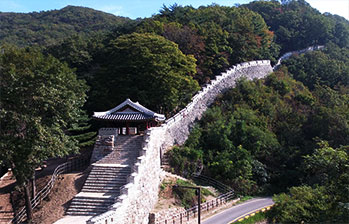
The fortress walls stretch 12.4 kilometers following Namhansan mountain’s ridges and valleys, creating defensible perimeter that incorporates natural terrain as defensive element. The walls follow elevation changes climbing hills and descending into valleys, requiring attackers to assault uphill positions while defenders benefit from elevation advantages and terrain obstacles.
The construction uses primarily stone creating durable walls that have survived nearly 400 years with periodic maintenance. The walls average 3-7 meters in height with thickness of 3-4 meters, substantial enough to resist siege weapons and scaling attempts while providing protected pathways for defender movement along the top.
The fortress design balances military defense with practical refuge functions. Inside the walls, relatively flat areas provided space for temporary housing, food storage, wells for water supply, and the temporary palace buildings where King Injo and his court resided during the 1636-1637 siege. The fortress needed to sustain thousands of people for extended periods during emergencies, requiring more than just strong walls.
Gates, Bastions, and Defensive Structures
Namhansanseong contains four main gates oriented to cardinal directions – North Gate (Jeongjomun), South Gate (Jisumun), East Gate (Jwaikmonn), and West Gate (Wooikmun) – plus several smaller gates providing access through the fortress perimeter. These gates represent both entry points and critical defensive positions requiring strongest fortification and constant vigilance.
Each major gate features traditional Korean gate architecture with multi-story wooden pavilions atop stone gate passages, combining defensive function with architectural beauty. The gates could be closed and barred during attacks while providing observation positions for monitoring approaches and directing defensive fire.
Numerous bastions (치/雉) project from the main wall at regular intervals, creating defensive positions from which defenders could fire along the wall face catching attackers in crossfire. These projecting structures represent sophisticated military architecture understanding enfilading fire and the importance of eliminating blind spots where attackers could reach walls without exposure to defensive fire.
Command posts and observation towers at strategic positions along the wall provided coordination points for defense and communication. These elevated positions allowed observing approaching enemies, directing troop movements, and signaling between different fortress sections during battle.
The Temporary Palace – Namhansanseong Haenggung
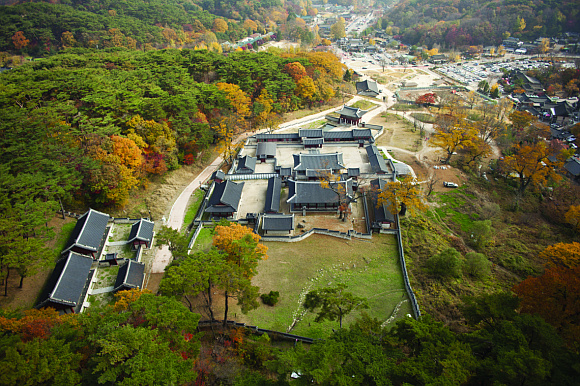
Within the fortress, the temporary palace (haenggung/行宮) provided royal residence during emergencies when the king needed to abandon Seoul. The original buildings where King Injo stayed during the 1636-1637 siege were destroyed over subsequent centuries, but modern reconstruction based on historical records recreates the palace layout and major buildings.
The reconstructed haenggung demonstrates traditional Korean palace architecture adapted to emergency refuge context. The buildings are more modest than Seoul’s grand palaces, reflecting the temporary emergency nature of royal presence here rather than permanent residence. However, they maintain royal dignity and ceremonial propriety appropriate for monarch even in crisis circumstances.
The palace includes throne hall for conducting state business, residential quarters for royal family, offices for officials, and support facilities. During the siege, these buildings would have been crowded with the king, royal family, hundreds of officials, and support personnel, creating difficult conditions during the brutal winter.
Visiting the reconstructed palace helps understand the physical reality of the siege – imagining these buildings filled with cold, hungry, desperate people debating whether to continue resistance or accept humiliating surrender. The architecture becomes backdrop for historical drama rather than merely pleasant traditional building viewing.
UNESCO World Heritage Recognition
UNESCO designated Namhansanseong as World Heritage Site in 2014, recognizing it as “an exceptional example of a mountain fortress” and praising how “the fortress embodies the history of emergencies” and demonstrates “a sophisticated military defense system that utilized terrain strategically.” The designation validated Namhansanseong’s significance as representing Korean mountain fortress architectural principles and its historical importance as refuge during national crises.
The UNESCO citation emphasized the fortress’s combination of military functionality, historical significance, and cultural value. The recognition brought international attention but also created preservation challenges as increased tourism threatens fortress walls and creates management difficulties balancing heritage protection with visitor access.
Pros of Architectural Understanding
- Military Appreciation: Understanding defensive design principles – the terrain utilization, wall positioning, bastion functions – adds intellectual dimension to fortress visiting beyond simple hiking.
- Engineering Achievement: The sophisticated construction integrating 12+ kilometers of walls with mountainous terrain demonstrates impressive Korean military engineering capabilities.
- Historical Context: Understanding the palace buildings and fortress facilities helps visualize the actual siege conditions and King Injo’s circumstances during the 47-day ordeal.
- UNESCO Validation: World Heritage designation confirms Namhansanseong’s global significance as representing mountain fortress principles applicable worldwide beyond just Korean context.
Cons of Fortress Reality
- Extensive Reconstruction: Much of what visitors see represents 20th and 21st century reconstruction based on historical records rather than original 17th century construction, reducing authentic heritage value.
- Modern Intrusions: Roads, restaurants, parking lots, and contemporary facilities within and around the fortress create visual disruptions of historical atmosphere.
- Urban Proximity: Seoul metropolitan area’s expansion means modern city is visible from fortress walls, preventing the isolated mountain refuge feeling that would have existed historically.
- Partial Preservation: Some sections of walls and structures have deteriorated or disappeared, creating incomplete circuits and gaps in the defensive perimeter.
STELLA’S LOCAL SECRET
The “Military Architecture Observation Walk”
When walking fortress walls, deliberately observe and photograph military architectural features – bastions projecting from walls, gate defensive positions, observation posts, and how walls utilize terrain. This focused attention on military engineering provides intellectual satisfaction complementing the exercise and scenic hiking aspects.
Educational strategy: Before visiting, review basic military fortress concepts – enfilading fire, dead zones, bastion design, gate defense principles. This theoretical knowledge makes observing Namhansanseong’s solutions to these military problems more meaningful. You’ll see not just old walls but specific solutions to specific tactical challenges.
Photography approach: Photograph military architecture details rather than just scenic views. Capture bastion profiles showing their projection from main walls, gate positions demonstrating how approaches are controlled, wall elevation changes showing terrain exploitation. These architectural images document Namhansanseong’s military sophistication often missed by scenic hiking photographs.
Comparative perspective: If you’ve visited other fortresses (like Hwaseong in Suwon), compare military architecture approaches. Hwaseong represents late Joseon scientific military thinking, while Namhansanseong represents earlier mountain fortress traditions. Understanding these differences reveals Korean military architecture evolution.
Walking the Fortress Wall: Complete Circuit Guide
Understanding the 12.4-Kilometer Wall Circuit
Namhansanseong’s 12.4-kilometer wall circuit can be walked completely in 4-6 hours depending on pace, fitness, and stopping frequency. The circuit follows mountain ridges with significant elevation changes including steep climbs and descents, making this more demanding than Hwaseong’s relatively level wall walking. The trail quality varies from paved sections to rough stone paths requiring careful footing.
Walking the complete circuit provides comprehensive fortress experience showing how walls follow terrain, how gates control access, and how the defensive perimeter enclosed substantial interior space. However, most visitors walk only portions of the circuit due to time constraints, physical demands, or limited interest in completing full loop.
The fortress interior contains villages, temples, restaurants, parking areas, and the reconstructed palace complex, meaning portions of walking occur through developed areas rather than continuous wilderness mountain trails. This development reduces the isolated fortress atmosphere but provides access to facilities and rest opportunities during long circuit walking.
Section-by-Section Breakdown
Northern Section (North Gate Area):
This section includes some of the fortress’s steepest terrain with dramatic elevation changes and spectacular views toward Seoul. The northern walls see fewer hikers than eastern and western sections, providing quieter walking despite challenging terrain. This area demonstrates how fortress walls climbed to high points for defensive advantage and observation.
Eastern Section (East Gate to South Gate):
The eastern wall follows relatively moderate terrain making this the most accessible and popular section for casual visitors. This area includes the main parking area, restaurants, and facilities, seeing highest visitor traffic. The eastern section provides good introduction to fortress architecture without extreme physical demands.
Southern Section (South Gate to West Gate):
The southern wall includes moderate climbs and scenic forested areas. This section sees moderate visitor traffic – more than the northern section but less than eastern areas. The southern areas provide balanced experience of decent hiking, reasonable crowds, and good fortress architecture examples.
Western Section (West Gate to North Gate):
The western wall climbs to some of the fortress’s highest points with challenging terrain and spectacular views. This section sees fewer visitors willing to tackle the demanding climbs. The western areas reward physical effort with solitude and impressive vistas showing fortress’s elevated strategic position.
Optimal Walking Strategies
Complete Circuit (4-6 hours):
Start at East Gate area (main access point), walk counter-clockwise (easier climbing direction), allowing extra time at North Gate and West Gate high points for views and rest. Pack substantial water, snacks, and prepare for serious hiking rather than casual wall stroll. This strategy completes circuit in single visit providing comprehensive fortress experience.
Half Circuit – Eastern Highlight (2-3 hours):
Walk from East Gate to South Gate and back, experiencing popular sections with moderate terrain, good facilities access, and representative fortress architecture. This provides substantial fortress experience without full circuit’s extreme time and physical demands.
Highlights Only (60-90 minutes):
Visit reconstructed palace complex and East Gate area with short wall walks to nearby bastions and viewpoints. This hits major highlights quickly but misses the wall-walking experience revealing fortress scale and military design. Suitable for visitors with limited time or mobility constraints.
Physical Demands and Accessibility
The complete circuit involves approximately 700-800 meters of elevation change through climbs and descents, requiring good fitness and stamina. Some sections include steep stairs and rough terrain challenging even for fit hikers. The circuit typically takes 4-6 hours at moderate pace, substantial physical commitment exceeding casual hiking.
The trail conditions vary significantly. Popular sections near East Gate are well-maintained with paved or smooth paths. Remote sections feature rough stone paths, occasional steep sections, and areas requiring careful footing. During rain, stone surfaces become slippery creating safety hazards.
Accessibility for wheelchair users or those with severe mobility limitations is poor for wall circuit hiking. However, the reconstructed palace area and East Gate vicinity have relatively accessible paths allowing limited fortress experience without wall climbing. The palace and gate viewing provides cultural experience without demanding trail hiking.
Pros of Wall Walking
- Comprehensive Understanding: Complete circuit provides full appreciation of fortress scale, terrain integration, and defensive perimeter that partial visiting cannot achieve.
- Exercise and Culture: The substantial hiking provides vigorous exercise while experiencing cultural heritage, appealing to fitness-minded travelers wanting active cultural tourism.
- Changing Perspectives: The varied terrain creates constantly changing views and photographic opportunities showing Seoul area from numerous elevations and angles.
- Solitude in Sections: Away from East Gate area, wall sections see far fewer hikers providing peaceful mountain walking despite proximity to Seoul metropolitan area.
- Seasonal Beauty: Spring cherry blossoms, summer greenery, autumn foliage, and winter snow create dramatic seasonal transformations of fortress landscape.
Cons of Wall Walking
- Time Requirement: The 4-6 hours needed for complete circuit exceeds many visitors’ available time or willingness for extended mountain hiking.
- Physical Demands: The steep climbs, rough terrain, and distance challenge less fit visitors, elderly people, those with knee problems, or families with young children.
- Weather Exposure: Extended outdoor walking makes weather conditions crucial – summer heat, winter cold, and rain all create potentially uncomfortable or dangerous conditions.
- Monotony for Some: Despite terrain variation, continuous wall walking for hours can feel tedious to visitors preferring focused architectural highlights over comprehensive circuit completion.
- Safety Concerns: The rough terrain, steep sections, weather exposure, and occasional lack of guardrails create injury risks requiring constant attention and appropriate caution.
STELLA’S LOCAL SECRET
The “Sunrise North Gate Strategy”
For dedicated hikers and photographers, arrive before sunrise and climb to North Gate high points for spectacular sunrise views over Seoul and surrounding mountains. Early morning provides cool temperatures, clear atmosphere, solitude, and dramatic lighting impossible during normal visiting hours. The sunrise experience transforms fortress from hiking destination into spiritual and aesthetic encounter.
Practical preparation: Arrive at parking area by 5:30-6:00 AM (depending on season), bring flashlight for pre-dawn climbing, wear layers for cold morning temperatures warming as sun rises. The early start requires dedication but rewards with extraordinary experience few visitors achieve.
Photography advantage: Sunrise creates dramatic lighting with warm golden tones, long shadows emphasizing terrain, and atmospheric conditions that make distant Seoul cityscape appear ethereal. The morning mist in valleys and clear sky at elevation create conditions that produce extraordinary landscape photography.
Cultural moment: After sunrise, descend to palace area as it opens (typically 9:00 AM), touring reconstructed buildings before other visitors arrive. This combines natural spectacle (sunrise) with cultural heritage (palace) in single morning creating comprehensive Namhansanseong experience.
Practical Planning for Your Namhansanseong Visit
Getting to Namhansanseong from Seoul
Namhansanseong sits approximately 25 kilometers southeast of central Seoul in Gwangju city (Gyeonggi Province), accessible by various transportation options making fortress visiting realistic as day trip from Seoul.
Subway + Bus:
Take Seoul Metro Line 8 to Namhansanseong Station, then bus 9 (fortress shuttle) to main entrance area. Journey time approximately 1.5 hours from central Seoul. This economical option (approximately 3,000 won total) works well for independent travelers comfortable with Korean public transit.
Direct Bus:
Express buses run from some Seoul locations directly to Namhansanseong, providing faster journey without transfers. Check current routes and schedules as service varies seasonally and by demand.
Taxi:
Taxi from central Seoul costs approximately 40,000-50,000 won (roughly 30-40 USD), taking 45-60 minutes depending on traffic. For groups of 3-4 people, cost per person becomes reasonable while providing door-to-door convenience.
Personal Vehicle:
Driving via highway takes 40-60 minutes from central Seoul depending on traffic. Several parking areas exist around the fortress with varying proximity to main gates and facilities. Weekend parking can fill quickly during peak seasons.
Organized Tours:
Tour companies offer day trips combining Namhansanseong with other Seoul-area attractions, handling all transportation with guide services. Tours provide convenience but limit visiting time and eliminate flexibility.
Operating Hours and Admission
The fortress walls and grounds are accessible 24 hours daily, technically allowing sunrise to sunset visiting or even night hiking (though this is not recommended for safety reasons). The fortress never technically “closes,” making it flexible destination for early morning or late afternoon visits avoiding midday crowds and heat.
Admission to fortress grounds is free – no tickets required for wall walking or grounds access. However, visiting the reconstructed Namhansanseong Haenggung Palace requires admission of 2,000 won for adults, 1,000 won for teenagers and children. Palace hours are typically 10:00 AM to 5:00 PM (6:00 PM in summer) with last admission 30 minutes before closing.
What to Bring and Wear
Serious Hiking Shoes:
Essential for wall circuit walking with varied terrain including stairs, rough stone paths, steep sections, and potentially slippery surfaces. Athletic shoes or hiking boots work well. The extensive circuit makes proper footwear crucial for comfort and safety.
Substantial Water:
Bring at least 1-2 liters per person for full circuit walking, more during summer heat. While some facilities exist near main gates, remote wall sections lack water access for hours. Dehydration risk is real during extended mountain hiking.
Weather Protection:
Summer requires sun protection (hat, sunscreen, sunglasses) as portions of wall circuit provide limited shade. Winter requires serious cold weather gear (insulated coat, hat, gloves) as mountain exposure makes temperatures feel colder than Seoul city. Rain gear essential during uncertain weather.
Snacks and Energy Food:
Bring portable energy food for sustained hiking effort. The 4-6 hour complete circuit requires caloric replenishment beyond just water. Restaurants exist near main gates but are unavailable during remote wall sections.
First Aid Basics:
Consider bringing basic first aid for blisters, minor cuts, and muscle strains. The remote trail sections mean injuries may require self-treatment until reaching facilities.
Best Times to Visit
Season:
Spring (April-May) and autumn (October-November) offer comfortable temperatures, beautiful scenery (cherry blossoms in spring, foliage in autumn), and pleasant hiking conditions. Summer is hot and humid making extended hiking uncomfortable. Winter provides solitude and snow beauty but requires serious cold tolerance and appropriate gear.
Day of Week:
Weekdays see fewer hikers than weekends, particularly Tuesday-Thursday. Weekend fortress hiking attracts Seoul residents creating crowded conditions at popular sections and parking challenges.
Time of Day:
Early morning (sunrise to 10:00 AM) provides cool temperatures, best light, and smallest crowds. Late afternoon (3:00-6:00 PM) offers good lighting but risks running out of daylight during winter and may conflict with palace closing times.
Combining Namhansanseong with Other Attractions
Seoul City Touring:
As day trip from Seoul, Namhansanseong can be morning or afternoon component combined with Seoul attractions, though the physical demands make combining with other activities challenging if completing full circuit.
Gwangju Area:
The surrounding Gwangju area offers additional cultural and historical sites including temples and traditional villages, creating full-day cultural touring beyond just fortress visiting.
Mountain Hiking:
For serious hikers, Namhansanseong can be starting point for extended Namhansan mountain hiking beyond just fortress walls, creating full-day mountain wilderness experience near Seoul.
Pros of Strategic Planning
- Proximity to Seoul: The close location makes Namhansanseong accessible day trip requiring minimal travel time and planning compared to distant cultural sites.
- Free Access: No fortress admission fees (only small palace fee) makes Namhansanseong extremely economical Seoul-area cultural experience.
- Flexible Timing: The 24-hour accessibility allows visiting during optimal times (sunrise, late afternoon, weekdays) avoiding crowds and heat.
- Exercise and Culture: The hiking combines serious physical activity with cultural heritage experience appealing to active travelers.
Cons of Visit Planning
- Physical Preparation: The demanding hiking requires realistic fitness assessment and appropriate physical preparation preventing halfway exhaustion or injury.
- Weather Dependency: Extended outdoor hiking makes weather crucial to comfort and safety, requiring flexible planning or acceptance of potential discomfort.
- Time Commitment: Complete circuit requires half-day commitment (4-6 hours hiking plus travel) substantial for visitors with limited Seoul time.
- Limited Facilities: Remote wall sections lack restrooms, water, food, and shelter, requiring self-sufficiency and advance preparation.
STELLA’S LOCAL SECRET
The “Seoul Resident Weekend Avoidance”
Visit Namhansanseong on weekday mornings when Seoul residents are working rather than competing with weekend recreational hikers who treat fortress as local park. The weekday morning strategy provides nearly solitary hiking experience impossible during popular weekend times.
Why this works: Namhansanseong’s proximity to Seoul makes it extremely popular weekend hiking destination for residents seeking exercise and nature. Weekdays transform the experience from crowded recreational trail into historical contemplation enabling genuine engagement with fortress history and architecture.
Practical execution: Take Monday or Friday as vacation day from work if necessary to enable weekday visiting. The investment of one vacation day yields dramatically superior experience that weekend visiting cannot match. Early weekday morning combines multiple advantages – no crowds, cool temperatures, good lighting, and full day available for unhurried exploration.
Cultural observation: When you do encounter weekday visitors, they’re often serious history enthusiasts, photographers, or retirees specifically interested in fortress rather than casual weekend exercisers. These fellow visitors often have deeper knowledge and genuine interest enabling more meaningful interactions and conversations about fortress significance.
Frequently Asked Questions
Q: How long should I allocate for visiting Namhansanseong?
Allocate 4-6 hours for complete wall circuit, 2-3 hours for half circuit walking, or 1.5-2 hours for highlights (palace and main gates). Add travel time from Seoul (1-2 hours each way depending on transportation method).
Q: Is Namhansanseong suitable for children?
Older children who enjoy hiking and can walk several hours will find Namhansanseong engaging. Young children will likely find extended mountain hiking tiring and boring. The palace area and short wall walks near main gates work for families with young children avoiding full circuit.
Q: Can I complete the wall circuit without serious hiking experience?
Moderate fitness and basic hiking experience are sufficient for circuit completion at relaxed pace. However, the distance, elevation changes, and rough terrain sections make this more demanding than casual walking. Realistic fitness assessment is important.
Q: How does Namhansanseong compare to Hwaseong Fortress in Suwon?
Namhansanseong is mountain fortress with rough terrain and wilderness hiking character, while Hwaseong is city fortress with level terrain and urban integration. Namhansanseong emphasizes natural beauty and physical challenge, Hwaseong emphasizes architectural refinement and historical context.
Q: Is there accommodation near Namhansanseong?
Limited accommodation exists in nearby Gwangju city, but most visitors day-trip from Seoul given the close proximity (25 kilometers). Temple stay programs at nearby temples provide alternative accommodation for cultural immersion seekers.
Q: What’s the best season to visit Namhansanseong?
Autumn (October-November) offers spectacular foliage, comfortable temperatures, and reliable weather making it optimal season. Spring (April-May) is second best with cherry blossoms and moderate temperatures. Winter provides solitude but requires serious cold tolerance.
Q: Can I visit Namhansanseong at night?
Technically the fortress is accessible 24 hours, but night hiking is not recommended due to rough terrain, limited lighting, safety concerns, and inability to appreciate views and architecture. Evening visits during twilight work well for sunset photography but require leaving before complete darkness.
Q: Why is Namhansanseong UNESCO World Heritage?
UNESCO recognized Namhansanseong as exceptional example of mountain fortress demonstrating sophisticated Korean military architecture utilizing terrain strategically, and for its historical significance as emergency royal refuge during crises including the 1636-1637 siege.
Q: Are there English signs and information at Namhansanseong?
Basic English signage exists at major gates and palace, but detailed historical explanations are limited. English audio guides or guidebooks are available but pre-visit research significantly enhances understanding and appreciation.
Q: How crowded does Namhansanseong get?
Popular sections near East Gate see substantial crowds on weekends during spring and autumn. Remote wall sections even during peak times remain relatively uncrowded. Weekday mornings provide nearly solitary experience impossible during weekend peak times.
Walking Where History Unfolded
You now have comprehensive knowledge to visit Namhansanseong Fortress with deep understanding of what makes this mountain fortress one of Korea’s most historically significant sites. You’ve learned the devastating story of the 1636-1637 Manchu siege, King Injo’s 47-day resistance, and his agonizing surrender that saved Korea but left psychological wounds lasting generations. You understand the sophisticated mountain fortress architecture utilizing terrain for defense while providing emergency royal refuge.
You know how to walk the fortress walls strategically – whether completing the demanding full circuit for comprehensive experience or focusing on accessible sections for limited time. You’ve gained insight into why Namhansanseong represents not Korean military glory but painful lessons about power, defeat, and the terrible choices survival sometimes demands.
Most importantly, you understand that Namhansanseong is more than impressive mountain fortress or pleasant hiking destination. Every stone in these walls witnessed one of Korean history’s most traumatic moments when a desperate king chose humiliating surrender over destruction. Walking these walls means walking where Koreans froze, starved, debated honor versus survival, and ultimately learned that sometimes living in defeat contains its own form of wisdom.
Namhansanseong awaits in the mountains southeast of Seoul. The walls still follow ancient ridgelines. The gates still stand where besieged defenders watched Manchu armies surround them. The palace buildings still mark where a king made impossible choices. Your encounter with Korean resilience through tragedy is about to begin.