Discovering Korea’s Rich Noodle Heritage
Have you ever wondered why Korean noodle culture creates such diverse and sophisticated preparations that span from ice-cold summer refreshment to warming winter comfort while representing centuries of Korean agricultural innovation and cultural adaptation, what makes Korean noodle-making techniques develop distinctive textures and flavors that differ significantly from Chinese or Japanese noodle traditions while maintaining authentic Korean identity and regional characteristics, how traditional Korean noodle varieties reflect seasonal wisdom and community customs that connect contemporary dining with agricultural cycles and cultural celebrations, and why understanding Korean noodle culture provides essential insight into Korean food innovation, regional diversity, and cultural values that transform simple wheat and grain products into expressions of community, tradition, and culinary artistry?
Where ancient Korean grain cultivation meets traditional noodle-making techniques that create distinctive textures impossible to replicate through industrial production, where seasonal Korean cooking wisdom guides noodle preparation and serving customs that optimize nutrition while providing appropriate temperature and flavor experiences for different weather conditions and social occasions? Where Korean regional diversity expresses itself through distinctive noodle varieties that reflect local agricultural resources and cultural preferences while maintaining unified Korean noodle culture and traditional knowledge that connects different regions through shared culinary heritage and common preparation principles?
Korean Noodle Encyclopedia (한국 면요리 백과사전) offers exactly this extraordinary intersection of agriculture, tradition, regional culture, and culinary innovation – but only if you understand what makes Korean noodles unique beyond “Asian noodle dishes,” why specific noodle types require particular preparation techniques and serving methods, how regional noodle variations reflect Korean geographic and cultural diversity while maintaining traditional knowledge, and what distinguishes authentic Korean noodle culture from simplified commercial adaptations that miss essential cultural significance and traditional preparation wisdom.
For food culture enthusiasts especially, Korean noodle culture presents fascinating complexity because unlike simple noodle consumption, Korean noodle traditions encompass complete cultural systems including seasonal coordination, community customs, regional identity, and family traditions that transform noodle preparation and consumption into cultural education and community building through shared experiences and traditional knowledge preservation.
Most people approach Korean noodles as exotic Asian food without understanding sophisticated traditional techniques behind noodle production, seasonal consumption patterns that reflect Korean agricultural wisdom and cultural customs, regional variations that preserve local heritage while contributing to national noodle culture, or social customs surrounding noodle preparation and consumption that demonstrate community values and traditional knowledge preservation through continued practice.
I understand that limited appreciation completely. My first Korean noodle experiences (restaurant naengmyeon and ramyeon) provided satisfying meals but missed entirely the traditional preparation knowledge, seasonal customs, and cultural significance that make authentic Korean noodle culture represent broader Korean agricultural wisdom, community values, and regional identity through food preparation and shared consumption experiences.
That’s why this comprehensive guide exists. I’m going to share everything you need to transform Korean noodles from simple food into understanding of Korean cultural diversity that demonstrates traditional knowledge, regional heritage, and agricultural innovation through accessible, delicious format. You’ll learn exactly what makes different Korean noodle varieties distinctive, why specific preparation techniques create optimal textures and flavors while preserving cultural authenticity, how seasonal noodle traditions reflect agricultural wisdom and community customs, and what appropriate noodle appreciation demonstrates about Korean cultural understanding and regional diversity recognition.
You’ll understand Korean noodle culture’s importance through historical development, regional variations, and contemporary innovations while gaining practical knowledge including noodle identification, preparation technique appreciation, seasonal consumption patterns, and cultural customs that enhance authentic Korean noodle experiences. By the end of this guide, you’ll know how to appreciate Korean noodles with understanding that transforms simple noodle dishes into cultural education, regional specialties into heritage appreciation, and traditional preparation methods into recognition of Korean agricultural knowledge and culinary expertise.
Most importantly, you’ll grasp why Korean noodle culture matters beyond delicious food – as preservation of Korean agricultural traditions, demonstration of regional cultural diversity, and example of how traditional knowledge adapts to contemporary contexts while maintaining cultural authenticity and community significance that enriches human understanding of food’s role in culture, regional identity, and traditional knowledge preservation through continued practice and cultural transmission.
Traditional Korean Noodle Origins and Development
Ancient Korean Grain Cultivation and Noodle Development
Early Korean Grain Agriculture: Korean noodle culture traces back to early Korean Peninsula agriculture that developed sophisticated grain cultivation including various wheat varieties, buckwheat, and other grains suitable for noodle production while creating traditional knowledge about optimal growing conditions, seasonal timing, and grain processing techniques that established foundations for Korean noodle traditions.
Ancient Korean agricultural communities developed traditional knowledge about grain selection, cultivation timing, and processing methods that created quality ingredients for noodle production while establishing sustainable farming practices and seasonal coordination that connected grain agriculture with community food security and cultural celebrations.
Early Korean grain processing techniques included traditional milling, flour preparation, and preservation methods that enabled noodle production while creating community cooperation systems and traditional knowledge transmission that established cultural frameworks for noodle preparation and consumption within Korean agricultural communities.
Traditional Korean Noodle Making Techniques: Korean noodle production developed distinctive techniques including hand-pulling, buckwheat processing, and traditional equipment utilization that created unique textures and flavors while preserving traditional knowledge and community cooperation that distinguished Korean noodle production from other Asian noodle traditions.
Hand-Pulling Techniques: Traditional Korean noodle makers developed sophisticated hand-pulling methods that created specific textures and lengths while requiring skilled technique and traditional knowledge that connected noodle preparation with cultural craftsmanship and community expertise transmission.
Traditional noodle production often involved community cooperation including grain processing, equipment sharing, and knowledge transmission that created social bonds while ensuring food security and preserving traditional techniques through hands-on learning and cultural practice continuation.
Seasonal Noodle Production Patterns: Korean noodle production traditionally coordinated with agricultural cycles and seasonal patterns that determined optimal grain processing timing while creating seasonal noodle varieties and community customs that connected noodle preparation with traditional Korean seasonal wisdom and agricultural knowledge.
Traditional seasonal coordination included harvest timing, grain processing schedules, and preservation techniques that ensured year-round noodle availability while maintaining quality and creating community cooperation that strengthened social bonds through shared agricultural and food preparation activities.
Historical Development Through Korean Dynasties
Three Kingdoms and Unified Silla Period Noodle Culture: Early Korean kingdoms developed noodle culture through agricultural advancement and cultural exchange that established foundations for Korean noodle traditions while creating regional varieties and traditional techniques that reflected local agricultural resources and cultural preferences.
Historical Korean noodle culture included ceremonial applications, seasonal celebrations, and community gatherings that established noodles’ cultural significance beyond simple nutrition while creating traditional customs and social functions that connected noodle consumption with cultural identity and community building.
Goryeo Dynasty Noodle Innovation: Goryeo period (918-1392) noodle culture expanded through increased cultural exchange and agricultural development that enhanced traditional techniques while incorporating new influences and creating sophisticated noodle varieties that demonstrated Korean culinary innovation and cultural adaptation.
Goryeo noodle culture included royal court applications, Buddhist monastery preparations, and regional specialties that created diverse noodle traditions while maintaining Korean cultural identity and traditional knowledge that distinguished Korean noodle culture from foreign influences.
Joseon Dynasty Noodle Refinement: Joseon Dynasty (1392-1910) represented Korean noodle culture’s systematic development through comprehensive agricultural policies, regional specialization, and cultural refinement that created the foundations for contemporary Korean noodle varieties and traditional knowledge that continues influencing modern Korean noodle culture.
Joseon period noodle culture included regional specialization, seasonal coordination, and social customs that established many contemporary Korean noodle traditions while creating comprehensive noodle culture that integrated agricultural knowledge, regional identity, and cultural values through food preparation and consumption customs.
Modern Korean Noodle Evolution
Japanese Colonial Period Impact: Japanese colonial period (1910-1945) influenced Korean noodle culture through technology introduction and cultural pressure while Korean communities maintained traditional knowledge and cultural identity through continued practice of traditional noodle preparation and consumption customs despite political challenges.
Colonial period challenges created both threats to traditional knowledge and community resistance that preserved Korean noodle culture while adapting to difficult circumstances and maintaining cultural identity through food traditions and community cooperation that strengthened cultural preservation efforts.
Post-Liberation Noodle Culture Revival: Korean liberation and economic development periods saw noodle culture revival through traditional knowledge recovery, regional specialization development, and contemporary innovation that balanced traditional preservation with modern adaptation while building national identity and cultural pride through food culture reconstruction.
Post-war Korean noodle culture emphasized both traditional knowledge preservation and contemporary innovation that created diverse noodle options while maintaining cultural authenticity and regional identity that demonstrated Korean cultural resilience and adaptation capacity through food culture development.
Essential Korean Noodle Varieties and Categories
Cold Noodle Traditions (냉면류)
Naengmyeon (냉면) – Korean Cold Noodles: Naengmyeon represents Korea’s most iconic cold noodle tradition featuring buckwheat or starch noodles in cold broth or spicy sauce that provides essential summer refreshment while demonstrating traditional Korean seasonal wisdom and regional specialization through distinctive preparation methods and cultural significance.
Mul-naengmyeon (물냉면): Cold buckwheat noodles in chilled broth featuring clear, refreshing liquid that provides optimal summer nutrition while showcasing traditional Korean understanding of seasonal dietary requirements and cooling food preparation that supports health during hot weather periods.
Traditional mul-naengmyeon preparation requires specific noodle texture, optimal broth temperature, and traditional accompaniments including Korean pear, cucumber, and boiled egg that create balanced flavors while maintaining authentic Korean cold noodle characteristics and cultural significance.
Bibim-naengmyeon (비빔냉면): Cold noodles with spicy sauce featuring gochujang-based seasoning that creates bold, refreshing flavors while demonstrating traditional Korean sauce-making expertise and spice balance that provides satisfying summer nutrition with distinctive Korean taste characteristics.
Bibim-naengmyeon preparation emphasizes sauce balance, noodle texture, and appropriate mixing techniques that create optimal flavor integration while maintaining traditional Korean spice levels and cultural authenticity that distinguish authentic Korean cold noodle preparation.
Regional Naengmyeon Variations: Different Korean regions developed distinctive naengmyeon varieties that reflect local ingredients, cultural preferences, and traditional techniques while maintaining fundamental cold noodle principles and Korean cultural identity through regional specialization and traditional knowledge preservation.
Pyongyang-style Naengmyeon: Traditional Northern Korean cold noodles emphasizing clear, mild broth and buckwheat noodle purity that demonstrates traditional techniques and regional preferences while maintaining cultural connections despite political division.
Hamhung-style Naengmyeon: Traditional cold noodles featuring sweet potato starch and spicier preparations that reflect regional agricultural resources and taste preferences while maintaining traditional Korean cold noodle cultural significance and preparation principles.
Warm Noodle Comfort Foods (온면류)
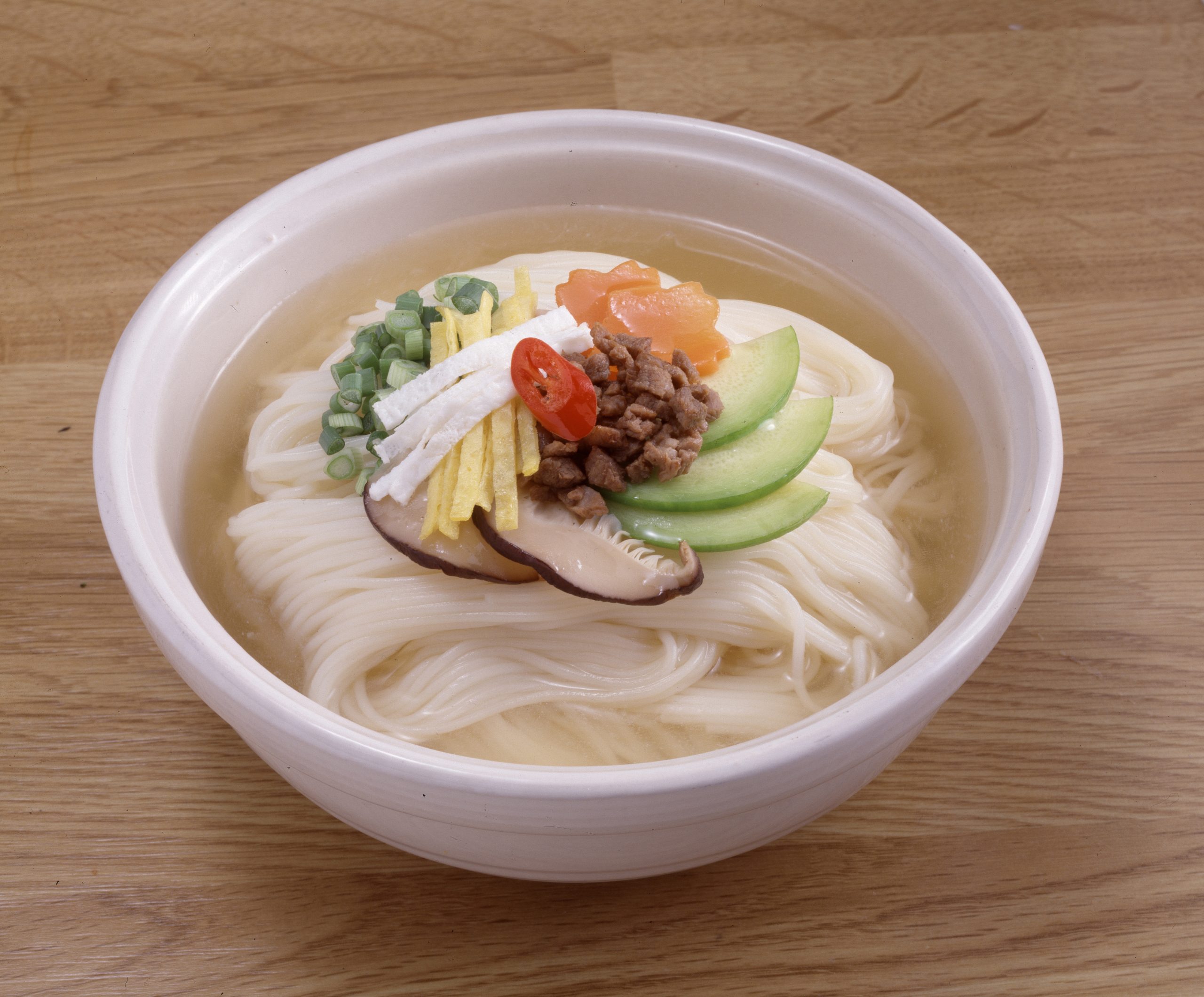
Janchi-guksu (잔치국수) – Banquet Noodles: Janchi-guksu represents Korean celebration noodle tradition featuring thin wheat noodles in clear, warm broth that serves essential functions in Korean celebrations including birthdays, weddings, and community gatherings while demonstrating traditional Korean values of longevity, prosperity, and community sharing.
Traditional janchi-guksu preparation emphasizes simplicity and comfort through clear broth, tender noodles, and minimal but meaningful accompaniments that create satisfying warmth while maintaining cultural significance and traditional preparation methods that connect contemporary celebration with traditional Korean customs.
Cultural Significance: Janchi-guksu serves symbolic functions including longevity wishes, prosperity hopes, and community bonding that transform simple noodle preparation into cultural ceremony and traditional knowledge transmission through continued practice and cultural education.
Myeolchi-guksu (멸치국수) – Anchovy Noodles: Traditional Korean noodle preparation featuring anchovy-based broth that provides umami depth while utilizing traditional Korean ingredient knowledge and preparation techniques that create comforting, nutritious meals through traditional Korean cooking wisdom and regional specialization.
Myeolchi-guksu demonstrates traditional Korean understanding of broth preparation, flavor development, and ingredient utilization that creates satisfying results while maintaining authentic Korean taste characteristics and cultural significance through traditional preparation methods and regional variations.
Yukgaejang-guksu (육개장국수) – Spicy Beef Noodles: Korean spicy beef noodle preparation featuring traditional yukgaejang soup base with noodles that creates hearty, warming meals while demonstrating traditional Korean soup-making expertise and spice balance that provides substantial nutrition and cultural satisfaction.
Specialty Regional Noodle Traditions
Milmyeon (밀면) – Busan Wheat Noodles: Busan’s distinctive cold wheat noodle tradition developed as regional adaptation that reflects local climate preferences and cultural innovation while maintaining Korean noodle culture principles and creating unique regional identity through distinctive preparation methods and cultural significance.
Milmyeon represents regional Korean noodle innovation that adapts traditional principles to local conditions while creating authentic regional specialization that contributes to broader Korean noodle culture diversity and regional identity preservation through continued traditional practice and cultural transmission.
Traditional Milmyeon Characteristics: Busan milmyeon features wheat noodles with distinctive texture and regional broth preparation that creates unique regional flavors while maintaining Korean noodle culture principles and traditional preparation methods adapted to local preferences and resources.
Makguksu (막국수) – Buckwheat Noodles: Traditional Korean buckwheat noodle preparation featuring cold or warm serving options that demonstrate traditional grain utilization and regional specialization while providing nutritious, satisfying meals that showcase traditional Korean agricultural knowledge and preparation techniques.
Makguksu preparation often emphasizes buckwheat’s natural characteristics through minimal processing and traditional accompaniments that create authentic flavors while maintaining nutritional benefits and cultural significance that connect contemporary consumption with traditional Korean agricultural wisdom.
Regional Makguksu Variations: Different Korean regions developed distinctive makguksu preparations that reflect local ingredients and cultural preferences while maintaining buckwheat noodle traditions and cultural significance through regional specialization and traditional knowledge preservation.
Contemporary Korean Noodle Innovations
Fusion Noodle Developments: Contemporary Korean noodle culture includes fusion innovations that maintain traditional Korean flavoring principles while incorporating international techniques and ingredients that create new varieties while preserving cultural authenticity and traditional knowledge within innovative presentations.
Fusion Korean noodles often combine traditional Korean noodle bases with contemporary ingredients and techniques while maintaining essential Korean taste characteristics and cultural significance that preserve traditional knowledge within contemporary innovation frameworks.
Health-Conscious Noodle Adaptations: Modern Korean noodle culture includes health-conscious adaptations featuring organic ingredients, reduced sodium preparations, and enhanced nutritional content that respond to contemporary dietary awareness while maintaining traditional Korean noodle flavors and cultural significance.
Health-conscious adaptations often maintain traditional preparation principles while adapting ingredients and processing methods that balance traditional knowledge with contemporary nutritional understanding and lifestyle requirements that support traditional knowledge preservation within contemporary contexts.
Regional Korean Noodle Specializations
Seoul Metropolitan Noodle Culture
Urban Noodle Innovation: Seoul noodle culture combines traditional Korean varieties with contemporary innovation and international influences while maintaining cultural authenticity through skilled preparation and traditional knowledge preservation that serves diverse urban demographics and cultural education needs.
Seoul noodle establishments often emphasize quality traditional preparation alongside contemporary innovation that provides comprehensive noodle culture experiences while maintaining authentic Korean flavors and traditional techniques that preserve cultural knowledge within urban contexts.
Premium Noodle Restaurant Development: Seoul includes specialized noodle restaurants that elevate traditional Korean noodle culture through premium ingredients, skilled preparation, and cultural education that demonstrates traditional knowledge while providing luxury experiences that honor Korean noodle heritage and cultural significance.
Busan Coastal Noodle Traditions
Maritime Climate Adaptations: Busan noodle culture adapts traditional Korean noodle preparation to coastal climate conditions and cultural preferences while creating regional specializations that reflect local ingredients and lifestyle patterns that distinguish Busan noodle culture within broader Korean noodle traditions.
Busan’s milmyeon tradition demonstrates regional innovation that maintains Korean noodle culture principles while adapting to local conditions and preferences that create authentic regional identity and cultural significance through traditional knowledge application and regional specialization.
Seafood Integration: Busan noodle culture often incorporates seafood elements that reflect coastal location and maritime culture while maintaining traditional Korean noodle preparation principles and cultural significance that create unique regional varieties and cultural experiences.
Mountain Region Noodle Traditions
Highland Agricultural Adaptations: Korean mountain regions developed noodle varieties adapted to colder climates and different agricultural conditions while maintaining traditional Korean noodle culture principles through local ingredient utilization and cultural preservation that demonstrates regional adaptation within unified cultural framework.
Mountain region noodle culture often emphasizes buckwheat and other highland grains while creating warming preparations appropriate for climate conditions and traditional lifestyle patterns that preserve traditional knowledge and regional identity through continued practice.
Traditional Grain Utilization: Mountain region noodle traditions often feature traditional Korean grains including various buckwheat varieties and regional specialties that demonstrate agricultural diversity while preserving traditional knowledge and cultural heritage through continued cultivation and preparation practice.
Jeolla Province Noodle Excellence
Culinary Sophistication: Jeolla Province noodle culture reflects the region’s reputation for culinary excellence through sophisticated preparation techniques, premium ingredients, and traditional knowledge preservation that creates exceptional noodle experiences while maintaining authentic Korean cultural characteristics.
Jeolla noodle preparations often emphasize bold flavors, traditional techniques, and cultural significance that demonstrate regional culinary expertise while contributing to broader Korean noodle culture through traditional knowledge preservation and cultural transmission.
Traditional Technique Preservation: Jeolla Province maintains many traditional Korean noodle preparation techniques through family businesses, cultural preservation efforts, and educational programs that ensure traditional knowledge transmission while adapting to contemporary contexts and maintaining cultural authenticity.
Korean Noodle Preparation Techniques and Traditional Knowledge
Traditional Noodle Making Methods
Hand-Pulling Techniques: Traditional Korean noodle production includes sophisticated hand-pulling methods that create distinctive textures and lengths while requiring skilled technique and traditional knowledge that connects noodle preparation with cultural craftsmanship and community expertise transmission through continued practice.
Buckwheat Processing Expertise: Korean noodle culture includes specialized buckwheat processing techniques that maximize grain characteristics while creating optimal noodle texture through traditional knowledge about grinding, mixing, and preparation timing that preserves grain quality and cultural authenticity.
Buckwheat processing requires understanding optimal grinding techniques, proper hydration methods, and traditional equipment utilization that creates authentic Korean buckwheat noodle characteristics while maintaining nutritional benefits and cultural significance through traditional knowledge application.
Traditional Equipment Utilization: Korean noodle production traditionally utilizes specific equipment including traditional grinding stones, mixing tools, and forming implements that create distinctive results while preserving traditional techniques and cultural knowledge through continued equipment utilization and maintenance.
Traditional equipment often requires skilled operation and maintenance that preserves traditional knowledge while creating superior results compared to modern industrial production through continued traditional technique application and cultural practice preservation.
Broth Preparation and Seasoning Excellence
Traditional Korean Broth Making: Korean noodle culture includes sophisticated broth preparation techniques using traditional ingredients including anchovies, kelp, vegetables, and traditional seasonings that create complex, satisfying flavors while maintaining authentic Korean taste characteristics and cultural significance.
Anchovy Broth Mastery: Traditional Korean anchovy broth preparation requires understanding proper selection, preparation timing, and extraction techniques that create optimal umami flavors while maintaining clear appearance and traditional Korean taste characteristics that distinguish authentic preparation.
Traditional broth preparation often involves extended cooking periods, careful ingredient timing, and traditional technique application that creates restaurant-quality results while preserving traditional knowledge and cultural authenticity through continued practice and skill development.
Seasonal Broth Adaptations: Korean noodle broth preparation adapts to seasonal conditions and ingredient availability while maintaining traditional flavor principles through seasonal ingredient substitution and preparation modification that demonstrates traditional knowledge and cultural wisdom about optimal seasonal nutrition.
Modern Equipment Integration with Traditional Techniques
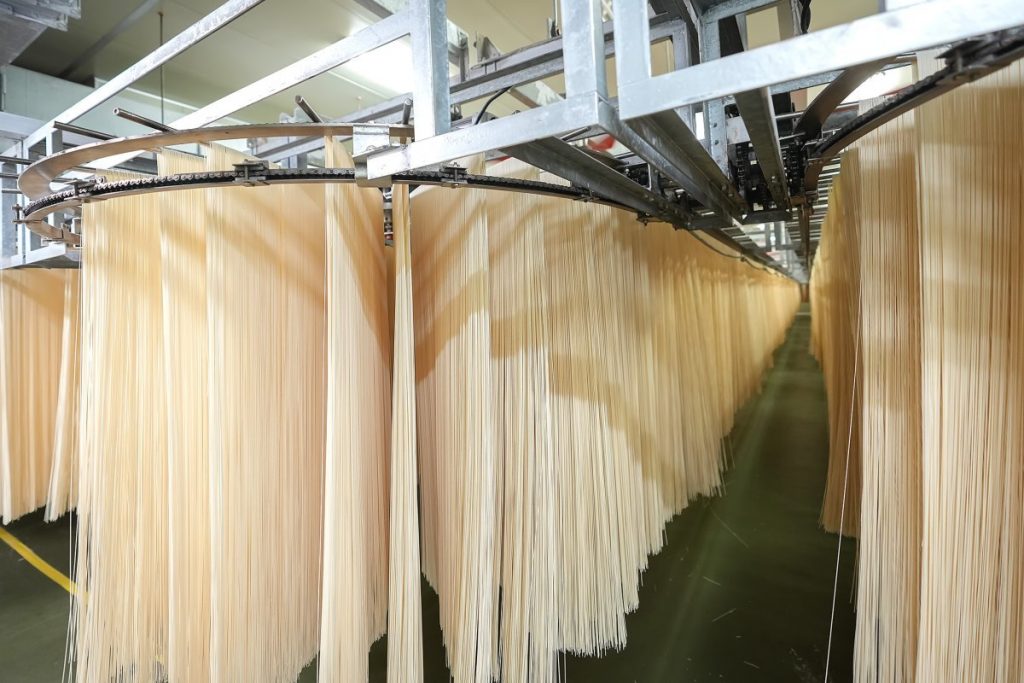
Quality Control and Consistency: Contemporary Korean noodle production integrates modern equipment with traditional techniques while maintaining authentic flavors and cultural significance through skilled application that enhances traditional methods without compromising essential cultural characteristics and traditional knowledge preservation.
Modern equipment integration includes precision temperature control, consistent grinding results, and enhanced sanitation that improves traditional Korean noodle production while preserving cultural authenticity and traditional knowledge within contemporary production contexts.
Traditional Knowledge Preservation: Modern Korean noodle production emphasizes traditional knowledge preservation through continued technique practice, cultural education, and skilled practitioner training that ensures cultural continuity while adapting to contemporary conditions and market requirements.
Seasonal Korean Noodle Culture and Consumption Patterns
Summer Cooling Noodle Traditions
Naengmyeon Season: Korean summer noodle culture emphasizes cold noodle consumption that provides essential cooling and nutrition during hot weather periods while demonstrating traditional Korean understanding of seasonal dietary requirements and food’s role in climate adaptation through appropriate temperature and ingredient selection.
Summer naengmyeon consumption typically peaks during hottest periods while providing psychological and physical cooling through traditional knowledge about temperature contrast and seasonal nutrition that supports health and comfort during challenging weather conditions.
Seasonal Preparation Adaptations: Summer noodle preparation often includes enhanced cooling techniques, ice utilization, and seasonal ingredient additions that optimize cooling effects while maintaining traditional Korean flavors and cultural significance that adapt traditional knowledge to seasonal requirements and contemporary needs.
Winter Warming Noodle Comfort
Hot Noodle Soup Traditions: Korean winter noodle culture emphasizes warming preparations that provide comfort and substantial nutrition during cold weather while demonstrating traditional understanding of seasonal dietary requirements and food’s role in maintaining health and energy during challenging climate conditions.
Winter noodle preparations often include heartier broths, warming spices, and additional proteins that create satisfying warmth while maintaining traditional Korean flavors and cultural significance that demonstrate seasonal wisdom and traditional knowledge about appropriate winter nutrition.
Traditional Winter Ingredients: Winter Korean noodle preparations often utilize preserved ingredients, traditional winter vegetables, and warming seasonings that reflect traditional Korean preservation techniques and seasonal ingredient utilization while maintaining cultural authenticity and traditional knowledge preservation.
Spring and Autumn Transitional Noodle Culture
Seasonal Transition Foods: Korean noodle culture includes seasonal transition preparations that support health during weather changes while providing appropriate nutrition and comfort through traditional knowledge about seasonal dietary adjustments and ingredient timing that optimize health and cultural satisfaction.
Spring Renewal Noodles: Spring noodle preparations often emphasize fresh ingredients, lighter preparations, and seasonal vegetables that support traditional Korean understanding of spring detoxification and dietary renewal after winter preserved food consumption.
Autumn Harvest Celebrations: Autumn noodle culture often incorporates harvest ingredients and traditional celebration foods that connect noodle consumption with agricultural cycles and cultural celebrations while maintaining traditional knowledge and community customs.
Contemporary Korean Noodle Innovation and Trends
Health-Conscious Noodle Development
Organic and Premium Ingredients: Contemporary Korean noodle culture increasingly emphasizes organic ingredients, premium grain varieties, and health-conscious preparation methods that maintain traditional flavors while responding to contemporary dietary awareness and lifestyle requirements.
Organic Korean noodle production often includes traditional grain varieties, chemical-free processing, and sustainable farming support that creates superior flavors while supporting environmental consciousness and traditional agricultural preservation through continued cultivation and market support.
Reduced Sodium and Enhanced Nutrition: Modern Korean noodle adaptations include reduced sodium preparations, enhanced protein content, and nutritional supplementation that respond to health consciousness while maintaining traditional Korean flavors and cultural significance through skilled preparation and ingredient selection.
Fusion and International Influence
Korean-International Noodle Fusion: Contemporary Korean noodle culture includes fusion varieties that maintain Korean flavor foundations while incorporating international ingredients and techniques that create new experiences while preserving cultural authenticity and traditional knowledge within innovative presentations.
Successful fusion applications typically maintain Korean noodle preparation principles while adapting flavors, ingredients, and presentations that appeal to diverse palates while preserving essential Korean characteristics and cultural significance that distinguish authentic Korean noodle culture.
Global Korean Noodle Expansion: Korean noodle culture increasingly expands internationally through restaurant development, cultural education, and authentic ingredient availability that introduces global audiences to traditional Korean noodle culture while building international appreciation and cultural understanding.
Technology Integration and Modern Production
Advanced Production Techniques: Modern Korean noodle production integrates advanced technology with traditional knowledge while maintaining authentic flavors and cultural significance through skilled application that enhances traditional methods without compromising essential cultural characteristics.
Technology integration includes precision equipment, quality control systems, and enhanced preservation that improves traditional Korean noodle production while maintaining cultural authenticity and traditional knowledge preservation within contemporary production contexts.
Digital Innovation and Cultural Education: Contemporary Korean noodle culture incorporates digital innovation including online education, cultural content creation, and virtual experiences that share traditional knowledge while building appreciation and cultural understanding among diverse audiences through accessible educational formats.
Korean Noodle Dining Culture and Social Customs
Traditional Noodle Consumption Customs
Community and Family Noodle Culture: Korean noodle culture emphasizes community and family consumption through shared preparation, collective dining, and traditional customs that strengthen social bonds while preserving cultural knowledge and values through food-centered social interaction and traditional practice continuation.
Traditional Korean noodle dining includes specific etiquette, sharing customs, and social protocols that demonstrate respect for traditional knowledge while creating meaningful social experiences that connect participants with Korean cultural values and community traditions.
Celebration and Ceremonial Noodle Functions: Korean noodle culture serves important functions in celebrations and ceremonies including birthdays, weddings, and community events through specific varieties and traditional customs that connect contemporary celebrations with traditional Korean values and cultural significance.
Contemporary Noodle Dining Evolution
Restaurant Culture Development: Contemporary Korean noodle culture includes sophisticated restaurant experiences that provide cultural education, traditional preparation demonstration, and authentic cultural experiences while maintaining traditional knowledge and building appreciation for Korean noodle heritage.
Modern noodle restaurants often combine traditional preparation with contemporary service while maintaining cultural authenticity and educational components that provide comprehensive Korean noodle culture experiences rather than simple food consumption.
Casual and Street Food Applications: Korean noodle culture includes casual consumption through street food vendors, convenience applications, and accessible preparation that maintains traditional flavors while serving contemporary lifestyle requirements and diverse demographic needs.
Practical Korean Noodle Experience Guide
Identifying Authentic Korean Noodle Establishments
Quality Recognition Indicators: Authentic Korean noodle establishments demonstrate quality through traditional preparation methods, appropriate ingredient utilization, and cultural knowledge that creates genuine Korean noodle experiences while preserving traditional techniques and cultural significance.
Quality indicators include traditional preparation visibility, appropriate ingredient quality, reasonable pricing that reflects authentic positioning, and service that includes cultural knowledge and traditional preparation understanding that distinguishes authentic establishments from commercial adaptations.
Regional Specialization Recognition: Understanding regional Korean noodle specializations helps identify authentic varieties and preparation methods while building appreciation for Korean cultural diversity and traditional knowledge preservation through regional identity and specialization recognition.
Seasonal Timing and Optimal Experiences
Seasonal Noodle Consumption: Optimal Korean noodle experiences coordinate with seasonal patterns that determine appropriate varieties, preparation methods, and consumption timing while connecting participants with traditional Korean seasonal wisdom and cultural customs through authentic seasonal coordination.
Summer naengmyeon experiences optimize during peak hot weather while winter warming noodle varieties provide optimal comfort during cold periods, demonstrating traditional knowledge about seasonal appropriateness and cultural timing that enhance authentic cultural experiences.
Budget Planning and Value Understanding
Korean Noodle Pricing Structure: Korean noodle pricing typically reflects preparation complexity, ingredient quality, and cultural authenticity while providing excellent value compared to other dining options through substantial portions, nutritional density, and cultural experience value.
Budget Guidelines:
- Traditional Noodle Establishments: 8,000-15,000 won per person for authentic experiences
- Premium Noodle Restaurants: 15,000-25,000 won per person for sophisticated preparation
- Casual Noodle Dining: 5,000-10,000 won per person for accessible authentic options
- Regional Specialties: 10,000-20,000 won per person for authentic regional experiences
Budget planning should emphasize cultural experience value and traditional knowledge appreciation rather than simple food costs while understanding preparation complexity and cultural significance that justify pricing and provide comprehensive cultural experiences.
STELLA’S LOCAL SECRET The “Korean Noodle Season Strategy” Experience different Korean noodles according to traditional seasonal timing: naengmyeon during July-August heat peaks for authentic cooling experience, janchi-guksu during winter celebrations for traditional warmth, and makguksu during autumn for buckwheat harvest season appreciation. This seasonal approach provides authentic cultural experiences while optimizing traditional flavor and cultural significance understanding.
Frequently Asked Questions
Q: What’s the difference between naengmyeon and milmyeon? Naengmyeon uses buckwheat or starch noodles with traditional cold broth from northern Korea, while milmyeon uses wheat noodles and was developed in Busan as regional adaptation. Naengmyeon has chewier texture and more traditional flavor, while milmyeon offers softer wheat noodles with regional Busan characteristics and milder taste.
Q: Can I make authentic Korean noodles at home? Basic Korean noodles like janchi-guksu are achievable at home with proper ingredients. However, authentic naengmyeon requires specialized buckwheat noodles and traditional broth preparation that’s challenging without proper equipment. Start with simpler varieties and gradually learn traditional techniques through practice and cultural education.
Q: Why do Koreans eat naengmyeon in winter sometimes? While traditionally summer food, some Koreans enjoy naengmyeon year-round, especially in heated indoor environments. The temperature contrast provides refreshing experience, and traditional Korean medicine concepts suggest cold foods can balance body heat. It’s personal preference rather than strict seasonal requirement.
Q: What’s the proper way to eat Korean noodles? Use chopsticks to lift noodles, don’t cut them (symbolically represents longevity), make some slurping sounds (shows appreciation), and finish the broth to show respect for preparation. For naengmyeon, mix thoroughly before eating if served with sauce, and enjoy accompaniments like Korean pear and egg.
Q: Are Korean noodles healthier than other noodle types? Korean noodles often use buckwheat (high protein, fiber), emphasize vegetable accompaniments, and include fermented elements providing probiotics. Traditional Korean noodle meals are typically well-balanced with vegetables and protein, though sodium content can be high in some broth-based varieties.
Q: Where can I find authentic Korean noodle ingredients? Korean grocery stores carry authentic noodles, gochujang, and other ingredients. Online retailers provide broader selection including specialized buckwheat noodles and traditional seasonings. Some ingredients can be substituted, but authentic varieties create more traditional flavors and cultural experiences.
Q: What Korean noodle dish should beginners try first? Janchi-guksu offers mild, approachable introduction with simple, comforting flavors. Bibim-naengmyeon provides Korean spice experience with adjustable heat levels. Avoid very traditional varieties like dongchimi-guksu initially, as they require acquired taste and cultural context for full appreciation.
Q: How do I know if a Korean noodle restaurant is authentic? Look for Korean clientele, traditional preparation methods visible in kitchen, appropriate regional specializations, and reasonable pricing reflecting local rather than tourist positioning. Authentic establishments often display preparation knowledge and cultural understanding through service and food quality.
Q: Can vegetarians enjoy Korean noodle culture? Many Korean noodles can be vegetarian with ingredient modifications. Traditional broths often use anchovy or meat, but vegetable-based alternatives exist. Inform restaurants about dietary requirements – many can accommodate while maintaining authentic flavors through vegetable-based preparations and traditional seasonings.
Q: What’s the cultural significance of long noodles in Korean culture? Long noodles symbolize longevity and prosperity in Korean culture, especially important for birthday celebrations and special occasions. Cutting noodles is avoided as it symbolically shortens life. This cultural significance makes noodle dishes essential for celebrations and demonstrates food’s symbolic importance beyond nutrition.
Conclusion: Celebrating Korea’s Noodle Heritage Through Cultural Understanding
You now possess comprehensive knowledge to approach Korean noodle culture with deep understanding of what makes Korean noodle traditions represent agricultural heritage, regional diversity, and cultural wisdom that transforms simple grain products into expressions of community values, seasonal awareness, and traditional knowledge connecting contemporary dining with centuries of Korean culinary evolution and cultural preservation.
You’ve learned exactly what distinguishes different Korean noodle varieties through traditional preparation techniques, regional specializations, and cultural significance, why specific noodle types serve different seasonal and social functions while maintaining Korean cultural identity, how traditional noodle-making knowledge creates distinctive textures and flavors while preserving cultural authenticity, and what appropriate noodle appreciation demonstrates about Korean cultural understanding and traditional knowledge respect.
You understand Korean noodle culture’s development through historical influences, regional adaptations, and contemporary innovations while gaining practical knowledge including noodle identification, seasonal consumption patterns, cultural customs, and authentic establishment recognition that enhance meaningful Korean noodle experiences and cultural understanding.
Most importantly, you understand that Korean noodle culture represents far more than diverse food options. It preserves Korean agricultural traditions while serving essential cultural functions including regional identity preservation, seasonal wisdom transmission, community building, and traditional knowledge maintenance that connects contemporary Koreans with agricultural heritage and cultural values through continued practice and cultural transmission.
Walking into authentic Korean noodle establishments means participating in living cultural tradition where traditional preparation techniques continue preserving agricultural knowledge, where seasonal noodle customs connect participants with traditional Korean seasonal wisdom, where regional specializations maintain local heritage while contributing to national cultural identity.
Your thoughtful engagement with Korean noodle culture supports traditional knowledge preservation while contributing to cultural understanding and heritage appreciation that benefits both Korean cultural preservation and international cultural exchange through respectful participation in traditional customs that demonstrate cultural sophistication and agricultural wisdom recognition.
The Korean noodle experience awaits through authentic restaurants, traditional preparation learning, seasonal variety exploration, and regional specialization discovery. Traditional noodle-making knowledge continues preserving agricultural heritage while contemporary innovations expand accessibility and cultural appreciation. Regional varieties continue maintaining local identity while contributing to unified Korean cultural heritage. Your Korean noodle culture journey is about to begin.