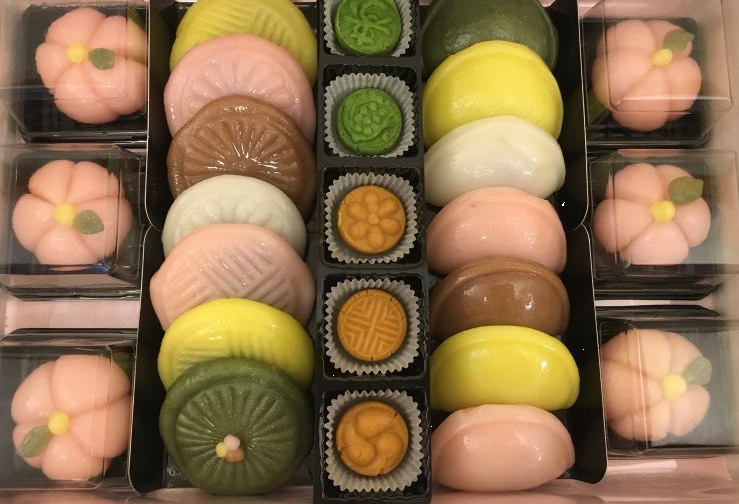
Discovering Korea’s Ancient Sweet Heritage
Have you ever wondered why Korean rice cake culture represents thousands of years of agricultural wisdom while creating edible art that celebrates life’s most important moments through ceremonial preparations, seasonal celebrations, and family traditions, what makes Korean tteok-making techniques develop incredible variety from simple rice while demonstrating traditional Korean craftsmanship and cultural creativity that transforms basic grain into rainbow-colored celebrations of Korean aesthetic principles, how traditional Korean rice cake varieties reflect deep cultural meanings and seasonal cycles that connect contemporary celebrations with ancient Korean rituals and agricultural heritage through continued practice and cultural preservation, and why understanding Korean rice cake culture provides essential insight into Korean ceremonial life, artistic expression, and community values that make simple rice preparation into profound expressions of cultural identity and traditional wisdom?
Where ancient Korean agricultural knowledge meets traditional craftsmanship through rice cake preparations that require precise technique while creating stunning visual presentations that demonstrate Korean aesthetic sophistication, where traditional Korean ceremonies express cultural values through specific rice cake varieties that serve symbolic functions in life celebrations and seasonal observances while preserving cultural meaning through continued preparation and consumption traditions? Where Korean family traditions connect generations through rice cake making that requires skill transmission and cultural knowledge while creating opportunities for intergenerational bonding and cultural education through hands-on participation in traditional preparation methods and cultural storytelling?
Korean Rice Cake Culture (한국 떡 문화) offers exactly this extraordinary intersection of agriculture, artistry, ceremony, and cultural preservation – but only if you understand what makes Korean rice cake tradition unique beyond “Korean sweets,” why specific rice cake varieties serve particular ceremonial and seasonal functions while maintaining cultural authenticity, how traditional tteok-making techniques create distinctive textures and presentations while preserving cultural significance, and what distinguishes authentic Korean rice cake culture from simplified commercial adaptations that miss essential cultural meaning and traditional preparation wisdom.
For cultural heritage enthusiasts especially, Korean rice cake culture presents fascinating complexity because unlike simple confectionery, Korean tteok tradition encompasses complete cultural system including ceremonial customs, seasonal observances, family traditions, and artistic expression that transforms rice preparation into cultural education and traditional knowledge preservation through authentic participation and respectful appreciation.
Most people approach Korean rice cakes as exotic Asian sweets without understanding sophisticated traditional techniques behind rice cake production, ceremonial significance that makes specific varieties essential for cultural celebrations and family traditions, seasonal rice cake customs that reflect Korean agricultural wisdom and traditional calendar observances, or artistic traditions surrounding rice cake presentation and cultural meaning that demonstrate Korean aesthetic principles and cultural values through edible art creation.
I understand that superficial engagement completely. My first Korean rice cake experiences (tourist market purchases and restaurant desserts) provided interesting tastes but missed entirely the ceremonial importance, traditional preparation knowledge, and cultural significance that make authentic Korean rice cake culture represent broader Korean approaches to celebration, artistry, and cultural preservation through food preparation and traditional customs that strengthen cultural identity and community bonds.
That’s why this comprehensive guide exists. I’m going to share everything you need to transform Korean rice cakes from exotic sweets into understanding of Korean cultural artistry that demonstrates traditional craftsmanship, ceremonial wisdom, and community values through accessible, beautiful format. You’ll learn exactly what makes different Korean rice cake varieties distinctive, why specific tteok types serve particular cultural and ceremonial functions while maintaining traditional authenticity, how traditional rice cake-making knowledge creates optimal textures and presentations while preserving cultural significance, and what appropriate rice cake appreciation demonstrates about Korean cultural understanding and ceremonial respect.
You’ll understand Korean rice cake culture’s importance through ceremonial traditions, seasonal customs, and contemporary preservation while gaining practical knowledge including rice cake identification, cultural significance appreciation, preparation technique understanding, and ceremonial customs that enhance authentic Korean cultural experiences. By the end of this guide, you’ll know how to appreciate Korean rice cakes with understanding that transforms simple sweet consumption into cultural education, traditional preparation techniques into recognition of Korean craftsmanship, and ceremonial participation into authentic cultural experience and traditional knowledge preservation.
Most importantly, you’ll grasp why Korean rice cake culture matters beyond delicious sweets – as preservation of Korean ceremonial traditions, demonstration of Korean artistic heritage, and expression of Korean community values that enriches human understanding of food’s role in ceremony, artistry, and cultural identity through continued practice and traditional knowledge transmission across generations.
Historical Origins and Cultural Significance of Korean Rice Cakes
Ancient Korean Rice Cultivation and Tteok Development
Early Korean Rice Culture Foundation: Korean rice cake tradition traces back over 2,000 years to early Korean Peninsula rice cultivation that established rice as sacred grain central to Korean agricultural and spiritual life while creating foundations for ceremonial food preparation and cultural expression through rice-based cooking and traditional preparation techniques.
Ancient Korean rice cultivation required sophisticated agricultural knowledge including water management, seasonal timing, and community cooperation that created cultural reverence for rice while establishing rice-based foods as essential elements of Korean cultural identity and traditional ceremony through continued agricultural practice and cultural preservation.
Early Korean communities developed rice processing techniques including various grinding methods, steaming preparations, and shaping techniques that created distinctive rice cake varieties while preserving traditional knowledge and cultural customs through hands-on participation and intergenerational skill transmission.
Spiritual and Ceremonial Rice Cake Origins: Korean rice cake culture developed deep spiritual significance through traditional Korean beliefs about rice’s sacred properties and ceremonial functions while creating ritual food preparations that connected human celebrations with natural cycles and spiritual practices through traditional Korean cosmology and cultural values.
Traditional Korean Shamanism Integration: Early Korean rice cake preparation often coordinated with shamanistic practices and traditional Korean spiritual beliefs that recognized food’s role in connecting human communities with natural forces and ancestral wisdom through ceremonial preparation and consumption customs.
Traditional spiritual applications included ancestor veneration, seasonal celebrations, and life transition ceremonies that established rice cakes as essential elements of Korean spiritual practice while preserving traditional knowledge and cultural customs through continued ceremonial participation and cultural transmission.
Agricultural Cycle Integration: Korean rice cake tradition closely coordinated with agricultural cycles and seasonal patterns that determined appropriate rice cake varieties and preparation timing while connecting contemporary celebration with traditional Korean agricultural wisdom and seasonal observance through cultural practice continuation.
Traditional seasonal rice cake preparation included harvest celebrations, planting ceremonies, and seasonal transition observances that demonstrated traditional Korean understanding of agricultural timing and natural harmony while preserving cultural knowledge through continued practice and community participation.
Royal Court and Aristocratic Rice Cake Culture
Joseon Dynasty Court Rice Cake Refinement: Korean rice cake culture achieved sophisticated refinement during Joseon Dynasty through royal court patronage and aristocratic development that created elaborate preparation techniques, artistic presentation methods, and cultural protocols that elevated rice cake preparation into high art while preserving traditional knowledge and cultural significance.
Royal Court Ceremonial Applications: Joseon royal court utilized rice cakes in state ceremonies, diplomatic functions, and cultural celebrations that demonstrated Korean cultural sophistication while establishing formal protocols and artistic standards that influenced broader Korean rice cake culture development.
Court rice cake preparation required skilled artisans, premium ingredients, and sophisticated techniques that created visually stunning and culturally significant presentations while preserving traditional knowledge and establishing quality standards that continue influencing Korean rice cake culture.
Aristocratic Family Traditions: Korean aristocratic families developed elaborate rice cake traditions including family-specific varieties, ceremonial customs, and seasonal celebrations that preserved cultural knowledge while creating social distinction and cultural education opportunities through traditional preparation participation and cultural transmission.
Aristocratic rice cake culture often included extensive preparation rituals, family recipe preservation, and cultural education that maintained traditional knowledge while creating opportunities for cultural bonding and traditional skill development through hands-on participation and intergenerational teaching.
Folk Culture and Community Rice Cake Traditions
Village Community Rice Cake Culture: Korean village communities developed comprehensive rice cake traditions including community preparation events, seasonal celebrations, and mutual assistance customs that strengthened social bonds while preserving traditional knowledge and cultural practices through collaborative participation and shared cultural experiences.
Community Preparation Events: Traditional Korean communities often organized collective rice cake preparation for major celebrations including harvest festivals, New Year celebrations, and community ceremonies that required cooperative labor while creating opportunities for cultural education and social bonding.
Community rice cake preparation involved skill sharing, resource pooling, and cultural transmission that ensured traditional knowledge preservation while strengthening community relationships and cultural identity through shared cultural practices and traditional custom continuation.
Regional Folk Variations: Different Korean regions developed distinctive rice cake varieties that reflected local agricultural resources, cultural preferences, and traditional knowledge while maintaining fundamental Korean rice cake principles and cultural significance through regional specialization and traditional knowledge preservation.
Regional variations demonstrated Korean cultural diversity while preserving unified traditional preparation principles that created authentic local specializations within broader Korean rice cake culture and traditional knowledge systems.
Traditional Korean Rice Cake Varieties and Cultural Functions
Life Celebration Rice Cakes
Birth and First Birthday Celebrations: Korean rice cake culture includes specific varieties for birth celebrations and first birthday ceremonies that demonstrate family joy while providing cultural blessings and traditional wishes for child prosperity through ceremonial food preparation and traditional customs that preserve cultural values and family traditions.
Baek-il (백일) Rice Cakes: Traditional 100-day celebration rice cakes featuring white rice preparations that symbolize purity, health, and family blessing while demonstrating traditional Korean understanding of childhood milestones and cultural celebration through appropriate ceremonial food preparation.
Traditional baek-il rice cake preparation requires family participation, traditional techniques, and cultural protocols that create meaningful celebration while preserving traditional knowledge and cultural customs through hands-on participation and cultural education.
Dol (돌) First Birthday Rice Cakes: Traditional first birthday celebrations feature elaborate rice cake preparations including rainbow-colored varieties that symbolize bright future while demonstrating family hopes and cultural blessing through traditional preparation methods and ceremonial presentation.
Traditional Dol Rice Cake Significance: First birthday rice cakes serve multiple cultural functions including family celebration, community sharing, and cultural education while providing opportunities for traditional knowledge transmission and cultural bonding through preparation participation and ceremonial customs.
Seasonal and Agricultural Rice Cakes
Chuseok Harvest Festival Rice Cakes: Korean autumn harvest celebration features essential rice cake varieties that demonstrate gratitude for agricultural abundance while connecting contemporary families with traditional Korean agricultural wisdom and seasonal observance through ceremonial food preparation and cultural practice continuation.
Songpyeon (송편): Traditional Chuseok rice cakes featuring various fillings and pine needle steaming that creates distinctive flavor while symbolizing family harmony and agricultural gratitude through traditional preparation methods that require family cooperation and cultural knowledge.
Traditional songpyeon preparation involves family gathering, collaborative shaping, and cultural storytelling that creates opportunities for intergenerational bonding while preserving traditional knowledge and cultural customs through hands-on participation and cultural education.
Seasonal Shape and Color Symbolism: Songpyeon’s half-moon shape represents family completeness and lunar cycle connection while natural coloring demonstrates traditional Korean understanding of seasonal aesthetics and cultural symbolism through edible art creation and traditional knowledge application.
New Year Rice Cake Traditions: Korean New Year celebrations require specific rice cake varieties that provide cultural blessing while demonstrating family unity and traditional wishes for prosperity through ceremonial preparation and consumption customs that preserve cultural values and traditional knowledge.
Garaetteok (가래떡): Traditional white rice cake symbolizing purity and new beginning while serving essential functions in New Year soup preparation that connects contemporary celebration with traditional Korean New Year customs and cultural values through continued practice.
Traditional New Year rice cake preparation often involves family cooperation, traditional techniques, and cultural education that creates meaningful celebration while preserving traditional knowledge and cultural customs through participation and cultural transmission.
Wedding and Ceremonial Rice Cakes
Traditional Korean Wedding Rice Cakes: Korean wedding ceremonies include elaborate rice cake preparations that symbolize couple harmony while demonstrating family blessing and community support through traditional preparation methods and ceremonial presentation that preserve cultural values and marriage customs.
Wedding Rice Cake Symbolism: Traditional wedding rice cakes feature specific colors, shapes, and preparations that represent fertility, harmony, and prosperity while demonstrating traditional Korean understanding of marriage symbolism and cultural blessing through ceremonial food preparation.
Traditional wedding rice cake preparation requires family participation, traditional techniques, and cultural protocols that create meaningful ceremony while preserving traditional knowledge and cultural customs through hands-on preparation and cultural education.
Ancestral Ceremony Rice Cakes: Korean ancestral veneration includes specific rice cake varieties that demonstrate respect and cultural continuity while maintaining connection with traditional Korean spiritual practices and family heritage through ceremonial food preparation and traditional customs.
Traditional ancestral ceremony rice cakes require proper preparation techniques, appropriate presentation, and cultural protocols that demonstrate respect while preserving traditional knowledge and cultural customs through continued ceremonial participation and cultural transmission.
Traditional Korean Rice Cake Making Techniques and Artistry
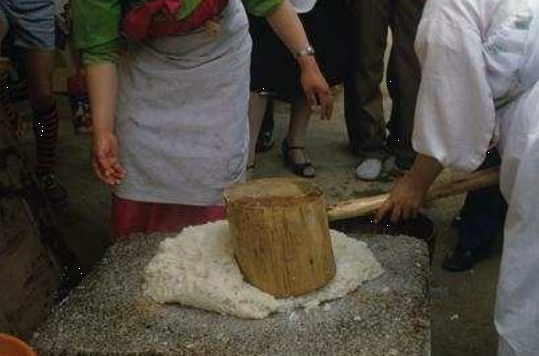
Traditional Preparation Methods and Equipment
Traditional Korean Rice Processing: Korean rice cake preparation begins with sophisticated rice processing techniques including proper grain selection, optimal soaking timing, and traditional grinding methods that create appropriate texture while preserving grain quality and traditional preparation wisdom through continued technique practice and cultural knowledge.
Traditional Grinding Techniques: Authentic Korean rice cake preparation often utilizes traditional stone grinding that creates optimal texture and grain characteristics while preserving traditional knowledge and cultural authenticity through continued traditional equipment utilization and technique preservation.
Traditional rice processing requires understanding optimal timing, proper technique application, and traditional equipment utilization that creates superior results while preserving cultural authenticity and traditional knowledge through continued practice and skill development.
Traditional Steaming and Shaping Methods: Korean rice cake preparation includes sophisticated steaming techniques that create optimal texture while utilizing traditional equipment and methods that preserve cultural authenticity and traditional knowledge through continued traditional preparation practice and technique preservation.
Traditional Steaming Equipment: Authentic Korean rice cake preparation often utilizes traditional bamboo steamers, earthenware vessels, and traditional techniques that create distinctive results while preserving cultural authenticity and traditional knowledge through continued equipment utilization.
Traditional steaming requires understanding proper timing, temperature control, and traditional technique application that creates optimal texture while preserving traditional knowledge and cultural authenticity through continued practice and skill development.
Color Development and Natural Ingredients
Traditional Natural Coloring Techniques: Korean rice cake artistry emphasizes natural coloring using traditional ingredients including various plants, vegetables, and natural materials that create rainbow presentations while demonstrating traditional Korean understanding of natural pigments and cultural aesthetics through edible art creation.
Natural Color Sources:
- Red Colors: Traditional sources including red beans, strawberries, and natural red pigments
- Yellow Colors: Turmeric, pumpkin, and traditional yellow ingredients
- Green Colors: Mugwort, green tea, and traditional green plant materials
- Purple Colors: Purple sweet potatoes and traditional purple ingredients
- White Colors: Natural rice and traditional white preparations
Traditional coloring techniques require understanding ingredient properties, optimal extraction methods, and traditional preparation timing that creates vibrant results while maintaining natural ingredient benefits and cultural authenticity.
Traditional Pattern and Design Creation: Korean rice cake artistry includes sophisticated design techniques that create intricate patterns while demonstrating traditional Korean aesthetic principles and cultural symbolism through edible art creation and traditional craftsmanship preservation.
Traditional design creation requires skilled technique, cultural knowledge, and artistic ability that creates visually stunning results while preserving traditional knowledge and cultural authenticity through continued practice and cultural transmission.
Contemporary Rice Cake Innovation and Preservation
Traditional Technique Preservation: Contemporary Korean rice cake culture emphasizes traditional technique preservation through master craftsperson programs, cultural education, and traditional knowledge documentation that ensures cultural continuity while adapting to contemporary contexts and maintaining cultural authenticity.
Traditional technique preservation includes hands-on training, cultural education, and traditional knowledge transmission that maintains authentic preparation methods while building contemporary appreciation and ensuring cultural continuity through educational programs and cultural preservation efforts.
Modern Equipment Integration: Contemporary Korean rice cake preparation integrates modern equipment with traditional techniques while maintaining authentic results and cultural significance through skilled application that enhances traditional methods without compromising essential cultural characteristics and traditional knowledge preservation.
Modern equipment integration includes improved sanitation, consistent results, and enhanced efficiency while preserving traditional knowledge and cultural authenticity through continued traditional technique application within contemporary production contexts.
Regional Korean Rice Cake Specializations and Local Heritage
Seoul and Central Region Rice Cake Culture
Metropolitan Rice Cake Sophistication: Seoul rice cake culture reflects urban sophistication and cultural refinement through premium ingredients, skilled artisans, and sophisticated preparation techniques that maintain traditional knowledge while serving diverse urban demographics and cultural education needs through quality establishments and cultural programs.
Seoul rice cake establishments often combine traditional preparation with contemporary presentation while maintaining cultural authenticity and traditional knowledge preservation that provides comprehensive rice cake culture experiences for both local residents and cultural tourists.
Royal Palace Influence: Seoul rice cake culture includes influences from Korean royal court traditions through refined preparation techniques, premium ingredients, and sophisticated presentation that continue influencing contemporary Seoul rice cake culture and artisan development.
Regional Traditional Specializations
Gyeongsang Province Rice Cake Heritage: Gyeongsang Province maintains distinctive rice cake varieties that reflect regional agricultural resources and cultural preferences while preserving traditional knowledge and local heritage through continued preparation practice and cultural transmission.
Regional Gyeongsang rice cake specializations often incorporate local ingredients while maintaining traditional preparation techniques and cultural significance that create authentic regional varieties within broader Korean rice cake culture and traditional knowledge preservation.
Jeolla Province Rice Cake Excellence: Jeolla Province’s culinary reputation extends to rice cake culture through sophisticated preparation techniques, premium ingredients, and cultural traditions that create exceptional rice cake experiences while maintaining authentic Korean cultural characteristics and traditional knowledge preservation.
Jeolla rice cake culture often emphasizes bold flavors, traditional techniques, and cultural significance that demonstrate regional culinary expertise while contributing to broader Korean rice cake culture through traditional knowledge preservation and cultural transmission.
Gangwon Province Mountain Traditions: Gangwon Province mountain regions developed rice cake varieties adapted to highland conditions and traditional mountain lifestyle while maintaining Korean rice cake culture principles through local ingredient utilization and cultural preservation that demonstrates regional adaptation within unified cultural framework.
Mountain region rice cake traditions often incorporate highland ingredients while preserving traditional preparation methods and cultural significance that connect contemporary practice with traditional mountain community culture and agricultural heritage.
Coastal Region Maritime Influences
Traditional Coastal Adaptations: Korean coastal regions developed rice cake varieties that incorporate maritime elements while maintaining traditional Korean rice cake culture principles through regional specialization that reflects local resources and cultural preferences within broader Korean rice cake traditions.
Coastal rice cake culture often includes seafood elements, coastal plant materials, and regional preparation techniques that create distinctive varieties while preserving traditional knowledge and cultural significance through continued regional practice and cultural transmission.
Contemporary Korean Rice Cake Culture and Modern Innovation
Modern Tteok Cafe Culture and Urban Innovation
Contemporary Rice Cake Cafe Development: Modern Korean rice cake culture includes sophisticated cafe concepts that combine traditional preparation with contemporary presentation while maintaining cultural authenticity through skilled artisans and traditional knowledge preservation that serves contemporary urban lifestyle while preserving cultural heritage.
Modern Tteok Cafe Experience: Contemporary rice cake cafes often provide cultural education, traditional technique demonstration, and hands-on preparation opportunities that create comprehensive cultural experiences while preserving traditional knowledge and building contemporary appreciation for Korean rice cake heritage.
Modern cafe culture includes premium ingredient utilization, artistic presentation, and cultural education that maintains traditional knowledge while adapting to contemporary tastes and lifestyle requirements through innovative presentation and service methods.
Instagram-Worthy Presentation Innovation: Contemporary rice cake culture includes social media-optimized presentations that maintain traditional preparation techniques while adapting visual presentation for contemporary sharing culture that builds global appreciation while preserving cultural authenticity and traditional knowledge.
Social media integration often includes educational content, traditional technique sharing, and cultural context provision that promotes authentic appreciation while preserving traditional knowledge and building international interest in Korean rice cake culture.
Health-Conscious Rice Cake Innovation
Organic and Premium Ingredient Focus: Contemporary Korean rice cake culture emphasizes organic rice varieties, natural ingredients, and health-conscious preparation methods that maintain traditional flavors while responding to contemporary dietary awareness and lifestyle preferences through quality ingredient utilization.
Organic rice cake production often includes heritage rice varieties, natural coloring, and traditional preparation methods that create superior flavors while supporting sustainable agriculture and traditional farming preservation through continued market demand and cultural appreciation.
Nutritional Enhancement and Dietary Adaptations: Modern Korean rice cake development includes nutritional enhancements, dietary adaptations, and health-focused innovations that maintain traditional preparation principles while accommodating contemporary dietary requirements including gluten-free, reduced-sugar, and enhanced-nutrition options.
Dietary adaptations often maintain traditional preparation techniques while modifying ingredients and processing methods that preserve cultural authenticity while enabling broader accessibility and contemporary health consciousness.
Cultural Education and Heritage Preservation
Traditional Knowledge Education Programs: Contemporary Korean rice cake culture includes comprehensive education programs that provide hands-on traditional technique learning, cultural context education, and traditional knowledge preservation that ensures cultural continuity while building contemporary appreciation and international understanding.
Educational programs often include traditional preparation workshops, cultural significance explanation, and traditional knowledge sharing that create authentic cultural experiences while preserving traditional knowledge and building cultural appreciation among diverse audiences.
Cultural Tourism Integration: Korean rice cake culture increasingly integrates with cultural tourism through authentic experiences, educational programs, and cultural site integration that provides economic support while preserving traditional knowledge and building international appreciation for Korean cultural heritage through authentic participation opportunities.
Tourism integration includes traditional preparation experiences, cultural context education, and authentic cultural participation that benefits both cultural preservation and international understanding through respectful cultural exchange and traditional knowledge sharing.
Practical Korean Rice Cake Experience and Cultural Participation
Authentic Rice Cake Experience Recognition
Quality Traditional Rice Cake Identification: Authentic Korean rice cakes demonstrate quality through traditional preparation methods, appropriate texture characteristics, and cultural authenticity that distinguish traditional preparation from commercial mass production while maintaining traditional knowledge and cultural significance.
Quality indicators include proper texture, natural coloring, traditional preparation evidence, and cultural context provision that ensure authentic rice cake experiences while supporting traditional knowledge preservation and cultural authenticity maintenance.
Seasonal and Cultural Timing: Optimal Korean rice cake experiences coordinate with traditional seasonal timing and cultural celebrations that provide authentic cultural context while connecting participants with traditional Korean seasonal wisdom and ceremonial customs through appropriate timing and cultural participation.
Traditional Preparation Learning Opportunities
Hands-On Cultural Education: Korean rice cake culture provides numerous hands-on learning opportunities including traditional technique workshops, cultural education programs, and family preparation experiences that enable authentic cultural participation while preserving traditional knowledge through direct experience and cultural transmission.
Learning opportunities often include traditional technique instruction, cultural context education, and traditional knowledge sharing that create comprehensive cultural experiences while preserving traditional knowledge and building authentic appreciation for Korean rice cake heritage.
Cultural Protocol and Respectful Participation: Korean rice cake cultural participation requires understanding appropriate protocols, respectful behavior, and cultural sensitivity that honors traditional knowledge while enabling authentic cultural experience and traditional custom participation through appropriate cultural awareness and respect.
Budget and Planning Considerations
Rice Cake Experience Investment: Korean rice cake cultural experiences typically provide excellent value through comprehensive cultural education, traditional knowledge access, and authentic cultural participation that offers significant cultural learning alongside enjoyable experiences through traditional preparation and cultural education.
Budget Guidelines:
- Traditional Rice Cake Cafes: 15,000-25,000 won per person for quality experiences
- Cultural Preparation Workshops: 30,000-50,000 won per person for hands-on learning
- Premium Traditional Establishments: 20,000-40,000 won per person for authentic experiences
- Seasonal Festival Participation: Variable pricing for cultural festival experiences
Budget planning should emphasize cultural education value and traditional knowledge access rather than simple food costs while understanding comprehensive cultural experiences that include traditional knowledge preservation and cultural education alongside rice cake consumption.
STELLA’S LOCAL SECRET The “Korean Rice Cake Cultural Calendar Strategy” Experience different Korean rice cake varieties according to traditional seasonal calendar: songpyeon during Chuseok (September-October) for authentic harvest celebration, New Year rice cakes during Seollal for traditional blessing, and seasonal varieties throughout the year. Visit traditional markets during major holidays when families prepare ceremonial rice cakes to observe authentic preparation and cultural customs while respecting family traditions and cultural significance.
Frequently Asked Questions
Q: What makes Korean rice cakes different from other Asian rice cakes? Korean tteok emphasizes natural coloring, ceremonial significance, and specific textures through traditional steaming methods. Unlike Japanese mochi (pounded) or Chinese rice cakes (often boiled), Korean rice cakes are typically steamed and shaped, with elaborate cultural symbolism and seasonal coordination that reflects Korean agricultural and ceremonial traditions.
Q: Can I make authentic Korean rice cakes at home without special equipment? Basic Korean rice cakes are possible with regular steaming equipment, though traditional texture requires proper rice preparation and steaming techniques. Start with simpler varieties like basic garaetteok before attempting complex colored or shaped varieties. Traditional equipment creates superior texture, but home adaptation is possible with careful technique.
Q: What’s the cultural significance of different rice cake colors and shapes? Korean rice cake colors have traditional meanings: white represents purity, red symbolizes protection, green indicates health, and yellow means prosperity. Shapes also carry significance: round represents completeness, half-moon (songpyeon) symbolizes family harmony, and long shapes (garaetteok) represent longevity. Understanding symbolism enhances cultural appreciation.
Q: When is it appropriate to give or receive Korean rice cakes? Korean rice cakes are traditional gifts for major celebrations including New Year, first birthdays, weddings, and seasonal festivals. Giving rice cakes demonstrates care and cultural respect, while receiving requires appropriate gratitude. Avoid giving during mourning periods unless specifically appropriate for ancestral ceremonies.
Q: Are Korean rice cakes healthy, and how do they compare nutritionally? Korean rice cakes provide complex carbohydrates, are naturally gluten-free, and often include beneficial ingredients like red beans or natural colorings with antioxidants. However, they’re typically high in carbohydrates and may contain added sugars. Traditional preparation emphasizes natural ingredients and balanced nutrition within cultural dietary patterns.
Q: Where can I find authentic Korean rice cakes outside Korea? Korean grocery stores and specialty Asian markets often carry authentic varieties, especially during major Korean holidays. Some Korean bakeries prepare fresh traditional rice cakes, while Korean cultural centers occasionally offer preparation workshops. Online retailers provide wider selection, though freshness varies significantly.
Q: How long do Korean rice cakes stay fresh, and how should I store them? Traditional Korean rice cakes are best consumed within 2-3 days due to natural ingredients and lack of preservatives. Store in refrigerator wrapped in damp cloth or sealed containers. Some varieties can be frozen, though texture changes occur. Commercial versions may have longer shelf life but different texture and flavor characteristics.
Q: What should I know before participating in Korean rice cake preparation? Preparation requires patience, clean hands, and respectful attention to traditional techniques. Listen carefully to instruction, ask questions appropriately, and show appreciation for cultural knowledge sharing. Understand that traditional preparation is cultural education, not just cooking activity, requiring appropriate respect and cultural sensitivity.
Q: Can vegetarians and people with dietary restrictions enjoy Korean rice cakes? Many Korean rice cakes are naturally vegetarian, using plant-based ingredients and natural colorings. However, some varieties include animal-derived ingredients or are prepared using equipment with cross-contamination. Inform preparation instructors about dietary restrictions, and research specific varieties before consumption or preparation participation.
Q: How do I appreciate Korean rice cake culture authentically without appropriating it? Approach with genuine interest in cultural learning rather than trendy consumption. Understand cultural significance and seasonal appropriateness, show respect for traditional knowledge, and support authentic establishments that preserve traditional techniques. Engage in cultural education opportunities and acknowledge Korean cultural heritage when sharing experiences or knowledge with others.
Conclusion: Celebrating Korea’s Edible Artistry and Cultural Heritage
You now possess comprehensive knowledge to approach Korean rice cake culture with deep understanding of what makes traditional tteok represent agricultural wisdom, ceremonial artistry, and cultural preservation that transforms simple rice preparation into profound expressions of Korean creativity, spiritual values, and community traditions connecting contemporary celebration with thousands of years of Korean cultural heritage and traditional knowledge.
You’ve learned exactly what distinguishes different Korean rice cake varieties through traditional preparation techniques, cultural significance, and ceremonial functions, why specific tteok types serve particular cultural and seasonal purposes while maintaining authentic Korean identity, how traditional rice cake-making knowledge creates distinctive textures and presentations while preserving cultural meaning, and what appropriate rice cake appreciation demonstrates about Korean cultural understanding and ceremonial respect.
You understand Korean rice cake culture’s development through agricultural origins, ceremonial traditions, and contemporary preservation while gaining practical knowledge including rice cake identification, cultural significance appreciation, seasonal timing understanding, and respectful participation methods that enhance authentic Korean cultural experiences and traditional knowledge understanding.
Most importantly, you understand that Korean rice cake culture represents far more than beautiful traditional sweets. It preserves Korean agricultural heritage while serving essential cultural functions including ceremonial celebration, artistic expression, family bonding, and traditional knowledge transmission that connects contemporary Koreans with ancestral wisdom and cultural identity through continued practice and cultural preservation.
Walking into authentic Korean rice cake establishments or cultural preparation experiences means participating in living artistic tradition where traditional techniques continue preserving agricultural knowledge, where ceremonial customs maintain cultural values and spiritual connections, where family traditions strengthen intergenerational bonds while creating opportunities for cultural education and traditional knowledge preservation.
Your thoughtful engagement with Korean rice cake culture supports traditional knowledge preservation while contributing to cultural understanding and heritage appreciation that benefits both Korean cultural preservation and international cultural exchange through respectful participation in traditional customs that demonstrate cultural sophistication and artistic heritage recognition.
The Korean rice cake experience awaits through authentic establishments, traditional preparation workshops, seasonal celebrations, and cultural education programs. Traditional artistry continues preserving cultural knowledge while contemporary innovations expand accessibility and appreciation. Cultural ceremonies continue maintaining spiritual connections while family traditions preserve intergenerational wisdom. Your Korean rice cake culture journey is about to begin.