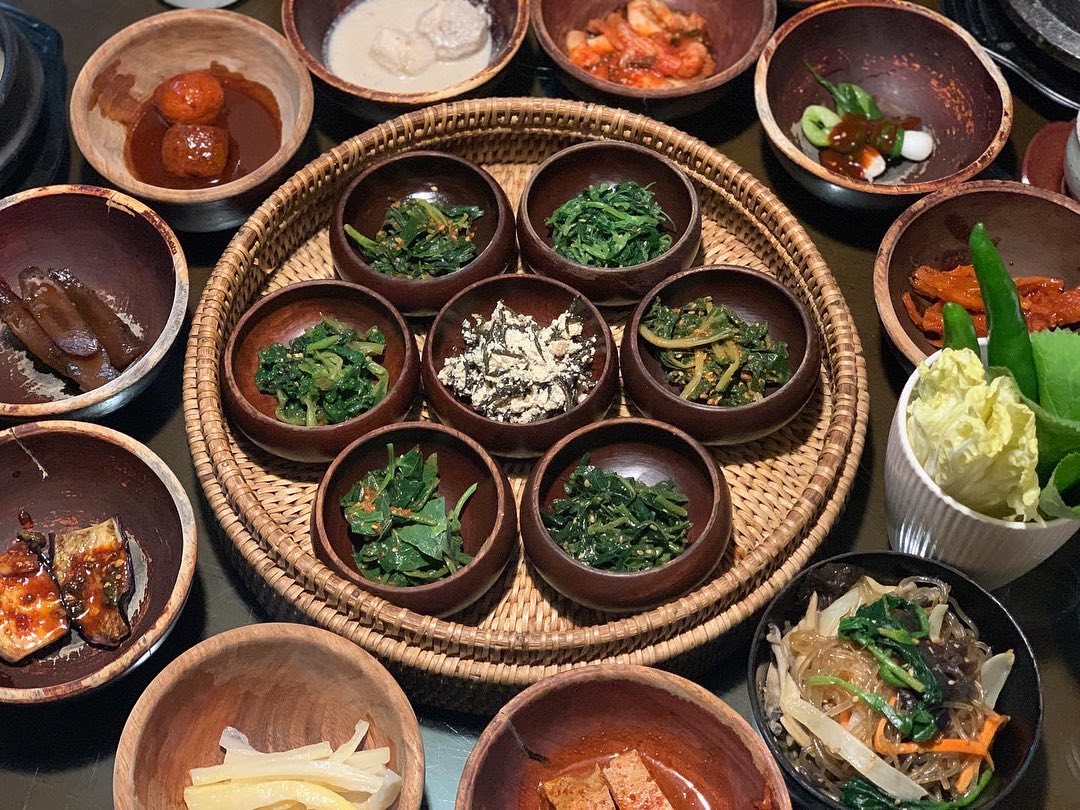
Discovering Korea’s Spiritual Culinary Wisdom
Have you ever wondered why Korean temple food represents one of the world’s most sophisticated vegetarian cuisines while embodying Buddhist principles that transform simple plant-based ingredients into profound expressions of spiritual philosophy, culinary artistry, and holistic health wisdom that connects mindful eating with meditation practice and traditional Korean agricultural knowledge, what makes Korean Buddhist cooking develop incredible complexity from vegetables alone while demonstrating traditional Korean understanding of nutrition science that predates modern dietary research by centuries through continued monastic practice and spiritual discipline, how Korean temple food preparation becomes moving meditation that integrates cooking with spiritual practice while creating nourishing meals that support both physical health and mental clarity through mindful ingredient selection and contemplative preparation methods, and why understanding Korean temple food philosophy provides essential insight into Korean Buddhist culture, holistic health approaches, and sustainable living practices that transform simple meal preparation into spiritual cultivation and environmental harmony?
Where ancient Buddhist wisdom meets Korean agricultural knowledge through temple cooking that creates optimal nutrition while minimizing environmental impact, where traditional Korean seasonal awareness guides temple food preparation through ingredient timing that honors natural cycles while supporting monastic community health and spiritual practice through continued traditional knowledge application and mindful consumption? Where Korean temple food preparation becomes meditation practice that cultivates mindfulness while creating meals that nourish body and spirit through intentional cooking and conscious eating that demonstrates Buddhist principles of compassion, moderation, and environmental stewardship through daily food practice and community cooperation?
Korean Temple Food Philosophy (한국 사찰음식 철학) offers exactly this extraordinary intersection of spirituality, nutrition, artistry, and environmental wisdom – but only if you understand what makes Korean Buddhist cuisine unique beyond “Korean vegetarian food,” why specific temple cooking principles create optimal health outcomes while supporting spiritual development, how traditional temple food preparation integrates meditation practice with culinary excellence while preserving Korean Buddhist cultural heritage, and what distinguishes authentic Korean temple food culture from simplified commercial adaptations that miss essential spiritual significance and traditional knowledge preservation.
For holistic wellness enthusiasts especially, Korean temple food culture presents fascinating complexity because unlike simple vegetarian dining, Korean Buddhist cuisine encompasses complete life philosophy including mindful eating practices, environmental consciousness, spiritual cultivation, and community cooperation that transforms meal preparation and consumption into spiritual practice and personal development through authentic participation and traditional knowledge integration.
Most people approach Korean temple food as interesting vegetarian cuisine without understanding sophisticated Buddhist philosophy behind food preparation, traditional knowledge about plant-based nutrition that creates optimal health outcomes while supporting spiritual development, seasonal temple food customs that reflect Buddhist agricultural wisdom and environmental awareness, or meditation practices surrounding temple cooking that demonstrate Buddhist mindfulness and contemplative living through food preparation and conscious consumption.
I understand that superficial engagement completely. My first Korean temple food experiences (restaurant adaptations and tourist temple visits) provided interesting vegetarian meals but missed entirely the spiritual preparation rituals, Buddhist philosophical foundations, and meditation practices that make authentic Korean temple food culture represent broader Buddhist approaches to mindful living, environmental harmony, and spiritual development through food practice and contemplative cooking that strengthens spiritual discipline and community bonds.
That’s why this comprehensive guide exists. I’m going to share everything you need to transform Korean temple food from exotic vegetarian dining into understanding of Korean Buddhist wisdom that demonstrates spiritual cultivation, holistic health knowledge, and environmental consciousness through accessible, nourishing format. You’ll learn exactly what makes Korean temple food distinctive through Buddhist principles and traditional knowledge, why specific preparation methods create optimal nutrition while supporting spiritual development, how temple food practices integrate meditation with daily life while preserving Korean Buddhist cultural heritage, and what appropriate temple food appreciation demonstrates about Buddhist understanding and spiritual respect.
You’ll understand Korean temple food philosophy’s importance through Buddhist teachings, traditional knowledge, and contemporary health validation while gaining practical knowledge including temple food principles, mindful eating practices, seasonal coordination, and spiritual integration that enhance authentic Buddhist cultural experiences and personal development opportunities. By the end of this guide, you’ll know how to appreciate Korean temple food with understanding that transforms vegetarian dining into spiritual education, cooking practice into meditation, and meal consumption into mindful living demonstration and Buddhist principle application.
Most importantly, you’ll grasp why Korean temple food philosophy matters beyond healthy vegetarian cuisine – as preservation of Korean Buddhist wisdom, demonstration of sustainable living practices, and example of integrated spiritual development that enriches human understanding of food’s role in spiritual cultivation, environmental harmony, and holistic wellness through continued practice and traditional knowledge transmission across monastic generations.
Historical Development of Korean Buddhist Temple Food Culture
Early Buddhist Influence and Korean Temple Food Origins
Buddhist Philosophy Integration with Korean Agriculture: Korean temple food culture traces back over 1,600 years to early Buddhist introduction during Three Kingdoms period that integrated Buddhist dietary principles with Korean agricultural knowledge while creating distinctive Korean Buddhist cuisine that balanced spiritual requirements with local ingredient availability and traditional Korean cooking wisdom through continued monastic practice.
Early Korean Buddhist communities adapted Indian Buddhist dietary restrictions to Korean Peninsula conditions while developing temple food traditions that honored Buddhist compassion principles through plant-based cuisine while utilizing traditional Korean ingredients and preparation methods that created authentic Korean Buddhist food culture distinct from other Buddhist culinary traditions.
Buddhist dietary integration included understanding Five Pungent Vegetables prohibition (garlic, onions, scallions, chives, leeks), alcohol avoidance, and meat restriction while creating flavorful, nutritious cuisine through traditional Korean vegetable utilization, fermentation expertise, and seasonal coordination that demonstrated Korean Buddhist innovation and cultural adaptation.
Monastic Community Development and Food Culture: Korean Buddhist monasteries developed comprehensive food cultures through community cooperation, traditional knowledge preservation, and spiritual discipline integration that created temple food systems supporting monastic life while preserving Buddhist principles and Korean cultural identity through continued traditional practice and community cooperation.
Monastic food culture emphasized seasonal coordination, community labor sharing, and contemplative preparation that integrated food production with spiritual practice while creating self-sufficient temple communities and preserving traditional knowledge about sustainable agriculture and plant-based nutrition through continued monastic practice.
Traditional Korean Temple Architecture and Kitchen Design: Korean Buddhist temples developed sophisticated kitchen designs and food preparation areas that supported community cooking while facilitating contemplative preparation and seasonal coordination that demonstrated traditional Korean understanding of functional architecture and spiritual environment creation through temple facility design and community organization.
Goryeo Dynasty Temple Food Refinement
Royal Patronage and Cultural Development: Goryeo Dynasty (918-1392) Buddhist patronage created temple food culture refinement through royal support, cultural exchange, and monastic education that elevated Korean temple cuisine while preserving spiritual principles and traditional knowledge through institutional support and cultural recognition that established temple food sophistication and artistic development.
Monastic Education and Culinary Knowledge: Goryeo period monasteries became centers of learning that preserved and developed temple food knowledge through systematic education, traditional technique documentation, and cultural exchange that created comprehensive temple food traditions while maintaining spiritual significance and Buddhist principle integration through educational programs and knowledge preservation.
Monastic culinary education included traditional cooking technique training, Buddhist dietary principle instruction, and seasonal coordination knowledge that created skilled temple food practitioners while preserving traditional knowledge and spiritual practices through continued education and cultural transmission within monastic communities.
Regional Temple Specializations: Goryeo period saw regional temple food specializations develop through local ingredient utilization and geographic adaptation while maintaining Buddhist dietary principles and spiritual significance that created diverse temple food traditions within unified Korean Buddhist culture and traditional knowledge systems.
Regional specializations included mountain temple adaptations, coastal temple modifications, and agricultural area integrations that demonstrated Korean temple food adaptability while preserving Buddhist principles and traditional knowledge through regional practice and community cooperation within broader Buddhist cultural framework.
Joseon Dynasty Challenges and Adaptation
Confucian Influence and Buddhist Adaptation: Joseon Dynasty (1392-1910) Confucian emphasis created challenges for Buddhist culture while Korean temples maintained food traditions through adaptation strategies that preserved Buddhist principles and temple food culture within changing political and cultural contexts that required community resilience and cultural preservation efforts.
Buddhist temple communities maintained traditional food practices through discrete continuation, cultural adaptation, and community cooperation that preserved temple food knowledge while adapting to political restrictions and cultural pressure that threatened Buddhist cultural continuity and traditional knowledge preservation.
Temple Food Knowledge Preservation: Joseon period temple communities emphasized traditional knowledge preservation through continued practice, oral transmission, and community education that maintained temple food culture despite external pressures while strengthening internal community bonds and spiritual practices through food culture continuation and traditional knowledge preservation.
Knowledge preservation included traditional recipe maintenance, preparation technique continuation, and spiritual practice integration that ensured temple food culture survival while demonstrating Buddhist community resilience and cultural dedication through continued traditional practice and community cooperation during challenging historical periods.
Modern Korean Temple Food Revival
20th Century Challenges and Recovery: Modern Korean history including Japanese colonization, Korean War, and rapid industrialization created significant challenges for temple food culture while Buddhist communities maintained traditions through community dedication and cultural preservation efforts that demonstrated traditional knowledge resilience and spiritual community strength.
Contemporary temple food revival includes traditional knowledge recovery, cultural education programs, and public awareness development that rebuilds appreciation for Korean temple food while preserving spiritual significance and traditional knowledge through educational outreach and cultural preservation initiatives that serve both Buddhist communities and broader cultural understanding.
Contemporary Health Research Validation: Modern nutritional science validates traditional Korean temple food principles while documenting health benefits and dietary wisdom that confirms Buddhist understanding of food’s role in physical and spiritual wellness through scientific research and nutritional analysis that provides contemporary validation for traditional Buddhist knowledge and practices.
Scientific validation includes research on plant-based nutrition, mindful eating benefits, and holistic health approaches that confirm temple food wisdom while building contemporary appreciation and understanding for Buddhist dietary principles and traditional knowledge through academic research and health studies.
Buddhist Philosophical Foundations of Korean Temple Food
Core Buddhist Principles in Temple Cooking
Compassion and Non-Harm (Ahimsa) in Food Preparation: Korean temple food embodies Buddhist compassion principles through plant-based cuisine that avoids harm to sentient beings while creating nourishing meals that support spiritual development and community health through mindful ingredient selection and ethical food preparation that demonstrates Buddhist values and environmental consciousness.
Compassion principles extend beyond meat avoidance to include mindful harvesting, minimal environmental impact, and grateful consumption that honors plant life and natural resources while creating sustainable food systems that support both spiritual practice and ecological responsibility through continued Buddhist ethical application.
Moderation and Mindful Consumption: Buddhist moderation principles guide temple food portions, preparation methods, and consumption practices that balance nutritional needs with spiritual discipline while preventing excess and promoting mindful eating that supports both physical health and spiritual development through conscious food relationship and disciplined consumption habits.
Mindful consumption includes appropriate portion sizing, grateful eating practices, and waste prevention that demonstrate Buddhist values while creating healthy relationships with food and natural resources through continued mindfulness practice and spiritual discipline application in daily temple life.
Seasonal Harmony and Natural Rhythm: Korean temple food follows Buddhist understanding of natural harmony through seasonal coordination that honors natural cycles while providing optimal nutrition and spiritual support through ingredient timing and traditional knowledge application that connects temple communities with environmental awareness and agricultural wisdom.
Seasonal harmony includes spring renewal emphasis, summer cooling focus, autumn harvest gratitude, and winter nourishment concentration that demonstrates Buddhist environmental awareness while supporting community health and spiritual practice through traditional seasonal coordination and natural rhythm acknowledgment.
Meditation Integration and Contemplative Cooking
Cooking as Moving Meditation: Korean temple cooking transforms food preparation into meditation practice through mindful ingredient handling, contemplative preparation techniques, and present moment awareness that cultivates spiritual development while creating nourishing meals through continued mindfulness practice and spiritual discipline integration.
Contemplative Preparation Techniques:
- Mindful Washing: Cleaning vegetables with full attention and gratitude
- Conscious Cutting: Preparing ingredients with meditation focus and respect
- Present Moment Cooking: Maintaining awareness throughout preparation process
- Grateful Completion: Finishing meals with appreciation and offering intention
Contemplative cooking requires understanding meditation principles, mindfulness techniques, and spiritual discipline application that transforms ordinary food preparation into spiritual practice and personal development opportunity through continued Buddhist training and community guidance.
Silent Preparation and Community Harmony: Korean temple cooking often includes silent preparation periods that cultivate inner stillness while creating community harmony through shared contemplative practice and collective spiritual development that strengthens both individual meditation skills and community bonds through food preparation cooperation and spiritual practice integration.
Silent cooking practices include coordinated preparation timing, nonverbal communication, and shared spiritual focus that creates temple community harmony while developing individual meditation abilities and spiritual discipline through continued practice and community participation in contemplative food preparation.
Buddhist Dietary Restrictions and Korean Adaptations
Five Pungent Vegetables (오신채) Prohibition: Korean temple food avoids Five Pungent Vegetables (garlic, onions, scallions, chives, leeks) according to Buddhist teaching that these ingredients stimulate desires and hinder meditation while developing alternative flavoring methods using traditional Korean ingredients that create complex flavors without prohibited vegetables through traditional knowledge and culinary innovation.
Alternative Flavoring Strategies:
- Fermented Sauces: Traditional Korean fermented products for umami development
- Seasonal Herbs: Mountain vegetables and traditional Korean herbs for complexity
- Natural Seasonings: Sea salt, traditional vinegars, and plant-based seasonings
- Traditional Techniques: Smoking, drying, and fermentation for flavor enhancement
Alternative flavoring requires understanding traditional Korean ingredients, Buddhist dietary principles, and culinary techniques that create satisfying flavors while maintaining spiritual practice requirements through traditional knowledge application and Buddhist principle integration.
Alcohol Avoidance and Fermentation Wisdom: Korean temple food avoids alcohol consumption while utilizing fermentation techniques for food preparation that create beneficial bacteria and enhanced nutrition through traditional Korean fermentation knowledge adapted for Buddhist dietary requirements and spiritual practice support.
Temple fermentation includes kimchi preparation, traditional pickles, and fermented sauces that provide probiotics and enhanced flavors while maintaining Buddhist dietary restrictions through skilled traditional knowledge application and spiritual principle adherence.
Essential Korean Temple Food Categories and Seasonal Preparations
Temple Food Staples and Daily Preparations
Temple Rice and Grain Preparations: Korean temple food emphasizes whole grain nutrition through traditional rice varieties, mixed grain combinations, and ancient grain utilization that provides complete nutrition while supporting spiritual practice through sustained energy and traditional Korean agricultural knowledge preservation.
Traditional Temple Grain Combinations:
- Ogokbap (오곡밥): Five grain rice with nutritional diversity
- Hyeonmi-bap (현미밥): Brown rice for enhanced nutrition and fiber
- Japgok-bap (잡곡밥): Mixed grain combinations for balanced nutrition
- Traditional Porridges: Gentle grain preparations for digestive health
Temple grain preparation requires understanding traditional Korean grain processing, nutritional combinations, and spiritual significance that creates optimal nutrition while honoring agricultural heritage and supporting monastic community health through traditional knowledge application and Buddhist principle integration.
Temple Vegetable Fermentation: Korean temple kimchi and fermented vegetables adapt traditional Korean fermentation techniques while avoiding prohibited ingredients, creating unique temple fermentation culture that provides essential nutrition and beneficial bacteria through Buddhist-appropriate ingredient utilization and traditional knowledge preservation.
Temple Kimchi Variations:
- Mul-kimchi (물김치): Water-based kimchi without prohibited seasonings
- Traditional Temple Pickles: Fermented vegetables using approved ingredients
- Seasonal Fermentation: Adapted traditional techniques for temple dietary requirements
- Wild Vegetable Fermentation: Mountain vegetable preservation using temple methods
Temple fermentation requires understanding Buddhist dietary restrictions, traditional Korean fermentation knowledge, and spiritual practice integration that creates beneficial fermented foods while maintaining religious requirements and traditional cultural knowledge through continued monastic practice.
Seasonal Temple Food Traditions
Spring Mountain Vegetable Cuisine: Korean temple spring food emphasizes wild mountain vegetables that provide essential nutrition after winter while supporting traditional Korean foraging knowledge and seasonal dietary transition through temple community cooperation and traditional ecological wisdom preservation.
Spring Temple Specialties:
- Gosari (고사리): Bracken fern with traditional preparation methods
- Doraji (도라지): Bellflower root for respiratory health
- Naengi (냉이): Shepherd’s purse for spring detoxification
- Dallae (달래): Wild chives providing early spring nutrition
Spring temple food preparation requires understanding mountain ecology, traditional foraging knowledge, and seasonal health principles that support community nutrition while preserving traditional Korean environmental wisdom and Buddhist ecological awareness through continued temple practice.
Summer Cooling Temple Foods: Korean temple summer cuisine provides cooling nutrition through traditional Korean understanding of seasonal dietary requirements while utilizing seasonal vegetables and traditional preparation methods that support community health during hot weather periods through temperature-appropriate food preparation.
Summer Temple Cooling Preparations:
- Cold Soup Varieties: Refreshing liquid nutrition for hot weather
- Fresh Vegetable Dishes: Seasonal produce with minimal cooking
- Traditional Cooling Herbs: Natural temperature regulation through food
- Light Grain Preparations: Easily digestible summer nutrition
Summer temple food requires understanding seasonal health principles, traditional cooling methods, and Buddhist moderation that creates appropriate summer nutrition while maintaining spiritual practice and community health through traditional knowledge application.
Autumn Harvest Temple Celebrations: Korean temple autumn food celebrates agricultural abundance while practicing Buddhist gratitude through harvest preparation methods that honor farming communities and natural cycles while providing essential nutrition for winter preparation through traditional preservation techniques and community cooperation.
Autumn Temple Harvest Foods:
- Root Vegetable Preparations: Traditional Korean root vegetable cooking
- Harvest Gratitude Meals: Community celebration foods
- Winter Preservation Preparation: Traditional storage and preservation methods
- Seasonal Thanksgiving Practices: Buddhist gratitude expression through food
Autumn temple food preparation requires understanding traditional Korean preservation, seasonal gratitude practices, and Buddhist thanksgiving that creates community celebration while preparing for winter nutrition through traditional knowledge and spiritual practice integration.
Winter Nourishment Temple Cuisine: Korean temple winter food provides essential warming nutrition through traditional Korean cold weather dietary wisdom while supporting community health and spiritual practice during challenging winter conditions through hearty preparation methods and traditional knowledge application.
Winter Temple Warming Foods:
- Hearty Soup Varieties: Substantial liquid nutrition for cold weather
- Preserved Vegetable Utilization: Traditional winter storage food use
- Warming Herb Integration: Traditional Korean warming herbs for health
- Community Comfort Foods: Shared meals for winter spiritual support
Winter temple food requires understanding traditional Korean cold weather nutrition, Buddhist community cooperation, and seasonal health support that creates appropriate winter dining while maintaining spiritual practice and community bonds through traditional knowledge and religious principle application.
Temple Food Medicinal Applications
Traditional Korean Medicine Integration: Korean temple food integrates traditional Korean medicine principles through ingredient selection and preparation methods that support health while maintaining Buddhist dietary restrictions and spiritual practice requirements through traditional knowledge about food as medicine and holistic wellness approaches.
Temple Food Therapeutic Applications:
- Digestive Support: Traditional preparations for digestive health
- Respiratory Health: Mountain herbs and traditional remedies
- Energy Balance: Traditional Korean energy medicine through food
- Seasonal Health Support: Dietary therapy for seasonal health transitions
Medicinal temple food requires understanding traditional Korean medicine, Buddhist health principles, and monastic wellness approaches that create therapeutic nutrition while supporting spiritual practice and community health through traditional knowledge integration and holistic health understanding.
Fasting and Cleansing Practices: Korean temple food includes fasting traditions and cleansing practices that support spiritual development while maintaining health through traditional knowledge about dietary restriction and purification methods that enhance meditation practice and spiritual discipline through controlled food intake.
Traditional temple fasting includes seasonal cleansing periods, spiritual preparation fasting, and health maintenance practices that demonstrate Buddhist discipline while supporting physical and spiritual wellness through traditional knowledge about fasting benefits and spiritual development applications.
Traditional Korean Temple Food Preparation Techniques
Contemplative Cooking Methods and Spiritual Practice
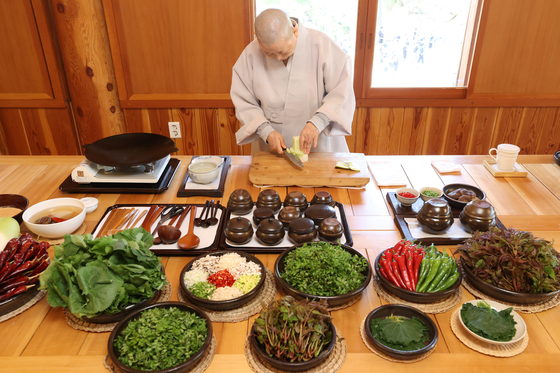
Mindful Ingredient Preparation: Korean temple cooking emphasizes mindful ingredient handling through contemplative washing, grateful cutting, and present moment awareness that transforms ordinary food preparation into spiritual practice while creating optimal nutrition and demonstrating Buddhist principles through conscious food preparation and meditation integration.
Traditional Temple Preparation Sequence:
- Meditation Preparation: Beginning cooking with mindfulness centering
- Grateful Ingredient Selection: Choosing ingredients with appreciation
- Contemplative Cleaning: Washing vegetables with full attention
- Mindful Preparation: Cutting and preparing with present moment awareness
- Silent Cooking: Maintaining meditation focus throughout preparation
- Community Offering: Completing meals with gratitude and sharing intention
Temple preparation techniques require understanding meditation principles, Buddhist mindfulness practice, and traditional Korean cooking knowledge that creates spiritual development opportunity while producing nourishing meals through continued contemplative practice and community cooperation.
Traditional Korean Temple Equipment: Korean temple cooking utilizes traditional Korean cooking equipment including stone grinding tools, wooden preparation implements, and clay cooking vessels that support contemplative preparation while creating optimal nutrition through traditional knowledge about equipment selection and spiritual practice integration.
Essential Temple Cooking Equipment:
- Stone Grinding Tools: Traditional grain and seasoning preparation
- Wooden Implements: Natural material tools for respectful food handling
- Clay Cooking Vessels: Traditional pottery for optimal cooking results
- Natural Fiber Strainers: Traditional filtration and preparation tools
Traditional equipment utilization requires understanding traditional Korean cooking knowledge, Buddhist principle application, and contemplative practice integration that creates authentic temple food preparation while supporting spiritual development and traditional knowledge preservation.
Traditional Korean Vegetarian Cooking Techniques
Complex Flavor Development Without Prohibited Ingredients: Korean temple cooking creates sophisticated flavors through traditional techniques that avoid prohibited vegetables while utilizing approved ingredients and traditional Korean cooking knowledge that demonstrates culinary excellence within Buddhist dietary restrictions and spiritual practice requirements.
Temple Flavor Enhancement Methods:
- Traditional Fermentation: Creating umami through approved fermented products
- Smoking and Drying: Traditional preservation methods for flavor concentration
- Sea Vegetable Utilization: Traditional Korean seaweed for natural flavor enhancement
- Wild Herb Integration: Mountain vegetables and traditional herbs for complexity
Flavor development requires understanding traditional Korean ingredients, Buddhist dietary principles, and culinary techniques that create satisfying meals while maintaining spiritual practice requirements through traditional knowledge application and religious principle adherence.
Nutritional Balance and Complete Protein: Korean temple food creates complete nutrition through traditional knowledge about plant protein combination and nutritional balance that ensures monastic community health while maintaining Buddhist dietary principles through traditional Korean agricultural knowledge and nutritional wisdom.
Temple Nutrition Strategies:
- Grain and Legume Combination: Traditional protein complementation
- Seasonal Vegetable Variety: Diverse nutrition through seasonal coordination
- Traditional Preservation: Maintaining nutrition through traditional storage methods
- Wild Food Integration: Mountain vegetable nutrition for dietary diversity
Nutritional temple food requires understanding traditional Korean nutrition, Buddhist health principles, and community wellness approaches that create optimal health while supporting spiritual practice through traditional knowledge and holistic nutrition understanding.
Contemporary Temple Food Innovation and Adaptation
Modern Kitchen Integration: Contemporary Korean temple food adapts traditional techniques for modern kitchens while maintaining spiritual significance and Buddhist principles through skilled adaptation that preserves traditional knowledge while enabling contemporary temple food practice and cultural education.
Modern temple food preparation includes traditional technique adaptation, contemporary equipment utilization, and cultural education integration that maintains authentic temple food character while serving contemporary communities and building appreciation for Buddhist culinary culture and traditional knowledge.
Health-Conscious Temple Food Development: Contemporary temple food development emphasizes health benefits and nutritional optimization through traditional knowledge validation and modern nutritional science integration that confirms Buddhist dietary wisdom while building contemporary appreciation for temple food health benefits and spiritual practice integration.
Health-focused temple food includes organic ingredient emphasis, nutritional enhancement, and therapeutic application that demonstrates traditional Buddhist health wisdom while serving contemporary wellness consciousness and holistic health understanding through traditional knowledge application and modern health integration.
Regional Korean Temple Food Variations and Monastic Communities
Mountain Temple Food Traditions
High Altitude Adaptation and Wild Food Utilization: Korean mountain temples develop distinctive food cultures through high altitude ingredient adaptation and wild food foraging that creates unique regional temple food specializations while maintaining Buddhist principles and traditional knowledge through environmental adaptation and community cooperation.
Mountain Temple Specialties:
- Wild Mountain Vegetables: Traditional foraging and preparation methods
- High Altitude Agriculture: Temple gardens adapted to mountain conditions
- Traditional Preservation: Cold storage and traditional preservation methods
- Community Cooperation: Shared mountain resource management and utilization
Mountain temple food requires understanding mountain ecology, traditional foraging knowledge, and environmental adaptation that creates sustainable temple communities while preserving traditional knowledge and Buddhist principles through continued mountain temple practice and community cooperation.
Traditional Mountain Medicine Integration: Mountain temples often integrate traditional Korean mountain medicine with temple food through medicinal plant utilization and therapeutic food preparation that supports monastic health while maintaining Buddhist principles and traditional knowledge about mountain ecology and natural medicine.
Mountain medicine temple food includes seasonal health support, traditional therapeutic preparations, and community wellness approaches that demonstrate integrated traditional knowledge while supporting temple community health and spiritual practice through holistic health understanding and environmental wisdom.
Coastal Temple Adaptations
Maritime Environment Integration: Korean coastal temples adapt temple food principles to maritime environments through seaweed utilization, coastal foraging, and traditional Korean coastal food knowledge while maintaining Buddhist dietary restrictions and spiritual practice requirements through environmental adaptation and cultural preservation.
Coastal Temple Food Adaptations:
- Sea Vegetable Emphasis: Traditional Korean seaweed varieties for nutrition
- Coastal Foraging: Traditional knowledge about coastal plant resources
- Salt Production Integration: Traditional Korean sea salt for temple food preparation
- Maritime Community Cooperation: Traditional coastal community resource sharing
Coastal temple food requires understanding maritime ecology, traditional Korean coastal knowledge, and Buddhist principle application that creates sustainable coastal temple communities while preserving traditional knowledge and environmental wisdom through continued coastal temple practice.
Urban Temple Food Culture
Urban Environment Adaptation: Korean urban temples adapt traditional temple food culture to city environments through community garden development, urban foraging knowledge, and contemporary ingredient sourcing while maintaining Buddhist principles and traditional knowledge through urban adaptation and community cooperation.
Urban temple food includes modern sourcing strategies, urban garden development, and community cooperation that maintains temple food tradition while serving urban Buddhist communities and building appreciation for temple food culture within contemporary urban contexts and lifestyle patterns.
Cultural Education and Urban Outreach: Urban temples increasingly serve cultural education functions through temple food workshops, meditation cooking classes, and Buddhist cultural programs that share traditional knowledge while building contemporary appreciation for temple food culture and Buddhist principles through educational outreach and community service.
Cultural education includes traditional technique instruction, Buddhist principle explanation, and spiritual practice integration that provides comprehensive temple food experiences while preserving traditional knowledge and building appreciation for Buddhist culture and traditional wisdom through authentic cultural education programs.
Contemporary Korean Temple Food Culture and Global Recognition
Health Research and Scientific Validation
Nutritional Science and Temple Food Benefits: Contemporary nutritional research validates traditional Korean temple food principles through scientific analysis of plant-based nutrition, mindful eating benefits, and holistic health approaches that confirm Buddhist dietary wisdom while building modern appreciation for temple food health benefits and traditional knowledge.
Scientific Validation of Temple Food Principles:
- Plant-Based Nutrition: Complete protein and nutritional balance research
- Mindful Eating Studies: Psychological and physical health benefits
- Fermentation Research: Probiotic benefits and digestive health
- Seasonal Eating Validation: Traditional seasonal dietary wisdom confirmation
Scientific research includes nutritional analysis, health outcome studies, and traditional knowledge validation that provides contemporary evidence for temple food benefits while building appreciation for Buddhist dietary wisdom and traditional Korean food knowledge through academic research and health studies.
Holistic Wellness Integration: Contemporary wellness approaches increasingly integrate Korean temple food principles through holistic health programs, mindfulness-based eating interventions, and spiritual wellness applications that demonstrate temple food relevance for contemporary health consciousness and personal development.
Wellness integration includes meditation and cooking programs, holistic nutrition education, and spiritual development applications that utilize temple food principles for contemporary health support while preserving traditional knowledge and Buddhist wisdom through modern wellness program development.
International Recognition and Cultural Diplomacy
Global Buddhist Community Interest: Korean temple food receives increasing international recognition within global Buddhist communities through cultural exchange, monastic education, and traditional knowledge sharing that builds international appreciation for Korean Buddhist culture while preserving traditional knowledge and spiritual practices.
International Buddhist interest includes temple food education, cultural exchange programs, and traditional knowledge documentation that shares Korean Buddhist wisdom while building global understanding and appreciation for temple food culture and traditional practices through international cooperation and cultural diplomacy.
Cultural Tourism and Educational Programs: Korean temple food increasingly serves cultural tourism and educational functions through temple stay programs, cooking workshops, and cultural immersion experiences that provide authentic Buddhist cultural experiences while supporting temple communities and traditional knowledge preservation.
Cultural tourism includes temple food experiences, meditation and cooking integration, and traditional knowledge education that provides comprehensive Buddhist cultural experiences while supporting temple community sustainability and traditional knowledge preservation through responsible cultural tourism and educational program development.
Contemporary Challenges and Preservation Efforts
Traditional Knowledge Preservation: Korean temple food culture faces contemporary challenges including urbanization, lifestyle changes, and monastic community changes while adapting through traditional knowledge documentation, cultural education programs, and community outreach that preserves temple food wisdom and Buddhist cultural heritage.
Preservation efforts include traditional recipe documentation, master practitioner recognition, and cultural education programs that ensure temple food knowledge transmission while building contemporary appreciation and supporting temple community sustainability through cultural preservation initiatives and educational outreach.
Modern Adaptation and Cultural Continuity: Contemporary Korean temple food adapts to modern contexts while maintaining spiritual significance and traditional knowledge through innovation that preserves Buddhist principles and cultural authenticity while serving contemporary communities and building appreciation for temple food culture and traditional wisdom.
Modern adaptation includes contemporary presentation methods, urban community outreach, and cultural education integration that maintains traditional knowledge while serving contemporary needs and building appreciation for Buddhist culture and traditional Korean food wisdom through balanced adaptation and cultural preservation efforts.
Practical Korean Temple Food Experience and Spiritual Integration
Authentic Temple Food Experience Opportunities
Temple Stay Programs and Cultural Immersion: Korean temple stay programs provide authentic temple food experiences through community participation, contemplative cooking, and spiritual practice integration that offer genuine Buddhist cultural experiences while supporting temple communities and traditional knowledge preservation through respectful cultural participation.
Temple stay experiences include traditional temple food preparation, meditation practice, and community participation that provide comprehensive Buddhist cultural education while enabling authentic spiritual experiences and traditional knowledge appreciation through direct participation and community engagement.
Temple Food Restaurants and Cultural Education: Korean temple food restaurants increasingly provide authentic temple food experiences through traditional preparation methods, cultural education, and spiritual context that serves contemporary communities while preserving traditional knowledge and building appreciation for Buddhist cultural heritage.
Restaurant experiences often include traditional technique demonstration, Buddhist principle explanation, and cultural context education that provides comprehensive temple food appreciation while preserving traditional knowledge and supporting cultural education through authentic temple food service and cultural presentation.
Home Practice and Spiritual Integration
Temple Food Principles for Daily Life: Korean temple food principles adapt for contemporary daily life through mindful eating practices, seasonal coordination, and spiritual integration that brings Buddhist wisdom into modern living while supporting health and personal development through traditional knowledge application.
Daily Practice Integration:
- Mindful Meal Preparation: Contemplative cooking in home kitchens
- Seasonal Eating Patterns: Traditional seasonal coordination for health
- Grateful Consumption: Buddhist gratitude practices with meals
- Community Sharing: Traditional community values through food sharing
Home practice requires understanding Buddhist principles, traditional knowledge, and spiritual discipline application that creates meaningful personal practice while supporting health and spiritual development through continued Buddhist principle integration and traditional wisdom application.
Meditation and Cooking Integration: Temple food cooking principles integrate with meditation practice through mindful preparation, present moment awareness, and spiritual discipline that creates personal development opportunities while producing nourishing meals through continued contemplative practice and Buddhist principle application.
Meditation cooking includes mindfulness techniques, spiritual focus, and contemplative practice that transforms ordinary cooking into spiritual development opportunity while creating healthy, nourishing meals through Buddhist principle integration and traditional knowledge application.
Health Benefits and Therapeutic Applications
Holistic Health Support: Korean temple food provides comprehensive health support through plant-based nutrition, mindful eating practices, and traditional knowledge about food’s role in wellness while supporting both physical health and spiritual development through integrated traditional wisdom and Buddhist principle application.
Health benefits include digestive support, cardiovascular health, mental clarity, and spiritual wellness that demonstrate temple food’s holistic health approach while providing practical nutrition benefits through traditional knowledge and Buddhist wellness understanding.
Traditional Medicine Integration: Temple food principles integrate with traditional Korean medicine through therapeutic ingredient selection, seasonal health support, and holistic wellness approaches that demonstrate integrated traditional knowledge while supporting comprehensive health and spiritual development through continued traditional practice.
Traditional medicine integration includes therapeutic food preparation, seasonal health coordination, and holistic wellness applications that utilize traditional Korean medicine knowledge within Buddhist dietary principles for comprehensive health support and spiritual development through traditional knowledge integration.
STELLA’S LOCAL SECRET The “Temple Food Meditation Method” Experience authentic temple food during temple stay programs (especially at Templestay-certified temples like Geumsansa or Beomeosa) where you can participate in 4 AM meal preparation with monks. Practice the traditional “five contemplations” before eating: consider the effort behind the food, reflect on your worthiness, guard against greed, regard food as medicine, and accept food for spiritual practice. This authentic approach transforms eating into meditation and cultural education.
Frequently Asked Questions
Q: What makes Korean temple food different from regular vegetarian cuisine? Korean temple food follows strict Buddhist principles including avoiding the Five Pungent Vegetables (garlic, onions, scallions, chives, leeks), no alcohol, and emphasizes mindful preparation as meditation practice. It integrates seasonal Korean ingredients with spiritual philosophy, creating cuisine that supports both physical health and spiritual development through traditional Buddhist dietary wisdom.
Q: Can non-Buddhists appreciate and benefit from temple food principles? Absolutely. Temple food principles including mindful eating, seasonal coordination, plant-based nutrition, and contemplative preparation benefit anyone interested in holistic wellness, sustainable eating, and mindfulness practice. The health benefits and meditation integration serve contemporary wellness goals regardless of religious affiliation.
Q: How does temple food create complex flavors without garlic and onions? Temple cuisine uses traditional Korean ingredients like fermented sauces (doenjang, gochujang), sea vegetables, mountain herbs, traditional smoking and drying techniques, and careful seasoning balance. These methods create sophisticated umami and complex flavors while maintaining Buddhist dietary restrictions through centuries of culinary innovation.
Q: Where can I experience authentic Korean temple food? Authentic experiences include temple stay programs at major Korean temples, specialized temple food restaurants in Seoul (like Sanchon or Balwoo Gongyang), and cultural programs at Buddhist temples. Temple stay programs provide the most comprehensive authentic experience including meal preparation and spiritual context.
Q: Is Korean temple food nutritionally complete for long-term health? Yes, traditional temple food provides complete nutrition through grain and legume combinations, diverse seasonal vegetables, fermented foods for probiotics, and traditional Korean nutritional wisdom. Modern research validates temple food as nutritionally complete while providing additional health benefits through plant-based nutrition and mindful eating practices.
Q: How difficult is it to prepare temple food at home? Basic temple food principles are adaptable for home practice, though authentic preparation requires understanding Buddhist dietary restrictions and traditional techniques. Start with simple seasonal vegetable dishes, eliminate prohibited ingredients, and practice mindful preparation. Traditional ingredients may require Korean grocery stores or online sourcing.
Q: What role does meditation play in temple food preparation? Meditation is integral to authentic temple food preparation, transforming cooking into spiritual practice through mindful ingredient handling, present moment awareness, and contemplative preparation. This approach enhances both the spiritual benefits and often the food quality through focused, respectful preparation methods.
Q: Can temple food principles help with modern dietary concerns? Temple food addresses many contemporary dietary concerns through plant-based nutrition, minimal processing, seasonal eating, portion control, and mindful consumption practices. Research shows benefits for cardiovascular health, digestive wellness, weight management, and mental clarity through traditional Buddhist dietary wisdom.
Q: How do Korean temples source ingredients sustainably? Traditional Korean temples emphasize local, seasonal ingredients, often growing their own vegetables, foraging wild mountain plants, and using traditional preservation methods. This approach supports environmental sustainability, reduces food transportation, and maintains connection with natural cycles and local ecosystems.
Q: What’s the spiritual significance of temple food beyond dietary restrictions? Temple food represents Buddhist principles of compassion (no harm to animals), moderation (appropriate portions), mindfulness (conscious eating), gratitude (appreciation for food), and interconnection (understanding food’s relationship to nature and community). These principles extend Buddhist practice into daily life through food.
Embracing Korea’s Spiritual Culinary Wisdom for Holistic Living
You now possess comprehensive knowledge to approach Korean temple food philosophy with deep understanding of what makes Buddhist cuisine represent spiritual cultivation, holistic health wisdom, and environmental harmony that transforms simple plant-based eating into profound expressions of mindfulness, compassion, and traditional knowledge connecting contemporary wellness with centuries of Korean Buddhist wisdom and spiritual practice.
You’ve learned exactly what distinguishes Korean temple food through Buddhist principles, traditional knowledge, and spiritual integration, why specific preparation methods create optimal nutrition while supporting spiritual development and meditation practice, how temple food customs facilitate mindful living and environmental consciousness while preserving Korean Buddhist cultural heritage, and what appropriate temple food appreciation demonstrates about Buddhist understanding and spiritual respect for traditional wisdom.
You understand Korean temple food philosophy’s importance through spiritual teachings, health validation, and contemporary relevance while gaining practical knowledge including Buddhist dietary principles, mindful eating practices, seasonal coordination, and contemplative cooking that enhance authentic spiritual experiences and personal development opportunities through traditional knowledge integration and Buddhist principle application.
Most importantly, you understand that Korean temple food represents far more than sophisticated vegetarian cuisine. It preserves Korean Buddhist wisdom while serving essential functions including spiritual development, holistic health support, environmental consciousness, and mindfulness cultivation that enriches human understanding of food’s role in spiritual practice, personal wellness, and sustainable living through continued practice and traditional knowledge transmission.
Walking into authentic Korean temple food experiences means participating in living spiritual tradition where contemplative cooking continues preserving Buddhist wisdom, where mindful eating practices maintain spiritual discipline and health consciousness, where seasonal coordination demonstrates environmental awareness while supporting community cooperation and cultural preservation through authentic spiritual practice and traditional knowledge appreciation.
Your thoughtful engagement with Korean temple food philosophy supports traditional knowledge preservation while contributing to spiritual understanding and holistic wellness that benefits both Korean Buddhist heritage preservation and international spiritual development through respectful participation in traditional practices that demonstrate spiritual sophistication and holistic wisdom recognition.
The Korean temple food experience awaits through authentic temple communities, spiritual practice integration, mindful cooking opportunities, and holistic wellness applications. Buddhist wisdom continues guiding sustainable living while traditional knowledge inspires contemporary wellness. Spiritual principles continue supporting personal development while cultural heritage preserves traditional wisdom. Your Korean temple food philosophy journey is about to begin.