Discovering Korea’s Morning Meal Evolution and Cultural Significance
Have you ever wondered why Korean breakfast culture represents one of the world’s most substantial and nutritionally complete morning meal traditions while demonstrating Korean values of family care, health consciousness, and cultural preservation that transforms simple morning eating into expressions of love, wellness, and traditional knowledge, what makes Korean breakfast preparation create such diverse and satisfying morning nutrition from traditional ingredients while adapting to contemporary lifestyle demands and urban work patterns through innovative breakfast solutions and cultural evolution, how traditional Korean morning meals provide optimal energy and nutrition for demanding daily activities while maintaining cultural identity and family bonding through continued practice of traditional breakfast customs and preparation methods, and why understanding Korean breakfast culture provides essential insight into Korean family values, work-life balance, and cultural adaptation that makes morning meal preparation into demonstrations of care, efficiency, and cultural resilience through daily practice and community cooperation?
Where ancient Korean agricultural wisdom meets contemporary urban lifestyle demands through breakfast solutions that balance traditional nutrition with modern convenience, where Korean family values express themselves through morning meal preparation and sharing customs that create daily opportunities for family bonding and cultural transmission while supporting busy contemporary lifestyles and work demands? Where Korean health consciousness guides breakfast choices through traditional understanding of morning nutrition that supports energy and wellness while adapting to contemporary dietary awareness and lifestyle requirements that balance traditional knowledge with modern health understanding and urban convenience needs?
Korean Breakfast Culture (한국 아침식사 문화) offers exactly this extraordinary intersection of tradition, nutrition, family values, and contemporary adaptation – but only if you understand what makes Korean morning meals unique beyond “Korean breakfast foods,” why specific breakfast traditions create optimal morning nutrition while supporting family relationships and cultural preservation, how traditional Korean breakfast knowledge adapts to contemporary urban lifestyles while maintaining cultural authenticity and health benefits, and what distinguishes authentic Korean breakfast culture from simplified commercial adaptations that miss essential family significance and traditional knowledge preservation.
For cultural lifestyle enthusiasts especially, Korean breakfast culture presents fascinating complexity because unlike simple morning eating, Korean breakfast tradition encompasses complete family culture including preparation rituals, nutritional wisdom, social customs, and cultural adaptation that transforms morning meals into family bonding opportunities and cultural education through authentic participation and traditional knowledge appreciation.
Most people approach Korean breakfast as interesting morning food without understanding sophisticated nutritional knowledge behind traditional breakfast composition, family preparation customs that create morning bonding opportunities and cultural transmission, regional breakfast variations that preserve local heritage while maintaining national breakfast culture unity, or contemporary breakfast adaptations that demonstrate Korean cultural resilience and innovation while preserving traditional values and health consciousness through continued practice and cultural evolution.
I understand that superficial engagement completely. My first Korean breakfast experiences (hotel buffets and convenience store options) provided interesting food but missed entirely the family preparation traditions, nutritional wisdom, and cultural significance that make authentic Korean breakfast culture represent broader Korean approaches to family care, health consciousness, and cultural preservation through daily morning routines and traditional knowledge application that strengthens family bonds and preserves cultural identity.
That’s why this comprehensive guide exists. I’m going to share everything you need to transform Korean breakfast from exotic morning dining into understanding of Korean family culture that demonstrates traditional nutritional wisdom, contemporary adaptation, and family values through accessible, nourishing format. You’ll learn exactly what makes Korean breakfast culture distinctive through traditional knowledge and contemporary innovation, why specific breakfast preparations create optimal morning nutrition while supporting family relationships and cultural preservation, how Korean breakfast customs adapt to contemporary lifestyles while maintaining cultural authenticity and traditional values, and what appropriate breakfast appreciation demonstrates about Korean cultural understanding and family respect.
You’ll understand Korean breakfast culture’s importance through family traditions, nutritional wisdom, and contemporary evolution while gaining practical knowledge including breakfast composition, preparation techniques, cultural customs, and healthy adaptation strategies that enhance authentic Korean family experiences and cultural understanding. By the end of this guide, you’ll know how to appreciate Korean breakfast with understanding that transforms morning eating into cultural education, family meal participation into tradition preservation, and nutritional awareness into recognition of Korean health wisdom and family care traditions.
Most importantly, you’ll grasp why Korean breakfast culture matters beyond morning nutrition – as preservation of Korean family traditions, demonstration of Korean health consciousness, and expression of Korean adaptability that enriches human understanding of breakfast’s role in family bonding, cultural identity, and daily wellness through continued practice and traditional knowledge transmission across generations of Korean families and communities.
Historical Development of Korean Breakfast Culture and Traditional Foundations
Ancient Korean Morning Meal Traditions and Agricultural Foundations
Early Korean Agricultural Community Breakfast: Korean breakfast culture traces back to early Korean Peninsula agricultural communities that developed substantial morning meals necessary for demanding farm labor while creating family gathering customs that strengthened community bonds and cultural transmission through shared preparation and consumption of nutrition-dense morning foods that supported physical labor and family cooperation.
Ancient Korean farming communities emphasized morning meal importance through traditional knowledge about energy requirements for agricultural work, seasonal nutrition coordination, and community cooperation that created breakfast traditions focusing on complete nutrition, family bonding, and cultural preservation through daily morning routines and shared family experiences.
Early Korean breakfast development included rice-based nutrition, seasonal vegetable utilization, and traditional preservation methods that created reliable morning nutrition while supporting agricultural communities through energy provision and cultural continuity that connected daily breakfast consumption with broader Korean agricultural wisdom and family values.
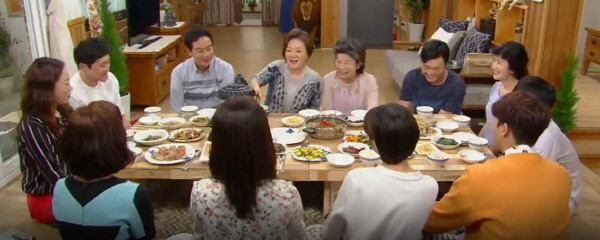
Traditional Korean Family Structure and Morning Meals: Korean traditional family structure emphasized communal morning eating that demonstrated family hierarchy, mutual care, and cultural values while creating daily opportunities for family bonding and cultural education through shared breakfast preparation and consumption that strengthened family relationships and preserved traditional knowledge.
Traditional Korean family breakfast included specific serving customs, age-based respect protocols, and family cooperation that created structured family interaction while providing nutritional support and cultural education through continued traditional practice and family participation that maintained cultural identity and social values.
Seasonal Breakfast Patterns and Agricultural Coordination: Korean traditional breakfast culture coordinated with agricultural cycles and seasonal patterns that determined appropriate morning nutrition while utilizing peak ingredient quality and supporting traditional farming schedules through breakfast timing and preparation that connected family nutrition with agricultural knowledge and seasonal wisdom.
Traditional seasonal breakfast coordination included spring fresh vegetable emphasis, summer cooling food integration, autumn harvest celebration, and winter warming nutrition that demonstrated traditional Korean understanding of seasonal dietary requirements while supporting family health and agricultural community cooperation through continued seasonal practice.
Joseon Dynasty Breakfast Culture and Social Class Differentiation
Royal Court and Aristocratic Morning Meals: Joseon Dynasty period (1392-1910) saw Korean breakfast culture develop sophisticated class distinctions through royal court morning meal protocols and aristocratic breakfast customs that created elaborate morning dining while preserving traditional nutritional principles and cultural values within formal social frameworks and cultural refinement.
Royal Court Breakfast Traditions: Joseon royal court developed elaborate morning meal customs featuring multiple courses, premium ingredients, and formal service protocols that demonstrated royal authority while maintaining traditional Korean breakfast principles and cultural significance through institutional breakfast culture and traditional knowledge preservation.
Royal breakfast culture included seasonal coordination, traditional nutritional wisdom, and cultural protocols that created comprehensive morning meal systems while preserving traditional knowledge and cultural values through institutional support and formal breakfast tradition maintenance within royal court life and cultural preservation.
Common Family Breakfast Traditions: Joseon period common families maintained traditional breakfast culture through community cooperation, seasonal coordination, and family preparation customs that preserved traditional nutritional knowledge while creating family bonding opportunities and cultural transmission through continued traditional practice and community support.
Common family breakfast emphasized practical nutrition, family cooperation, and traditional knowledge preservation that created sustainable breakfast culture while supporting community health and cultural identity through continued traditional breakfast practice and family custom maintenance within agricultural communities and traditional social structures.
Modern Korean Breakfast Evolution and Urban Adaptation
Japanese Colonial Period and Cultural Pressure: Japanese colonial period (1910-1945) created challenges for traditional Korean breakfast culture through cultural suppression and economic pressure while Korean families maintained traditional breakfast customs as forms of cultural resistance and identity preservation that strengthened family bonds and cultural continuity during difficult historical circumstances.
Colonial period breakfast culture demonstrated Korean resilience through continued traditional preparation, family custom maintenance, and cultural identity preservation that protected Korean breakfast traditions while adapting to challenging political and economic conditions that threatened traditional family structures and cultural practices.
Post-Liberation Breakfast Culture Revival: Korean liberation and economic development periods saw traditional breakfast culture revival through family tradition recovery, community cooperation, and cultural identity restoration that rebuilt Korean breakfast customs while adapting to changing urban environments and contemporary lifestyle patterns through traditional knowledge preservation and cultural adaptation.
Post-liberation breakfast development emphasized family tradition recovery, nutritional knowledge preservation, and cultural identity restoration that rebuilt Korean breakfast culture while serving contemporary urban communities through traditional knowledge adaptation and family custom continuation within modern Korean society.
Contemporary Urbanization and Breakfast Transformation: Modern Korean urbanization created breakfast culture transformation challenges through lifestyle changes, time constraints, and family structure changes while Korean communities adapted traditional breakfast culture through innovation and cultural preservation that maintained family values and traditional knowledge within contemporary urban contexts and modern lifestyle patterns.
Contemporary breakfast adaptation includes traditional knowledge preservation, modern convenience integration, and family custom adaptation that maintains Korean breakfast culture while serving contemporary urban communities through balanced development and cultural preservation that honors traditional values within modern lifestyle requirements.
Traditional Korean Breakfast Components and Nutritional Wisdom
Core Korean Breakfast Elements and Traditional Composition
Bap (밥) – Rice as Breakfast Foundation: Korean traditional breakfast centers around rice preparation that provides complete carbohydrate energy while demonstrating traditional Korean understanding of grain nutrition and energy requirements for daily activities through optimal rice preparation and traditional cooking methods that create satisfying, nutritious breakfast foundations.
Traditional Rice Breakfast Varieties:
- Baekmi-bap (백미밥): White rice prepared with traditional methods for optimal texture
- Hyeonmi-bap (현미밥): Brown rice providing enhanced nutrition and fiber content
- Ogokbap (오곡밥): Five grain rice creating nutritional diversity and complete nutrition
- Seasonal Rice Preparations: Rice varieties adapted for seasonal health support
Traditional rice preparation requires understanding optimal cooking techniques, water ratios, and timing that creates perfect texture while maintaining nutritional value through traditional Korean rice cooking knowledge and cultural technique preservation that demonstrates traditional nutritional wisdom and cultural authenticity.
Guk (국) – Soup as Essential Breakfast Component: Korean breakfast traditionally includes soup preparation that provides liquid nutrition, aids digestion, and creates meal completeness while demonstrating traditional Korean understanding of breakfast nutrition balance and meal composition that supports optimal morning nutrition and family satisfaction.
Traditional Korean Breakfast Soup Varieties:
- Miyeokguk (미역국): Seaweed soup providing essential minerals and traditional health benefits
- Doenjang-jjigae (된장찌개): Soybean paste soup offering protein and probiotic benefits
- Kimchi-jjigae (김치찌개): Kimchi soup providing probiotics and warming morning nutrition
- Seasonal Soup Preparations: Soup varieties adapted for seasonal health requirements
Traditional breakfast soup preparation requires understanding traditional broth development, ingredient timing, and nutritional balance that creates optimal morning liquid nutrition while maintaining authentic Korean flavors and cultural significance through traditional cooking knowledge and family recipe preservation.
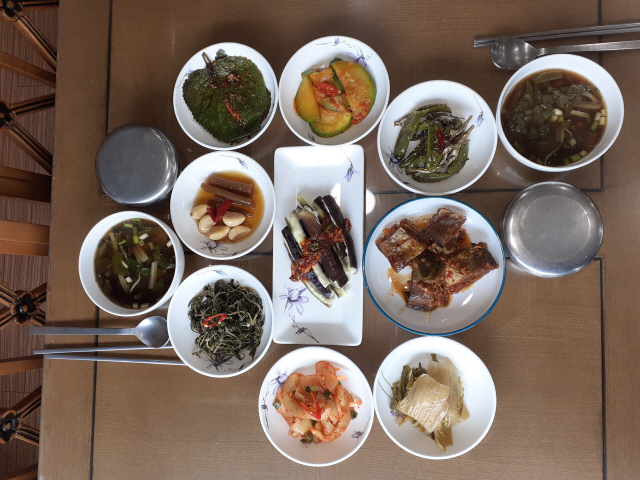
Banchan (반찬) – Side Dishes for Nutritional Completeness: Korean breakfast includes multiple banchan that provide nutritional variety, flavor balance, and cultural completeness while demonstrating traditional Korean understanding of meal composition and nutritional diversity that creates comprehensive morning nutrition through traditional preparation methods and cultural knowledge preservation.
Essential Korean Breakfast Banchan:
- Kimchi Varieties: Fermented vegetables providing probiotics and traditional nutrition
- Namul Preparations: Seasoned vegetables offering vitamins and traditional health benefits
- Traditional Protein Banchan: Fish preparations and traditional protein sources
- Seasonal Banchan Selections: Side dishes adapted for seasonal nutritional requirements
Traditional banchan preparation requires understanding traditional seasoning, nutritional balance, and cultural significance that creates optimal breakfast nutrition while preserving traditional Korean flavors and preparation methods through continued family practice and cultural transmission.
Traditional Korean Breakfast Nutritional Science
Complete Nutrition Balance and Traditional Wisdom: Korean traditional breakfast demonstrates sophisticated understanding of complete nutrition through carbohydrate, protein, vegetable, and liquid component balance that creates optimal morning nutrition while supporting daily energy requirements through traditional nutritional knowledge and cultural wisdom about breakfast’s role in daily health and energy provision.
Traditional Breakfast Nutrition Principles:
- Balanced Macronutrients: Carbohydrates, proteins, and healthy fats for sustained energy
- Micronutrient Diversity: Vitamins and minerals through diverse vegetable preparation
- Probiotic Integration: Fermented foods supporting digestive health and immunity
- Hydration Support: Soup components providing essential morning liquid nutrition
Traditional breakfast nutrition requires understanding traditional Korean dietary wisdom, nutritional balance principles, and health support that creates optimal morning nutrition while maintaining cultural authenticity and traditional knowledge through continued family practice and cultural preservation.
Seasonal Breakfast Adaptation and Health Support: Korean breakfast culture adapts to seasonal health requirements through ingredient selection and preparation methods that provide appropriate nutrition while supporting seasonal health transitions and traditional understanding of dietary adaptation that optimizes health through seasonal coordination and traditional knowledge application.
Seasonal Korean Breakfast Adaptations:
- Spring Renewal: Fresh vegetables and detoxifying preparations for seasonal health transition
- Summer Cooling: Light preparations and cooling foods for hot weather nutrition
- Autumn Strengthening: Harvest ingredients and energy-building foods for winter preparation
- Winter Warming: Hearty preparations and warming foods for cold weather energy support
Seasonal breakfast adaptation requires understanding traditional Korean seasonal dietary wisdom, health support principles, and nutritional timing that creates optimal seasonal nutrition while maintaining cultural authenticity and traditional knowledge through continued seasonal practice and family custom preservation.
Regional Korean Breakfast Variations and Local Breakfast Culture
Seoul Metropolitan Breakfast Culture
Urban Traditional Breakfast Maintenance: Seoul breakfast culture balances traditional Korean breakfast customs with urban lifestyle demands through family tradition preservation and contemporary adaptation that maintains cultural identity while serving contemporary urban families through traditional knowledge preservation and modern convenience integration within metropolitan contexts.
Seoul urban breakfast includes traditional preparation methods, family custom maintenance, and contemporary ingredient sourcing that creates authentic Korean breakfast culture while accommodating urban lifestyle patterns and family schedule requirements through balanced traditional preservation and modern adaptation.
Contemporary Seoul Breakfast Innovation: Seoul metropolitan area develops innovative breakfast solutions that maintain traditional Korean nutritional principles while adapting to contemporary urban lifestyle patterns through convenience enhancement and cultural preservation that serves diverse urban communities while maintaining traditional breakfast culture authenticity.
Contemporary Seoul breakfast innovation includes traditional ingredient utilization, modern preparation techniques, and cultural education integration that maintains Korean breakfast tradition while serving contemporary urban families through innovative solutions and traditional knowledge preservation within modern urban contexts.
Regional Korean Breakfast Specializations
Gyeongsang Province Traditional Breakfast: Gyeongsang Province maintains distinctive breakfast traditions through regional ingredient utilization and traditional preparation methods that create authentic regional breakfast culture while preserving local heritage and contributing to broader Korean breakfast culture diversity through regional specialization and traditional knowledge preservation.
Regional Gyeongsang breakfast includes local agricultural product emphasis, traditional regional cooking methods, and cultural identity preservation that demonstrates regional Korean breakfast diversity while maintaining unified Korean breakfast culture principles through continued regional practice and cultural transmission.
Jeolla Province Breakfast Excellence: Jeolla Province breakfast culture reflects regional culinary reputation through sophisticated breakfast preparation, premium ingredient utilization, and traditional knowledge preservation that creates exceptional breakfast experiences while demonstrating regional Korean breakfast excellence and culinary heritage preservation.
Jeolla breakfast culture includes traditional cooking sophistication, regional specialty emphasis, and cultural knowledge preservation that demonstrates regional Korean breakfast excellence while contributing to broader Korean breakfast culture through traditional knowledge sharing and cultural exchange within regional communities.
Gangwon Province Mountain Breakfast: Gangwon Province mountain regions develop breakfast traditions adapted to highland conditions and mountain community lifestyle while maintaining Korean breakfast culture principles through local ingredient utilization and traditional mountain cooking methods that create distinctive regional breakfast culture.
Mountain breakfast culture includes highland agricultural product emphasis, traditional mountain cooking methods, and community adaptation that demonstrates regional Korean breakfast diversity while preserving traditional knowledge and mountain community culture through continued regional practice and environmental adaptation.
Coastal Region Breakfast Adaptations: Korean coastal regions develop breakfast traditions that incorporate maritime elements while maintaining traditional Korean breakfast culture principles through seafood integration and coastal ingredient utilization that creates distinctive coastal breakfast culture and regional specialization.
Coastal breakfast culture includes seafood emphasis, maritime ingredient utilization, and traditional coastal cooking methods that demonstrate regional Korean breakfast diversity while preserving coastal community culture and traditional knowledge through continued coastal practice and community cooperation.
Contemporary Korean Breakfast Culture and Modern Lifestyle Adaptation
Urban Korean Breakfast Revolution
Convenience Store Breakfast Culture: Contemporary Korean breakfast culture includes sophisticated convenience store breakfast options that provide traditional nutritional balance through modern convenience while maintaining Korean taste preferences and cultural identity through innovative product development and traditional flavor preservation.
Modern Korean Convenience Breakfast Options:
- Gimbap Varieties: Traditional rice rolls adapted for convenient morning consumption
- Traditional Soup Cups: Instant soup preparation maintaining traditional flavors
- Korean Sandwich Adaptations: Traditional ingredients in convenient sandwich format
- Traditional Rice Balls: Onigiri-style adaptations with Korean flavoring and ingredients
Convenience breakfast culture requires balancing traditional Korean nutritional principles with contemporary convenience needs while maintaining cultural authenticity and health benefits through innovative product development and traditional knowledge application within modern food technology and urban lifestyle requirements.
Coffee Shop Breakfast Integration: Korean coffee culture develops breakfast integration through Korean-style breakfast offerings that combine international coffee culture with traditional Korean breakfast elements while creating contemporary breakfast experiences that serve urban lifestyle patterns and cultural preferences.
Coffee shop breakfast includes traditional Korean breakfast elements, contemporary presentation methods, and cultural fusion that creates innovative breakfast experiences while maintaining Korean cultural identity and traditional nutritional principles through contemporary service methods and urban convenience integration.
Traditional Korean Breakfast Health Consciousness
Modern Health Research and Traditional Breakfast Validation: Contemporary health research validates traditional Korean breakfast principles through scientific analysis of balanced nutrition, fermented food benefits, and holistic meal composition that confirms traditional Korean breakfast wisdom while building modern appreciation for traditional nutritional knowledge.
Scientific Validation of Korean Breakfast Benefits:
- Probiotic Benefits: Fermented food integration supporting digestive and immune health
- Balanced Nutrition: Complete macronutrient and micronutrient provision for sustained energy
- Portion Control: Traditional serving sizes supporting healthy weight management
- Metabolic Support: Traditional meal timing and composition supporting optimal metabolism
Modern health validation includes nutritional analysis, health outcome research, and traditional knowledge confirmation that provides contemporary evidence for Korean breakfast benefits while building appreciation for traditional nutritional wisdom and cultural breakfast knowledge through scientific research and health studies.
Contemporary Dietary Adaptation: Modern Korean breakfast culture adapts traditional principles for contemporary dietary consciousness through health enhancement and nutritional optimization that maintains traditional Korean breakfast character while serving contemporary health awareness and dietary requirements through traditional knowledge application and modern nutritional understanding.
Contemporary dietary adaptation includes organic ingredient emphasis, nutritional enhancement, and health-conscious preparation that demonstrates traditional Korean breakfast wisdom while serving contemporary wellness consciousness and dietary awareness through traditional knowledge integration and modern health application.
Working Professional Breakfast Patterns
Korean Corporate Breakfast Culture: Korean corporate culture influences breakfast patterns through work schedule demands and professional lifestyle requirements while Korean families adapt traditional breakfast customs through time management and convenience solutions that maintain family values and cultural traditions within contemporary work life demands.
Corporate breakfast culture includes time-efficient preparation, portable breakfast solutions, and traditional nutritional maintenance that serves contemporary professional lifestyles while preserving Korean breakfast culture authenticity and family tradition continuation through innovative adaptation and cultural preservation.
Traditional Family Breakfast vs. Modern Adaptation: Contemporary Korean families balance traditional breakfast customs with modern lifestyle demands through innovative solutions that preserve family bonding opportunities while accommodating contemporary schedule constraints and lifestyle patterns through traditional knowledge adaptation and cultural preservation efforts.
Family breakfast adaptation includes weekend traditional breakfast emphasis, simplified weekday versions, and cultural tradition maintenance that creates balance between traditional Korean breakfast culture and contemporary lifestyle requirements through family cooperation and cultural preservation within modern contexts.
Korean Breakfast Preparation Techniques and Traditional Knowledge
Traditional Korean Morning Cooking Methods
Efficient Traditional Preparation Techniques: Korean breakfast preparation demonstrates traditional knowledge about efficient morning cooking that creates complete nutrition through organized preparation methods and traditional timing that optimizes family breakfast while maintaining cultural authenticity and traditional knowledge preservation through continued family practice.
Traditional Breakfast Preparation Sequence:
- Rice Preparation: Starting rice cooking for optimal timing and texture
- Soup Base Development: Beginning broth preparation for complex flavor development
- Banchan Preparation: Organizing side dishes for nutritional balance
- Final Assembly: Coordinating completion timing for optimal service temperature
- Family Service: Traditional serving customs and family breakfast protocols
Traditional breakfast preparation requires understanding traditional Korean cooking timing, nutritional balance principles, and family service customs that create optimal morning nutrition while maintaining cultural authenticity and traditional knowledge through continued family practice and cultural transmission.
Traditional Korean Breakfast Equipment: Korean breakfast preparation utilizes traditional cooking equipment including rice cookers, traditional pots, and serving vessels that support authentic preparation while creating optimal results through traditional knowledge about equipment selection and cultural practice preservation.
Essential Korean Breakfast Equipment:
- Rice Preparation: Traditional rice cooking methods and equipment
- Soup Preparation: Traditional pot selection and cooking techniques
- Banchan Storage: Traditional storage and serving containers
- Family Service: Traditional serving implements and family dining customs
Traditional equipment utilization requires understanding traditional Korean cooking knowledge, cultural practice preservation, and authentic preparation methods that create optimal breakfast while maintaining cultural authenticity and traditional knowledge through continued traditional practice and family custom preservation.
Contemporary Kitchen Integration and Modern Adaptation
Modern Kitchen Efficiency: Contemporary Korean breakfast preparation adapts traditional techniques for modern kitchens while maintaining authentic flavors and cultural significance through efficient adaptation that preserves traditional knowledge while enabling contemporary family breakfast practice and cultural continuation within modern lifestyle contexts.
Modern kitchen adaptation includes traditional technique utilization, contemporary equipment integration, and time management solutions that maintain Korean breakfast culture while serving contemporary family schedule requirements through innovative adaptation and cultural preservation within modern home environments.
Meal Preparation and Planning: Contemporary Korean families develop meal preparation strategies that maintain traditional breakfast culture while accommodating modern lifestyle demands through advance planning and efficient preparation that preserves family tradition and cultural authenticity within contemporary time constraints and schedule requirements.
Meal planning includes weekend preparation emphasis, traditional ingredient sourcing, and family cooperation that maintains Korean breakfast culture while serving contemporary lifestyle patterns through traditional knowledge adaptation and family custom preservation within modern urban contexts.
Practical Korean Breakfast Culture Experience and Cultural Integration
Traditional Korean Breakfast Experience Opportunities
Authentic Korean Family Breakfast: Experiencing authentic Korean family breakfast provides comprehensive cultural education through family participation, traditional preparation observation, and cultural custom learning that demonstrates Korean family values while preserving traditional knowledge and building cultural understanding through authentic participation and cultural exchange.
Family breakfast experiences include traditional preparation participation, cultural context education, and family custom observation that provide genuine Korean cultural education while supporting cultural preservation and building authentic appreciation for Korean family culture and traditional breakfast knowledge.
Traditional Korean Accommodation Breakfast: Korean traditional accommodations increasingly provide authentic breakfast experiences through traditional preparation methods, cultural education, and authentic ingredients that serve cultural tourism while preserving traditional knowledge and building appreciation for Korean breakfast culture and family traditions.
Traditional accommodation breakfast includes cultural context explanation, traditional preparation demonstration, and authentic ingredient utilization that provides comprehensive Korean breakfast culture education while serving cultural tourism and traditional knowledge preservation through authentic cultural experience provision.
Home Practice and Cultural Integration
Korean Breakfast Principles for International Adaptation: Korean breakfast principles adapt for international home practice through nutritional balance maintenance, traditional preparation adaptation, and cultural understanding that brings Korean family values into contemporary international contexts while supporting health and cultural appreciation through traditional knowledge application.
International Home Practice Adaptation:
- Nutritional Balance: Maintaining Korean breakfast nutritional principles with available ingredients
- Preparation Techniques: Adapting traditional cooking methods for different kitchen contexts
- Cultural Understanding: Preserving Korean breakfast cultural significance and family values
- Ingredient Sourcing: Finding appropriate substitutes while maintaining authentic character
International adaptation requires understanding Korean breakfast principles, traditional knowledge, and cultural significance that creates meaningful personal practice while supporting cultural appreciation and traditional knowledge preservation through authentic home practice and cultural integration.
Family Breakfast Tradition Building: Korean breakfast culture principles support family tradition development through morning bonding opportunities, nutritional consciousness, and cultural education that creates meaningful family experiences while building health consciousness and family cooperation through traditional knowledge application and cultural value integration.
Family tradition building includes breakfast preparation cooperation, cultural education integration, and family bonding emphasis that creates positive family experiences while building appreciation for Korean cultural values and traditional knowledge through authentic family practice and cultural understanding development.
STELLA’S LOCAL SECRET The “Korean Family Breakfast Morning Rhythm” Experience authentic Korean family breakfast by visiting Korean homestays or traditional guesthouses where families serve traditional breakfast (7:00-8:00 AM). Watch the precise preparation sequence: rice first (20 min), soup base second (15 min), banchan arrangement third (5 min), final assembly fourth. Korean mothers often prepare everything to finish simultaneously, creating the perfect temperature harmony that defines authentic Korean breakfast experience and family care expression.
Frequently Asked Questions
Q: What makes Korean breakfast different from other Asian breakfast cultures? Korean breakfast emphasizes complete meal balance with rice, soup, and multiple banchan creating comprehensive nutrition, while maintaining strong family gathering traditions. Unlike Japanese breakfast simplicity or Chinese breakfast variety, Korean breakfast provides substantial, nutritionally complete morning meals that support family bonding through shared preparation and consumption.
Q: Is traditional Korean breakfast healthy for modern dietary needs? Yes, traditional Korean breakfast provides excellent nutrition through balanced macronutrients, probiotic foods, vegetables, and appropriate portions. Research validates Korean breakfast principles for sustained energy, digestive health, and weight management. However, some preparations may be high in sodium, requiring mindful adaptation for contemporary health consciousness.
Q: How long does traditional Korean breakfast preparation take? Traditional Korean breakfast requires 30-45 minutes preparation time, though experienced cooks can reduce this through advance preparation and efficient techniques. Many families prepare banchan in advance, reducing morning preparation to rice cooking and soup warming. Weekend family breakfast allows more elaborate traditional preparation.
Q: Can Korean breakfast culture work with busy modern schedules? Korean families adapt traditional breakfast through simplified weekday versions while maintaining weekend traditional breakfast. Solutions include advance banchan preparation, convenient traditional food products, and efficient cooking techniques that preserve nutritional balance and cultural significance within contemporary time constraints.
Q: What are essential ingredients for authentic Korean breakfast at home? Essential ingredients include quality rice, doenjang (soybean paste), kimchi, dried seaweed (miyeok), traditional seasonings (sesame oil, garlic, soy sauce), and seasonal vegetables. Korean grocery stores provide authentic ingredients, while many items are available at general Asian markets or online retailers.
Q: How important is family eating together for Korean breakfast culture? Family breakfast together represents core Korean family values, though modern families adapt to work schedules. Traditional breakfast emphasizes family bonding, respect for elders, and cultural transmission. Contemporary families often prioritize weekend family breakfast while adapting weekday routines to maintain cultural connection.
Q: Are there vegetarian options in traditional Korean breakfast? Traditional Korean breakfast includes many vegetarian elements (rice, vegetables, some banchan), though some components use seafood or meat. Temple food provides completely vegetarian Korean breakfast models, while families can adapt traditional breakfast principles with plant-based proteins and vegetarian preparation methods.
Q: How does Korean breakfast culture vary by region? Regional variations include local ingredient emphasis (coastal areas featuring seafood, mountain regions using wild vegetables), preparation techniques reflecting local traditions, and seasonal adaptations based on regional climate. However, fundamental Korean breakfast principles (rice, soup, banchan) remain consistent nationwide.
Q: What’s proper etiquette for Korean breakfast dining? Traditional breakfast etiquette includes serving elders first, using both hands for giving/receiving items, finishing food completely, and showing appreciation for preparation. Contemporary families may simplify formal protocols while maintaining core respect principles and family courtesy during breakfast sharing.
Q: Can Korean breakfast principles benefit international families? Korean breakfast principles provide excellent family benefits including nutritional balance, family bonding opportunities, morning routine structure, and cultural education. International families can adapt Korean breakfast concepts (balanced nutrition, family gathering, mindful eating) while respecting Korean cultural significance and traditional knowledge.
Embracing Korea’s Morning Meal Wisdom for Family Wellness
You now possess comprehensive knowledge to approach Korean breakfast culture with deep understanding of what makes Korean morning meals represent family care, nutritional wisdom, and cultural preservation that transforms simple breakfast consumption into meaningful expressions of family bonding, health consciousness, and traditional knowledge connecting contemporary family life with centuries of Korean family values and culinary wisdom.
You’ve learned exactly what distinguishes Korean breakfast culture through traditional knowledge, nutritional balance, and family customs, why specific breakfast preparations create optimal morning nutrition while supporting family relationships and cultural preservation, how Korean breakfast traditions adapt to contemporary lifestyles while maintaining cultural authenticity and family values, and what appropriate breakfast appreciation demonstrates about Korean cultural understanding and family respect for traditional wisdom.
You understand Korean breakfast culture’s importance through family traditions, health validation, and contemporary relevance while gaining practical knowledge including breakfast composition principles, preparation techniques, cultural customs, and family adaptation strategies that enhance authentic Korean family experiences and cultural understanding through traditional knowledge integration and family practice.
Most importantly, you understand that Korean breakfast culture represents far more than morning nutrition. It preserves Korean family traditions while serving essential functions including family bonding, cultural transmission, health support, and community values that enriches human understanding of breakfast’s role in family life, cultural identity, and daily wellness through continued practice and traditional knowledge preservation across generations of Korean families.
Walking into authentic Korean breakfast experiences means participating in living family tradition where traditional preparation methods continue preserving family wisdom, where morning meal customs maintain family bonds and cultural values, where nutritional knowledge demonstrates traditional understanding of health and family care while creating opportunities for authentic cultural exchange and traditional knowledge appreciation.
Your thoughtful engagement with Korean breakfast culture supports traditional knowledge preservation while contributing to family understanding and cultural appreciation that benefits both Korean heritage preservation and international family enrichment through respectful participation in traditional customs that demonstrate cultural sophistication and family values recognition.
The Korean breakfast experience awaits through authentic family accommodations, traditional preparation learning, family custom participation, and nutritional wisdom integration. Traditional knowledge continues guiding optimal morning nutrition while family customs maintain cultural bonds. Health consciousness continues supporting family wellness while cultural heritage preserves traditional wisdom. Your Korean breakfast culture journey is about to begin.