
Discovering Korea’s Sweet Transformation and Culinary Innovation
Have you ever wondered why Korean dessert culture represents one of the world’s most dramatic culinary transformations while bridging ancient Korean sweet traditions with contemporary international dessert trends through innovative creativity that preserves cultural identity while embracing global influences, what makes Korean dessert evolution create such extraordinary variety from traditional han-gwa to Instagram-worthy modern creations while demonstrating Korean adaptability and cultural creativity that transforms simple sweet preparation into expressions of artistic innovation and cultural fusion, how Korean dessert culture balances respect for traditional sweet-making knowledge with contemporary dessert artistry while creating unique flavor profiles that showcase Korean ingredients and aesthetic principles within international dessert frameworks, and why understanding Korean dessert revolution provides essential insight into Korean cultural creativity, generational changes, and global cultural integration that makes dessert development into demonstrations of cultural evolution and creative innovation through contemporary culinary expression?
Where ancient Korean confectionery wisdom meets contemporary dessert science through innovative preparations that honor traditional Korean ingredients while embracing modern techniques and international influences, where Korean aesthetic principles guide dessert presentation through visual artistry that creates Instagram-worthy creations while maintaining cultural authenticity and traditional flavor principles? Where Korean generational creativity expresses itself through dessert innovation that bridges traditional family recipes with contemporary cafe culture while creating economic opportunities and cultural exchange that demonstrates Korean entrepreneurship and creative adaptation within global dessert trends and social media culture?
Korean Dessert Revolution (한국 디저트 혁명) offers exactly this extraordinary intersection of tradition, innovation, artistry, and cultural fusion – but only if you understand what makes Korean dessert evolution unique beyond “Korean sweet trends,” why specific traditional ingredients create distinctive modern dessert applications while preserving cultural identity, how Korean dessert culture balances traditional knowledge with contemporary creativity while building international recognition and cultural appreciation, and what distinguishes authentic Korean dessert innovation from simple trend-following that misses essential cultural significance and traditional knowledge integration.
For culinary innovation enthusiasts especially, Korean dessert culture presents fascinating evolution because unlike simple trend adoption, Korean dessert revolution encompasses complete cultural transformation including traditional knowledge preservation, creative innovation, cultural identity maintenance, and international recognition that transforms dessert creation into cultural expression and creative entrepreneurship through authentic innovation and traditional knowledge application.
Most people approach Korean modern desserts as trendy Instagram food without understanding sophisticated cultural knowledge behind flavor development, traditional ingredient utilization that creates distinctive Korean dessert characteristics while maintaining cultural authenticity, generational creativity that bridges traditional family knowledge with contemporary dessert artistry, or cultural significance of dessert evolution that demonstrates broader Korean approaches to tradition preservation and creative innovation through food culture development and cultural exchange.
I understand that superficial engagement completely. My first Korean modern dessert experiences (trendy cafe visits and social media discoveries) provided interesting visual appeal but missed entirely the traditional knowledge integration, cultural creativity, and innovative spirit that make authentic Korean dessert revolution represent broader Korean approaches to cultural preservation, creative adaptation, and international cultural exchange through food innovation and traditional knowledge application that builds cultural pride and global recognition.
That’s why this comprehensive guide exists. I’m going to share everything you need to transform Korean desserts from trendy social media food into understanding of Korean cultural creativity that demonstrates traditional knowledge preservation, innovative adaptation, and cultural evolution through accessible, delicious format. You’ll learn exactly what makes Korean dessert revolution distinctive through traditional foundation and contemporary innovation, why specific Korean ingredients create unique modern applications while preserving cultural identity, how Korean dessert culture balances tradition with innovation while building international recognition and cultural exchange, and what appropriate dessert appreciation demonstrates about Korean cultural understanding and creative recognition.
You’ll understand Korean dessert revolution’s importance through historical development, cultural significance, and contemporary innovation while gaining practical knowledge including dessert identification, traditional knowledge appreciation, cultural context understanding, and innovation recognition that enhance authentic Korean dessert experiences and cultural learning. By the end of this guide, you’ll know how to appreciate Korean desserts with understanding that transforms sweet consumption into cultural education, dessert innovation into traditional knowledge recognition, and modern creativity into appreciation of Korean cultural evolution and creative adaptation.
Most importantly, you’ll grasp why Korean dessert revolution matters beyond delicious sweets – as preservation of Korean cultural creativity, demonstration of Korean innovation capability, and example of successful cultural fusion that enriches human understanding of tradition’s role in innovation, cultural identity in global contexts, and creative adaptation through food culture development and international cultural exchange that builds cultural pride and global appreciation.
Historical Development of Korean Sweet Culture and Traditional Foundations
Ancient Korean Sweet Traditions and Agricultural Origins
Early Korean Honey and Natural Sweet Utilization: Korean sweet culture traces back thousands of years to early Korean Peninsula communities that utilized natural sweeteners including wild honey, fruit sugars, and grain-based sweetening while creating traditional preparation methods that established foundations for Korean sweet culture through agricultural knowledge and natural resource utilization that connected sweet preparation with seasonal cycles and cultural celebrations.
Ancient Korean sweet preparation emphasized natural ingredient utilization through traditional knowledge about honey harvesting, fruit preservation, and grain processing that created early sweet foods while supporting community celebrations and cultural customs through continued traditional practice and agricultural wisdom that established Korean sweet culture principles and preparation methods.
Early Korean sweet development included seasonal fruit utilization, natural preservation methods, and community celebration applications that created traditional sweet culture while preserving agricultural knowledge and cultural customs through continued practice and traditional knowledge transmission that connected sweet preparation with broader Korean cultural identity and community values.
Traditional Korean Grain-Based Sweet Development: Korean traditional sweet culture developed sophisticated grain utilization through rice-based preparations, traditional milling techniques, and sweetening methods that created distinctive Korean sweet characteristics while demonstrating traditional agricultural knowledge and processing expertise that established foundations for Korean confectionery culture.
Traditional Korean Grain Sweet Preparation:
- Rice-Based Sweets: Traditional rice processing for sweet preparation
- Traditional Milling: Grain processing techniques for sweet food creation
- Natural Sweetening: Honey and fruit sugar utilization methods
- Seasonal Coordination: Sweet preparation timing with agricultural cycles
Traditional grain sweet development required understanding traditional processing techniques, seasonal timing, and cultural significance that created authentic Korean sweet culture while preserving agricultural knowledge and cultural customs through continued traditional practice and community celebration integration.
Cultural and Ceremonial Sweet Applications: Korean traditional sweet culture developed essential cultural functions through ceremonial applications, celebration customs, and community bonding activities that established sweet foods as important elements of Korean cultural life while creating traditional knowledge about sweet preparation and cultural significance preservation.
Traditional ceremonial sweet applications included ancestor veneration offerings, seasonal celebration foods, and community gathering sweets that demonstrated traditional Korean understanding of sweet foods’ cultural significance while creating opportunities for cultural transmission and traditional knowledge preservation through continued ceremonial practice and cultural custom maintenance.
Royal Court Sweet Culture and Aristocratic Development
Joseon Dynasty Royal Confectionery Culture: Joseon Dynasty period (1392-1910) saw Korean sweet culture achieve sophisticated refinement through royal court patronage and aristocratic development that created elaborate sweet preparation techniques while preserving traditional knowledge and cultural significance through institutional support and formal sweet culture development within royal court customs and cultural protocols.
Royal Court Han-gwa Development: Korean royal court developed sophisticated traditional confectionery (han-gwa) through premium ingredient utilization, artistic presentation methods, and cultural refinement that elevated Korean sweet culture while maintaining traditional preparation principles and cultural authenticity through institutional knowledge preservation and formal sweet culture protocols.
Royal court sweet culture required skilled artisans, premium ingredients, and sophisticated techniques that created visually stunning and culturally significant sweet preparations while preserving traditional knowledge and establishing quality standards that continue influencing Korean sweet culture development and cultural appreciation.
Aristocratic Family Sweet Traditions: Korean aristocratic families developed elaborate sweet traditions including family-specific recipes, ceremonial customs, and seasonal celebrations that preserved cultural knowledge while creating social distinction and cultural education opportunities through traditional sweet preparation and family custom maintenance.
Aristocratic sweet culture often included extensive preparation rituals, family recipe preservation, and cultural education that maintained traditional knowledge while creating opportunities for cultural bonding and traditional skill development through hands-on sweet preparation and cultural transmission within family contexts and traditional social structures.
Traditional Korean Sweet Artisan Development: Joseon period saw professional sweet artisan development through guild systems and specialized training that created expert sweet makers while preserving traditional techniques and cultural knowledge through professional practice and skill transmission that established Korean sweet-making as recognized cultural expertise and traditional craft preservation.
Traditional sweet artisan development included specialized training, traditional technique preservation, and cultural knowledge transmission that created professional sweet-making culture while maintaining traditional standards and cultural authenticity through continued professional practice and traditional knowledge preservation within artisan communities.
Modern Korean Sweet Culture Transformation
Japanese Colonial Period and Cultural Challenges: Japanese colonial period (1910-1945) created challenges for traditional Korean sweet culture through cultural suppression and ingredient changes while Korean communities maintained traditional sweet knowledge through family preservation and cultural resistance that strengthened traditional knowledge and cultural identity during difficult historical circumstances.
Colonial period sweet culture demonstrated Korean resilience through continued traditional preparation, family recipe preservation, and cultural identity maintenance that protected Korean sweet traditions while adapting to challenging conditions and maintaining cultural knowledge through community cooperation and family tradition continuation.
Post-Liberation Sweet Culture Revival: Korean liberation and economic development periods saw traditional sweet culture revival through family tradition recovery, traditional knowledge restoration, and cultural identity rebuilding that recreated Korean sweet culture while adapting to contemporary contexts and building appreciation for traditional Korean sweet heritage and cultural knowledge.
Post-liberation sweet development emphasized traditional knowledge recovery, cultural identity restoration, and family custom revival that rebuilt Korean sweet culture while serving contemporary communities through traditional knowledge preservation and cultural education that maintained cultural continuity and traditional knowledge transmission.
Contemporary Globalization and Sweet Culture Evolution: Modern Korean globalization created sweet culture transformation through international exposure, contemporary ingredient access, and cultural exchange that enhanced Korean sweet culture while maintaining traditional foundations and cultural identity through innovative adaptation and traditional knowledge integration within global culinary contexts.
Contemporary sweet evolution includes traditional knowledge preservation, international influence integration, and creative innovation that demonstrates Korean cultural adaptability while maintaining authentic Korean sweet culture characteristics through balanced development and cultural preservation that honors traditional knowledge within contemporary global contexts.
Traditional Korean Sweets (Han-gwa) and Cultural Significance
Classic Han-gwa Varieties and Traditional Preparation
Yakgwa (약과) – Traditional Honey Cookies: Yakgwa represents Korean traditional confectionery excellence through honey-sweetened fried cookies that demonstrate traditional Korean sweet-making expertise while providing cultural significance and traditional flavor characteristics that connect contemporary consumption with historical Korean sweet culture and traditional preparation knowledge.
Traditional yakgwa preparation requires understanding traditional dough development, honey syrup preparation, and frying techniques that create optimal texture while maintaining authentic flavors through traditional ingredient utilization and cultural preparation methods that preserve Korean sweet-making knowledge and cultural authenticity.
Traditional Yakgwa Preparation Process:
- Dough Development: Traditional flour mixing with appropriate oil and seasoning
- Shaping and Forming: Traditional yakgwa shape creation and pattern development
- Oil Temperature Control: Precise frying temperature management for optimal texture
- Honey Syrup Integration: Traditional honey syrup preparation and absorption timing
- Final Seasoning: Traditional garnish and final flavor enhancement
Traditional yakgwa preparation demonstrates sophisticated traditional knowledge about dough chemistry, temperature control, and flavor development that creates distinctive Korean sweet characteristics while preserving cultural authenticity and traditional sweet-making expertise through continued traditional practice.
Gangjeong (강정) – Traditional Puffed Rice Sweets: Gangjeong showcases Korean traditional sweet artistry through puffed rice preparation that creates light, sweet confections while demonstrating traditional Korean grain utilization and sweet preparation techniques that preserve cultural knowledge about rice processing and traditional sweet-making methods.
Traditional Gangjeong Varieties:
- Sesame Gangjeong: Traditional sesame seed coating for nutty flavor enhancement
- Bean Powder Gangjeong: Traditional legume powder coating for protein and flavor
- Honey Gangjeong: Traditional honey coating for natural sweetening
- Seasonal Gangjeong: Traditional variations using seasonal ingredients and flavors
Traditional gangjeong preparation requires understanding rice puffing techniques, coating methods, and traditional flavor development that creates authentic Korean sweet characteristics while preserving traditional knowledge about grain processing and cultural sweet preparation methods.
Dasik (다식) – Traditional Pressed Tea Sweets: Dasik represents Korean sweet culture sophistication through delicate pressed sweets that accompany traditional tea culture while demonstrating traditional Korean understanding of flavor balance and aesthetic presentation that connects sweet preparation with broader Korean cultural refinement and traditional knowledge.
Traditional dasik preparation utilizes various traditional ingredients including pine pollen, sesame, beans, and traditional Korean ingredients that create distinctive flavors while maintaining cultural significance and traditional preparation methods that preserve Korean sweet culture knowledge and aesthetic principles.
Traditional Dasik Ingredient Applications:
- Pine Pollen Dasik: Traditional pine pollen utilization for unique Korean flavoring
- Sesame Dasik: Traditional sesame preparation for nutty sweet characteristics
- Bean Dasik: Traditional legume utilization for protein and traditional Korean flavors
- Seasonal Ingredient Dasik: Traditional seasonal ingredient incorporation for cultural coordination
Traditional dasik preparation requires understanding traditional ingredient processing, pressing techniques, and aesthetic presentation that creates authentic Korean sweet culture while preserving traditional knowledge and cultural significance through continued traditional practice and cultural transmission.
Cultural and Ceremonial Applications of Traditional Korean Sweets
Ancestral Ceremony Sweet Offerings: Korean traditional sweets serve essential functions in ancestral veneration ceremonies through specific sweet varieties and presentation customs that demonstrate respect while maintaining cultural traditions and spiritual practices through traditional sweet preparation and ceremonial application that preserves Korean cultural values and traditional knowledge.
Traditional ceremonial sweet preparation includes understanding appropriate sweet varieties, proper presentation methods, and cultural protocols that demonstrate respect while preserving traditional knowledge and cultural customs through continued ceremonial practice and traditional sweet utilization within spiritual and cultural contexts.
Traditional Wedding Sweet Customs: Korean traditional wedding ceremonies include elaborate sweet preparations that symbolize prosperity and happiness while demonstrating family blessing and community support through traditional sweet preparation methods and cultural presentation that preserve wedding customs and cultural traditions.
Traditional wedding sweet customs include specific sweet varieties, family preparation participation, and cultural symbolism that create meaningful ceremony while preserving traditional knowledge and cultural customs through continued wedding tradition and traditional sweet culture integration within family celebrations and community customs.
Seasonal Festival Sweet Traditions: Korean seasonal celebrations include distinctive sweet varieties that mark cultural calendar events while providing community bonding opportunities and traditional knowledge preservation through seasonal sweet preparation and cultural festival participation that maintains cultural identity and traditional knowledge.
Seasonal festival sweets include harvest celebration preparations, New Year traditional sweets, and seasonal cultural observances that demonstrate traditional Korean understanding of seasonal coordination while preserving cultural knowledge and community traditions through continued festival participation and traditional sweet preparation.
Traditional Korean Sweet Ingredients and Flavor Profiles
Traditional Korean Sweetening Methods: Korean traditional sweet preparation utilizes natural sweetening including honey varieties, fruit sugars, and traditional sweetening agents that create distinctive Korean sweet characteristics while maintaining cultural authenticity and traditional knowledge about natural sweetener utilization and flavor development.
Natural Korean Sweetening Sources:
- Wild Korean Honey: Traditional honey varieties with distinctive Korean flavor characteristics
- Traditional Fruit Sugars: Persimmon, jujube, and traditional Korean fruit sweetening
- Grain-Based Sweetening: Traditional rice and grain sweetening methods
- Traditional Syrup Preparation: Traditional Korean syrup development for sweet applications
Traditional sweetening requires understanding natural ingredient characteristics, traditional processing methods, and cultural preparation techniques that create authentic Korean sweet flavors while preserving traditional knowledge and cultural authenticity through continued traditional practice and ingredient utilization.
Traditional Korean Sweet Seasonings and Flavorings: Korean traditional sweet culture incorporates distinctive seasonings including sesame, traditional Korean herbs, and cultural flavorings that create unique Korean sweet characteristics while demonstrating traditional knowledge about flavor development and cultural taste preferences.
Traditional Korean sweet seasonings include understanding appropriate flavor combinations, traditional preparation methods, and cultural significance that creates authentic Korean sweet culture while preserving traditional knowledge and cultural authenticity through continued traditional practice and flavor development expertise.
Korean Cafe Culture and Dessert Evolution
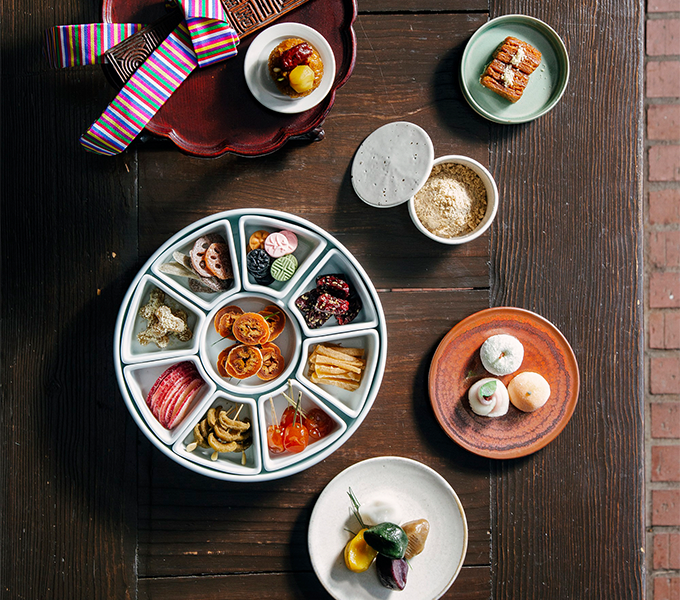
Contemporary Korean Cafe Revolution
Korean Cafe Culture Development: Contemporary Korean cafe culture represents dramatic transformation from traditional tea houses to sophisticated dessert destinations that blend international coffee culture with Korean creativity while creating distinctive Korean cafe identity and innovative dessert culture that attracts global attention and cultural appreciation.
Modern Korean Cafe Characteristics:
- Aesthetic Design: Instagram-worthy interior design emphasizing visual appeal
- Innovative Desserts: Creative dessert development showcasing Korean ingredients and creativity
- Cultural Fusion: Traditional Korean elements integrated with international cafe concepts
- Social Media Integration: Dessert presentation optimized for social media sharing and cultural promotion
Korean cafe culture development demonstrates contemporary Korean creativity while building cultural identity and economic opportunities through innovative dessert development and cultural expression that creates distinctive Korean cafe experiences and international recognition.
Korean Dessert Cafe Innovation: Korean dessert cafes pioneer innovative dessert concepts through creative presentation, unique flavor combinations, and aesthetic excellence that creates distinctive Korean dessert culture while building international recognition and cultural appreciation through innovative dessert development and creative entrepreneurship.
Korean dessert cafe innovation includes understanding contemporary consumer preferences, social media optimization, and cultural identity integration that creates successful business models while preserving Korean cultural elements and building appreciation for Korean creativity and cultural innovation through dessert excellence and aesthetic presentation.
Traditional Korean Ingredients in Modern Dessert Applications
Korean Traditional Ingredient Revival: Contemporary Korean dessert culture revives traditional Korean ingredients through modern dessert applications that showcase cultural heritage while creating innovative flavor profiles and aesthetic presentations that build appreciation for traditional Korean ingredients and cultural knowledge within contemporary dessert contexts.
Traditional Korean Dessert Ingredients:
- Red Bean (팥): Traditional Korean legume providing protein and distinctive sweetness
- Sweet Rice (찹쌀): Traditional Korean grain creating unique texture and cultural authenticity
- Traditional Korean Tea: Green tea, traditional herb teas for distinctive Korean flavoring
- Korean Traditional Fruits: Persimmon, Korean pear, traditional fruit varieties for authentic flavors
Traditional ingredient revival requires understanding authentic Korean ingredient characteristics, proper preparation methods, and cultural significance that creates innovative dessert applications while preserving traditional knowledge and cultural authenticity through creative innovation and traditional knowledge integration.
Korean Fermentation in Modern Desserts: Korean dessert innovation incorporates traditional fermentation techniques including makgeolli, traditional vinegars, and fermented ingredients that create unique flavor profiles while demonstrating Korean fermentation expertise and traditional knowledge application within contemporary dessert development and creative innovation.
Fermentation dessert applications include understanding traditional fermentation principles, flavor development techniques, and cultural significance that creates innovative dessert experiences while preserving traditional knowledge and cultural authenticity through creative fermentation application and traditional knowledge preservation.
Korean Dessert Aesthetic and Presentation Innovation
Korean Visual Aesthetic in Dessert Design: Korean dessert culture emphasizes visual beauty through color coordination, artistic presentation, and aesthetic excellence that reflects Korean cultural values while creating Instagram-worthy desserts that attract social media attention and cultural appreciation through visual artistry and cultural expression.
Korean dessert aesthetic includes understanding traditional Korean color principles, contemporary presentation techniques, and social media optimization that creates distinctive Korean dessert culture while building cultural identity and international recognition through aesthetic excellence and creative innovation.
Traditional Korean Color Philosophy in Modern Desserts: Korean dessert presentation incorporates traditional Korean color philosophy through natural coloring, seasonal coordination, and aesthetic harmony that creates culturally authentic dessert presentations while demonstrating traditional Korean aesthetic principles and cultural knowledge within contemporary dessert development.
Traditional color philosophy application requires understanding Korean aesthetic principles, natural coloring techniques, and cultural significance that creates authentic Korean dessert culture while preserving traditional knowledge and cultural identity through contemporary creative expression and aesthetic innovation.
Modern Korean Dessert Innovation and Creativity
Revolutionary Korean Dessert Concepts
Korean-Style Shaved Ice (Bingsu) Evolution: Korean bingsu represents revolutionary dessert innovation through traditional shaved ice transformation into sophisticated dessert experiences that showcase Korean creativity while maintaining cultural authenticity and building international recognition for Korean dessert innovation and cultural adaptation.
Contemporary Bingsu Innovation:
- Premium Ingredient Integration: Luxury ingredients enhancing traditional bingsu concepts
- Seasonal Flavor Development: Traditional Korean seasonal coordination with modern flavors
- Artistic Presentation: Instagram-optimized presentation maintaining cultural authenticity
- International Fusion: Global ingredient integration while preserving Korean identity
Modern bingsu development demonstrates Korean dessert innovation while preserving traditional concepts and cultural significance through creative adaptation and contemporary presentation that builds international appreciation for Korean dessert culture and traditional knowledge application.
Korean Bakery Revolution and Dessert Integration: Korean bakery culture integrates traditional Korean flavors with international baking techniques while creating distinctive Korean bakery desserts that showcase cultural fusion and creative innovation through traditional ingredient utilization and contemporary baking expertise.
Korean bakery innovation includes understanding traditional Korean flavors, contemporary baking techniques, and cultural identity integration that creates successful dessert products while building appreciation for Korean cultural creativity and traditional knowledge within contemporary bakery contexts and global markets.
Traditional Korean Rice Cake Dessert Innovation: Korean rice cake (tteok) culture experiences modern revival through innovative dessert applications that transform traditional rice cakes into contemporary dessert experiences while preserving cultural significance and traditional preparation knowledge through creative innovation and cultural preservation.
Modern Tteok Dessert Applications:
- Ice Cream Integration: Traditional rice cakes combined with contemporary ice cream concepts
- Cake Incorporation: Traditional tteok integrated into modern cake design and flavoring
- Fusion Dessert Creation: International dessert concepts enhanced with traditional Korean rice cakes
- Premium Presentation: Traditional rice cakes elevated through contemporary presentation techniques
Modern tteok dessert innovation requires understanding traditional rice cake knowledge, contemporary dessert techniques, and cultural significance that creates innovative dessert experiences while preserving traditional knowledge and cultural authenticity through creative adaptation and traditional knowledge application.
Korean Dessert Technology and Modern Production
Advanced Korean Dessert Production Techniques: Contemporary Korean dessert industry utilizes advanced production technology while maintaining traditional flavor principles and cultural authenticity through innovative manufacturing processes that create consistent quality while preserving cultural identity and traditional knowledge.
Advanced production includes understanding modern food technology, traditional flavor preservation, and cultural authenticity maintenance that creates successful commercial dessert production while building appreciation for Korean dessert culture and traditional knowledge within contemporary manufacturing contexts.
Korean Dessert Quality Control and Innovation: Korean dessert industry emphasizes quality control and continuous innovation through research and development that improves dessert quality while maintaining cultural authenticity and traditional knowledge preservation through technological advancement and cultural identity integration.
Quality control innovation includes understanding contemporary food safety, traditional knowledge preservation, and cultural authenticity maintenance that creates superior dessert products while building consumer confidence and cultural appreciation through continued innovation and traditional knowledge application.
Korean Dessert Entrepreneurship and Cultural Innovation
Small Business Korean Dessert Innovation: Korean dessert entrepreneurship demonstrates cultural creativity through small business development that showcases traditional knowledge while creating economic opportunities and cultural appreciation through innovative dessert concepts and cultural identity preservation.
Dessert entrepreneurship includes understanding market opportunities, cultural identity integration, and traditional knowledge application that creates successful business development while building appreciation for Korean dessert culture and traditional knowledge through entrepreneurial innovation and cultural creativity.
Korean Dessert Cultural Export and Global Recognition: Korean dessert culture achieves international recognition through cultural export, global franchise development, and cultural diplomacy that shares Korean dessert innovation while building global appreciation for Korean cultural creativity and traditional knowledge through international expansion and cultural exchange.
Cultural export includes understanding global markets, cultural adaptation requirements, and traditional knowledge preservation that creates successful international expansion while maintaining Korean dessert culture authenticity and building global appreciation for Korean cultural innovation and traditional knowledge application.
Regional Korean Dessert Specializations and Local Innovation
Seoul Metropolitan Dessert Culture
Gangnam District Dessert Innovation: Seoul’s Gangnam district leads Korean dessert innovation through premium dessert establishments, luxury ingredient utilization, and sophisticated presentation that creates high-end Korean dessert culture while demonstrating urban creativity and cultural sophistication through innovative dessert development.
Gangnam dessert culture includes understanding premium market positioning, luxury ingredient application, and sophisticated presentation techniques that create distinctive urban dessert culture while building appreciation for Korean dessert innovation and cultural creativity through high-end dessert experiences.
Hongdae University Area Creative Desserts: Seoul’s Hongdae area showcases youthful Korean dessert creativity through experimental concepts, artistic presentation, and cultural fusion that demonstrates generational innovation while maintaining Korean cultural identity through creative dessert development and artistic expression.
Hongdae dessert culture emphasizes creative experimentation, artistic presentation, and generational innovation that creates distinctive Korean dessert culture while building appreciation for Korean creativity and cultural adaptation through youthful innovation and artistic expression.
Traditional Seoul District Dessert Preservation: Traditional Seoul districts maintain Korean dessert heritage through traditional sweet shop preservation, cultural tourism integration, and traditional knowledge transmission that preserves Korean dessert culture while building appreciation for traditional knowledge and cultural heritage.
Traditional district dessert preservation includes understanding cultural heritage value, traditional knowledge maintenance, and tourism integration that creates cultural preservation while building appreciation for Korean dessert tradition and traditional knowledge through authentic cultural experiences.
Regional Korean Dessert Heritage
Jeju Island Unique Dessert Culture: Jeju Island develops distinctive dessert culture through local ingredient utilization, island aesthetic principles, and unique cultural identity that creates regional Korean dessert specialization while demonstrating local creativity and cultural adaptation through geographic and cultural distinctiveness.
Jeju Dessert Specializations:
- Tangerine Integration: Traditional Jeju tangerines in contemporary dessert applications
- Green Tea Innovation: Jeju green tea varieties in modern dessert development
- Island Aesthetic: Unique Jeju visual culture influencing dessert presentation
- Local Ingredient Utilization: Traditional Jeju ingredients in creative dessert concepts
Jeju dessert culture demonstrates regional Korean dessert diversity while preserving local cultural identity and building appreciation for regional Korean creativity and traditional knowledge through distinctive dessert development and cultural expression.
Busan Coastal Dessert Innovation: Busan develops coastal-influenced dessert culture through maritime aesthetic principles, seafront cafe culture, and regional identity integration that creates distinctive coastal Korean dessert culture while demonstrating regional adaptation and cultural creativity.
Busan coastal dessert culture includes understanding maritime influences, regional identity integration, and coastal lifestyle adaptation that creates distinctive regional dessert culture while building appreciation for Korean regional diversity and cultural adaptation through coastal dessert innovation.
Traditional Gyeongsang Province Dessert Heritage: Gyeongsang Province maintains traditional Korean dessert heritage through family recipe preservation, traditional technique maintenance, and cultural identity continuation that preserves regional Korean dessert culture while building appreciation for traditional knowledge and cultural heritage preservation.
Traditional Gyeongsang dessert heritage includes understanding family tradition preservation, traditional technique continuation, and cultural identity maintenance that creates authentic regional dessert culture while building appreciation for Korean traditional knowledge and cultural heritage through family tradition continuation.
Korean Dessert Fusion and International Influence
Korean-International Dessert Fusion Innovation
Korean-French Pastry Fusion: Korean dessert culture integrates with French pastry techniques through sophisticated fusion concepts that combine Korean traditional flavors with French pastry expertise while creating distinctive Korean-French dessert culture that demonstrates cultural creativity and international culinary integration.
Korean-French Fusion Applications:
- Traditional Korean Flavors in French Pastries: Red bean, sesame, traditional Korean ingredients in French pastry frameworks
- French Technique Korean Innovation: French pastry methods enhanced with Korean creativity and cultural identity
- Cultural Aesthetic Integration: Korean visual principles combined with French pastry presentation excellence
- Premium Ingredient Combination: Korean traditional ingredients elevated through French pastry sophistication
Korean-French fusion requires understanding both Korean traditional knowledge and French pastry techniques while maintaining cultural authenticity and creating innovative dessert experiences that demonstrate international culinary integration and cultural creativity.
Korean-Japanese Dessert Cultural Exchange: Korean dessert culture engages with Japanese dessert traditions through cultural exchange and creative adaptation that creates distinctive Korean-Japanese fusion desserts while maintaining cultural identity and building cultural appreciation through international culinary collaboration.
Korean-Japanese dessert exchange includes understanding cultural similarities, creative adaptation possibilities, and cultural identity maintenance that creates successful fusion desserts while building appreciation for Korean dessert culture and international culinary creativity through cultural exchange and collaboration.
Global Korean Dessert Recognition and Cultural Diplomacy
International Korean Dessert Expansion: Korean dessert culture achieves international expansion through franchise development, cultural export, and global market adaptation that shares Korean dessert innovation while building international appreciation for Korean cultural creativity and traditional knowledge through global business development.
International dessert expansion includes understanding global market requirements, cultural adaptation needs, and traditional knowledge preservation that creates successful international business while maintaining Korean dessert culture authenticity and building global appreciation for Korean cultural innovation.
Korean Dessert Cultural Ambassador Functions: Korean dessert culture serves cultural ambassador functions through international cultural programs, diplomatic activities, and cultural exchange that shares Korean creativity while building international understanding and appreciation for Korean cultural sophistication and traditional knowledge.
Cultural ambassador applications include understanding diplomatic functions, cultural education opportunities, and international relationship building that creates comprehensive Korean cultural experiences through dessert culture sharing and traditional knowledge transmission within international contexts and cultural diplomacy.
Korean Dessert Influence on Global Trends
Korean Dessert Trend Setting and Global Influence: Korean dessert innovation influences global dessert trends through creative concepts, aesthetic excellence, and cultural authenticity that demonstrates Korean cultural impact while building international recognition and appreciation for Korean creativity and cultural sophistication.
Global trend influence includes understanding trend development, international market impact, and cultural influence mechanisms that demonstrate Korean dessert culture’s global significance while building appreciation for Korean cultural creativity and innovation through international trend leadership.
Social Media Korean Dessert Global Impact: Korean dessert culture achieves global impact through social media sharing, viral content creation, and cultural appreciation building that demonstrates Korean cultural influence while spreading appreciation for Korean creativity and traditional knowledge through digital cultural exchange.
Social media impact includes understanding digital culture influence, content creation strategies, and cultural appreciation building that creates global Korean dessert culture awareness while building appreciation for Korean creativity and cultural innovation through digital cultural transmission and international engagement.
Contemporary Korean Dessert Trends and Social Media Culture
Instagram Culture and Korean Dessert Presentation
Visual-First Korean Dessert Development: Contemporary Korean dessert culture prioritizes visual appeal through Instagram-optimized presentation that creates shareable content while maintaining authentic Korean cultural elements and traditional knowledge integration that builds cultural appreciation through social media engagement and visual artistry.
Social Media Dessert Characteristics:
- Photogenic Presentation: Dessert design optimized for social media photography
- Color Coordination: Strategic color selection for visual impact and cultural authenticity
- Textural Contrast: Visual and textural elements creating engaging social media content
- Cultural Storytelling: Dessert presentation incorporating Korean cultural narratives and traditional knowledge
Visual-first dessert development requires understanding social media culture, visual presentation principles, and cultural authenticity maintenance that creates successful social media content while preserving Korean cultural identity and building appreciation for Korean creativity.
Korean Dessert Influencer Culture: Korean dessert culture benefits from social media influencer promotion through cultural content creation, dessert exploration, and cultural education that builds appreciation for Korean dessert innovation while preserving cultural knowledge and traditional understanding through digital cultural transmission.
Influencer culture includes understanding content creation strategies, cultural education integration, and authentic cultural representation that creates meaningful Korean dessert culture promotion while building appreciation for traditional knowledge and cultural creativity through social media cultural exchange.
Seasonal Korean Dessert Trends and Cultural Coordination
Traditional Korean Seasonal Dessert Adaptation: Contemporary Korean dessert culture maintains traditional seasonal coordination through modern dessert applications that reflect Korean seasonal wisdom while creating contemporary dessert experiences that demonstrate traditional knowledge preservation and cultural authenticity within modern contexts.
Seasonal Korean Dessert Applications:
- Spring Fresh Flavors: Traditional spring ingredients in contemporary dessert formats
- Summer Cooling Desserts: Traditional cooling concepts enhanced through modern dessert techniques
- Autumn Harvest Celebrations: Traditional harvest ingredients in creative dessert applications
- Winter Warming Comfort: Traditional warming concepts adapted for contemporary dessert consumption
Seasonal dessert coordination requires understanding traditional Korean seasonal wisdom, contemporary dessert techniques, and cultural authenticity maintenance that creates meaningful seasonal dessert experiences while preserving traditional knowledge and cultural values through continued seasonal practice.
Korean Holiday Dessert Innovation: Korean dessert culture creates innovative holiday-specific desserts that maintain traditional cultural significance while adapting to contemporary celebration patterns and social media culture that builds appreciation for Korean cultural traditions and creative innovation.
Holiday dessert innovation includes understanding traditional Korean holiday customs, contemporary celebration patterns, and cultural significance maintenance that creates meaningful holiday dessert experiences while preserving traditional knowledge and building cultural appreciation through creative adaptation.
Traditional Ingredients in Modern Dessert Applications
Korean Traditional Ingredient Renaissance
Red Bean (Adzuki) Modern Applications: Korean red bean achieves modern dessert renaissance through innovative applications that showcase traditional ingredient versatility while creating contemporary dessert experiences that demonstrate traditional knowledge preservation and creative adaptation within modern dessert development.
Modern Red Bean Dessert Applications:
- Ice Cream Integration: Traditional red bean flavoring in premium ice cream development
- Cake and Pastry Enhancement: Red bean filling and flavoring in contemporary baked goods
- Beverage Innovation: Red bean flavoring in modern beverage and drink development
- Fusion Dessert Creation: International dessert concepts enhanced with traditional Korean red bean
Modern red bean applications require understanding traditional ingredient characteristics, contemporary dessert techniques, and cultural authenticity maintenance that creates innovative dessert experiences while preserving traditional knowledge and cultural identity through creative ingredient utilization.
Korean Traditional Tea in Dessert Innovation: Korean traditional tea varieties including green tea, traditional herb teas, and cultural tea preparations achieve modern dessert applications through innovative integration that showcases traditional knowledge while creating distinctive Korean dessert flavoring and cultural authenticity.
Traditional tea dessert applications include understanding tea characteristics, flavor development techniques, and cultural significance maintenance that creates authentic Korean dessert experiences while preserving traditional knowledge and building appreciation for Korean tea culture through creative dessert integration.
Korean Traditional Rice Varieties in Modern Desserts: Korean traditional rice varieties including sweet rice, traditional rice preparations, and cultural rice applications achieve contemporary dessert integration through innovative techniques that demonstrate traditional grain knowledge while creating unique dessert textures and cultural authenticity.
Traditional rice dessert applications require understanding rice variety characteristics, modern dessert techniques, and cultural authenticity preservation that creates innovative dessert experiences while maintaining traditional knowledge and cultural identity through creative rice utilization and contemporary dessert development.
Fermented Korean Ingredients in Modern Dessert Development
Makgeolli Dessert Innovation: Korean traditional rice wine (makgeolli) achieves innovative dessert applications through creative integration that showcases fermentation expertise while creating unique flavor profiles and cultural authenticity that demonstrates traditional knowledge preservation within contemporary dessert contexts.
Makgeolli dessert applications include understanding fermentation characteristics, alcohol content management, and cultural significance maintenance that creates authentic Korean dessert experiences while preserving traditional knowledge and building appreciation for Korean fermentation culture through creative dessert integration.
Traditional Korean Vinegar in Dessert Applications: Korean traditional vinegar varieties achieve modern dessert applications through innovative integration that creates unique flavor profiles while demonstrating traditional fermentation knowledge and cultural authenticity within contemporary dessert development and creative innovation.
Traditional vinegar dessert applications require understanding fermentation principles, flavor balance techniques, and cultural authenticity maintenance that creates distinctive Korean dessert experiences while preserving traditional knowledge and cultural identity through creative fermentation application.
Practical Korean Dessert Experience and Cultural Integration
Authentic Korean Dessert Experience Opportunities
Traditional Korean Sweet Shop Experiences: Authentic Korean traditional sweet shops provide comprehensive cultural education through traditional preparation observation, cultural context learning, and authentic traditional sweet consumption that demonstrates Korean traditional knowledge while preserving cultural heritage and building authentic appreciation.
Traditional sweet shop experiences include understanding traditional preparation techniques, cultural significance appreciation, and traditional knowledge learning that create meaningful Korean cultural education while supporting traditional knowledge preservation and cultural heritage maintenance through authentic cultural participation.
Modern Korean Dessert Cafe Exploration: Contemporary Korean dessert cafes provide innovative dessert experiences through creative presentation, cultural fusion exploration, and contemporary Korean creativity appreciation that demonstrates modern Korean cultural development while maintaining traditional knowledge integration and cultural identity preservation.
Modern dessert cafe exploration includes understanding contemporary Korean creativity, traditional knowledge integration, and cultural identity maintenance that creates comprehensive Korean dessert culture education while building appreciation for Korean innovation and cultural evolution through authentic contemporary experiences.
Home Practice and Cultural Learning
Korean Traditional Sweet Preparation Learning: Korean traditional sweet preparation provides hands-on cultural education through traditional technique learning, cultural knowledge acquisition, and authentic preparation practice that enables personal cultural participation while preserving traditional knowledge and building cultural appreciation.
Traditional Sweet Home Practice:
- Basic Han-gwa Preparation: Traditional Korean confectionery techniques for home application
- Traditional Ingredient Utilization: Authentic Korean ingredient sourcing and preparation methods
- Cultural Context Learning: Understanding traditional sweet cultural significance and applications
- Family Tradition Building: Creating family traditions through Korean traditional sweet preparation
Traditional sweet preparation learning requires understanding traditional techniques, cultural significance, and authentic ingredient utilization that creates meaningful personal practice while supporting traditional knowledge preservation and cultural appreciation through authentic home practice and cultural learning.
Modern Korean Dessert Innovation at Home: Contemporary Korean dessert techniques adapt for home practice through accessible methods that maintain cultural authenticity while enabling creative innovation and cultural appreciation that demonstrates Korean dessert culture principles within home contexts and family practice.
Home dessert innovation includes understanding contemporary techniques, traditional ingredient integration, and cultural authenticity maintenance that creates meaningful personal dessert experiences while building appreciation for Korean creativity and cultural innovation through authentic home practice and creative exploration.
Cultural Education and Traditional Knowledge Appreciation
Korean Dessert Cultural Context Understanding: Korean dessert culture appreciation requires understanding traditional knowledge, cultural significance, and contemporary innovation that creates comprehensive cultural education while building authentic appreciation for Korean creativity and traditional knowledge preservation through educational engagement and cultural learning.
Cultural context understanding includes traditional knowledge appreciation, contemporary innovation recognition, and cultural identity understanding that creates meaningful Korean dessert culture education while building appreciation for Korean cultural creativity and traditional knowledge through educational participation and cultural engagement.
Traditional Knowledge Preservation Support: Korean dessert culture preservation benefits from individual appreciation, cultural education participation, and traditional knowledge support that contributes to cultural heritage maintenance while building personal cultural understanding and appreciation for Korean traditional knowledge and cultural creativity.
Traditional knowledge preservation support includes understanding preservation importance, cultural education participation, and authentic cultural engagement that supports Korean dessert culture maintenance while building personal cultural appreciation and contributing to traditional knowledge preservation through respectful cultural participation.
STELLA’S LOCAL SECRET The “Korean Dessert Cultural Timeline Experience” Experience Korean dessert evolution by visiting traditional han-gwa shops in Insadong (morning), modern dessert cafes in Gangnam (afternoon), and innovative fusion dessert establishments in Hongdae (evening). This timeline approach demonstrates Korean dessert culture evolution from traditional to contemporary while building appreciation for cultural creativity and traditional knowledge preservation through comprehensive cultural experience and authentic cultural participation.
Frequently Asked Questions
Q: What makes Korean desserts different from other Asian dessert traditions? Korean desserts emphasize natural sweetening (honey, fruit sugars), subtle flavors, and cultural significance over pure sweetness. Unlike Japanese wagashi’s extreme refinement or Chinese desserts’ bold flavors, Korean desserts balance tradition with innovation while maintaining cultural authenticity and seasonal coordination that reflects Korean aesthetic principles and traditional knowledge.
Q: Are Korean traditional sweets healthy compared to modern desserts? Traditional Korean sweets often use natural sweeteners, whole grains, and minimal processing, providing better nutritional profiles than heavily processed modern desserts. However, they’re still treats requiring moderation. Contemporary Korean desserts vary widely in healthiness depending on ingredients and preparation methods used.
Q: Where can I find authentic Korean traditional sweets outside Korea? Korean grocery stores often carry basic han-gwa varieties, while Korean cultural centers sometimes offer traditional sweet-making workshops. Some Korean bakeries produce traditional sweets, though quality and authenticity vary. Online retailers provide broader selection, especially for special occasions and cultural celebrations.
Q: How difficult is it to make Korean traditional sweets at home? Basic Korean sweets like simple yakgwa or dasik are moderately challenging, requiring specific techniques and ingredients. Traditional methods often need practice for proper texture and flavor development. Start with simpler recipes and gradually advance to more complex preparations while learning traditional techniques and cultural context.
Q: What role do Korean desserts play in cultural celebrations? Korean desserts serve essential functions in cultural celebrations including ancestral ceremonies (specific han-gwa offerings), weddings (prosperity symbols), and seasonal festivals (harvest celebrations). Understanding cultural context enhances appreciation while demonstrating respect for Korean traditional knowledge and cultural customs.
Q: How has social media influenced Korean dessert culture? Social media, especially Instagram, dramatically influences Korean dessert presentation and innovation, emphasizing visual appeal and shareability. This has accelerated innovation and global recognition while sometimes prioritizing appearance over traditional cultural significance. Authentic establishments balance visual appeal with cultural authenticity.
Q: Can I experience Korean dessert culture authentically as a tourist? Yes, through traditional sweet shops in cultural areas (Insadong, Bukchon), temple stay programs with traditional sweet preparation, cultural workshops, and authentic dessert cafes that maintain cultural context. Seek experiences that include cultural education rather than just consumption for meaningful cultural engagement.
Q: What Korean dessert ingredients should I know about? Essential Korean dessert ingredients include red beans (팥), sweet rice (찹쌀), honey, sesame, pine nuts, traditional Korean tea varieties, and seasonal Korean fruits. Understanding these ingredients’ cultural significance and traditional applications enhances dessert appreciation and cultural understanding.
Q: How do Korean desserts reflect seasonal changes? Korean desserts traditionally coordinate with seasonal patterns, utilizing seasonal ingredients and providing appropriate nutrition (cooling summer desserts, warming winter preparations). Contemporary Korean dessert culture maintains this seasonal awareness while adapting to modern contexts and global ingredient availability.
Q: What’s the future of Korean dessert culture? Korean dessert culture continues evolving through global expansion, traditional knowledge preservation, and creative innovation. Future trends likely include sustainable practices, health-conscious adaptations, and continued global cultural exchange while maintaining Korean cultural identity and traditional knowledge integration within contemporary dessert development.
Celebrating Korea’s Sweet Revolution and Cultural Creativity
You now possess comprehensive knowledge to approach Korean dessert culture with deep understanding of what makes Korean sweet transformation represent cultural creativity, traditional knowledge preservation, and innovative adaptation that transforms simple dessert consumption into meaningful expressions of Korean cultural evolution, artistic innovation, and successful cultural fusion connecting contemporary creativity with centuries of Korean traditional knowledge and cultural heritage.
You’ve learned exactly what distinguishes Korean dessert revolution through traditional foundations, contemporary innovation, and cultural authenticity maintenance, why specific Korean ingredients create unique modern applications while preserving cultural identity and traditional knowledge, how Korean dessert culture balances traditional preservation with contemporary creativity while building international recognition and cultural appreciation, and what appropriate dessert appreciation demonstrates about Korean cultural understanding and creative recognition.
You understand Korean dessert revolution’s importance through historical development, cultural significance, and contemporary innovation while gaining practical knowledge including traditional knowledge appreciation, contemporary innovation recognition, cultural context understanding, and authentic experience opportunities that enhance meaningful Korean dessert experiences and cultural learning through traditional knowledge integration and creative appreciation.
Most importantly, you understand that Korean dessert revolution represents far more than trendy sweet innovations. It preserves Korean cultural creativity while demonstrating successful cultural adaptation, traditional knowledge preservation, and innovative capability that enriches human understanding of tradition’s role in innovation, cultural identity in global contexts, and creative adaptation through food culture development that builds cultural pride and international appreciation.
Walking into authentic Korean dessert experiences means participating in living cultural innovation where traditional knowledge continues inspiring contemporary creativity, where cultural identity maintains authenticity within global contexts, where innovative adaptation demonstrates Korean cultural resilience and creativity while preserving traditional knowledge and building international cultural appreciation.
Your thoughtful engagement with Korean dessert culture supports traditional knowledge preservation while contributing to cultural understanding and creative appreciation that benefits both Korean heritage preservation and international cultural exchange through respectful participation in traditional customs and contemporary innovations that demonstrate cultural sophistication and creative excellence recognition.
The Korean dessert experience awaits through authentic traditional sweet shops, innovative contemporary cafes, cultural learning opportunities, and creative exploration possibilities. Traditional knowledge continues inspiring contemporary innovation while cultural identity maintains global authenticity. Creative adaptation continues building international recognition while traditional preservation ensures cultural continuity. Your Korean dessert revolution journey is about to begin.