
Discovering Korea’s Sophisticated Dining Culture and Culinary Balance
Have you ever wondered why Korean banchan culture represents one of the world’s most sophisticated dining traditions while creating harmonious meal experiences that transform simple side dishes into expressions of Korean culinary artistry, nutritional wisdom, and cultural sophistication through traditional understanding of flavor balance, visual presentation, and meal composition that elevates dining into aesthetic and cultural experiences, what makes Korean side dish preparation develop such extraordinary variety and complexity from seasonal vegetables while demonstrating Korean mastery of fermentation, preservation, and cooking techniques that create optimal nutrition and flavor harmony within comprehensive dining systems, how Korean banchan culture balances individual dish excellence with overall meal coordination while maintaining traditional preparation methods and cultural authenticity through centuries of culinary refinement and traditional knowledge preservation, and why understanding Korean banchan culture provides essential insight into Korean aesthetic principles, nutritional wisdom, and cultural values that makes side dish preparation into demonstrations of Korean culinary sophistication and traditional knowledge about optimal nutrition and dining harmony?
Where ancient Korean nutritional wisdom meets culinary artistry through banchan preparation that creates optimal meal balance while demonstrating traditional Korean understanding of flavor coordination, seasonal ingredient utilization, and visual presentation that connects contemporary dining with traditional Korean dietary knowledge and cultural values, where traditional Korean hospitality expresses itself through banchan variety and preparation excellence that creates generous dining experiences while preserving cultural values and demonstrating community care through abundant side dish preparation and traditional knowledge application? Where Korean seasonal awareness guides banchan selection and preparation timing through traditional understanding of seasonal nutrition and optimal dietary coordination that connects contemporary banchan culture with traditional Korean seasonal wisdom and cultural customs through continued seasonal practice and traditional knowledge preservation?
Korean Banchan Culture (한국 반찬 문화) offers exactly this extraordinary intersection of nutrition, artistry, tradition, and cultural sophistication – but only if you understand what makes Korean banchan unique beyond “Korean side dishes,” why specific banchan varieties create optimal meal harmony while maintaining cultural authenticity and traditional preparation methods, how Korean banchan traditions demonstrate nutritional wisdom and cultural values while preserving traditional knowledge and culinary excellence, and what distinguishes authentic Korean banchan culture from simplified commercial adaptations that miss essential cultural significance and traditional knowledge preservation.
For culinary sophistication and cultural appreciation enthusiasts especially, Korean banchan culture presents fascinating complexity because unlike simple side dish preparation, Korean banchan tradition encompasses complete culinary philosophy including nutritional balance principles, aesthetic presentation standards, seasonal coordination wisdom, and cultural significance that transforms meal preparation into cultural education and culinary artistry through authentic participation and traditional knowledge integration.
Most people approach Korean banchan as interesting side dishes without understanding sophisticated culinary knowledge behind banchan selection and preparation, traditional Korean understanding of nutritional balance and meal composition that creates optimal dining experiences through careful banchan coordination, seasonal banchan patterns that reflect Korean agricultural wisdom and traditional dietary knowledge, or cultural customs surrounding banchan preparation that demonstrate Korean values of hospitality, abundance, and culinary excellence through traditional practice and cultural preservation.
I understand that superficial engagement completely. My first Korean banchan experiences (restaurant side dish service and casual banchan consumption) provided interesting flavors but missed entirely the nutritional philosophy, cultural significance, and culinary sophistication that make authentic Korean banchan culture represent broader Korean approaches to nutrition, hospitality, and cultural preservation through side dish preparation and traditional knowledge that creates dining experiences reflecting Korean culinary wisdom and cultural values.
That’s why this comprehensive guide exists. I’m going to share everything you need to transform Korean banchan from side dishes into understanding of Korean culinary sophistication that demonstrates traditional nutritional wisdom, cultural values, and aesthetic principles through accessible, harmonious format. You’ll learn exactly what makes Korean banchan culture distinctive through traditional knowledge and culinary excellence, why specific banchan varieties create optimal meal balance while preserving cultural authenticity and traditional preparation methods, how Korean banchan customs demonstrate nutritional wisdom and cultural sophistication while maintaining traditional knowledge and aesthetic standards, and what appropriate banchan appreciation demonstrates about Korean cultural understanding and culinary respect.
You’ll understand Korean banchan culture’s importance through nutritional foundations, cultural significance, and contemporary relevance while gaining practical knowledge including banchan identification, preparation appreciation, nutritional understanding, and cultural context recognition that enhance authentic Korean dining experiences and culinary education. By the end of this guide, you’ll know how to appreciate Korean banchan with understanding that transforms side dish consumption into culinary education, meal composition into nutritional wisdom, and traditional preparation into recognition of Korean culinary sophistication and cultural heritage preservation.
Most importantly, you’ll grasp why Korean banchan culture matters beyond delicious side dishes – as preservation of Korean culinary wisdom, demonstration of Korean aesthetic principles, and expression of Korean cultural values that enriches human understanding of food’s role in nutritional harmony, cultural identity, and culinary artistry through continued practice and traditional knowledge transmission across generations of Korean families and culinary communities seeking dining excellence and cultural preservation through banchan culture.
Historical Development of Korean Banchan Culture and Culinary Philosophy
Ancient Korean Meal Composition and Nutritional Wisdom
Traditional Korean Dietary Balance Origins: Korean banchan culture traces back thousands of years to early Korean Peninsula communities that developed sophisticated understanding of nutritional balance and meal composition while creating traditional knowledge about optimal dietary variety and seasonal nutrition that established foundations for Korean banchan traditions through continued agricultural knowledge and cultural preservation.
Ancient Korean communities emphasized dietary variety through traditional observation of nutritional requirements, seasonal ingredient availability, and community health patterns that created early banchan practices while preserving traditional knowledge about optimal nutrition and meal composition through continued traditional practice and cultural transmission.
Early Korean banchan development included seasonal vegetable utilization, traditional preservation techniques, and community food preparation that created nutritional variety while ensuring food security and cultural continuity through shared knowledge about optimal dietary balance and traditional preparation methods.
Traditional Korean Agricultural Integration: Korean banchan culture developed through agricultural community integration that utilized seasonal vegetables, traditional farming knowledge, and community cooperation while creating sustainable food systems and cultural traditions that preserved traditional knowledge about agricultural optimization and dietary wisdom through continued farming community practice and cultural preservation.
Agricultural Banchan Development Elements:
- Seasonal Vegetable Emphasis: Traditional Korean farming communities creating banchan variety through seasonal vegetable cultivation and utilization
- Preservation Technique Innovation: Traditional Korean preservation methods enabling year-round banchan variety and nutritional security
- Community Knowledge Sharing: Traditional farming communities preserving banchan preparation knowledge through community cooperation and cultural transmission
- Agricultural Optimization: Traditional Korean farming practices maximizing banchan ingredient variety and quality through sustainable agriculture
Agricultural banchan integration required understanding seasonal coordination, traditional preservation methods, and community cooperation that created sustainable banchan culture while preserving traditional knowledge and cultural authenticity through continued agricultural community practice and traditional knowledge preservation.
Traditional Korean Family Meal Structure: Korean families developed sophisticated meal structure through banchan variety coordination, family preparation cooperation, and cultural tradition preservation that created comprehensive dining experiences while preserving traditional knowledge about optimal meal composition and family cultural values through continued family practice and cultural transmission.
Traditional family meal structure included understanding nutritional balance principles, family preparation cooperation, and cultural value preservation that created meaningful family dining while maintaining traditional knowledge and cultural authenticity through continued family practice and intergenerational cultural education.
Royal Court and Aristocratic Banchan Refinement
Joseon Dynasty Court Banchan Excellence: Joseon Dynasty period (1392-1910) saw Korean banchan culture achieve extraordinary refinement through royal court development and aristocratic patronage that created sophisticated banchan preparations while maintaining traditional nutritional principles and cultural significance through institutional support and cultural recognition.
Royal Court Banchan Characteristics: Joseon royal court developed elaborate banchan systems featuring premium ingredients, artistic presentation, and cultural protocols that demonstrated royal culinary sophistication while preserving traditional Korean banchan principles and nutritional wisdom through institutional banchan culture development.
Royal court banchan culture required understanding premium ingredient utilization, sophisticated presentation techniques, and cultural protocol maintenance that created refined dining experiences while preserving traditional knowledge and cultural authenticity through continued royal court practice and cultural preservation.
Aristocratic Family Banchan Traditions: Korean aristocratic families developed elaborate banchan traditions including family-specific preparations, seasonal banchan customs, and cultural refinement practices that preserved traditional knowledge while creating social distinction and cultural education opportunities through traditional banchan preparation and family cultural preservation.
Aristocratic banchan culture often included extensive preparation knowledge, family recipe preservation, and cultural education that maintained traditional knowledge while creating opportunities for cultural bonding and culinary skill development through hands-on banchan preparation and traditional knowledge acquisition within aristocratic family contexts.
Traditional Korean Banchan Equipment and Technique Development: Joseon period saw sophisticated banchan equipment development through traditional Korean pottery, fermentation vessels, and preservation tools that created optimal banchan preparation conditions while preserving traditional knowledge and cultural authenticity through continued traditional equipment utilization and cultural practice.
Traditional equipment development included understanding optimal preservation conditions, fermentation environment requirements, and presentation vessel design that created superior banchan results while maintaining traditional knowledge and cultural authenticity through continued traditional equipment appreciation and cultural preservation.
Modern Korean Banchan Evolution and Contemporary Adaptation
Japanese Colonial Period and Banchan Preservation: Japanese colonial period (1910-1945) influenced Korean banchan culture through cultural pressure and ingredient changes while Korean families maintained traditional banchan preparation through cultural resistance and identity preservation that strengthened traditional knowledge and cultural continuity during challenging historical circumstances.
Colonial period banchan preservation demonstrated Korean cultural resilience through continued traditional preparation, family recipe maintenance, and cultural identity preservation that protected Korean banchan traditions while adapting to difficult circumstances and maintaining traditional knowledge through family cooperation and cultural preservation efforts.
Post-Liberation Banchan Revival: Korean liberation and economic development periods saw banchan culture revival through traditional knowledge recovery, family tradition restoration, and cultural identity rebuilding that recreated Korean banchan culture while serving contemporary communities through traditional knowledge preservation and cultural education.
Post-liberation banchan development emphasized traditional knowledge recovery, cultural identity restoration, and family custom revival that rebuilt Korean banchan culture while maintaining traditional authenticity and cultural significance through continued traditional practice and cultural preservation efforts.
Contemporary Korean Banchan Innovation: Modern Korean banchan culture achieves contemporary relevance through traditional knowledge preservation, health consciousness integration, and global appreciation building while maintaining cultural authenticity and traditional preparation methods through continued traditional practice and contemporary adaptation within modern contexts.
Contemporary banchan innovation includes understanding traditional knowledge integration, health benefit emphasis, and cultural authenticity maintenance that creates modern banchan experiences while preserving traditional knowledge and cultural identity through continued innovative practice and cultural preservation within contemporary dining contexts.
Essential Korean Banchan Categories and Traditional Preparation
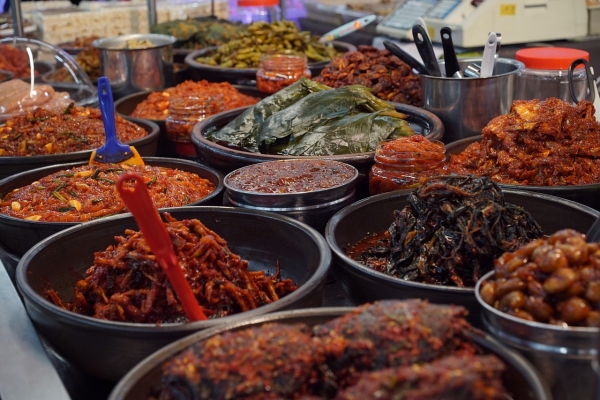
Fermented Korean Banchan Excellence
Kimchi Varieties and Fermentation Mastery: Kimchi represents Korean banchan culture pinnacle through sophisticated fermentation techniques that create complex flavors and beneficial bacteria while demonstrating traditional Korean understanding of fermentation science and seasonal coordination that produces optimal nutritional and flavor results through traditional preparation methods and cultural knowledge preservation.
Traditional Kimchi Banchan Varieties:
- Baechu Kimchi (배추김치): Traditional napa cabbage kimchi providing classic Korean fermentation excellence and cultural significance
- Kkakdugi (깍두기): Traditional cubed radish kimchi offering distinctive texture and fermentation characteristics
- Oi Sobagi (오이소박이): Traditional stuffed cucumber kimchi providing seasonal freshness and fermentation innovation
- Dongchimi (동치미): Traditional water kimchi creating refreshing fermentation with unique cultural significance
Traditional kimchi preparation requires understanding fermentation timing, optimal salt concentration, and seasonal coordination that creates authentic Korean kimchi while preserving traditional knowledge and cultural authenticity through continued traditional fermentation practice and cultural preservation.
Traditional Korean Pickle Banchan (Jangajji): Korean jangajji showcases traditional preservation expertise through vegetable pickling that creates long-term storage solutions while maintaining nutritional value and developing complex flavors through traditional pickling knowledge and seasonal preservation wisdom.
Traditional Jangajji Varieties:
- Oi Jangajji (오이장아찌): Traditional cucumber pickles providing crisp texture and traditional preservation excellence
- Mu Jangajji (무장아찌): Traditional radish pickles offering substantial texture and traditional Korean flavoring
- Gat Jangajji (갓장아찌): Traditional mustard green pickles creating distinctive Korean flavors and preservation innovation
- Mixed Vegetable Jangajji: Traditional combination pickles showcasing seasonal vegetable variety and preservation expertise
Traditional jangajji preparation requires understanding traditional pickling solutions, optimal vegetable selection, and preservation timing that creates authentic Korean pickles while preserving traditional knowledge and cultural authenticity through continued traditional preservation practice.
Fresh Korean Banchan and Seasonal Vegetables
Namul (나물) – Seasoned Vegetable Excellence: Korean namul represents sophisticated vegetable preparation through seasoning mastery that creates optimal nutrition and flavor while demonstrating traditional Korean understanding of vegetable preparation techniques and seasonal coordination that maximizes ingredient quality and nutritional benefits.
Traditional Namul Preparation Categories:
- Spinach Namul (시금치나물): Traditional spinach preparation showcasing Korean vegetable seasoning expertise and nutritional optimization
- Bracken Fern Namul (고사리나물): Traditional mountain vegetable preparation demonstrating Korean foraging knowledge and seasonal coordination
- Mung Bean Sprout Namul (숙주나물): Traditional bean sprout preparation providing texture variety and traditional Korean flavoring
- Bellflower Root Namul (도라지나물): Traditional root vegetable preparation showcasing Korean medicinal food knowledge and cultural significance
Traditional namul preparation requires understanding optimal vegetable selection, appropriate seasoning balance, and cultural significance appreciation that creates authentic Korean vegetable banchan while preserving traditional knowledge and cultural authenticity through continued traditional preparation and cultural practice.
Traditional Korean Muchim (무침) – Fresh Mixed Salads: Korean muchim demonstrates fresh vegetable preparation excellence through raw vegetable seasoning that creates refreshing banchan while preserving maximum nutritional content and providing textural variety within Korean meal composition and cultural dining experiences.
Traditional muchim preparation includes understanding fresh vegetable optimization, seasoning balance mastery, and textural contrast creation that produces optimal fresh banchan while maintaining traditional knowledge and cultural authenticity through continued fresh preparation practice and cultural preservation.
Traditional Korean Protein Banchan
Myeolchi Bokkeum (멸치볶음) – Anchovy Banchan Excellence: Traditional Korean anchovy preparations demonstrate protein banchan mastery through small fish utilization that creates concentrated nutrition and umami flavors while showcasing traditional Korean understanding of seafood preservation and protein optimization within banchan culture and meal composition.
Traditional Anchovy Banchan Varieties:
- Dried Anchovy Stir-fry: Traditional anchovy preparation providing protein concentration and traditional Korean flavoring excellence
- Anchovy and Peanut Combination: Traditional protein and nut combination creating nutritional variety and textural contrast
- Seasoned Anchovy Preparations: Traditional anchovy seasoning showcasing Korean flavor balance and traditional preparation techniques
- Regional Anchovy Specializations: Traditional regional anchovy preparations demonstrating local knowledge and cultural variation
Traditional anchovy banchan requires understanding optimal anchovy selection, appropriate seasoning balance, and traditional preparation techniques that create authentic Korean protein banchan while preserving traditional knowledge and cultural authenticity through continued traditional seafood preparation practice.
Traditional Korean Egg Banchan (Gyeran): Korean egg banchan demonstrates protein preparation versatility through various egg cooking techniques that create nutritional variety and visual appeal while showcasing traditional Korean understanding of protein preparation and meal composition within banchan culture and dietary balance.
Traditional egg banchan includes understanding optimal cooking techniques, seasoning integration, and presentation standards that create appealing protein banchan while maintaining traditional knowledge and cultural authenticity through continued traditional egg preparation practice and cultural preservation.
Traditional Korean Bean and Legume Banchan: Korean bean banchan showcases legume preparation expertise through various traditional cooking methods that create protein-rich banchan while demonstrating traditional Korean understanding of legume nutrition and preparation techniques within traditional dietary wisdom and cultural food practices.
Traditional bean banchan preparation requires understanding legume cooking optimization, seasoning coordination, and nutritional balance that creates authentic Korean legume banchan while preserving traditional knowledge and cultural authenticity through continued traditional legume preparation and cultural practice.
Korean Banchan Nutritional Philosophy and Dietary Wisdom
Traditional Korean Meal Balance and Nutritional Harmony
Korean Banchan Nutritional Coordination: Korean banchan culture demonstrates sophisticated understanding of nutritional balance through meal composition that optimizes macro and micronutrient variety while creating satisfying dining experiences that support health and wellness through traditional knowledge about optimal dietary coordination and nutritional harmony within cultural dining systems.
Traditional Nutritional Balance Elements:
- Macronutrient Distribution: Korean banchan providing balanced carbohydrate, protein, and fat distribution within meal composition
- Micronutrient Variety: Traditional banchan selection ensuring vitamin and mineral diversity through seasonal vegetable variety
- Fiber and Digestive Support: Korean banchan emphasizing high-fiber vegetables and fermented foods supporting digestive health
- Antioxidant and Phytonutrient Content: Traditional banchan providing plant compound variety supporting overall health and wellness
Traditional nutritional coordination requires understanding dietary balance principles, optimal nutrient distribution, and health support that creates nutritionally superior dining while preserving traditional knowledge and cultural authenticity through continued nutritional wisdom application and cultural practice.
Korean Banchan Digestive Optimization: Korean banchan culture emphasizes digestive health through fermented food integration, fiber provision, and traditional understanding of digestive support that creates optimal meal digestion while demonstrating traditional Korean knowledge about digestive wellness and nutritional optimization.
Traditional digestive optimization includes understanding fermentation benefits, fiber importance, and digestive support principles that create optimal meal digestion while maintaining traditional knowledge and cultural authenticity through continued digestive wisdom application and traditional practice.
Traditional Korean Color and Nutrient Philosophy: Korean banchan culture integrates traditional color philosophy with nutritional understanding through rainbow banchan selection that ensures nutrient variety while creating visual appeal and cultural significance that demonstrates traditional Korean understanding of nutrition through color diversity and aesthetic principles.
Color nutrition philosophy requires understanding traditional color significance, nutrient variety coordination, and aesthetic principles that create nutritionally and visually optimal banchan while preserving traditional knowledge and cultural authenticity through continued traditional philosophy application and cultural practice.
Seasonal Korean Banchan and Health Coordination
Spring Banchan and Seasonal Detoxification: Korean spring banchan emphasizes seasonal detoxification through fresh vegetable selection and traditional preparation methods that support seasonal health transitions while demonstrating traditional Korean understanding of spring nutrition and optimal seasonal dietary coordination through continued spring practice and cultural preservation.
Spring Banchan Seasonal Elements:
- Fresh Spring Vegetable Emphasis: Traditional spring banchan utilizing fresh seasonal vegetables supporting seasonal health transitions
- Detoxification Support: Spring banchan selection providing liver support and traditional detoxification through seasonal ingredient coordination
- Renewal and Energy: Traditional spring preparations providing energy support and seasonal renewal through traditional nutritional wisdom
- Traditional Spring Preparation: Seasonal banchan preparation methods adapted for spring health requirements and cultural customs
Spring banchan preparation requires understanding seasonal health needs, traditional detoxification principles, and cultural seasonal customs that creates appropriate seasonal nutrition while preserving traditional knowledge and cultural authenticity through continued spring practice and seasonal coordination.
Summer Banchan Cooling and Hydration: Korean summer banchan provides cooling nutrition and hydration support through appropriate ingredient selection and preparation methods that address summer health challenges while maintaining traditional Korean understanding of seasonal dietary requirements and cultural adaptation to seasonal conditions.
Summer banchan adaptation includes understanding cooling ingredient selection, hydration support principles, and traditional summer preparation that creates appropriate seasonal nutrition while preserving traditional knowledge and cultural authenticity through continued summer practice and seasonal adaptation.
Autumn Banchan Harvest Nutrition: Korean autumn banchan celebrates harvest abundance while preparing for winter through nutritious seasonal ingredients and traditional preservation methods that create optimal autumn nutrition while demonstrating traditional Korean understanding of seasonal preparation and cultural harvest customs.
Autumn banchan preparation includes understanding harvest ingredient utilization, traditional preservation coordination, and seasonal nutrition optimization that creates meaningful seasonal nutrition while preserving traditional knowledge and cultural authenticity through continued harvest practice and cultural preservation.
Winter Banchan Warming and Immunity: Korean winter banchan provides essential warming nutrition and immune support through hearty preparation methods and immunity-supporting ingredients that address winter health challenges while demonstrating traditional Korean understanding of winter nutrition and seasonal health maintenance.
Winter banchan traditions require understanding winter nutritional needs, immunity support principles, and traditional warming techniques that creates effective winter nutrition while preserving traditional knowledge and cultural authenticity through continued winter practice and seasonal health wisdom.
Regional Korean Banchan Variations and Local Specializations
Seoul Metropolitan Banchan Culture
Urban Seoul Banchan Innovation: Seoul banchan culture combines traditional Korean banchan knowledge with urban convenience, contemporary presentation, and international influences while maintaining cultural authenticity through continued traditional preparation and urban adaptation that serves diverse metropolitan communities.
Seoul Urban Banchan Characteristics:
- Traditional Preparation with Modern Convenience: Urban banchan maintaining traditional authenticity while adapting to contemporary lifestyle requirements
- Premium Ingredient Access: Seoul banchan culture utilizing premium ingredients and sophisticated sourcing for enhanced quality
- International Influence Integration: Urban banchan incorporating global influences while preserving Korean cultural identity and traditional knowledge
- Cultural Tourism Banchan: Seoul establishments providing authentic banchan experiences for cultural education and traditional knowledge sharing
Seoul urban banchan culture requires understanding metropolitan lifestyle adaptation, traditional knowledge preservation, and cultural authenticity maintenance that creates meaningful urban banchan experiences while preserving traditional knowledge and cultural identity through continued urban practice and cultural preservation.
Gangnam District Premium Banchan Culture: Seoul’s Gangnam district develops luxury banchan experiences through premium ingredient utilization, sophisticated presentation, and high-end service while maintaining traditional Korean banchan principles and cultural significance through continued luxury practice and traditional knowledge preservation.
Gangnam banchan culture includes understanding luxury market positioning, traditional knowledge excellence, and cultural sophistication maintenance that creates premium banchan experiences while preserving traditional knowledge and cultural authenticity through continued luxury development and cultural appreciation.
Regional Korean Banchan Heritage Preservation
Jeonju Traditional Banchan Excellence: Jeonju maintains exceptional traditional banchan culture through culinary excellence, traditional knowledge preservation, and cultural heritage maintenance that creates authentic traditional banchan experiences while demonstrating regional Korean banchan excellence and cultural sophistication through continued heritage practice.
Jeonju Banchan Heritage Elements:
- Traditional Preparation Mastery: Jeonju banchan preparation demonstrating exceptional traditional technique and cultural knowledge preservation
- Family Recipe Preservation: Traditional Jeonju families maintaining ancestral banchan recipes and preparation methods
- Cultural Heritage Integration: Jeonju banchan culture integrated with cultural heritage preservation and traditional knowledge education
- Regional Identity Preservation: Traditional Jeonju banchan maintaining regional cultural identity while contributing to national banchan culture
Jeonju banchan excellence requires understanding traditional preparation mastery, cultural heritage preservation, and regional identity maintenance that creates exceptional banchan experiences while preserving traditional knowledge and cultural authenticity through continued heritage practice and cultural preservation.
Jeolla Province Banchan Culinary Sophistication: Jeolla Province maintains Korea’s reputation for culinary excellence through sophisticated banchan preparation, premium ingredients, and traditional knowledge preservation that creates exceptional regional banchan culture while demonstrating Korean culinary mastery and cultural refinement.
Jeolla banchan sophistication includes understanding culinary excellence standards, traditional knowledge mastery, and cultural refinement principles that creates superior banchan experiences while preserving traditional knowledge and cultural authenticity through continued regional excellence and cultural preservation.
Gyeongsang Province Traditional Banchan Heritage: Gyeongsang Province preserves traditional Korean banchan culture through conservative cultural preservation, traditional preparation methods, and family tradition maintenance that creates authentic regional banchan experiences while maintaining traditional knowledge and cultural identity preservation.
Gyeongsang banchan heritage includes understanding traditional preservation principles, cultural conservation values, and family tradition maintenance that creates authentic regional banchan culture while preserving traditional knowledge and cultural authenticity through continued regional practice and cultural transmission.
Coastal Region Maritime Banchan Specializations
Busan Coastal Banchan Adaptations: Busan develops distinctive coastal banchan culture through seafood integration, maritime ingredient utilization, and coastal community traditions that create unique regional banchan specializations while maintaining Korean banchan principles and traditional knowledge preservation.
Coastal Banchan Maritime Elements:
- Seafood Banchan Integration: Traditional coastal banchan utilizing fresh seafood and maritime ingredients within banchan culture
- Seaweed and Marine Vegetable Emphasis: Coastal banchan featuring traditional seaweed preparations and maritime plant utilization
- Traditional Coastal Preservation: Maritime community preservation techniques adapted for coastal banchan preparation and cultural preservation
- Fishing Community Banchan Traditions: Traditional fishing community banchan customs and preparation methods reflecting maritime cultural heritage
Coastal banchan adaptations require understanding maritime ingredient advantages, coastal community culture, and traditional coastal knowledge that creates authentic coastal banchan while preserving traditional knowledge and maritime cultural heritage through continued coastal practice and cultural transmission.
Island Region Banchan Innovations: Korean islands including Jeju develop distinctive island banchan culture through local ingredient emphasis, island environmental adaptation, and unique cultural identity that creates regional banchan specializations while maintaining Korean banchan culture principles and traditional knowledge preservation.
Island banchan culture includes understanding island ingredient advantages, environmental adaptation principles, and cultural identity preservation that creates authentic island banchan experiences while preserving traditional knowledge and island cultural heritage through continued island practice and cultural transmission.
Contemporary Korean Banchan Culture and Innovation
Modern Korean Banchan Industry Development
Contemporary Banchan Production and Quality Standards: Modern Korean banchan industry develops through traditional knowledge integration, quality standardization, and contemporary production methods while maintaining cultural authenticity and traditional preparation principles through continued traditional practice and commercial adaptation within contemporary food industry contexts.
Modern Banchan Industry Characteristics:
- Traditional Knowledge Commercial Integration: Contemporary banchan production maintaining traditional preparation methods within commercial contexts
- Quality Control and Standardization: Modern banchan industry establishing quality standards while preserving traditional authenticity and cultural significance
- Health and Safety Compliance: Contemporary banchan production meeting modern food safety requirements while maintaining traditional preparation integrity
- Scale Production Innovation: Modern banchan industry achieving production efficiency while preserving traditional knowledge and cultural authenticity
Contemporary banchan industry requires understanding traditional knowledge preservation, quality standard development, and cultural authenticity maintenance that creates successful commercial banchan while preserving traditional knowledge and cultural identity through continued industry practice and traditional knowledge integration.
Korean Banchan Convenience and Accessibility: Modern Korean banchan culture adapts to contemporary convenience demands through packaging innovation, preservation enhancement, and accessibility improvement while maintaining traditional flavors and cultural significance through continued traditional knowledge application and contemporary adaptation.
Banchan convenience innovation includes understanding modern lifestyle adaptation, traditional flavor preservation, and accessibility enhancement that creates convenient banchan options while preserving traditional knowledge and cultural authenticity through continued convenience innovation and traditional practice integration.
Health-Conscious Korean Banchan Development
Organic and Natural Banchan Production: Contemporary Korean banchan culture emphasizes organic ingredients, natural preservation methods, and health-conscious preparation that maintains traditional preparation principles while responding to contemporary health consciousness and dietary awareness through traditional knowledge application and health optimization.
Health-Conscious Banchan Applications:
- Organic Ingredient Emphasis: Contemporary banchan production utilizing organic vegetables and natural ingredients for enhanced health benefits
- Reduced Sodium Innovation: Modern banchan development reducing sodium content while maintaining traditional flavors and cultural authenticity
- Nutritional Enhancement: Contemporary banchan preparation emphasizing nutritional density and health benefit optimization
- Dietary Restriction Adaptation: Modern banchan development accommodating various dietary requirements while preserving traditional knowledge and cultural significance
Health-conscious banchan development requires understanding traditional knowledge preservation, nutritional optimization, and health benefit enhancement that creates healthier banchan options while maintaining traditional knowledge and cultural authenticity through continued health-conscious practice and traditional knowledge integration.
Korean Banchan Functional Food Development: Modern Korean banchan culture includes functional food development through traditional ingredient utilization, health benefit emphasis, and nutritional science integration that demonstrates traditional knowledge validity while serving contemporary wellness consciousness and health optimization demands.
Functional banchan development includes understanding traditional health benefits, contemporary nutritional science, and wellness optimization that creates functionally enhanced banchan while preserving traditional knowledge and cultural authenticity through continued functional development and traditional wisdom integration.
Global Korean Banchan Recognition and Cultural Export
International Korean Banchan Appreciation: Korean banchan culture achieves international recognition through cultural export, authentic restaurant development, and global interest in Korean culture while maintaining traditional preparation methods and cultural significance through authentic cultural presentation and traditional knowledge sharing.
International banchan recognition includes understanding global cultural presentation, authentic preparation maintenance, and traditional knowledge sharing that creates international appreciation while preserving Korean banchan culture authenticity and cultural significance through continued international cultural exchange and educational development.
Korean Banchan Cultural Diplomacy: Korean banchan culture serves cultural diplomacy functions through international cultural programs, educational initiatives, and cultural exchange that demonstrates Korean cultural sophistication while building international understanding and appreciation for Korean dietary wisdom and traditional knowledge.
Cultural diplomacy applications include understanding diplomatic cultural functions, educational program development, and international relationship building that creates comprehensive cultural experiences while preserving traditional knowledge and building international appreciation through continued diplomatic practice and cultural education.
Korean Banchan Global Market Development: Korean banchan industry develops international markets through quality production, cultural authenticity maintenance, and global adaptation that shares Korean banchan culture while building economic opportunities and cultural appreciation through authentic commercial development and traditional knowledge preservation.
Global market development includes understanding international market requirements, cultural authenticity preservation, and traditional knowledge maintenance that creates successful international banchan business while preserving Korean cultural identity and building global appreciation for Korean culinary heritage through continued market development and cultural preservation.
Practical Korean Banchan Experience and Cultural Integration
Authentic Korean Banchan Experience Opportunities
Traditional Korean Restaurant Banchan Experiences: Authentic Korean restaurants provide comprehensive banchan cultural education through traditional preparation demonstration, cultural context learning, and authentic banchan consumption that demonstrates Korean dining excellence while preserving traditional knowledge and building cultural understanding through authentic cultural participation.
Traditional restaurant banchan experiences include understanding authentic establishment recognition, traditional preparation appreciation, and cultural protocol participation that creates meaningful cultural education while supporting traditional knowledge preservation and cultural heritage maintenance through authentic cultural participation and respectful engagement.
Korean Home Dining Banchan Culture: Korean families provide authentic banchan cultural experiences through home dining participation, traditional preparation observation, and cultural custom learning that demonstrates Korean family values while preserving traditional knowledge and building cultural understanding through authentic family participation and cultural engagement.
Home dining banchan experiences include understanding family preparation customs, cultural significance appreciation, and traditional knowledge learning that creates meaningful cultural education while supporting traditional knowledge preservation and family cultural heritage through authentic family engagement and cultural participation.
Korean Banchan Cultural Tourism: Korean banchan culture increasingly serves cultural tourism through authentic preparation experiences, traditional knowledge education, and cultural immersion programs that provide meaningful cultural learning while supporting traditional knowledge preservation and building international appreciation for Korean banchan culture.
Cultural tourism applications include understanding authentic cultural presentation, educational experience provision, and traditional knowledge sharing that creates comprehensive cultural experiences while preserving traditional knowledge and building appreciation for Korean cultural heritage through responsible tourism development and cultural education.
Home Practice and Personal Banchan Culture Integration
Korean Banchan Home Preparation: Korean banchan principles adapt for international home practice through traditional technique learning, authentic ingredient sourcing, and cultural context understanding that brings Korean banchan culture into contemporary contexts while supporting cultural appreciation and traditional knowledge preservation.
Home Banchan Practice Applications:
- Basic Korean Banchan Techniques: Traditional Korean banchan preparation methods adapted for home application and family dining
- Authentic Ingredient Utilization: Korean banchan ingredient sourcing and authentic preparation methods for home practice
- Cultural Context Integration: Understanding Korean banchan cultural significance and nutritional philosophy for home cultural practice
- Family Tradition Building: Creating family banchan traditions through Korean dining culture appreciation and practice
Home banchan practice requires understanding traditional techniques, cultural significance, and authentic ingredient utilization that creates meaningful personal practice while supporting cultural appreciation and traditional knowledge preservation through authentic home cooking and cultural integration.
Korean Banchan Meal Planning and Nutrition: Korean banchan principles support healthy meal planning through traditional nutritional wisdom, seasonal coordination, and dietary balance that enhances personal nutrition while building appreciation for Korean dietary knowledge and traditional nutritional understanding.
Banchan meal planning includes understanding nutritional balance principles, seasonal coordination methods, and dietary optimization that creates healthy meal planning while building appreciation for Korean nutritional wisdom and traditional dietary knowledge through continued nutritional practice and cultural integration.
Korean Banchan Cultural Learning: Korean banchan culture provides comprehensive cultural learning opportunities through traditional knowledge education, cultural context appreciation, and preparation technique understanding that builds appreciation for Korean cultural sophistication and traditional wisdom about nutrition and dining excellence.
Cultural learning includes understanding traditional knowledge appreciation, cultural context recognition, and preparation technique mastery that creates comprehensive cultural education while building appreciation for Korean cultural heritage and traditional wisdom through continued educational engagement and cultural participation.
STELLA’S LOCAL SECRET The “Korean Banchan Color Balance Strategy” Experience authentic Korean banchan culture by following traditional “five color” principle: white (rice/radish), red (kimchi/peppers), yellow (pickled vegetables), green (spinach/herbs), and black/brown (mushrooms/seaweed). Visit traditional Korean homes or authentic restaurants during meal times to observe how experienced Korean cooks naturally balance colors, textures, and flavors across multiple banchan dishes, creating nutritionally complete and visually appealing meals that demonstrate Korean aesthetic and nutritional wisdom.
Frequently Asked Questions
Q: How many banchan dishes are typically served in a Korean meal? Traditional Korean meals typically include 3-12 banchan dishes depending on formality and occasion. Simple family meals feature 3-5 banchan, while formal dinners may include 8-12 or more. Royal court meals historically featured dozens of banchan. The key is variety and balance rather than quantity, ensuring nutritional completeness and flavor harmony across all dishes.
Q: What’s the difference between banchan at home versus restaurants? Home banchan typically includes 3-5 dishes focusing on family favorites and seasonal ingredients, often prepared in larger quantities for multiple meals. Restaurant banchan usually offers more variety (5-10+ dishes) with smaller portions, emphasizing presentation and representing regional or restaurant specialties while maintaining traditional preparation standards.
Q: Are Korean banchan healthy, and what are the nutritional benefits? Korean banchan are generally very healthy, emphasizing vegetables, fermented foods with probiotics, and balanced nutrition. They provide fiber, vitamins, minerals, and beneficial bacteria while typically being low in calories. However, some banchan may be high in sodium, so balance and moderation are important for optimal health benefits.
Q: Can I make Korean banchan ahead of time? Yes, many Korean banchan improve with time and are traditionally prepared in advance. Fermented banchan like kimchi develop better flavors over time, while seasoned vegetables can be prepared 1-3 days ahead. This advance preparation is part of traditional Korean meal planning and helps develop deeper flavors while saving daily cooking time.
Q: What Korean banchan should beginners try first? Start with spinach namul (seasoned spinach) for gentle flavors, cucumber namul for refreshing taste, kimchi for iconic Korean experience, and seasoned bean sprouts for mild introduction. These provide good introduction to Korean flavors while being relatively mild and accessible for those new to Korean cuisine.
Q: How do I know if banchan is authentic versus commercialized? Authentic banchan typically shows natural color variations, appropriate texture (not overly soft or uniform), traditional seasoning balance, and proper fermentation characteristics when applicable. Authentic establishments often prepare banchan fresh daily, show seasonal variation, and maintain traditional preparation methods rather than using artificial colors or excessive preservatives.
Q: What’s proper etiquette for eating banchan in Korean meals? Use separate serving spoons when available, don’t finish all banchan (shows abundance), try small amounts of various banchan throughout the meal rather than eating one at a time, and show appreciation for the variety. Banchan should complement the main dishes rather than being eaten independently.
Q: Can vegetarians enjoy Korean banchan culture? Many Korean banchan are naturally vegetarian (seasoned vegetables, pickles, tofu preparations), though some may contain fish sauce or anchovy-based seasonings. Buddhist temple restaurants offer completely vegetarian banchan, and many traditional preparations can be adapted for vegetarian diets while maintaining authentic Korean flavors and cultural significance.
Q: How has Korean banchan culture changed with modernization? Modern banchan culture includes convenience products, health-conscious adaptations, and some simplified preparations while maintaining traditional core varieties and preparation principles. Contemporary changes include organic ingredients, reduced sodium options, and packaging innovations, but authentic establishments continue preserving traditional preparation methods and cultural significance.
Q: Where can I find authentic Korean banchan ingredients outside Korea? Korean grocery stores carry essential ingredients including gochugaru (chili flakes), sesame oil, rice vinegar, and traditional seasonings. Asian markets often stock Korean vegetables and fermentation supplies. Online retailers provide broader ingredient access, though fresh vegetables may need local substitutes while maintaining traditional preparation techniques and flavor profiles.
Celebrating Korea’s Sophisticated Dining Culture and Nutritional Wisdom
You now possess comprehensive knowledge to approach Korean banchan culture with deep understanding of what makes Korean side dish tradition represent culinary sophistication, nutritional wisdom, and cultural refinement that transforms simple vegetable preparation into meaningful expressions of Korean aesthetic principles, dietary knowledge, and cultural values connecting contemporary dining with centuries of Korean culinary excellence and traditional knowledge preservation.
You’ve learned exactly what distinguishes Korean banchan culture through traditional knowledge, nutritional philosophy, and cultural significance, why specific banchan varieties create optimal meal harmony while maintaining cultural authenticity and traditional preparation methods, how Korean banchan customs demonstrate culinary sophistication and nutritional wisdom while preserving traditional knowledge and aesthetic standards, and what appropriate banchan appreciation demonstrates about Korean cultural understanding and culinary respect.
You understand Korean banchan culture’s importance through nutritional foundations, cultural significance, and contemporary relevance while gaining practical knowledge including banchan identification, preparation appreciation, nutritional understanding, and cultural context recognition that enhance authentic Korean dining experiences and culinary education through traditional knowledge integration and cultural participation.
Most importantly, you understand that Korean banchan culture represents far more than side dishes. It preserves Korean culinary wisdom while serving essential functions including nutritional optimization, cultural identity maintenance, aesthetic appreciation, and traditional knowledge transmission that enriches human understanding of food’s role in nutritional harmony, cultural preservation, and culinary artistry through continued practice and traditional knowledge preservation.
Walking into authentic Korean banchan experiences means participating in living culinary tradition where traditional preparation methods continue preserving nutritional wisdom, where cultural techniques maintain aesthetic standards and dietary knowledge, where banchan customs strengthen cultural identity while creating opportunities for authentic cultural exchange and culinary education through traditional knowledge appreciation.
Your thoughtful engagement with Korean banchan culture supports traditional knowledge preservation while contributing to culinary understanding and cultural appreciation that benefits both Korean heritage preservation and international culinary education through respectful participation in traditional customs that demonstrate cultural sophistication and nutritional wisdom recognition.
The Korean banchan experience awaits through authentic restaurants, traditional preparation learning, cultural context appreciation, and nutritional wisdom integration opportunities. Traditional knowledge continues guiding optimal nutrition while cultural heritage preserves aesthetic principles. Culinary customs continue strengthening cultural identity while nutritional philosophy maintains dietary wisdom. Your Korean banchan culture journey is about to begin.