
Discovering Korea’s Heart-Healing Food Traditions
Have you ever wondered why Korean comfort food represents some of the world’s most emotionally satisfying cuisine while creating deep connections between food and feelings that transform simple meal preparation into expressions of care, nostalgia, and emotional healing through traditional Korean understanding of food’s role in psychological wellness and community support, what makes Korean comfort dishes develop such powerful emotional resonance from humble ingredients while demonstrating traditional Korean values of nurturing, family care, and emotional support that connects contemporary comfort eating with traditional Korean approaches to wellness and community bonding through continued cultural practice and traditional knowledge preservation, how Korean comfort food culture balances satisfying emotional needs with nutritional wisdom while creating food experiences that heal both body and spirit through traditional understanding of food’s therapeutic properties and emotional significance within Korean family and community contexts, and why understanding Korean comfort food culture provides essential insight into Korean emotional expression, family values, and community support systems that makes comfort eating into demonstrations of care, cultural identity, and traditional knowledge about food’s role in human emotional wellness and social bonding?
Where ancient Korean nutritional wisdom meets emotional understanding through comfort food preparation that provides both physical sustenance and psychological comfort while demonstrating traditional Korean knowledge about food’s healing properties and emotional significance within family and community relationships, where traditional Korean family care expresses itself through comfort food preparation and sharing customs that create emotional support and cultural bonding while preserving traditional values and demonstrating community cooperation through food-centered emotional care and cultural preservation? Where Korean seasonal awareness guides comfort food selection and preparation timing through traditional understanding of emotional needs and seasonal psychological support that connects contemporary comfort eating with traditional Korean wisdom about optimal emotional nutrition and community care through continued seasonal practice and cultural coordination?
Korean Comfort Food Culture (한국 소울푸드 문화) offers exactly this extraordinary intersection of emotion, nutrition, tradition, and cultural healing – but only if you understand what makes Korean comfort food unique beyond “Korean soul food,” why specific comfort dishes create profound emotional satisfaction while maintaining nutritional value and cultural authenticity, how traditional Korean comfort food knowledge addresses emotional needs while preserving cultural identity and family traditions through continued practice, and what distinguishes authentic Korean comfort food culture from commercialized adaptations that miss essential emotional significance and traditional knowledge preservation.
For emotional wellness and cultural understanding enthusiasts especially, Korean comfort food culture presents fascinating complexity because unlike simple satisfying meals, Korean comfort food tradition encompasses complete emotional support systems including family care practices, community bonding rituals, seasonal emotional coordination, and traditional knowledge about food’s role in psychological wellness that transforms comfort eating into cultural education and emotional healing through authentic participation and traditional knowledge integration.
Most people approach Korean comfort food as satisfying dishes without understanding sophisticated emotional knowledge behind comfort food selection and preparation, traditional Korean understanding of food’s therapeutic properties and psychological benefits that create optimal emotional support through nutritional wisdom, cultural customs surrounding comfort food preparation that demonstrate family values and community care through traditional practice, or seasonal comfort food patterns that reflect Korean understanding of emotional needs and traditional approaches to psychological wellness through food preparation and shared consumption experiences.
I understand that superficial engagement completely. My first Korean comfort food experiences (restaurant comfort dishes and casual comfort eating) provided satisfying meals but missed entirely the emotional depth, family care traditions, and cultural significance that make authentic Korean comfort food culture represent broader Korean approaches to emotional support, community care, and psychological wellness through food preparation and traditional knowledge that strengthens emotional resilience and preserves cultural values through continued comfort food practice.
That’s why this comprehensive guide exists. I’m going to share everything you need to transform Korean comfort food from satisfying dishes into understanding of Korean emotional culture that demonstrates traditional wisdom about psychological wellness, family care values, and community support through accessible, healing format. You’ll learn exactly what makes Korean comfort food distinctive through emotional significance and traditional knowledge, why specific comfort dishes create optimal emotional satisfaction while maintaining cultural authenticity and nutritional wisdom, how Korean comfort food customs facilitate emotional healing and community bonding while preserving traditional values, and what appropriate comfort food appreciation demonstrates about Korean cultural understanding and emotional respect.
You’ll understand Korean comfort food culture’s importance through emotional foundations, traditional knowledge, and contemporary relevance while gaining practical knowledge including comfort food identification, emotional context appreciation, preparation techniques, and healing applications that enhance authentic Korean cultural experiences and emotional wellness understanding. By the end of this guide, you’ll know how to appreciate Korean comfort food with understanding that transforms comfort eating into cultural education, food preparation into emotional care, and traditional knowledge into recognition of Korean wisdom about food’s role in emotional healing and community support.
Most importantly, you’ll grasp why Korean comfort food culture matters beyond satisfying meals – as preservation of Korean emotional wisdom, demonstration of Korean family values, and expression of Korean community support that enriches human understanding of food’s role in emotional wellness, cultural identity, and social bonding through continued practice and traditional knowledge transmission across generations of Korean families and communities seeking emotional comfort and cultural connection through food.
Historical Development of Korean Comfort Food Culture and Emotional Traditions
Ancient Korean Food and Emotional Connection Origins
Traditional Korean Understanding of Food’s Emotional Role: Korean comfort food culture traces back thousands of years to early Korean Peninsula communities that developed sophisticated understanding of food’s emotional and psychological properties while creating traditional knowledge about comfort eating, emotional support, and community care through food preparation and shared consumption that established foundations for Korean comfort food traditions.
Ancient Korean communities recognized food’s role in emotional wellness through traditional observation of eating patterns, seasonal emotional needs, and community support systems that created early comfort food practices while preserving traditional knowledge about optimal emotional nutrition and psychological support through continued traditional practice and cultural transmission.
Early Korean comfort food development emphasized community care through shared preparation, family bonding through cooking participation, and emotional support through specific food preparations that created traditional knowledge about food’s healing properties and cultural significance within emotional support systems and community cooperation.
Traditional Korean Family Care and Food Preparation: Korean comfort food culture developed through traditional family structures that emphasized emotional care, intergenerational support, and community bonding through food preparation and sharing customs that created emotional support systems while preserving traditional knowledge about family care and cultural values through continued family practice and traditional knowledge transmission.
Traditional Family Comfort Food Functions:
- Maternal Care Expression: Traditional Korean mothers expressing love and care through comfort food preparation
- Intergenerational Bonding: Traditional family cooking participation creating emotional connections and cultural transmission
- Community Support Systems: Traditional neighborhood cooperation providing emotional support through food sharing
- Cultural Identity Preservation: Traditional comfort foods maintaining cultural connection and identity preservation
Traditional family care required understanding emotional needs recognition, appropriate comfort food selection, and cultural value preservation that created meaningful emotional support while maintaining traditional knowledge and cultural authenticity through continued family practice and intergenerational transmission.
Traditional Korean Seasonal Emotional Coordination: Korean comfort food culture developed seasonal patterns that coordinated with emotional needs and traditional understanding of seasonal psychological wellness while creating appropriate comfort food traditions that supported community emotional health and cultural identity through continued seasonal practice and traditional knowledge preservation.
Traditional seasonal coordination included understanding seasonal emotional patterns, optimal comfort food timing, and cultural custom preservation that created effective emotional support while maintaining traditional knowledge about seasonal emotional wellness and community care through continued seasonal practice and cultural coordination.
Agricultural Society Comfort Food Development
Traditional Korean Agricultural Community Emotional Support: Korean agricultural communities developed comfort food traditions through farming lifecycle coordination, seasonal emotional challenges, and community cooperation that created support systems while preserving traditional knowledge about community emotional wellness and agricultural lifestyle emotional needs through continued community practice and cultural preservation.
Agricultural Comfort Food Characteristics:
- Harvest Celebration Foods: Traditional comfort foods celebrating agricultural success and community cooperation
- Winter Comfort Preparations: Traditional warming foods supporting emotional wellness during challenging winter seasons
- Community Labor Support: Traditional comfort foods providing energy and emotional support during intensive farming periods
- Family Stability Foods: Traditional comfort preparations maintaining emotional stability within farming family structures
Agricultural comfort food development required understanding farming lifestyle emotional needs, community cooperation principles, and traditional knowledge preservation that created effective emotional support while maintaining agricultural community cultural identity and traditional knowledge through continued community practice and cultural transmission.
Traditional Korean Preservation and Comfort Integration: Korean agricultural communities integrated comfort food preparation with traditional preservation techniques while creating year-round emotional support systems that maintained community emotional wellness and cultural identity through traditional knowledge about optimal comfort food preservation and emotional nutrition timing.
Preservation integration included understanding traditional storage methods, optimal comfort food preservation, and seasonal emotional coordination that created reliable emotional support while preserving traditional knowledge and cultural authenticity through continued traditional practice and preservation technique application.
Joseon Dynasty Comfort Food Cultural Refinement
Royal Court and Aristocratic Comfort Food Development: Joseon Dynasty period (1392-1910) saw Korean comfort food culture achieve cultural refinement through royal court development and aristocratic family traditions that created sophisticated comfort food preparations while maintaining traditional emotional support functions and cultural significance through institutional support and cultural recognition.
Royal Comfort Food Characteristics: Joseon royal court developed elaborate comfort food preparations featuring premium ingredients, sophisticated presentation, and cultural protocols that demonstrated royal emotional care while maintaining traditional Korean comfort food principles and cultural significance through institutional comfort food culture development.
Royal comfort food culture required understanding premium ingredient utilization, sophisticated preparation techniques, and cultural protocol maintenance that created refined comfort food experiences while preserving traditional knowledge and emotional support functions through continued royal court practice and cultural preservation.
Common Family Comfort Food Preservation: Joseon period common families maintained traditional comfort food culture through family tradition preservation, community cooperation, and traditional knowledge transmission that ensured comfort food culture continuity while serving contemporary family emotional needs and cultural identity preservation through continued family practice and traditional knowledge preservation.
Common family comfort food emphasized practical emotional support, family cooperation, and traditional knowledge preservation that created sustainable comfort food culture while maintaining family emotional wellness and cultural identity through continued traditional practice and family custom preservation within community support systems.
Modern Korean Comfort Food Evolution and Urban Adaptation
Industrialization Impact on Comfort Food Culture: Korean industrialization and urbanization periods created comfort food culture adaptation challenges while Korean families maintained traditional emotional support through comfort food innovation and cultural preservation that adapted traditional knowledge to contemporary contexts while preserving emotional support functions and cultural identity.
Industrialization adaptation included understanding urban lifestyle changes, family structure modifications, and traditional knowledge adaptation that created contemporary comfort food culture while preserving traditional emotional support and cultural authenticity through continued adaptation practice and cultural preservation efforts.
Korean War and Post-War Comfort Food Development: Korean War and reconstruction periods significantly influenced comfort food culture through food scarcity adaptation, community resilience building, and traditional comfort food innovation that created new comfort food traditions while maintaining traditional emotional support functions and cultural identity through community cooperation and traditional knowledge preservation.
Post-war comfort food development emphasized community resilience, traditional knowledge adaptation, and cultural identity preservation that created contemporary comfort food culture while serving post-war emotional needs and community healing through continued traditional practice adaptation and cultural preservation efforts.
Contemporary Urban Comfort Food Culture: Modern Korean urbanization creates comfort food culture evolution through lifestyle changes, family structure adaptation, and contemporary convenience integration while maintaining traditional emotional support functions and cultural significance through innovative presentation and traditional knowledge preservation within contemporary urban contexts.
Contemporary urban adaptation includes understanding modern lifestyle demands, traditional knowledge preservation, and cultural authenticity maintenance that creates meaningful urban comfort food culture while serving contemporary emotional needs and cultural identity through continued urban practice and traditional knowledge integration.
Essential Korean Comfort Food Categories and Emotional Functions
Traditional Korean Rice-Based Comfort Foods
Juk (죽) – Korean Porridge Comfort Culture: Korean juk represents ultimate comfort food through gentle rice porridge preparation that provides digestive ease and emotional comfort while demonstrating traditional Korean understanding of illness care, emotional support, and nutritional healing through soft texture and warming preparation that creates optimal comfort food experience.
Traditional Korean Juk Varieties:
- Dakjuk (닭죽): Traditional chicken porridge providing protein and warming comfort for illness recovery
- Jeonbok-juk (전복죽): Premium abalone porridge offering luxury comfort and nutritional excellence
- Nokdu-juk (녹두죽): Traditional mung bean porridge providing cooling comfort and digestive support
- Hobak-juk (호박죽): Traditional pumpkin porridge offering sweet comfort and seasonal coordination
Traditional juk preparation requires understanding appropriate consistency development, flavor balance maintenance, and cultural significance preservation that creates optimal comfort while maintaining traditional knowledge and cultural authenticity through continued traditional porridge preparation and cultural practice.
Bibimbap (비빔밥) – Mixed Rice Comfort: Bibimbap provides comprehensive comfort through nutritional variety and visual beauty that creates satisfying meals while demonstrating traditional Korean understanding of balanced nutrition and aesthetic presentation that supports both physical satisfaction and emotional wellness through colorful presentation and nutritional completeness.
Traditional bibimbap comfort includes understanding ingredient variety coordination, visual presentation optimization, and nutritional balance maintenance that creates comprehensive comfort while preserving traditional knowledge and cultural authenticity through continued traditional preparation and cultural significance appreciation.
Gimbap (김밥) – Portable Comfort Tradition: Gimbap represents Korean portable comfort through convenient preparation and familiar flavors that provide emotional security and practical nutrition while demonstrating traditional Korean understanding of comfort food convenience and cultural identity preservation through continued gimbap preparation and consumption within family and community contexts.
Traditional gimbap comfort requires understanding ingredient combination principles, preparation technique mastery, and cultural significance appreciation that creates optimal portable comfort while preserving traditional knowledge and cultural authenticity through continued traditional gimbap culture and family practice.
Korean Soup-Based Comfort Foods
Miyeokguk (미역국) – Seaweed Soup Emotional Significance: Miyeokguk provides profound emotional comfort through birthday tradition and maternal care associations that create deep cultural connections while demonstrating traditional Korean understanding of food’s ceremonial significance and emotional healing through continued birthday celebration and maternal care expression.
Miyeokguk Cultural Functions:
- Birthday Celebration Tradition: Traditional birthday soup connecting individuals with birth and maternal care
- Maternal Care Expression: Traditional preparation demonstrating mother’s continuing care and cultural transmission
- Health Recovery Support: Traditional belief in miyeokguk’s recovery and strengthening properties
- Cultural Identity Reinforcement: Traditional soup maintaining Korean cultural connection and identity
Traditional miyeokguk preparation requires understanding cultural significance, appropriate preparation techniques, and emotional context appreciation that creates meaningful cultural comfort while preserving traditional knowledge and cultural authenticity through continued traditional practice and cultural celebration.
Samgyetang (삼계탕) – Nourishing Chicken Comfort: Samgyetang provides comprehensive comfort through whole chicken preparation and traditional health support that creates warming, nourishing meals while demonstrating traditional Korean understanding of health food preparation and seasonal wellness through ginseng integration and traditional cooking methods that support both nutrition and emotional satisfaction.
Traditional samgyetang comfort includes understanding health benefit optimization, traditional preparation techniques, and seasonal coordination that creates optimal nourishing comfort while preserving traditional knowledge and cultural authenticity through continued traditional health food preparation and wellness practice.
Galbitang (갈비탕) – Rich Beef Comfort: Galbitang provides substantial comfort through rich beef broth and tender meat that creates satisfying meals while demonstrating traditional Korean understanding of substantial nutrition and emotional satisfaction through beef preparation and traditional cooking techniques that create warming, comforting dining experiences.
Traditional galbitang preparation requires understanding broth development techniques, meat preparation mastery, and cultural significance appreciation that creates optimal beef comfort while preserving traditional knowledge and cultural authenticity through continued traditional beef preparation and comfort food culture.
Korean Stew and Jjigae Comfort Categories
Kimchi Jjigae (김치찌개) – Ultimate Korean Soul Food: Kimchi jjigae represents Korea’s most iconic comfort food through spicy, warming preparation that provides emotional comfort and cultural connection while demonstrating traditional Korean understanding of fermented food benefits and comfort preparation through kimchi utilization and traditional cooking methods that create optimal Korean comfort food experience.
Kimchi Jjigae Comfort Elements:
- Familiar Flavor Comfort: Traditional Korean flavors providing emotional security and cultural connection
- Warming Preparation: Traditional spicy preparation providing physical warmth and emotional comfort
- Simple Ingredient Accessibility: Traditional comfort food using readily available ingredients and family preparation
- Cultural Identity Expression: Traditional dish representing Korean cultural identity and family tradition
Traditional kimchi jjigae comfort requires understanding kimchi selection, preparation technique optimization, and cultural significance appreciation that creates authentic Korean comfort while preserving traditional knowledge and cultural authenticity through continued traditional preparation and family practice.
Doenjang Jjigae (된장찌개) – Earthy Comfort Tradition: Doenjang jjigae provides earthy, satisfying comfort through fermented soybean base and vegetable integration that creates wholesome comfort meals while demonstrating traditional Korean understanding of fermented food benefits and comfort preparation through traditional ingredients and cooking techniques.
Traditional doenjang jjigae comfort includes understanding fermented base development, vegetable coordination, and traditional preparation techniques that creates optimal comfort while preserving traditional knowledge and cultural authenticity through continued traditional soybean fermentation culture and comfort food preparation.
Budae Jjigae (부대찌개) – Modern Fusion Comfort: Budae jjigae represents Korean adaptability and creativity through historical necessity that created distinctive comfort food using available ingredients while maintaining Korean comfort food principles and cultural identity despite ingredient adaptation and historical challenges through innovative preparation and cultural resilience.
Budae Jjigae Cultural Significance: Modern budae jjigae demonstrates Korean cultural creativity and historical adaptation while providing contemporary comfort food that connects current consumption with historical resilience and cultural innovation through continued budae jjigae preparation and cultural appreciation.
Traditional budae jjigae comfort requires understanding historical significance, ingredient adaptation principles, and cultural resilience appreciation that creates meaningful comfort food while preserving traditional knowledge and cultural identity through continued historical awareness and cultural practice.
Korean Comfort Food Emotional Psychology and Cultural Functions
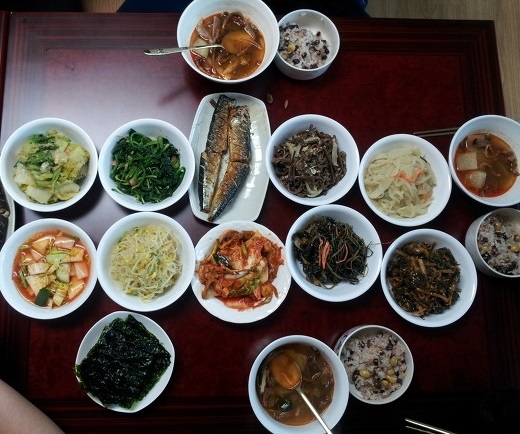
Food as Emotional Expression and Cultural Communication
Traditional Korean Maternal Care Through Food: Korean comfort food culture emphasizes maternal care expression through food preparation and service that demonstrates traditional Korean understanding of emotional support and family bonding while creating lasting emotional connections and cultural identity through continued maternal care practice and traditional knowledge transmission.
Maternal Comfort Food Expression:
- Preparation as Love Expression: Traditional Korean mothers expressing care through detailed food preparation
- Recipe Transmission: Traditional knowledge sharing creating intergenerational bonding and cultural continuity
- Comfort Recognition: Traditional understanding of individual comfort food preferences and emotional needs
- Cultural Identity Teaching: Traditional comfort food preparation transmitting cultural values and identity
Maternal comfort food expression requires understanding emotional care principles, traditional knowledge transmission, and cultural value preservation that creates meaningful family bonding while preserving traditional knowledge and cultural authenticity through continued maternal practice and intergenerational cultural transmission.
Community Support Through Comfort Food Sharing: Korean communities utilize comfort food sharing for emotional support during difficulties, celebrations, and cultural events that create community bonding while demonstrating traditional Korean values of mutual assistance and cultural cooperation through continued community food sharing and support systems.
Community comfort food support includes understanding mutual assistance principles, appropriate food sharing protocols, and cultural cooperation values that creates effective community emotional support while preserving traditional knowledge and cultural values through continued community practice and traditional cultural cooperation.
Comfort Food and Korean Cultural Identity: Korean comfort foods serve essential functions in cultural identity maintenance and cultural connection through familiar flavors, traditional preparation methods, and cultural significance that preserve Korean identity while providing emotional security and cultural continuity through continued comfort food practice and cultural preservation.
Cultural identity comfort food requires understanding cultural significance, traditional preparation preservation, and identity maintenance functions that creates meaningful cultural connection while preserving traditional knowledge and cultural authenticity through continued cultural practice and identity preservation efforts.
Seasonal Emotional Support and Traditional Wisdom
Winter Comfort Food Emotional Support: Korean winter comfort foods provide essential emotional support during cold, dark seasons through warming preparation, substantial nutrition, and community bonding that addresses seasonal emotional challenges while demonstrating traditional Korean understanding of seasonal psychological wellness and emotional support through food preparation and seasonal coordination.
Winter Comfort Food Characteristics:
- Warming Preparation Methods: Traditional cooking techniques providing physical warmth and emotional comfort
- Substantial Nutritional Content: Traditional winter foods providing energy and psychological satisfaction
- Community Gathering Foods: Traditional winter comfort foods supporting social interaction and community bonding
- Seasonal Emotional Coordination: Traditional understanding of winter emotional needs and appropriate food responses
Winter comfort food support requires understanding seasonal emotional patterns, traditional warming techniques, and community support principles that creates effective seasonal comfort while preserving traditional knowledge and cultural authenticity through continued seasonal practice and traditional coordination.
Summer Comfort Food Cooling and Refreshment: Korean summer comfort foods provide cooling refreshment and emotional support during hot, humid seasons through cooling preparation methods, light nutrition, and temperature-appropriate comfort that addresses seasonal challenges while maintaining traditional Korean understanding of seasonal wellness and emotional support.
Summer comfort food includes understanding cooling preparation techniques, seasonal ingredient utilization, and temperature-appropriate comfort that creates seasonal emotional support while preserving traditional knowledge and cultural authenticity through continued seasonal practice and traditional seasonal coordination.
Transitional Season Emotional Support: Korean spring and autumn comfort foods support emotional transitions and seasonal changes through renewal emphasis, seasonal ingredient celebration, and traditional preparation that addresses transitional emotional needs while maintaining cultural identity and traditional knowledge through continued seasonal practice and cultural coordination.
Transitional comfort food requires understanding seasonal transition emotional needs, renewal preparation principles, and traditional knowledge coordination that creates appropriate seasonal comfort while preserving cultural authenticity and traditional wisdom through continued transitional practice and seasonal cultural coordination.
Comfort Food Therapeutic Functions and Traditional Healing
Korean Traditional Food Therapy Integration: Korean comfort food integrates with traditional Korean medicine principles through ingredient selection, preparation methods, and consumption timing that provides therapeutic benefits while maintaining emotional comfort and cultural significance through traditional knowledge about food’s healing properties and wellness support.
Traditional Food Therapy Applications:
- Digestive Health Support: Traditional comfort foods supporting digestive wellness and nutritional absorption
- Emotional Balance Maintenance: Traditional foods addressing emotional needs and psychological wellness
- Recovery and Strengthening: Traditional comfort foods supporting illness recovery and strength building
- Preventive Health Maintenance: Traditional dietary wisdom preventing illness and maintaining wellness
Traditional food therapy requires understanding therapeutic ingredient properties, appropriate preparation methods, and wellness coordination principles that creates effective healing comfort while preserving traditional knowledge and cultural authenticity through continued therapeutic practice and traditional medicine integration.
Comfort Food Stress Relief and Emotional Healing: Korean comfort foods provide stress relief and emotional healing through familiar flavors, comforting textures, and cultural security that addresses contemporary stress while demonstrating traditional Korean understanding of food’s psychological benefits and emotional support through continued comfort food practice and cultural preservation.
Stress relief comfort food includes understanding psychological comfort mechanisms, traditional emotional support principles, and contemporary stress adaptation that creates effective emotional healing while preserving traditional knowledge and cultural authenticity through continued comfort food practice and emotional support systems.
Traditional Korean Comfort Food Mindfulness: Korean comfort food culture emphasizes mindful consumption, grateful appreciation, and present moment awareness that enhances emotional benefits while demonstrating traditional Korean understanding of mindful eating and psychological wellness through continued mindful practice and cultural preservation.
Comfort food mindfulness requires understanding mindful consumption principles, grateful appreciation practice, and psychological wellness enhancement that creates optimal emotional benefits while preserving traditional knowledge and cultural authenticity through continued mindful practice and traditional wisdom integration.
Regional Korean Comfort Food Variations and Local Specializations
Seoul Metropolitan Comfort Food Culture
Urban Seoul Comfort Food Development: Seoul comfort food culture adapts traditional Korean comfort foods to urban lifestyle demands while maintaining emotional support functions and cultural authenticity through contemporary convenience and traditional knowledge preservation that serves diverse urban communities through continued urban comfort food practice and cultural adaptation.
Seoul Urban Comfort Characteristics:
- 24-Hour Comfort Food Availability: Urban comfort food access adapting to contemporary work patterns and lifestyle demands
- Traditional Family Restaurant Culture: Urban family restaurants maintaining traditional comfort food preparation and cultural authenticity
- Contemporary Convenience Integration: Urban comfort food innovations maintaining traditional flavor while adapting to contemporary convenience needs
- Cultural Tourist Comfort Experiences: Urban comfort food establishments serving cultural tourism while maintaining authentic cultural experiences
Seoul urban comfort food requires understanding contemporary lifestyle adaptation, traditional knowledge preservation, and cultural authenticity maintenance that creates meaningful urban comfort experiences while preserving traditional knowledge and cultural identity through continued urban practice and cultural preservation.
Hongdae University Area Comfort Innovation: Seoul’s Hongdae area develops innovative comfort food concepts through creative adaptation, contemporary presentation, and cultural fusion that maintains traditional comfort functions while serving youthful demographics and cultural creativity through continued innovative practice and traditional knowledge integration.
Hongdae comfort innovation includes understanding creative adaptation principles, contemporary demographic needs, and traditional function preservation that creates innovative comfort experiences while preserving traditional knowledge and cultural authenticity through continued creative practice and cultural integration.
Regional Korean Comfort Food Heritage
Jeonju Traditional Comfort Food Excellence: Jeonju maintains exceptional traditional comfort food culture through culinary excellence, traditional knowledge preservation, and cultural heritage maintenance that creates authentic traditional comfort experiences while demonstrating regional Korean comfort food excellence and cultural sophistication through continued traditional practice and heritage preservation.
Jeonju Comfort Food Heritage:
- Traditional Bibimbap Excellence: Jeonju bibimbap representing ultimate Korean comfort food through traditional preparation excellence
- Traditional Comfort Food Streets: Jeonju traditional food districts providing authentic comfort food cultural experiences
- Family Recipe Preservation: Jeonju family businesses maintaining traditional comfort food recipes and preparation methods
- Cultural Heritage Integration: Jeonju comfort food culture integrated with cultural heritage preservation and educational programs
Jeonju comfort food excellence requires understanding traditional preparation mastery, cultural heritage preservation, and regional identity maintenance that creates exceptional comfort food experiences while preserving traditional knowledge and cultural authenticity through continued heritage practice and cultural preservation.
Busan Coastal Comfort Food Adaptations: Busan develops distinctive coastal comfort food culture through maritime ingredient integration, port city cultural influences, and working-class comfort traditions that create unique regional comfort food while maintaining Korean comfort food principles and cultural identity through continued coastal practice and regional development.
Busan coastal comfort includes understanding maritime cultural influences, working-class food traditions, and regional adaptation principles that creates authentic coastal comfort culture while preserving traditional knowledge and cultural identity through continued coastal practice and regional cultural preservation.
Jeju Island Comfort Food Traditions: Jeju Island maintains distinctive island comfort food culture through local ingredient utilization, island lifestyle adaptation, and unique cultural identity that creates regional comfort specializations while preserving Korean comfort food principles and traditional knowledge through continued island practice and cultural preservation.
Jeju comfort food culture includes understanding island environmental conditions, traditional island lifestyle, and cultural identity preservation that creates authentic island comfort experiences while preserving traditional knowledge and island cultural heritage through continued island practice and cultural transmission.
Rural Korean Comfort Food Heritage
Traditional Korean Village Comfort Food: Korean rural communities maintain traditional comfort food culture through agricultural lifestyle integration, seasonal coordination, and community cooperation that preserves authentic traditional comfort food while demonstrating rural Korean cultural values and traditional knowledge through continued rural practice and cultural preservation.
Rural Comfort Food Characteristics:
- Agricultural Seasonal Coordination: Rural comfort foods coordinating with agricultural cycles and seasonal ingredient availability
- Community Cooperation Traditions: Rural comfort food preparation involving community cooperation and cultural sharing
- Traditional Family Recipe Preservation: Rural families maintaining traditional comfort food recipes and cultural knowledge
- Natural Ingredient Emphasis: Rural comfort foods utilizing natural, locally-sourced ingredients and traditional preparation
Rural comfort food preservation requires understanding agricultural lifestyle coordination, community cooperation principles, and traditional knowledge maintenance that creates authentic rural comfort culture while preserving traditional knowledge and cultural authenticity through continued rural practice and community cultural preservation.
Mountain Region Comfort Food Adaptations: Korean mountain regions develop distinctive comfort food adaptations through highland environmental conditions, traditional mountain community culture, and seasonal challenges that create regional comfort specializations while maintaining Korean comfort food principles through continued mountain community practice and cultural preservation.
Mountain comfort food includes understanding highland environmental adaptation, mountain community culture, and traditional mountain lifestyle that creates authentic mountain comfort while preserving traditional knowledge and mountain cultural heritage through continued mountain practice and cultural transmission.
Contemporary Korean Comfort Food Culture and Innovation
Modern Korean Comfort Food Evolution
Contemporary Comfort Food Innovation: Modern Korean comfort food culture includes innovative adaptations that maintain traditional emotional support functions while adapting to contemporary lifestyle patterns and dietary consciousness through creative presentation and traditional knowledge integration that serves contemporary communities while preserving cultural authenticity and emotional comfort functions.
Contemporary Comfort Innovation Applications:
- Health-Conscious Comfort Adaptations: Modern comfort foods incorporating health consciousness while maintaining emotional satisfaction
- Convenience Integration: Contemporary comfort food preparation adapting to modern lifestyle convenience needs while preserving traditional comfort functions
- Global Fusion Comfort: Korean comfort food fusion with international influences while maintaining Korean comfort food identity
- Premium Comfort Experience: Contemporary comfort food elevated presentation and quality while preserving traditional comfort authenticity
Contemporary comfort innovation requires understanding modern lifestyle needs, traditional function preservation, and cultural authenticity maintenance that creates meaningful contemporary comfort while preserving traditional knowledge and cultural identity through continued innovative practice and cultural adaptation.
Korean Comfort Food Social Media Culture: Contemporary Korean comfort food culture includes social media integration through visual presentation, cultural storytelling, and comfort food sharing that builds appreciation while maintaining authentic comfort food culture and traditional knowledge through digital cultural transmission and contemporary cultural engagement.
Social media comfort culture includes understanding visual presentation optimization, cultural context sharing, and authentic cultural representation that creates contemporary appreciation while preserving traditional knowledge and cultural authenticity through continued social media practice and cultural education.
Korean Comfort Food Global Recognition
International Korean Comfort Food Appreciation: Korean comfort food achieves international recognition through cultural export, authentic restaurant development, and global interest in Korean culture while maintaining traditional comfort functions and cultural significance through authentic cultural presentation and traditional knowledge sharing within international contexts.
International comfort recognition includes understanding global cultural presentation, authentic comfort experience provision, and traditional knowledge sharing that creates international appreciation while preserving Korean comfort food authenticity and cultural significance through continued international cultural exchange and educational development.
Korean Comfort Food Cultural Diplomacy: Korean comfort food serves cultural diplomacy functions through international cultural programs, comfort food education, and cultural exchange that demonstrates Korean cultural sophistication while building international understanding and appreciation for Korean comfort culture and traditional knowledge through diplomatic cultural engagement.
Cultural diplomacy applications include understanding diplomatic cultural functions, comfort food cultural education, and international relationship building that creates comprehensive cultural experiences while preserving traditional knowledge and building international appreciation through continued diplomatic cultural practice and educational outreach.
Korean Comfort Food Industry Development
Contemporary Comfort Food Industry: Korean comfort food industry develops through quality standardization, authentic preparation maintenance, and contemporary market adaptation while preserving traditional comfort functions and cultural significance through continued traditional practice and commercial development that serves contemporary communities and global markets.
Industry development includes understanding commercial viability requirements, traditional authenticity preservation, and quality standard maintenance that creates successful commercial comfort food while preserving traditional knowledge and cultural authenticity through continued industry practice and cultural preservation.
Korean Comfort Food Franchise and Expansion: Korean comfort food culture expands through franchise development and international expansion while maintaining traditional preparation methods and cultural authenticity through quality control and traditional knowledge preservation that shares Korean comfort culture while preserving authentic comfort food characteristics.
Franchise expansion includes understanding scalability requirements, authenticity maintenance, and cultural preservation that creates successful expansion while preserving traditional comfort food culture and cultural significance through continued expansion practice and cultural authenticity maintenance.
Practical Korean Comfort Food Experience and Cultural Integration
Authentic Korean Comfort Food Experience Opportunities
Traditional Korean Family Comfort Food: Authentic Korean family comfort food experiences provide comprehensive cultural education through family participation, traditional preparation observation, and cultural custom learning that demonstrates Korean family values while preserving traditional knowledge and building cultural understanding through authentic family participation and cultural engagement.
Family comfort food experiences include understanding traditional family dynamics, comfort food preparation participation, and cultural value appreciation that creates meaningful cultural education while supporting traditional knowledge preservation and family cultural heritage through authentic family engagement and cultural participation.
Korean Comfort Food Cultural Tourism: Korean comfort food increasingly serves cultural tourism through authentic comfort food experiences, traditional preparation education, and cultural context learning that provides meaningful cultural education while supporting traditional knowledge preservation and building international appreciation for Korean comfort culture and family values.
Cultural tourism applications include understanding authentic cultural presentation, comfort food cultural context education, and traditional knowledge sharing that creates comprehensive cultural experiences while preserving traditional knowledge and building appreciation for Korean cultural heritage through responsible tourism development and cultural education.
Korean Comfort Food Community Programs: Korean communities develop comfort food cultural programs through educational workshops, community cooking events, and cultural preservation activities that provide authentic cultural experiences while supporting traditional knowledge preservation and community cultural identity maintenance.
Community programs include understanding cultural education provision, community participation facilitation, and traditional knowledge preservation that creates meaningful community cultural experiences while building appreciation for Korean comfort culture and traditional wisdom through continued community practice and cultural education.
Home Practice and Personal Comfort Food Integration
Korean Comfort Food Home Preparation: Korean comfort food principles adapt for international home practice through traditional technique learning, authentic ingredient sourcing, and cultural context understanding that brings Korean comfort culture into contemporary contexts while supporting cultural appreciation and traditional knowledge preservation through authentic home practice.
Home Comfort Food Practice Applications:
- Basic Korean Comfort Cooking: Traditional Korean comfort food techniques adapted for home kitchen application
- Authentic Ingredient Utilization: Korean comfort food ingredient sourcing and authentic preparation methods
- Cultural Context Integration: Understanding Korean comfort food cultural significance and emotional functions
- Family Tradition Building: Creating family comfort food traditions through Korean comfort culture appreciation
Home comfort food practice requires understanding traditional techniques, cultural significance, and authentic preparation methods that creates meaningful personal practice while supporting cultural appreciation and traditional knowledge preservation through authentic home cooking and cultural integration.
Korean Comfort Food Emotional Wellness Integration: Korean comfort food principles support personal emotional wellness through traditional comfort approaches, mindful eating practices, and cultural understanding that enhances emotional benefits while building appreciation for Korean wisdom about food’s emotional functions and psychological wellness support.
Emotional wellness integration includes understanding comfort food emotional functions, traditional wellness principles, and psychological benefit optimization that creates effective emotional support while building appreciation for Korean traditional knowledge and cultural wisdom through continued comfort practice and emotional wellness application.
Korean Comfort Food Cultural Learning: Korean comfort food culture provides comprehensive learning opportunities through cultural context education, traditional knowledge acquisition, and comfort food appreciation that builds understanding of Korean cultural values and traditional wisdom about emotional support and community care through educational engagement and cultural participation.
Cultural learning includes understanding Korean cultural values, traditional knowledge appreciation, and comfort food cultural significance that creates meaningful cultural education while building appreciation for Korean cultural sophistication and traditional wisdom through continued educational practice and cultural engagement.
STELLA’S LOCAL SECRET The “Korean Comfort Food Emotional Season Strategy” Experience authentic Korean comfort food emotionally by timing comfort food experiences with appropriate emotional states: visit during homesickness for cultural connection comfort, during illness for traditional healing comfort, during celebration for community bonding comfort, and during seasonal transitions for emotional support comfort. Korean comfort foods work best when emotional context matches traditional cultural functions, creating authentic emotional experiences that demonstrate Korean understanding of food’s psychological benefits and cultural healing properties.
Frequently Asked Questions
Q: What makes Korean comfort food different from comfort foods in other cultures? Korean comfort food emphasizes emotional healing through balanced nutrition, fermented food benefits, and communal sharing rather than simple indulgence. Unlike Western comfort foods that may prioritize richness or sweetness, Korean comfort foods provide sustained emotional support through umami-rich broths, probiotic fermented ingredients, and balanced nutrition that addresses both emotional and physical wellness needs.
Q: Can Korean comfort food be part of a healthy diet? Yes, many Korean comfort foods are nutritionally balanced, featuring vegetables, lean proteins, and fermented foods with probiotic benefits. Traditional Korean comfort dishes like juk (porridge) and miyeokguk provide gentle nutrition, while kimchi jjigae offers vegetables and beneficial bacteria. However, some dishes may be high in sodium, requiring mindful consumption and balance with other foods.
Q: What Korean comfort food should I try first as a beginner? Start with miyeokguk (seaweed soup) for cultural significance and gentle flavors, kimchi jjigae for iconic Korean comfort experience, or chicken dakjuk (porridge) for familiar yet distinctly Korean comfort. These dishes offer approachable flavors while providing authentic Korean comfort food cultural experiences and emotional satisfaction.
Q: How do I know if I’m experiencing authentic Korean comfort food? Authentic Korean comfort food should provide emotional satisfaction beyond taste, often featuring family-style sharing, traditional preparation methods, and cultural context explanation. Look for restaurants with Korean clientele, traditional preparation visibility, and staff who understand the cultural significance of comfort foods rather than treating them as generic menu items.
Q: Is there a best time or season to experience Korean comfort food? Korean comfort foods coordinate with seasonal emotional needs: winter foods like samgyetang provide warming comfort, summer foods offer cooling satisfaction, and transitional season foods support emotional changes. However, comfort foods can be meaningful year-round when matching emotional context with traditional cultural functions and personal comfort needs.
Q: Can I make Korean comfort food at home without special ingredients? Basic Korean comfort foods like rice porridge or simple kimchi jjigae are adaptable with available ingredients, though authentic flavors require traditional Korean ingredients like gochujang, doenjang, and kimchi. Start with simple recipes and gradually source authentic ingredients through Korean grocery stores or online retailers for more traditional experiences.
Q: What role does sharing play in Korean comfort food culture? Sharing is central to Korean comfort food culture, reflecting Korean values of community care and emotional support. Traditional Korean comfort foods are often prepared in quantities for sharing, and the act of sharing comfort food demonstrates care and strengthens relationships. Solo comfort eating exists but communal sharing enhances the emotional benefits.
Q: How has Korean comfort food culture changed with urbanization? Urbanization has adapted Korean comfort food through convenience integration, 24-hour availability, and modified serving sizes while maintaining traditional emotional functions and cultural significance. Modern Korean comfort food balances traditional preparation with contemporary convenience needs while preserving the essential emotional and cultural benefits.
Q: Are there vegetarian options in Korean comfort food? Traditional Korean comfort foods often include meat or seafood, but vegetarian versions exist, especially in temple food traditions. Vegetable-based juk, plant-based jjigae, and Buddhist-influenced comfort dishes provide vegetarian options while maintaining Korean comfort food emotional functions and cultural authenticity through appropriate adaptation and ingredient substitution.
Q: How can Korean comfort food help with emotional wellness? Korean comfort food supports emotional wellness through familiar flavors that provide security, balanced nutrition that supports physical health, mindful eating practices that enhance psychological benefits, and cultural connections that strengthen identity. The combination of nutritional benefits, emotional associations, and cultural significance creates comprehensive emotional support beyond simple food satisfaction.
Embracing Korea’s Heart-Warming Culinary Wisdom for Emotional Wellness
You now possess comprehensive knowledge to approach Korean comfort food culture with deep understanding of what makes Korean comfort cuisine represent emotional wisdom, cultural care values, and traditional knowledge about food’s role in psychological wellness that transforms simple comfort eating into meaningful expressions of Korean emotional sophistication, family values, and community support connecting contemporary comfort needs with centuries of Korean wisdom about food’s healing properties and cultural significance.
You’ve learned exactly what distinguishes Korean comfort food through emotional functions, traditional knowledge, and cultural significance, why specific comfort dishes create optimal emotional satisfaction while maintaining nutritional value and cultural authenticity, how Korean comfort food customs facilitate emotional healing and community bonding while preserving traditional values and cultural identity, and what appropriate comfort food appreciation demonstrates about Korean cultural understanding and emotional wisdom respect.
You understand Korean comfort food culture’s importance through emotional foundations, traditional knowledge, and contemporary relevance while gaining practical knowledge including comfort food identification, emotional context appreciation, preparation techniques, and cultural integration methods that enhance authentic Korean cultural experiences and emotional wellness understanding through traditional knowledge application and cultural participation.
Most importantly, you understand that Korean comfort food culture represents far more than satisfying meals. It preserves Korean emotional wisdom while serving essential functions including psychological wellness support, cultural identity maintenance, community bonding, and traditional knowledge preservation that enriches human understanding of food’s role in emotional healing, cultural preservation, and social support through continued practice and traditional knowledge transmission.
Walking into authentic Korean comfort food experiences means participating in living emotional tradition where traditional comfort methods continue providing psychological wellness support, where cultural preparation techniques maintain family values and community care, where comfort food customs strengthen social bonds while creating opportunities for authentic cultural exchange and emotional healing through traditional knowledge appreciation.
Your thoughtful engagement with Korean comfort food culture supports traditional knowledge preservation while contributing to emotional understanding and cultural appreciation that benefits both Korean heritage preservation and international wellness understanding through respectful participation in traditional customs that demonstrate cultural sophistication and emotional wisdom recognition.
The Korean comfort food experience awaits through authentic family establishments, traditional preparation learning, cultural context appreciation, and personal emotional integration opportunities. Traditional wisdom continues guiding emotional wellness while cultural heritage preserves family values. Community customs continue strengthening social bonds while comfort traditions maintain psychological support. Your Korean comfort food healing journey is about to begin.