
Mastering Korean Spring Style and Travel Fashion Excellence
Have you ever wondered why Korean spring fashion represents one of the world’s most sophisticated seasonal style approaches while creating extraordinary fashion experiences that transform simple spring clothing into expressions of Korean aesthetic principles, cultural sophistication, and style innovation through traditional understanding of seasonal dressing and contemporary fashion excellence that connects modern Korean fashion with centuries of Korean textile traditions and cultural aesthetics, what makes Korean spring style develop such extraordinary variety and cultural significance from traditional hanbok influences to contemporary street fashion while demonstrating Korean mastery of fabric technology, color coordination, and style innovation that creates optimal spring fashion experiences connecting seasonal beauty with cultural heritage, how Korean spring fashion culture balances traditional aesthetic values with contemporary style innovation while maintaining authentic Korean fashion identity and seasonal appropriateness through generations of Korean fashion communities preserving style knowledge and cultural fashion practices, and why understanding Korean spring fashion provides essential insight into Korean aesthetic values, seasonal wisdom, and style sophistication that makes spring fashion choices into demonstrations of Korean cultural understanding and fashion excellence through continued style practice and traditional knowledge preservation?
Where ancient Korean textile wisdom meets contemporary fashion innovation through spring style development that maximizes seasonal appropriateness while creating meaningful fashion experiences and cultural expression opportunities that connect contemporary Korean fashion with traditional Korean understanding of seasonal significance and cultural style preservation, where traditional Korean aesthetic principles express themselves through spring fashion coordination and style customs that create harmonious seasonal experiences while preserving cultural values and demonstrating style sophistication through collaborative fashion development and cultural transmission? Where Korean seasonal awareness guides spring fashion timing and style coordination through traditional understanding of optimal seasonal dressing and cultural appropriateness that connects contemporary spring fashion with traditional Korean wisdom about seasonal living and cultural harmony through continued seasonal practice and traditional knowledge preservation?
Korean Spring Fashion (한국 봄 패션) offers exactly this extraordinary intersection of tradition, style, culture, and seasonal sophistication – but only if you understand what makes Korean spring fashion unique beyond “Korean seasonal clothing,” why specific spring style approaches create optimal fashion experiences while maintaining cultural authenticity and traditional knowledge, how Korean spring fashion customs facilitate cultural preservation and style education while building fashion excellence and international appreciation, and what distinguishes authentic Korean spring fashion culture from commercialized adaptations that miss essential cultural significance and traditional knowledge preservation.
For fashion excellence and cultural style enthusiasts especially, Korean spring fashion culture presents fascinating complexity because unlike simple seasonal dressing, Korean spring fashion tradition encompasses complete style systems including seasonal coordination, cultural expression, aesthetic education, and traditional knowledge transmission that transforms fashion choices into cultural experience and style appreciation through authentic participation and traditional knowledge integration.
Most people approach Korean spring fashion as seasonal clothing without understanding sophisticated cultural knowledge behind Korean fashion development and style coordination, traditional Korean understanding of seasonal appropriateness and cultural expression that creates optimal spring fashion experiences through cultural integration, seasonal fashion patterns that reflect Korean aesthetic wisdom and traditional style knowledge, or cultural customs surrounding spring fashion choices that demonstrate Korean values of aesthetic sophistication and cultural harmony through traditional practice and cultural preservation.
I understand that superficial engagement completely. My first Korean spring fashion experiences (casual shopping visits and tourist fashion observation) provided interesting style inspiration but missed entirely the cultural depth, aesthetic significance, and traditional influences that make authentic Korean spring fashion culture represent broader Korean approaches to cultural expression, aesthetic preservation, and style community building through fashion choices and traditional knowledge that strengthens cultural identity and preserves traditional values through continued seasonal practice.
That’s why this comprehensive guide exists. I’m going to share everything you need to transform Korean spring fashion from seasonal clothing into understanding of Korean style culture that demonstrates traditional wisdom about aesthetic coordination, cultural expression, and fashion sophistication through accessible, stylish format. You’ll learn exactly what makes Korean spring fashion culture distinctive through traditional knowledge and aesthetic practices, why specific spring style approaches create optimal fashion experiences while preserving cultural authenticity and seasonal traditions, how Korean spring fashion customs facilitate cultural education and style community bonding while maintaining traditional knowledge and fashion excellence, and what appropriate spring fashion appreciation demonstrates about Korean cultural understanding and aesthetic respect.
You’ll understand Korean spring fashion culture’s importance through aesthetic foundations, cultural significance, and contemporary relevance while gaining practical knowledge including style selection, seasonal coordination, cultural context understanding, and fashion integration methods that enhance authentic Korean cultural experiences and style learning. By the end of this guide, you’ll know how to appreciate Korean spring fashion with understanding that transforms seasonal dressing into cultural education, fashion choices into aesthetic appreciation, and traditional knowledge into recognition of Korean style wisdom and cultural fashion excellence.
Most importantly, you’ll grasp why Korean spring fashion culture matters beyond beautiful seasonal clothing – as preservation of Korean aesthetic traditions, demonstration of Korean cultural values, and expression of Korean seasonal wisdom that enriches human understanding of fashion’s role in cultural identity, aesthetic expression, and style community building through continued practice and traditional knowledge transmission across generations of Korean fashion communities seeking cultural connection and aesthetic excellence through seasonal fashion culture.
Historical Development of Korean Fashion Culture and Traditional Textile Heritage
Ancient Korean Textile Traditions and Seasonal Clothing Wisdom
Traditional Korean Textile Excellence and Cultural Foundations: Korean spring fashion culture traces back thousands of years to early Korean Peninsula communities that developed sophisticated textile production while creating seasonal clothing systems and cultural dress traditions through shared craftsmanship knowledge and seasonal coordination that established foundations for Korean fashion culture through continued traditional knowledge and cultural transmission.
Ancient Korean textile communities emphasized seasonal clothing adaptation through traditional understanding of fabric properties, weather coordination, and cultural dress significance that created early fashion practices while preserving traditional knowledge about optimal seasonal dressing and cultural clothing through continued traditional practice and cultural preservation.
Early Korean fashion development included seasonal textile production, natural dye systems, and community clothing customs that created textile support systems while ensuring cultural continuity and traditional knowledge preservation through shared knowledge about fabric coordination and traditional clothing methods.
Traditional Korean Natural Fabric and Seasonal Coordination: Korean textile communities developed natural fabric expertise through traditional understanding of fiber properties, seasonal production timing, and environmental fabric coordination that created meaningful textile relationships while preserving traditional knowledge about fabric harmony and seasonal appropriateness through continued textile community practice and cultural preservation.
Traditional Natural Fabric Elements:
- Ramie (모시) Fabric Excellence: Traditional Korean ramie production creating lightweight summer fabrics ideal for humid Korean climate conditions
- Hemp (삼베) Textile Coordination: Traditional hemp textile production providing durable, breathable fabrics for seasonal clothing coordination
- Silk (명주) Luxury Development: Traditional Korean silk production creating premium fabrics for cultural ceremonies and seasonal celebration clothing
- Cotton Integration: Traditional cotton adoption and development creating comfortable, practical fabrics for everyday seasonal wear
Traditional fabric development required understanding natural fiber properties, seasonal production timing, and cultural fabric significance that created meaningful textile experiences while maintaining traditional knowledge and fabric authenticity through continued textile practice and cultural preservation.
Traditional Korean Seasonal Color Philosophy: Korean textile communities developed seasonal color systems through traditional understanding of natural dye sources, seasonal color coordination, and cultural color significance that created specialized color traditions while preserving traditional knowledge about color harmony and cultural meaning through continued color textile practice and cultural preservation.
Traditional color philosophy included understanding natural dye optimization, seasonal color coordination, and cultural significance preservation that created successful seasonal color systems while maintaining traditional knowledge and color authenticity through continued color practice and cultural transmission within traditional textile community structures.
Hanbok Evolution and Modern Fashion Influence
Traditional Hanbok Structure and Contemporary Adaptation: Korean hanbok represents traditional clothing excellence through sophisticated construction techniques, seasonal coordination systems, and cultural significance that creates foundational Korean fashion principles while demonstrating traditional understanding of body harmony and cultural expression through continued hanbok culture and contemporary fashion integration.
Hanbok Structural Innovation Elements:
- Jeogori (저고리) Design Philosophy: Traditional jacket construction emphasizing natural body line and graceful movement coordination
- Chima (치마) Silhouette Excellence: Traditional skirt design creating elegant proportions and comfortable seasonal wear
- Seasonal Hanbok Coordination: Traditional seasonal hanbok varieties adapted for spring, summer, autumn, and winter weather conditions
- Color and Pattern Cultural Significance: Traditional hanbok color and pattern systems expressing social status, cultural identity, and seasonal appropriateness
Hanbok structural understanding requires traditional construction knowledge, cultural significance appreciation, and contemporary adaptation that creates meaningful traditional fashion experiences while building appreciation for Korean traditional fashion excellence and cultural preservation through continued hanbok practice and fashion cultural education.
Modern Hanbok Innovation and Fashion Industry Integration: Contemporary Korean fashion industry integrates traditional hanbok principles through modern design adaptation, fabric innovation, and cultural preservation that creates contemporary fashion excellence while maintaining traditional knowledge and cultural authenticity through continued fashion innovation and traditional knowledge integration.
Modern hanbok integration includes understanding traditional principle adaptation, contemporary design development, and cultural authenticity maintenance that creates innovative fashion experiences while building appreciation for Korean fashion innovation and traditional knowledge through continued modern hanbok practice and fashion cultural preservation.
Traditional Korean Aesthetic Principles in Modern Fashion: Korean fashion culture integrates traditional aesthetic principles including natural harmony, seasonal coordination, and cultural expression that influence contemporary Korean fashion development while preserving traditional knowledge and cultural significance through continued aesthetic practice and cultural preservation within modern fashion contexts.
Traditional aesthetic integration requires understanding aesthetic principle application, contemporary adaptation methods, and cultural preservation that creates meaningful modern fashion experiences while maintaining traditional knowledge and cultural authenticity through continued aesthetic practice and cultural transmission.
Contemporary Korean Fashion Industry Development
Korean Fashion Industry Global Recognition: Modern Korean fashion industry achieves international recognition through design innovation, quality production, and cultural authenticity that demonstrates Korean fashion excellence while building global appreciation for Korean style and cultural creativity through continued fashion industry development and international market success.
Korean Fashion Industry Excellence Elements:
- Design Innovation Leadership: Korean fashion designers achieving international recognition through creative excellence and cultural integration
- Fabric Technology Advancement: Korean textile technology development creating innovative fabric solutions and quality enhancement
- Cultural Fashion Export: Korean fashion culture achieving global influence through K-fashion trends and cultural appreciation
- Sustainable Fashion Development: Korean fashion industry leadership in sustainable production and environmental consciousness
Fashion industry development requires understanding design excellence, technological innovation, and cultural preservation that creates successful fashion industry growth while building appreciation for Korean fashion innovation and cultural authenticity through continued industry practice and international fashion recognition.
K-Fashion Global Influence and Cultural Diplomacy: Korean fashion achieves global cultural influence through K-pop integration, international fashion week participation, and cultural export that demonstrates Korean soft power while building international appreciation for Korean aesthetic principles and cultural creativity through continued cultural fashion development and international cultural exchange.
K-fashion influence includes understanding cultural export mechanisms, international fashion integration, and global cultural appreciation that creates meaningful international fashion influence while building appreciation for Korean cultural creativity and fashion excellence through continued global fashion practice and cultural diplomacy.
Korean Fashion Technology and Innovation Integration: Contemporary Korean fashion industry integrates advanced technology through smart textiles, sustainable production, and digital fashion innovation that creates cutting-edge fashion experiences while maintaining cultural authenticity and traditional knowledge through continued technology integration and cultural preservation within innovative fashion contexts.
Technology integration requires understanding innovation application, cultural authenticity maintenance, and traditional knowledge preservation that creates advanced fashion experiences while building appreciation for Korean fashion technology and cultural innovation through continued technology practice and cultural preservation within modern fashion industry development.
Korean Spring Weather and Climate Fashion Coordination
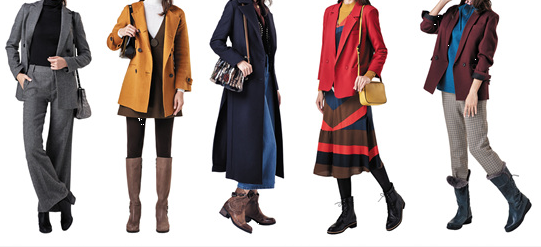
Understanding Korean Spring Climate Patterns for Optimal Fashion Planning
Korean Spring Temperature Variations and Clothing Adaptation: Korean spring weather demonstrates characteristic temperature fluctuations through seasonal transitions, regional variations, and daily temperature changes that require sophisticated clothing coordination while showcasing traditional Korean seasonal awareness and modern fashion adaptation to challenging spring climate conditions.
Spring Temperature Pattern Elements:
- Daily Temperature Fluctuation: Korean spring days featuring 10-15°C temperature differences requiring layered clothing strategies
- Regional Climate Variations: Seoul metropolitan spring temperatures differing from coastal and mountain regions requiring regional fashion awareness
- Precipitation Pattern Coordination: Spring rain patterns affecting fabric choices and weather protection requirements for optimal comfort
- Humidity Management: Korean spring humidity levels requiring breathable fabric selection and moisture management clothing strategies
Temperature pattern understanding requires meteorological awareness, clothing adaptation expertise, and regional coordination that creates optimal spring fashion experiences while building appreciation for Korean climate challenges and traditional seasonal clothing wisdom through continued climate practice and seasonal fashion education.
Seasonal Transition Wardrobe Management: Korean spring transition period requires strategic wardrobe management through winter-to-summer clothing coordination, storage optimization, and seasonal clothing selection that demonstrates Korean seasonal fashion expertise and traditional knowledge about optimal seasonal clothing transition.
Seasonal wardrobe management includes understanding clothing transition timing, storage coordination, and seasonal optimization that creates efficient wardrobe systems while building appreciation for Korean seasonal fashion wisdom and traditional wardrobe management through continued seasonal practice and wardrobe coordination education.
Microclimate Fashion Awareness: Korean urban environments create distinct microclimates through building density, transportation systems, and urban heat effects that require specialized fashion awareness and clothing adaptation for optimal comfort and style coordination within various urban environmental conditions.
Microclimate understanding includes urban environmental recognition, clothing adaptation strategies, and comfort optimization that creates successful urban fashion experiences while building appreciation for Korean urban environmental challenges and traditional adaptation wisdom through continued microclimate practice and urban fashion education.
Regional Korean Spring Fashion Variations and Local Style Preferences
Seoul Metropolitan Spring Fashion Excellence: Seoul spring fashion demonstrates urban sophistication through professional clothing coordination, trend integration, and cultural expression that creates metropolitan fashion excellence while showcasing Korean urban lifestyle and international fashion influence within traditional Korean aesthetic principles.
Seoul Spring Fashion Characteristics:
- Professional Business Fashion: Seoul office culture requiring sophisticated spring business attire and professional appearance standards
- Street Fashion Innovation: Seoul street fashion demonstrating creative expression and trend leadership in Korean fashion culture
- Cultural District Styles: Different Seoul neighborhoods developing distinct fashion cultures and aesthetic preferences
- International Fashion Integration: Seoul fashion incorporating global trends while maintaining Korean cultural identity and aesthetic principles
Seoul fashion excellence requires understanding metropolitan lifestyle requirements, professional appearance standards, and cultural integration that creates sophisticated urban fashion while building appreciation for Korean urban fashion culture and metropolitan style development through continued Seoul fashion practice and urban style education.
Coastal Region Spring Fashion Adaptation: Korean coastal areas develop distinctive spring fashion through maritime climate influences, outdoor lifestyle integration, and regional cultural expression that creates unique coastal fashion culture while demonstrating Korean regional diversity and environmental adaptation within fashion choices.
Coastal fashion adaptation includes understanding maritime climate effects, outdoor lifestyle requirements, and regional cultural integration that creates authentic coastal fashion experiences while building appreciation for Korean regional fashion diversity and coastal cultural heritage through continued coastal fashion practice and regional style education.
Mountain Region Spring Fashion Requirements: Korean mountain regions require specialized spring fashion through outdoor activity coordination, weather protection needs, and traditional mountain culture integration that creates functional mountain fashion while preserving traditional knowledge and environmental awareness within seasonal mountain clothing coordination.
Mountain fashion requirements include understanding outdoor activity needs, weather protection requirements, and traditional mountain culture that creates appropriate mountain fashion while building appreciation for Korean mountain lifestyle and traditional outdoor clothing wisdom through continued mountain fashion practice and outdoor style education.
Traditional Korean Seasonal Fashion Wisdom and Contemporary Application
Traditional Korean Seasonal Clothing Philosophy: Korean traditional seasonal clothing demonstrates sophisticated understanding of seasonal coordination, body harmony, and cultural expression that influences contemporary Korean spring fashion while preserving traditional knowledge about optimal seasonal dressing and cultural appropriateness through continued traditional fashion practice.
Traditional Seasonal Philosophy Elements:
- Seasonal Color Coordination: Traditional Korean seasonal color systems guiding contemporary spring color choices and cultural expression
- Fabric Seasonal Appropriateness: Traditional understanding of optimal spring fabrics and textile coordination for Korean climate conditions
- Cultural Seasonal Expression: Traditional seasonal clothing expressing cultural identity and community coordination within contemporary fashion contexts
- Body-Season Harmony: Traditional Korean understanding of seasonal clothing supporting body comfort and natural harmony
Traditional seasonal philosophy requires understanding traditional knowledge systems, contemporary adaptation methods, and cultural preservation that creates meaningful seasonal fashion while building appreciation for Korean traditional wisdom and seasonal fashion excellence through continued traditional practice and seasonal fashion education.
Contemporary Korean Seasonal Fashion Integration: Modern Korean fashion integrates traditional seasonal wisdom through contemporary design adaptation, technological fabric development, and cultural preservation that creates innovative seasonal fashion while maintaining traditional knowledge and cultural authenticity through continued fashion innovation and traditional knowledge integration.
Contemporary integration includes understanding traditional knowledge application, modern fashion development, and cultural authenticity maintenance that creates successful contemporary seasonal fashion while building appreciation for Korean fashion innovation and traditional knowledge through continued contemporary practice and cultural preservation within modern fashion contexts.
Korean Fashion Industry Seasonal Coordination: Korean fashion industry demonstrates seasonal coordination excellence through production timing, trend development, and market coordination that creates optimal seasonal fashion availability while showcasing Korean fashion industry sophistication and traditional seasonal knowledge within contemporary commercial fashion contexts.
Industry seasonal coordination requires understanding production planning, market timing, and cultural coordination that creates successful seasonal fashion industry operation while building appreciation for Korean fashion industry excellence and traditional knowledge integration through continued industry practice and commercial fashion education.
Essential Korean Spring Wardrobe and Style Fundamentals
Core Korean Spring Fashion Elements and Versatile Pieces
Essential Korean Spring Layering Systems: Korean spring fashion excellence depends on sophisticated layering through versatile piece coordination, temperature adaptation capability, and style flexibility that creates optimal spring fashion experiences while demonstrating Korean fashion expertise and traditional knowledge about seasonal clothing coordination.
Strategic Layering Components:
- Lightweight Cardigans and Jackets: Essential Korean spring outer layers providing temperature control and style enhancement
- Breathable Base Layers: Quality foundation pieces enabling comfortable layering and moisture management
- Transitional Knitwear: Versatile sweaters and knit pieces bridging spring temperature variations
- Weather Protection Layers: Stylish rain protection and wind resistance maintaining fashion appeal during spring weather changes
Strategic layering requires understanding temperature management, style coordination, and versatility maximization that creates efficient spring wardrobes while building appreciation for Korean fashion practicality and traditional seasonal wisdom through continued layering practice and seasonal fashion coordination.
Korean Spring Color Palette Excellence: Korean spring fashion emphasizes sophisticated color coordination through seasonal color selection, cultural color significance, and personal color harmony that creates optimal spring style while demonstrating Korean aesthetic principles and traditional color wisdom within contemporary fashion contexts.
Spring Color Coordination Elements:
- Soft Pastel Integration: Korean spring fashion featuring gentle pastel colors reflecting seasonal beauty and cultural sophistication
- Natural Earth Tone Foundation: Neutral color foundations providing versatility and timeless appeal in Korean spring fashion
- Accent Color Strategy: Strategic bright color integration creating visual interest and personal expression
- Cultural Color Significance: Understanding traditional Korean color meanings and contemporary fashion application
Color palette development requires understanding color theory, cultural significance, and personal harmony that creates optimal color coordination while building appreciation for Korean color wisdom and traditional aesthetic principles through continued color practice and aesthetic education.
Korean Spring Fabric Selection and Quality Standards: Korean spring fashion prioritizes fabric quality through natural fiber selection, comfort optimization, and durability consideration that creates superior spring fashion experiences while demonstrating Korean textile expertise and traditional knowledge about optimal spring fabric coordination.
Premium Spring Fabric Choices:
- Natural Cotton Excellence: High-quality cotton fabrics providing comfort, breathability, and versatility for Korean spring weather
- Linen Integration: Premium linen pieces creating sophisticated spring style and optimal climate adaptation
- Silk Accent Pieces: Luxury silk integration adding elegance and traditional Korean textile appreciation
- Technical Fabric Innovation: Modern fabric technology enhancing comfort while maintaining style appeal and functionality
Fabric selection requires understanding textile properties, comfort requirements, and style integration that creates superior spring fashion while building appreciation for Korean textile excellence and traditional fabric wisdom through continued fabric practice and textile education.
Korean Spring Accessories and Style Enhancement
Essential Korean Spring Accessories Coordination: Korean spring accessories provide style enhancement through functional beauty, cultural expression, and seasonal coordination that creates completed spring fashion while demonstrating Korean accessory expertise and traditional knowledge about optimal style completion and cultural significance.
Strategic Spring Accessory Elements:
- Lightweight Scarves and Wraps: Versatile accessories providing style enhancement and temperature adaptation
- Quality Handbags and Bags: Functional yet stylish bag selection supporting Korean spring lifestyle and fashion coordination
- Footwear Versatility: Comfortable yet stylish shoe options accommodating spring weather and activity requirements
- Jewelry Integration: Thoughtful jewelry selection enhancing personal style and cultural expression within spring fashion
Accessory coordination requires understanding style enhancement, functionality integration, and cultural expression that creates optimal spring fashion completion while building appreciation for Korean accessory culture and traditional styling wisdom through continued accessory practice and style education.
Korean Spring Hair and Beauty Coordination: Korean spring beauty culture emphasizes natural enhancement through seasonal beauty adaptation, cultural beauty standards, and personal expression that creates harmonious spring style while demonstrating Korean beauty expertise and traditional knowledge about optimal seasonal beauty coordination.
Spring Beauty Coordination Elements:
- Seasonal Hair Style Adaptation: Korean spring hairstyles reflecting seasonal beauty and lifestyle coordination
- Natural Makeup Enhancement: Korean beauty standards emphasizing natural beauty and seasonal coordination
- Skincare Seasonal Adaptation: Korean skincare routines adapted for spring climate and beauty optimization
- Fragrance Selection: Thoughtful fragrance choices complementing spring fashion and seasonal beauty coordination
Beauty coordination requires understanding Korean beauty culture, seasonal adaptation, and personal enhancement that creates optimal spring beauty while building appreciation for Korean beauty wisdom and traditional beauty practices through continued beauty practice and cultural beauty education.
Korean Spring Style Personal Expression: Korean spring fashion encourages personal expression through individual style development, cultural integration, and creative fashion coordination that creates authentic personal style while maintaining cultural appropriateness and traditional knowledge about personal fashion development.
Personal expression includes understanding individual style development, cultural respect, and creative expression that creates meaningful personal fashion while building appreciation for Korean fashion culture and individual expression within cultural contexts through continued personal style practice and cultural fashion education.
Korean Fashion Brand Integration and Shopping Excellence
Korean Fashion Brand Understanding and Selection: Korean fashion brands offer diverse spring options through design excellence, quality production, and cultural authenticity that create optimal Korean spring fashion experiences while demonstrating Korean fashion industry success and traditional knowledge integration within contemporary commercial fashion.
Korean Fashion Brand Categories:
- Luxury Korean Designers: Premium Korean fashion brands providing sophisticated design and cultural expression
- Contemporary Korean Fashion: Modern Korean brands offering accessible yet stylish spring fashion options
- Traditional-Modern Integration: Korean brands combining traditional elements with contemporary design innovation
- Sustainable Korean Fashion: Korean brands emphasizing environmental consciousness and sustainable production practices
Brand understanding requires fashion industry knowledge, quality assessment, and cultural appreciation that creates informed fashion choices while building appreciation for Korean fashion industry excellence and brand development through continued brand practice and fashion industry education.
Korean Fashion Shopping Culture and Etiquette: Korean fashion shopping demonstrates cultural customs through service expectations, shopping etiquette, and cultural integration that creates positive shopping experiences while building cultural understanding and appreciation for Korean retail culture and traditional service excellence.
Shopping Culture Elements:
- Customer Service Excellence: Korean retail service standards and appropriate customer behavior
- Fitting Room Etiquette: Cultural protocols for trying on clothing and appropriate fitting room behavior
- Price Negotiation Culture: Understanding Korean retail culture and appropriate price discussion methods
- Shopping District Specialization: Different Korean shopping areas offering distinct fashion experiences and cultural coordination
Shopping culture requires understanding retail customs, service expectations, and cultural respect that creates positive shopping experiences while building appreciation for Korean retail culture and traditional service excellence through continued shopping practice and cultural retail education.
Korean Fashion Size Systems and Fit Understanding: Korean fashion sizing demonstrates regional sizing standards through measurement systems, fit preferences, and size coordination that requires understanding for optimal spring fashion selection while demonstrating Korean fashion industry standards and traditional knowledge about optimal clothing fit.
Size understanding includes sizing system knowledge, fit preference awareness, and measurement coordination that creates optimal clothing selection while building appreciation for Korean fashion industry standards and traditional fit wisdom through continued sizing practice and fashion fit education.
Korean Street Fashion Culture and Contemporary Style Movements
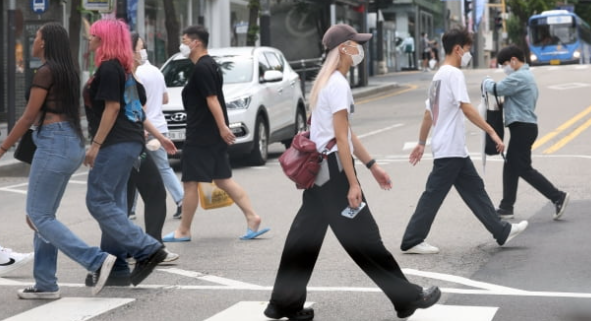
Seoul Fashion District Excellence and Style Innovation
Hongdae District Creative Fashion Culture: Hongdae represents Korean creative fashion excellence through youth style innovation, artistic expression, and cultural creativity that creates dynamic fashion culture while demonstrating Korean fashion creativity and traditional knowledge adaptation within contemporary artistic contexts.
Hongdae Fashion Characteristics:
- Youth Fashion Innovation: Creative expression through experimental fashion and artistic style development
- Independent Designer Support: Local designer boutiques and creative fashion retail supporting Korean fashion innovation
- Cultural Fashion Integration: Fashion coordination with music, art, and cultural expression creating comprehensive creative experiences
- Affordable Fashion Creativity: Accessible fashion options enabling creative expression and style experimentation
Hongdae fashion culture requires understanding creative expression, youth culture, and artistic integration that creates dynamic fashion experiences while building appreciation for Korean creative culture and artistic fashion development through continued creative fashion practice and artistic culture education.
Gangnam District Luxury Fashion Excellence: Gangnam demonstrates Korean luxury fashion through sophisticated style, premium brand integration, and cultural refinement that creates elite fashion culture while showcasing Korean economic success and traditional aesthetic principles within contemporary luxury fashion contexts.
Gangnam Luxury Fashion Elements:
- Premium Brand Concentration: International and Korean luxury fashion brands providing sophisticated spring style options
- Professional Fashion Standards: Business and social fashion requirements in Korea’s premium district
- Cultural Status Expression: Fashion choices reflecting cultural sophistication and economic achievement
- Traditional-Luxury Integration: Korean traditional aesthetic principles within contemporary luxury fashion coordination
Gangnam fashion excellence requires understanding luxury fashion standards, cultural sophistication, and economic integration that creates elite fashion experiences while building appreciation for Korean luxury culture and traditional aesthetic refinement through continued luxury fashion practice and cultural sophistication education.
Myeongdong Fashion Accessibility and International Integration: Myeongdong provides accessible Korean fashion through international brand integration, tourist fashion coordination, and cultural accessibility that creates inclusive fashion experiences while demonstrating Korean fashion openness and traditional hospitality within contemporary retail contexts.
Myeongdong accessibility includes understanding international integration, cultural accommodation, and fashion accessibility that creates welcoming fashion experiences while building appreciation for Korean hospitality culture and international fashion coordination through continued accessible practice and cultural integration education.
Korean Fashion Subcultures and Style Diversity
Korean Minimalist Fashion Movement: Korean minimalist fashion emphasizes sophisticated simplicity through quality focus, versatile coordination, and aesthetic refinement that creates timeless spring style while demonstrating Korean aesthetic principles and traditional knowledge about optimal style efficiency and cultural sophistication.
Minimalist Fashion Principles:
- Quality Over Quantity: Investment piece selection and superior fabric quality prioritization
- Versatile Coordination: Multi-purpose clothing enabling efficient wardrobe management and style flexibility
- Neutral Color Mastery: Sophisticated neutral color coordination creating timeless appeal and effortless elegance
- Traditional Aesthetic Integration: Korean traditional simplicity principles within contemporary minimalist fashion
Minimalist fashion requires understanding quality assessment, coordination efficiency, and aesthetic refinement that creates sophisticated simplicity while building appreciation for Korean aesthetic wisdom and traditional refinement through continued minimalist practice and aesthetic education.
Korean Kawaii and Cute Fashion Culture: Korean cute fashion demonstrates playful sophistication through adorable styling, cultural creativity, and youthful expression that creates charming spring style while showcasing Korean creative culture and traditional knowledge adaptation within contemporary cute fashion contexts.
Cute fashion culture includes understanding playful expression, cultural creativity, and youthful sophistication that creates charming fashion experiences while building appreciation for Korean creative culture and traditional adaptability through continued cute fashion practice and creative culture education.
Korean Vintage and Retro Fashion Revival: Korean vintage fashion celebrates fashion history through retro styling, traditional element revival, and cultural preservation that creates nostalgic spring style while demonstrating Korean fashion heritage and traditional knowledge preservation within contemporary vintage fashion contexts.
Vintage fashion revival requires understanding fashion history, cultural preservation, and traditional integration that creates meaningful vintage experiences while building appreciation for Korean fashion heritage and cultural continuity through continued vintage practice and cultural preservation education.
Korean Fashion Influencer Culture and Digital Style
Korean Fashion Blogger and Influencer Excellence: Korean fashion influencers demonstrate style leadership through content creation, trend development, and cultural influence that creates fashion inspiration while showcasing Korean digital culture and traditional knowledge adaptation within contemporary social media contexts.
Fashion Influencer Elements:
- Content Creation Excellence: High-quality fashion content demonstrating Korean aesthetic principles and style expertise
- Trend Leadership: Korean influencers setting fashion trends and cultural style direction
- Cultural Fashion Integration: Fashion content incorporating Korean cultural elements and traditional knowledge
- Community Engagement: Building fashion communities and cultural exchange through digital platforms
Influencer culture requires understanding digital communication, style leadership, and community building that creates meaningful fashion influence while building appreciation for Korean digital culture and fashion leadership through continued influencer practice and digital culture education.
Korean Fashion Photography and Visual Culture: Korean fashion photography demonstrates visual excellence through aesthetic coordination, cultural expression, and artistic development that creates compelling fashion imagery while showcasing Korean visual culture and traditional aesthetic principles within contemporary photography contexts.
Fashion photography includes understanding visual composition, cultural expression, and artistic development that creates superior fashion imagery while building appreciation for Korean visual culture and traditional aesthetic wisdom through continued photography practice and visual education.
Korean Fashion Social Media Integration: Korean fashion culture integrates social media through platform optimization, cultural sharing, and community building that creates digital fashion culture while demonstrating Korean technology adoption and traditional knowledge adaptation within contemporary digital contexts.
Social media integration requires understanding platform utilization, cultural communication, and community development that creates meaningful digital fashion culture while building appreciation for Korean digital adoption and cultural sharing through continued social media practice and digital cultural education.
Korean Spring Fashion Shopping and Brand Excellence

Korean Fashion Retail Excellence and Shopping Districts
Traditional Korean Market Fashion and Cultural Integration: Korean traditional markets provide unique fashion experiences through local craftsmanship, traditional techniques, and cultural authenticity that create authentic fashion shopping while demonstrating Korean artisan culture and traditional knowledge preservation within contemporary retail contexts.
Traditional Market Fashion Elements:
- Artisan Craft Integration: Local artisans providing handmade accessories and traditional fashion elements
- Traditional Technique Preservation: Fashion items utilizing traditional Korean textile and construction techniques
- Cultural Authenticity Experience: Shopping experiences providing cultural education and traditional knowledge
- Community Economic Support: Fashion purchases supporting local artisan communities and cultural preservation
Traditional market shopping requires understanding artisan culture, traditional techniques, and cultural appreciation that creates meaningful fashion experiences while building appreciation for Korean artisan heritage and traditional craftsmanship through continued traditional market practice and artisan culture education.
Korean Department Store Fashion Excellence: Korean department stores demonstrate retail sophistication through brand curation, service excellence, and cultural integration that creates premium shopping experiences while showcasing Korean retail culture and traditional service principles within contemporary commercial contexts.
Department Store Excellence Features:
- Brand Curation Excellence: Careful selection of Korean and international fashion brands providing quality options
- Customer Service Standards: Superior service reflecting Korean hospitality culture and traditional customer care
- Cultural Event Integration: Fashion events and cultural programming enhancing shopping experiences
- Seasonal Fashion Coordination: Strategic seasonal fashion presentation and trend integration
Department store shopping requires understanding service culture, quality standards, and cultural integration that creates superior shopping experiences while building appreciation for Korean retail excellence and traditional service culture through continued department store practice and retail culture education.
Korean Online Fashion Shopping and Digital Integration: Korean online fashion demonstrates digital excellence through platform innovation, service integration, and cultural adaptation that creates convenient shopping experiences while showcasing Korean technology leadership and traditional customer service within digital contexts.
Online shopping includes understanding digital platforms, service expectations, and technology utilization that creates efficient shopping experiences while building appreciation for Korean digital innovation and traditional service adaptation through continued online practice and digital retail education.
Korean Fashion Brand Heritage and Contemporary Innovation
Traditional Korean Fashion Brand Development: Korean fashion brands demonstrate heritage integration through traditional element incorporation, cultural identity preservation, and contemporary adaptation that creates authentic Korean fashion while showcasing Korean cultural continuity and traditional knowledge within modern fashion industry contexts.
Heritage Brand Elements:
- Traditional Technique Integration: Modern fashion incorporating traditional Korean textile techniques and craftsmanship
- Cultural Identity Expression: Fashion designs reflecting Korean cultural values and aesthetic principles
- Artisan Collaboration: Contemporary brands supporting traditional artisans and craft preservation
- Cultural Storytelling: Brand narratives incorporating Korean cultural heritage and traditional knowledge
Heritage brand development requires understanding traditional integration, cultural preservation, and contemporary adaptation that creates authentic cultural fashion while building appreciation for Korean heritage preservation and traditional knowledge through continued heritage practice and cultural brand education.
Korean Fashion Design Innovation and Global Recognition: Korean fashion designers achieve international recognition through design excellence, cultural integration, and innovation leadership that demonstrates Korean creative capabilities while building global appreciation for Korean fashion and cultural creativity.
Design Innovation Elements:
- Creative Excellence: Korean designers demonstrating superior creative capabilities and artistic vision
- Cultural Integration: Fashion designs incorporating Korean cultural elements while appealing to global markets
- Technical Innovation: Advanced design techniques and production methods enhancing fashion quality
- Sustainable Design Leadership: Korean designers leading sustainable fashion development and environmental consciousness
Design innovation requires understanding creative development, cultural integration, and global market needs that creates successful international fashion while building appreciation for Korean design excellence and cultural creativity through continued design practice and creative education.
Korean Fashion Industry Technology Integration: Korean fashion industry demonstrates technology leadership through production innovation, digital integration, and smart fashion development that creates cutting-edge fashion experiences while maintaining cultural authenticity and traditional knowledge within technological contexts.
Technology integration includes understanding innovation application, digital enhancement, and traditional preservation that creates advanced fashion experiences while building appreciation for Korean technology leadership and cultural preservation through continued technology practice and innovation education.
Korean Fashion Tourism and Cultural Experience
Korean Fashion Tour Development and Cultural Education: Korean fashion tourism provides comprehensive cultural experiences through fashion history education, contemporary trend exploration, and traditional knowledge sharing that creates meaningful tourism while building international appreciation for Korean fashion culture and traditional heritage.
Fashion Tourism Elements:
- Fashion History Education: Guided experiences exploring Korean fashion heritage and cultural development
- Contemporary Fashion Exploration: Fashion district tours and contemporary trend observation
- Traditional Knowledge Sharing: Artisan workshops and traditional technique learning opportunities
- Cultural Integration Experiences: Fashion tourism incorporating broader Korean cultural education and appreciation
Fashion tourism requires understanding cultural education, authentic experience provision, and traditional knowledge sharing that creates meaningful cultural tourism while building appreciation for Korean fashion heritage and cultural preservation through continued tourism practice and cultural education.
Korean Fashion Workshop and Educational Programs: Korean fashion education provides hands-on learning through workshop participation, traditional technique training, and cultural immersion that creates educational value while preserving traditional knowledge and building cultural understanding.
Educational programs include understanding traditional techniques, cultural context, and practical application that creates meaningful learning experiences while building appreciation for Korean fashion education and traditional knowledge through continued educational practice and cultural learning.
Korean Fashion Cultural Exchange and International Cooperation: Korean fashion culture facilitates international exchange through cultural programs, educational cooperation, and fashion diplomacy that creates global cultural connections while building international appreciation for Korean fashion and cultural heritage.
Cultural exchange requires understanding international cooperation, cultural communication, and diplomatic engagement that creates meaningful international connections while building appreciation for Korean cultural diplomacy and international fashion relations through continued exchange practice and cultural cooperation education.
Korean Beauty Culture Integration and Spring Fashion Coordination
Korean Beauty Standards and Fashion Harmony
Korean Natural Beauty Philosophy and Fashion Integration: Korean beauty culture emphasizes natural enhancement through subtle makeup coordination, skincare excellence, and fashion harmony that creates integrated spring style while demonstrating Korean beauty wisdom and traditional knowledge about optimal appearance coordination and cultural sophistication.
Natural Beauty Integration Elements:
- Skincare Foundation Excellence: Korean skincare routines creating optimal foundation for spring fashion coordination
- Subtle Makeup Enhancement: Natural makeup techniques complementing spring fashion without overwhelming style coordination
- Hair-Fashion Coordination: Korean hairstyles harmonizing with spring fashion choices and seasonal beauty coordination
- Fragrance-Fashion Integration: Thoughtful fragrance selection enhancing spring fashion and personal style coordination
Beauty-fashion integration requires understanding coordination principles, cultural beauty standards, and style harmony that creates comprehensive spring style while building appreciation for Korean beauty wisdom and traditional aesthetic principles through continued beauty practice and aesthetic education.
Korean Seasonal Beauty Adaptation and Spring Coordination: Korean beauty culture demonstrates seasonal adaptation through spring skincare adjustments, makeup coordination, and beauty routine modifications that create optimal seasonal beauty while showcasing Korean seasonal wisdom and traditional knowledge about beauty-season harmony.
Seasonal beauty adaptation includes understanding climate effects, beauty routine adjustment, and seasonal coordination that creates optimal spring beauty while building appreciation for Korean seasonal wisdom and traditional beauty knowledge through continued seasonal practice and beauty education.
Korean Beauty Technology and Fashion Enhancement: Korean beauty industry integrates advanced technology through innovative products, treatment development, and beauty enhancement that creates superior beauty experiences while maintaining cultural authenticity and traditional knowledge within technological beauty contexts.
Beauty technology includes understanding innovation application, traditional preservation, and beauty enhancement that creates advanced beauty experiences while building appreciation for Korean beauty innovation and traditional knowledge through continued technology practice and beauty innovation education.
Korean Fitness Culture and Fashion Lifestyle Integration
Korean Active Lifestyle and Spring Fashion Coordination: Korean fitness culture emphasizes active lifestyle integration through functional fashion, exercise coordination, and wellness lifestyle that creates comprehensive lifestyle harmony while demonstrating Korean wellness culture and traditional knowledge about optimal lifestyle-fashion coordination.
Active Lifestyle Fashion Elements:
- Functional Fashion Integration: Clothing choices supporting active Korean lifestyle while maintaining style appeal
- Exercise Fashion Coordination: Athletic wear integration with daily fashion coordination and lifestyle harmony
- Outdoor Activity Fashion: Spring fashion supporting Korean outdoor culture and recreational activity participation
- Wellness Lifestyle Fashion: Fashion choices reflecting Korean wellness values and healthy lifestyle coordination
Active lifestyle integration requires understanding functional requirements, style coordination, and wellness values that creates comprehensive lifestyle fashion while building appreciation for Korean wellness culture and traditional health wisdom through continued active practice and wellness education.
Korean Outdoor Culture and Fashion Adaptation: Korean outdoor culture requires specialized fashion through activity coordination, weather adaptation, and cultural integration that creates appropriate outdoor style while preserving traditional knowledge and environmental awareness within seasonal outdoor fashion coordination.
Outdoor culture fashion includes understanding activity requirements, environmental adaptation, and cultural respect that creates appropriate outdoor fashion while building appreciation for Korean outdoor culture and traditional environmental wisdom through continued outdoor practice and cultural education.
Korean Wellness Tourism and Fashion Experience: Korean wellness tourism integrates fashion with health experiences through spa culture, traditional medicine, and wellness lifestyle that creates comprehensive wellness experiences while demonstrating Korean wellness excellence and traditional health knowledge within tourism contexts.
Wellness tourism fashion requires understanding cultural wellness practices, appropriate fashion coordination, and traditional health integration that creates meaningful wellness experiences while building appreciation for Korean wellness culture and traditional health wisdom through continued wellness practice and health education.
Korean Food Culture and Fashion Dining Integration
Korean Dining Culture and Fashion Etiquette: Korean dining culture requires appropriate fashion through cultural etiquette, social coordination, and traditional respect that creates positive dining experiences while demonstrating Korean hospitality culture and traditional knowledge about optimal dining-fashion coordination.
Dining Fashion Elements:
- Restaurant Fashion Etiquette: Appropriate clothing choices for various Korean dining establishments and cultural settings
- Social Dining Coordination: Fashion choices supporting Korean social dining culture and community coordination
- Traditional Dining Respect: Fashion appropriateness for traditional Korean dining experiences and cultural participation
- Business Dining Standards: Professional fashion requirements for Korean business dining and social coordination
Dining fashion requires understanding cultural etiquette, social expectations, and traditional respect that creates appropriate dining experiences while building appreciation for Korean dining culture and traditional hospitality through continued dining practice and cultural education.
Korean Food Festival Fashion and Cultural Participation: Korean food festivals provide cultural fashion experiences through festival participation, traditional coordination, and cultural celebration that creates meaningful cultural experiences while building appreciation for Korean food culture and traditional knowledge.
Festival fashion includes understanding cultural participation, traditional respect, and festival coordination that creates appropriate cultural experiences while building appreciation for Korean festival culture and traditional celebration through continued festival practice and cultural participation education.
Korean Culinary Tourism Fashion and Cultural Integration: Korean culinary tourism integrates fashion with food experiences through cultural coordination, traditional respect, and authentic participation that creates comprehensive cultural experiences while demonstrating Korean culinary excellence and traditional knowledge within tourism contexts.
Culinary tourism fashion requires understanding cultural integration, traditional participation, and culinary appreciation that creates meaningful culinary experiences while building appreciation for Korean culinary culture and traditional knowledge through continued culinary practice and cultural education.
Sustainable Korean Fashion and Environmental Consciousness
Korean Fashion Sustainability and Environmental Innovation
Korean Sustainable Fashion Movement and Environmental Leadership: Korean fashion industry demonstrates environmental leadership through sustainable production, eco-friendly materials, and environmental consciousness that creates responsible fashion while showcasing Korean environmental commitment and traditional knowledge about environmental harmony within contemporary fashion contexts.
Sustainable Fashion Elements:
- Eco-Friendly Material Innovation: Korean textile innovation creating sustainable fabric options and environmental responsibility
- Sustainable Production Methods: Korean fashion brands implementing environmentally conscious production and manufacturing practices
- Circular Fashion Economy: Korean initiatives supporting clothing recycling, reuse, and sustainable consumption practices
- Environmental Education Integration: Korean fashion culture incorporating environmental awareness and sustainable lifestyle education
Sustainable fashion requires understanding environmental impact, innovation application, and consciousness development that creates responsible fashion while building appreciation for Korean environmental leadership and traditional wisdom through continued sustainability practice and environmental education.
Korean Traditional Textile Sustainability and Modern Application: Korean traditional textiles demonstrate sustainability through natural materials, traditional techniques, and environmental harmony that influence contemporary sustainable fashion while preserving traditional knowledge and environmental wisdom within modern sustainability contexts.
Traditional textile sustainability includes understanding traditional methods, environmental harmony, and modern application that creates sustainable fashion approaches while building appreciation for Korean traditional wisdom and environmental knowledge through continued traditional practice and sustainability education.
Korean Fashion Waste Reduction and Circular Economy: Korean fashion industry develops waste reduction through circular economy principles, reuse innovation, and consumption consciousness that creates sustainable fashion systems while demonstrating Korean efficiency values and traditional knowledge about resource optimization within environmental contexts.
Waste reduction includes understanding circular systems, reuse innovation, and consumption awareness that creates sustainable fashion practices while building appreciation for Korean efficiency culture and traditional resource wisdom through continued waste reduction practice and circular economy education.
Korean Fashion Education and Cultural Preservation
Korean Fashion Education Excellence and Traditional Knowledge: Korean fashion education demonstrates educational excellence through design training, cultural integration, and traditional knowledge preservation that creates fashion expertise while building appreciation for Korean educational culture and traditional knowledge within contemporary fashion education contexts.
Fashion Education Elements:
- Design Excellence Training: Korean fashion education providing superior design training and creative development
- Cultural Integration Education: Fashion education incorporating Korean cultural heritage and traditional knowledge
- International Fashion Coordination: Korean fashion education preparing students for global fashion industry and cultural exchange
- Traditional Knowledge Preservation: Fashion education supporting traditional technique preservation and cultural continuity
Fashion education requires understanding educational excellence, cultural integration, and knowledge preservation that creates superior fashion education while building appreciation for Korean educational culture and traditional knowledge through continued educational practice and cultural learning.
Korean Fashion Cultural Documentation and Heritage Preservation: Korean fashion culture supports cultural documentation through heritage preservation, traditional knowledge recording, and cultural continuity that maintains fashion cultural heritage while building appreciation for Korean cultural preservation and traditional knowledge.
Cultural documentation includes understanding heritage importance, traditional recording, and cultural continuity that creates effective cultural preservation while building appreciation for Korean cultural heritage and traditional knowledge through continued documentation practice and heritage education.
Korean Fashion International Cultural Exchange and Global Education: Korean fashion culture facilitates international exchange through educational programs, cultural sharing, and global cooperation that creates international cultural connections while building global appreciation for Korean fashion culture and traditional heritage.
International exchange requires understanding cultural communication, educational cooperation, and global integration that creates meaningful international connections while building appreciation for Korean cultural diplomacy and international education through continued exchange practice and global cultural cooperation.
Korean Fashion Future Development and Innovation Integration
Korean Fashion Technology Future and Digital Innovation: Korean fashion industry develops future technology through digital innovation, smart fashion development, and technological integration that creates cutting-edge fashion experiences while maintaining cultural authenticity and traditional knowledge within technological advancement contexts.
Fashion Technology Future Elements:
- Smart Textile Development: Korean innovation in intelligent fabrics and responsive clothing technology
- Digital Fashion Integration: Virtual fashion experiences and digital clothing development
- Sustainable Technology Innovation: Technology applications supporting environmental sustainability and responsible production
- Cultural Technology Integration: Technology applications preserving cultural heritage and traditional knowledge
Technology future development requires understanding innovation possibilities, cultural preservation, and traditional integration that creates advanced fashion while building appreciation for Korean innovation leadership and cultural preservation through continued technology practice and innovation education.
Korean Fashion Cultural Future and Traditional Integration: Korean fashion culture develops future integration through cultural preservation, traditional knowledge adaptation, and contemporary relevance that maintains cultural authenticity while creating future fashion excellence and cultural continuity.
Cultural future includes understanding traditional adaptation, contemporary relevance, and cultural continuity that creates meaningful cultural fashion development while building appreciation for Korean cultural preservation and traditional knowledge through continued cultural practice and future cultural education.
Korean Fashion Global Influence and International Leadership: Korean fashion achieves global influence through quality excellence, cultural authenticity, and international leadership that demonstrates Korean capabilities while building global appreciation for Korean fashion and cultural creativity within international fashion contexts.
Global influence requires understanding international leadership, cultural authenticity, and quality excellence that creates meaningful global fashion influence while building appreciation for Korean international capabilities and cultural leadership through continued global practice and international cultural cooperation.
Practical Korean Spring Fashion Planning and Cultural Integration
Comprehensive Spring Fashion Planning and Wardrobe Development
Strategic Korean Spring Wardrobe Planning: Korean spring fashion requires strategic planning through climate consideration, lifestyle coordination, and cultural integration that creates optimal spring wardrobe while demonstrating Korean planning excellence and traditional knowledge about seasonal preparation and cultural appropriateness.
Spring Wardrobe Planning Elements:
- Climate Adaptation Strategy: Understanding Korean spring weather patterns and appropriate clothing coordination
- Lifestyle Integration Planning: Fashion choices supporting Korean spring lifestyle and activity coordination
- Cultural Appropriateness Consideration: Fashion selection respecting Korean cultural values and social expectations
- Budget Optimization Planning: Efficient wardrobe investment and cost-effective fashion coordination
Wardrobe planning requires understanding strategic coordination, climate adaptation, and cultural integration that creates optimal spring fashion while building appreciation for Korean planning culture and traditional preparation wisdom through continued planning practice and wardrobe education.
Korean Fashion Size and Fit Optimization: Korean fashion selection requires size understanding through measurement coordination, fit preference awareness, and sizing system knowledge that creates optimal clothing fit while demonstrating Korean fashion industry standards and traditional knowledge about appropriate clothing coordination.
Size optimization includes understanding measurement systems, fit preferences, and sizing coordination that creates superior clothing fit while building appreciation for Korean fashion standards and traditional fit wisdom through continued sizing practice and fit education.
Korean Fashion Quality Assessment and Investment Strategy: Korean fashion investment requires quality assessment through fabric evaluation, construction analysis, and value determination that creates optimal fashion investment while demonstrating Korean quality standards and traditional knowledge about textile excellence and durable fashion coordination.
Quality assessment includes understanding textile evaluation, construction standards, and investment value that creates informed fashion choices while building appreciation for Korean quality culture and traditional craftsmanship through continued quality practice and investment education.
Korean Fashion Cultural Integration and Social Coordination
Korean Fashion Social Etiquette and Cultural Respect: Korean fashion requires social awareness through cultural etiquette, appropriate coordination, and traditional respect that creates positive social experiences while demonstrating Korean social culture and traditional knowledge about appropriate fashion behavior and cultural sensitivity.
Social Fashion Elements:
- Cultural Etiquette Understanding: Fashion choices respecting Korean social customs and cultural expectations
- Appropriate Occasion Coordination: Fashion selection matching social situations and cultural requirements
- Age and Status Consideration: Fashion appropriateness reflecting Korean social hierarchy and respect systems
- Regional Sensitivity Awareness: Fashion coordination respecting regional differences and cultural variations
Social etiquette requires understanding cultural customs, appropriate coordination, and traditional respect that creates positive social fashion while building appreciation for Korean social culture and traditional etiquette through continued social practice and cultural education.
Korean Fashion Community Integration and Cultural Participation: Korean fashion culture encourages community participation through cultural events, traditional activities, and social coordination that creates meaningful cultural experiences while building appreciation for Korean community culture and traditional knowledge.
Community integration includes understanding cultural participation, traditional activities, and social coordination that creates meaningful community experiences while building appreciation for Korean community culture and traditional knowledge through continued community practice and cultural participation education.
Korean Fashion Language and Communication Integration: Korean fashion culture benefits from language integration through fashion vocabulary, cultural communication, and social interaction that enhances fashion experiences while building cultural understanding and communication capabilities within Korean fashion contexts.
Language integration requires understanding fashion communication, cultural vocabulary, and social interaction that creates enhanced fashion experiences while building appreciation for Korean language culture and traditional communication through continued language practice and cultural communication education.
Korean Fashion Travel Integration and Tourism Enhancement
Korean Fashion Tourism Planning and Cultural Experience: Korean fashion tourism requires comprehensive planning through cultural preparation, shopping coordination, and experience optimization that creates meaningful fashion tourism while building cultural understanding and appreciation for Korean fashion heritage and traditional knowledge.
Fashion Tourism Planning Elements:
- Cultural Preparation Education: Pre-travel cultural learning and fashion culture understanding
- Shopping District Coordination: Strategic shopping area selection and cultural experience optimization
- Budget and Time Management: Efficient tourism planning and fashion experience coordination
- Cultural Integration Opportunities: Fashion tourism incorporating broader Korean cultural experiences and traditional knowledge
Tourism planning requires understanding cultural preparation, experience optimization, and traditional knowledge that creates meaningful fashion tourism while building appreciation for Korean tourism culture and traditional hospitality through continued tourism practice and cultural travel education.
Korean Fashion Documentation and Memory Preservation: Korean fashion experiences benefit from documentation through photography, cultural recording, and memory preservation that creates lasting fashion memories while building appreciation for Korean fashion culture and traditional knowledge.
Documentation includes understanding cultural photography, experience recording, and memory preservation that creates meaningful fashion documentation while building appreciation for Korean cultural preservation and traditional knowledge through continued documentation practice and cultural memory education.
Korean Fashion Cultural Exchange and International Understanding: Korean fashion tourism facilitates cultural exchange through international interaction, cultural sharing, and global understanding that creates meaningful cultural connections while building international appreciation for Korean fashion and cultural heritage.
Cultural exchange requires understanding international interaction, cultural sharing, and global communication that creates meaningful international experiences while building appreciation for Korean cultural diplomacy and international relations through continued exchange practice and cultural cooperation education.
STELLA’S LOCAL SECRET The “Korean Fashion District Strategy” Experience authentic Korean fashion by following the “district progression” method: start with Hongdae for creative youth fashion (10 AM-12 PM), move to Myeongdong for accessible trends (1-3 PM), explore Gangnam for luxury fashion (4-6 PM), and finish in Dongdaemun for wholesale fashion discovery (7-9 PM). Each district represents different Korean fashion cultures and price points, providing comprehensive understanding of Korean fashion diversity while experiencing authentic local shopping culture and fashion community interaction.
STELLA’S LOCAL SECRET The “Korean Fashion Size Secret” Master Korean fashion sizing by understanding the “Korean fit philosophy”: Korean fashion typically runs one size smaller than Western standards, but prioritizes length over width. Request “어깨 맞춤” (shoulder fitting) rather than “전체 사이즈” (overall size) when shopping, as Korean tailoring emphasizes shoulder line harmony. Many Korean brands offer free alterations, particularly for length adjustments, making size flexibility possible while maintaining authentic Korean fashion proportions.
STELLA’S LOCAL SECRET The “Korean Fashion Season Timing” Optimize Korean spring fashion shopping by following Korean retail seasons: new spring collections arrive in late February, best selection occurs in early March, and end-of-season sales begin in late April. Korean fashion brands coordinate with cherry blossom season, so spring fashion peaks during optimal weather periods. Shop weekday mornings (10 AM-12 PM) for best service and selection, as Korean retail culture emphasizes careful customer attention and personalized fashion consultation.
STELLA’S LOCAL SECRET The “Korean Fashion Cultural Integration” Experience Korean fashion culture authentically by participating in “fashion cultural activities”: attend Korean fashion week events (typically March and October), visit Korean fashion museums and exhibitions, participate in traditional hanbok rental experiences, and engage with Korean fashion bloggers and influencers through social media. These activities provide cultural context and authentic fashion community integration while building understanding of Korean fashion heritage and contemporary innovation.
Frequently Asked Questions
Q: What are the essential spring clothing items for visiting Korea? Essential Korean spring clothing includes lightweight layers (cardigans, light jackets), comfortable walking shoes suitable for varied terrain, breathable fabrics like cotton and linen, a quality rain jacket for spring showers, and versatile pieces that can be mixed and matched. Korean spring weather varies significantly, so layering capability is crucial for comfort and style throughout the day.
Q: How should I dress appropriately for different Korean social situations? Korean social dressing emphasizes respect and appropriateness: business settings require conservative, well-fitted clothing; casual dining allows relaxed but neat attire; traditional cultural sites call for modest, respectful clothing; and nightlife venues welcome more expressive fashion. Generally, avoid overly revealing clothing, ensure good grooming, and choose quality over flashy styles to align with Korean aesthetic preferences.
Q: Where are the best places to shop for Korean fashion in Seoul? Top Korean fashion shopping areas include Hongdae for creative youth fashion, Myeongdong for accessible trends and international brands, Gangnam for luxury fashion and premium Korean designers, Dongdaemun for wholesale fashion and unique finds, and Garosugil for boutique Korean designers. Each district offers different price points, styles, and cultural experiences, so choose based on your fashion preferences and budget.
Q: How do Korean fashion sizes compare to Western sizing? Korean fashion typically runs 1-2 sizes smaller than Western standards, with emphasis on length over width. Korean size “M” often equals Western “S,” and Korean brands prioritize slim fit and shoulder line harmony. Many stores offer alterations, particularly length adjustments. Always try items on or check detailed size charts, as sizing varies significantly between brands and Korean fashion emphasizes different body proportions.
Q: What Korean fashion brands should international visitors know about? Notable Korean fashion brands include luxury designers like Rejina Pyo and Beyond Closet, contemporary brands like Stylenanda and Chuu, traditional-modern fusion brands like Leesle and Tchai Kim, and accessible fashion from Uniqlo Korea and H&M Korea collaborations. Korean beauty fashion integration through brands like Gentle Monster (eyewear) also represents unique Korean fashion innovation combining beauty and fashion excellence.
Q: How can I understand Korean fashion trends and cultural context? Understanding Korean fashion requires cultural context: follow Korean fashion influencers and bloggers, observe Korean drama fashion coordination, study K-pop style influence, learn about Korean beauty standards integration, and understand seasonal Korean lifestyle coordination. Korean fashion emphasizes natural beauty enhancement, quality over quantity, and cultural appropriateness while incorporating global trends with Korean aesthetic sensibilities.
Q: What should I know about Korean fashion etiquette and cultural sensitivity? Korean fashion etiquette emphasizes respect and appropriateness: avoid overly casual clothing in formal settings, ensure good personal grooming and presentation, respect cultural sites with modest clothing, understand age-appropriate dressing expectations, and appreciate quality and craftsmanship over flashy displays. Korean culture values thoughtful presentation and cultural sensitivity in fashion choices.
Q: How can I experience authentic Korean fashion culture beyond shopping? Authentic Korean fashion experiences include attending Korean Fashion Week events, visiting Korean fashion museums and cultural exhibitions, participating in traditional hanbok experiences, engaging with Korean fashion communities through workshops and cultural programs, and exploring Korean fashion history through cultural sites and educational programs. These experiences provide cultural context and deeper understanding of Korean fashion heritage.
Q: What’s the best way to incorporate Korean fashion into my personal style? Incorporate Korean fashion through quality basics, natural beauty enhancement, seasonal coordination awareness, cultural color understanding, and aesthetic harmony principles. Start with Korean-inspired layering techniques, invest in quality essential pieces, learn Korean color coordination principles, and gradually integrate Korean fashion elements while maintaining personal style authenticity and cultural appropriateness.
Q: How do I navigate Korean fashion customer service and shopping culture? Korean fashion shopping culture emphasizes excellent customer service: expect attentive assistance and personalized recommendations, understand that trying on multiple items is welcomed, appreciate detailed product explanations and styling advice, respect shop policies and etiquette, and show appreciation for quality service. Korean retail culture prioritizes customer satisfaction and long-term relationship building over immediate sales pressure.
Embracing Korea’s Sophisticated Fashion Culture and Seasonal Style Excellence
You now possess comprehensive knowledge to approach Korean spring fashion with deep understanding of what makes Korean seasonal style represent cultural sophistication, aesthetic excellence, and traditional wisdom that transforms simple clothing choices into meaningful expressions of Korean fashion values, cultural identity, and style innovation connecting contemporary Korean fashion with centuries of Korean aesthetic traditions and cultural preservation.
You’ve learned exactly what distinguishes Korean spring fashion through cultural knowledge, aesthetic integration, and seasonal coordination, why specific Korean style approaches create optimal fashion experiences while maintaining cultural authenticity and traditional knowledge preservation, how Korean fashion customs facilitate cultural education and style community bonding while building fashion excellence and international appreciation, and what appropriate Korean fashion participation demonstrates about cultural understanding and aesthetic respect.
You understand Korean spring fashion culture’s importance through aesthetic foundations, cultural significance, and contemporary relevance while gaining practical knowledge including style selection, seasonal coordination, cultural context understanding, and fashion integration methods that enhance authentic Korean cultural experiences and aesthetic learning through traditional knowledge integration and contemporary fashion appreciation.
Most importantly, you understand that Korean spring fashion represents far more than seasonal clothing. It preserves Korean aesthetic wisdom while serving essential functions including cultural expression, traditional knowledge transmission, community building, and international cultural exchange that enriches human understanding of fashion’s role in cultural identity, aesthetic development, and style community building through continued practice and traditional knowledge preservation.
Walking into authentic Korean fashion experiences means participating in living aesthetic tradition where cultural sophistication continues inspiring fashion excellence, where traditional knowledge maintains fashion authenticity and seasonal wisdom, where fashion customs strengthen cultural bonds while creating opportunities for authentic cultural exchange and aesthetic appreciation through respectful fashion participation and cultural learning.
Your thoughtful engagement with Korean spring fashion culture supports cultural preservation while contributing to fashion understanding and aesthetic appreciation that benefits both Korean heritage preservation and international cultural exchange through respectful participation in fashion customs that demonstrate cultural sophistication and traditional knowledge recognition.
The Korean spring fashion experience awaits through authentic style exploration, cultural fashion community participation, aesthetic learning opportunities, and meaningful cultural integration. Traditional wisdom continues guiding fashion excellence while cultural heritage preserves aesthetic principles. Fashion customs continue building cultural connections while seasonal knowledge maintains style authenticity. Your Korean spring fashion cultural journey is about to begin.