
Discovering Korea’s Crispy Revolution
Have you ever wondered how Korea transformed simple fried chicken into global culinary phenomenon that rivals American fried chicken traditions, what makes Korean “chikin” (치킨) develop distinctive double-frying techniques and innovative sauce varieties that create impossibly crispy exteriors while maintaining juicy interiors, how traditional Korean poultry preparation evolved into contemporary chicken culture that spans from street food to premium dining while maintaining authentic Korean flavors, and why Korean fried chicken became essential element of Korean social culture connecting baseball games, late-night dining, and casual social gatherings through shared chicken experiences?
Where ancient Korean poultry cooking meets modern culinary innovation that creates textures and flavors impossible to achieve through single-frying methods, where traditional Korean sauce-making expertise produces yangnyeom (양념) glazes that balance sweet, spicy, and savory elements while coating without compromising crispiness, where American military influence during Korean War introduced fried chicken concepts that Koreans refined into distinctive national cuisine that now influences global chicken preparation techniques? Where Korean chicken culture creates social dining experiences that transform simple fried food into community bonding activities that span generations while adapting to contemporary Korean lifestyle and entertainment patterns?
Korean Fried Chicken (한국 치킨) offers exactly this extraordinary culinary evolution story – but only if you understand what makes Korean chicken preparation unique beyond “fried chicken with sauce,” why specific techniques create signature Korean chicken characteristics including ultra-crispy coating and tender meat, how regional variations and contemporary innovations expand traditional boundaries while maintaining cultural authenticity, and what distinguishes authentic Korean chicken culture from international adaptations that simplify complex preparation methods and cultural significance.
For international food enthusiasts especially, Korean fried chicken presents fascinating case study in cultural food adaptation because unlike simple recipe adoption, Korean chicken culture represents complete transformation of foreign food concept into distinctly Korean culinary tradition that reflects Korean tastes, social customs, and culinary innovation while creating new global influences.
Most people approach Korean fried chicken as exotic version of familiar food without understanding sophisticated preparation techniques that create distinctive textures, traditional Korean flavoring principles that influence sauce development, social customs surrounding chicken consumption that reflect Korean community values, or historical development that connects contemporary chicken culture with broader Korean culinary evolution and cultural adaptation.
I understand that limited perspective completely. My first Korean fried chicken experience (tourist area chain restaurant) provided good food but missed entirely the cultural significance, preparation complexity, and social customs that make authentic Korean chicken culture represent broader Korean approaches to food innovation, community building, and cultural adaptation that transform borrowed concepts into authentic Korean traditions.
That’s why this comprehensive guide exists. I’m going to share everything you need to transform Korean fried chicken from novelty food into understanding of Korean culinary innovation that demonstrates cultural adaptation, technical excellence, and social integration through accessible, delicious format. You’ll learn exactly what techniques create distinctive Korean chicken characteristics, why various sauce varieties reflect Korean flavor preferences and traditional seasoning principles, how chicken culture integrates with Korean social customs and entertainment patterns, and what regional variations reveal about Korean culinary creativity and local preferences.
You’ll understand Korean chicken culture’s development through historical influences, technical innovations, and social functions while gaining practical knowledge including preparation technique recognition, sauce variety appreciation, and cultural consumption customs that enhance authentic Korean chicken experiences. By the end of this guide, you’ll know how to appreciate Korean fried chicken with understanding that transforms crispy chicken into recognition of culinary innovation, sauce varieties into evidence of traditional Korean flavoring expertise, and social dining customs into participation in contemporary Korean community culture.
Most importantly, you’ll grasp why Korean fried chicken matters beyond delicious food – as demonstration of cultural innovation, example of successful food globalization, and model for how traditional culinary knowledge can enhance foreign food concepts while creating new cultural traditions that enrich both local food culture and global culinary diversity.
Historical Development: From Dakgui to Modern Chikin
Traditional Korean Poultry Cooking
Ancient Korean Chicken Preparation: Traditional Korean poultry cooking emphasized whole chicken preparations including dakgui (닭구이 – grilled chicken), dakjuk (닭죽 – chicken porridge), and various soup preparations that utilized entire chickens for maximum nutrition while reflecting Korean culinary principles of balance, seasonal appropriateness, and medicinal food concepts.
Traditional preparation methods included steaming, braising, grilling, and soup-making techniques that maximized chicken’s nutritional benefits while incorporating Korean traditional seasonings including ginseng, jujube, garlic, and various traditional herbs that enhanced both flavor and perceived health benefits.
Korean traditional chicken preparation often emphasized special occasion consumption with chicken dishes serving ceremonial and celebration functions rather than casual daily meals, reflecting chicken’s relative expense and cultural significance within traditional Korean dietary patterns.
Medicinal Food Traditions: Korean traditional medicine (한의학) recognized chicken as important medicinal food providing energy restoration, immune system support, and nutritional recovery, with specific preparation methods designed to enhance therapeutic benefits while creating delicious, satisfying meals.
Traditional Korean chicken preparations like samgyetang (삼계탕 – ginseng chicken soup) demonstrate integration of food and medicine concepts that continue influencing contemporary Korean chicken culture through emphasis on health benefits alongside flavor satisfaction.
Post-War American Influence
Korean War Period (1950-1953): American military presence during Korean War introduced fried chicken concepts that Korean cooks adapted using traditional Korean seasonings and preparation techniques, beginning transformation process that would eventually create distinctive Korean fried chicken culture.
Initial Korean fried chicken adaptations incorporated traditional Korean flavoring principles including gochujang-based marinades, traditional vegetable accompaniments, and Korean social dining customs that transformed American-style fried chicken into Korean cultural context.
Economic Development Era (1960s-1980s): Korea’s rapid economic development increased chicken availability while urbanization and changing lifestyle patterns created demand for convenient, flavorful foods that suited contemporary Korean social patterns and entertainment culture.
During this period, Korean cooks developed distinctive preparation techniques including double-frying methods that create signature crispy textures while experimenting with traditional Korean sauce combinations that would eventually become standard Korean chicken varieties.
Contemporary Korean Chicken Revolution
Technical Innovation Development: Korean chicken preparation evolved sophisticated double-frying techniques that create impossibly crispy exteriors while maintaining juicy interiors through precise temperature control and timing that requires skilled technique and proper equipment setup.
The double-frying process involves initial lower-temperature frying that cooks chicken thoroughly while beginning exterior crisping, followed by higher-temperature second frying that creates signature ultra-crispy coating without overcooking interior meat.
Sauce Innovation and Variety: Korean chicken culture developed extensive sauce varieties that reflect traditional Korean flavoring principles while creating contemporary innovations that appeal to diverse tastes and provide variety within Korean chicken dining experiences.
Major sauce developments include yangnyeom (sweet-spicy glaze), garlic-based preparations, soy-based options, and various fusion combinations that maintain Korean flavor profiles while incorporating international influences and contemporary taste preferences.
Globalization and International Influence
Korean Wave (Hallyu) Impact: Korean cultural exports including K-pop, K-dramas, and Korean cuisine created international demand for authentic Korean foods including Korean fried chicken, leading to global expansion of Korean chicken restaurants and preparation techniques.
International Korean chicken expansion introduced global audiences to Korean preparation methods while creating cultural exchange opportunities that spread Korean culinary techniques and social dining customs to diverse international markets.
Reverse Innovation: Korean chicken culture now influences international fried chicken preparation through technical innovations, sauce varieties, and social dining concepts that demonstrate successful cultural food exchange and Korean culinary expertise recognition.
Contemporary global chicken trends increasingly incorporate Korean techniques, flavoring principles, and presentation styles that validate Korean chicken culture’s innovation and quality while spreading Korean culinary influence worldwide.
Korean Chicken Preparation Techniques
The Double-Frying Method
First Frying Process: Korean chicken’s signature texture begins with initial low-temperature frying (320-340°F) that thoroughly cooks chicken while beginning external moisture removal without achieving final crispiness, creating foundation for superior texture development during second frying phase.
This first frying typically lasts 12-15 minutes depending on chicken piece size, ensuring complete cooking while avoiding exterior burning that could compromise final texture quality. Proper oil temperature control prevents overcooking while ensuring food safety and optimal texture development.
Second Frying Innovation: The crucial second frying occurs at higher temperature (350-375°F) for shorter duration (3-5 minutes) that creates signature ultra-crispy exterior through rapid moisture removal and coating development while maintaining interior juiciness achieved during first frying.
This second frying technique requires precise timing and temperature control that achieves maximum crispiness without burning coating or drying interior meat, creating texture contrast that distinguishes Korean chicken from single-frying preparation methods.
Temperature Control Mastery: Successful Korean chicken preparation requires understanding oil temperature management, timing coordination, and visual recognition of proper frying stages that ensure consistent quality while maintaining efficiency during commercial preparation.
Professional Korean chicken preparation often involves specialized equipment including temperature-controlled fryers, timing systems, and drainage equipment that optimize double-frying technique while maintaining consistency across large volumes and extended service periods.
Coating and Batter Techniques
Traditional Korean Coating: Authentic Korean chicken coating emphasizes light, crispy texture that enhances rather than overwhelms chicken flavor while providing structural foundation for sauce adhesion without creating heavy, bread-like coating that compromises crispiness.
Traditional Korean coating typically incorporates potato starch, rice flour, or specialized Korean chicken coating mixes that create distinctive texture characteristics while maintaining compatibility with double-frying technique and sauce application requirements.
Marinating Processes: Korean chicken preparation often includes marinating processes that enhance flavor penetration while tenderizing meat through traditional Korean seasonings including soy sauce, garlic, ginger, and various traditional ingredients that improve both taste and texture.
Marinating timing typically ranges from 2-24 hours depending on preparation method and desired flavor intensity, with longer marinating periods providing deeper flavor penetration while requiring careful balance to prevent over-seasoning or texture modification.
Modern Innovations: Contemporary Korean chicken preparation incorporates various coating innovations including seasoned flour mixtures, specialized starches, and coating additives that enhance crispiness while maintaining traditional Korean flavor principles and preparation authenticity.
Innovation focuses on improving texture longevity, sauce adhesion quality, and preparation efficiency while preserving fundamental Korean chicken characteristics and traditional flavoring that defines authentic Korean chicken culture.
Sauce Preparation and Application
Yangnyeom (양념) Sauce Mastery: Korean chicken’s most iconic sauce combines gochujang (fermented chili paste), honey or other sweeteners, soy sauce, garlic, and various traditional seasonings that create complex sweet-spicy flavor profile while maintaining coating compatibility and visual appeal.
Authentic yangnyeom preparation requires understanding proper ingredient ratios, cooking techniques that develop optimal consistency, and application methods that coat chicken evenly while maintaining crispiness and preventing sauce separation or burning.
Traditional Korean Flavoring Principles: Korean chicken sauce development reflects traditional Korean taste preferences including balance between sweet, spicy, salty, and umami elements while incorporating traditional Korean ingredients and preparation techniques that create distinctive flavor profiles.
Sauce preparation often involves cooking processes that develop complex flavors through ingredient integration, reduction techniques, and seasoning adjustments that create restaurant-quality results while maintaining consistency across different preparation conditions.
Application Techniques: Proper sauce application requires timing coordination between frying completion and sauce coating while maintaining chicken temperature and crispiness through efficient service that prevents texture degradation and flavor loss.
Professional application techniques include tossing methods, brush application, and specialized coating techniques that ensure even distribution while maintaining visual appeal and optimal eating experience that showcases both chicken quality and sauce excellence.
Regional and Specialty Varieties
Seoul Metropolitan Innovations
Gangnam Style Premium Chicken: Seoul’s affluent Gangnam district developed premium chicken preparations featuring high-quality ingredients, refined presentation, and innovative sauce varieties that appeal to sophisticated palates while maintaining authentic Korean chicken preparation principles.
Premium Seoul chicken often incorporates organic ingredients, artisanal sauces, and upscale presentation that justifies higher pricing while providing superior quality experiences that attract business diners and special occasion consumers.
University Area Innovations: Areas around Seoul’s universities created affordable, creative chicken varieties that appeal to student demographics through innovative flavoring, generous portions, and competitive pricing while maintaining quality standards and authentic Korean preparation methods.
University area chicken culture often emphasizes late-night availability, social dining formats, and creative menu variations that accommodate student lifestyle patterns while providing authentic Korean chicken experiences at accessible prices.
Busan Coastal Influences
Seafood Integration: Busan’s maritime culture influences local chicken preparations through seafood sauce additions, coastal seasonings, and marine-influenced flavor profiles that create distinctive regional variations while maintaining fundamental Korean chicken preparation techniques.
Coastal chicken preparations may incorporate seaweed seasonings, fish-based umami enhancers, and regional sauce variations that reflect local taste preferences and ingredient availability while preserving authentic Korean chicken culture characteristics.
Spice Level Adaptations: Busan region preferences often favor higher spice levels compared to Seoul preparations, creating regional chicken varieties with enhanced heat while maintaining flavor balance and traditional Korean seasoning principles that define authentic Korean chicken culture.
Regional spice preferences reflect local palate development and traditional food culture that influences contemporary chicken preparation while maintaining compatibility with Korean social dining customs and flavor expectations.
Traditional Regional Specialties
Andong Traditional Influences: Andong region’s traditional Korean food heritage influences local chicken preparations through traditional seasonings, historical preparation methods, and cultural practices that connect contemporary chicken culture with broader Korean culinary traditions.
Traditional influences may include traditional Korean medicinal seasonings, historical preparation techniques, and cultural customs that enhance chicken’s role in local food culture while maintaining authenticity and regional identity.
Jeolla Province Flavor Intensity: Jeolla Province’s reputation for bold, complex flavors influences regional chicken preparations through generous seasoning, innovative sauce combinations, and traditional Jeolla culinary principles that create distinctive regional chicken experiences.
Jeolla chicken preparations often incorporate regional agricultural specialties, traditional fermentation products, and local taste preferences that reflect the province’s culinary excellence while maintaining Korean chicken preparation authenticity.
Modern Fusion and Innovation
International Fusion Trends: Contemporary Korean chicken culture incorporates international fusion elements including global sauce varieties, international spice blends, and creative presentation styles that expand traditional boundaries while maintaining Korean preparation techniques and cultural authenticity.
Fusion innovations often combine Korean double-frying techniques with international flavor profiles, creating new varieties that appeal to diverse tastes while demonstrating Korean culinary adaptability and innovation capacity.
Health-Conscious Adaptations: Modern Korean chicken culture includes health-conscious adaptations featuring organic ingredients, reduced-oil preparation methods, and lighter sauce varieties that respond to contemporary dietary preferences while maintaining traditional Korean chicken flavor and texture characteristics.
Health-conscious innovations focus on maintaining authentic Korean chicken qualities while accommodating dietary restrictions, nutritional awareness, and contemporary lifestyle preferences that influence modern Korean dining patterns.
Korean Chicken Social Culture
Chicken and Beer (치맥) Tradition
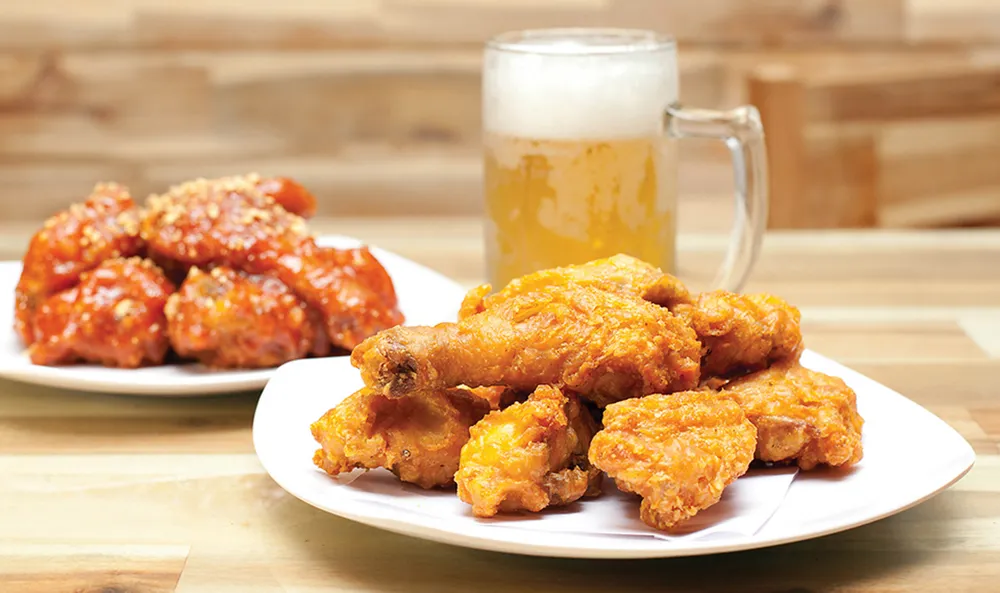
Baseball Culture Integration: Korean chicken culture integrates deeply with baseball viewing traditions through “chimaek” (치맥 – chicken and beer) consumption patterns that create social experiences combining sports entertainment with communal dining that strengthens social bonds and cultural identity.
Baseball stadium chicken consumption and home viewing parties establish chicken as essential element of Korean sports culture while creating social customs that connect food consumption with entertainment and community building.
Social Dining Customs: Korean chicken dining emphasizes shared consumption through large portions, communal ordering, and social eating customs that reflect broader Korean values of community, hospitality, and relationship building through shared food experiences.
Traditional Korean chicken dining involves specific etiquette including sharing protocols, service customs, and social interaction patterns that transform simple food consumption into meaningful social experiences that strengthen relationships and community connections.
Late-Night Dining Culture
Extended Operating Hours: Korean chicken culture accommodates Korea’s late-night social patterns through extended restaurant hours, delivery services, and late-night menu availability that serves diverse demographics including night workers, students, and social groups seeking late-night dining options.
Late-night chicken culture creates unique social atmosphere where diverse groups interact over shared food while accommodating Korean urban lifestyle patterns that often extend well past traditional dining hours.
Delivery Culture Innovation: Korean chicken culture pioneered sophisticated delivery systems that maintain food quality during transport while providing convenient access that accommodates contemporary Korean lifestyle demands and urban living patterns.
Delivery innovation includes specialized packaging that preserves crispiness, efficient logistics systems, and service standards that ensure restaurant-quality experiences through home delivery that maintains authentic Korean chicken culture accessibility.
Special Occasion Integration
Celebration and Gathering Functions: Korean chicken serves important functions in celebrations, family gatherings, and special occasions through generous portions, festive atmosphere, and social dining customs that create memorable experiences while accommodating diverse age groups and preferences.
Special occasion chicken consumption often involves enhanced preparation, premium varieties, and extended social interaction that transforms simple dining into celebration experiences that strengthen family bonds and community relationships.
Business and Professional Applications: Korean chicken culture integrates with business dining through casual meeting formats, client entertainment, and professional relationship building that provides relaxed alternative to formal business dining while maintaining Korean hospitality customs.
Professional chicken dining creates informal atmosphere that facilitates communication and relationship development while accommodating business needs and Korean professional culture patterns that balance formality with personal connection.
Contemporary Korean Chicken Industry
Major Chicken Chain Development
Domestic Chain Innovation: Korean chicken industry developed numerous domestic chains that maintain authentic preparation methods while achieving scale efficiency, quality control, and brand recognition that serves diverse markets throughout Korea and internationally.
Major Korean chicken chains often emphasize traditional preparation techniques, sauce innovation, and cultural authenticity while providing consistent quality and service standards that support expansion while preserving authentic Korean chicken culture characteristics.
International Expansion: Korean chicken chains increasingly expand internationally through franchising, direct investment, and cultural promotion that introduces global markets to authentic Korean chicken preparation while building Korean culinary influence worldwide.
International expansion strategies often emphasize cultural education, authentic preparation techniques, and Korean hospitality customs that provide complete Korean chicken culture experiences rather than simplified food service that loses cultural significance.
Quality and Innovation Standards
Ingredient Quality Focus: Contemporary Korean chicken industry emphasizes high-quality ingredients including premium chicken sources, authentic traditional seasonings, and quality control standards that maintain authentic flavors while ensuring consistency across different locations and preparation contexts.
Quality focus includes supplier relationships, ingredient sourcing standards, and preparation protocols that preserve traditional Korean chicken characteristics while accommodating commercial efficiency and safety requirements.
Technology Integration: Modern Korean chicken preparation incorporates advanced cooking equipment, quality control systems, and service technologies that enhance traditional preparation methods while maintaining authenticity and cultural significance.
Technology applications include precision cooking equipment, inventory management systems, and customer service innovations that improve efficiency while preserving traditional Korean chicken culture values and authentic preparation methods.
Market Competition and Innovation
Competitive Innovation: Korean chicken market competition drives continuous innovation in preparation techniques, sauce varieties, and service formats that expand consumer options while maintaining traditional Korean chicken culture foundations and authentic flavor profiles.
Innovation focus includes menu variety expansion, preparation technique refinement, and customer experience enhancement that responds to changing preferences while preserving authentic Korean chicken culture characteristics and traditional quality standards.
Global Influence Recognition: Korean chicken culture receives increasing international recognition through culinary awards, media coverage, and cultural promotion that validates Korean culinary innovation while building global appreciation for Korean food culture and traditional preparation expertise.
International recognition creates opportunities for cultural exchange, culinary education, and Korean cultural promotion that extends beyond food service into broader cultural understanding and appreciation.
Health and Nutritional Considerations
Traditional Korean Health Perspectives
Medicinal Food Concepts: Traditional Korean medicine recognizes chicken as providing energy restoration, immune system support, and nutritional recovery benefits while Korean chicken preparation methods often incorporate traditional medicinal ingredients that enhance therapeutic value alongside flavor satisfaction.
Traditional health concepts influence contemporary Korean chicken culture through ingredient selection, preparation methods, and consumption patterns that balance flavor enjoyment with perceived health benefits and traditional nutritional wisdom.
Balance and Moderation: Korean chicken culture emphasizes balance and moderation through sharing customs, varied menu options, and integration with vegetable accompaniments that create complete nutritional experiences while maintaining traditional Korean dietary principles.
Balanced consumption patterns include vegetable side dishes, shared portions, and occasional rather than daily consumption that reflects traditional Korean approaches to rich foods while accommodating contemporary lifestyle patterns.
Contemporary Nutritional Awareness
Health-Conscious Adaptations: Modern Korean chicken preparation includes health-conscious options featuring reduced-oil cooking methods, organic ingredients, and lighter preparation styles that respond to contemporary nutritional awareness while maintaining authentic Korean flavors and cultural significance.
Health adaptations focus on maintaining traditional Korean chicken characteristics while accommodating dietary restrictions, calorie awareness, and nutritional preferences that influence contemporary Korean dining patterns and consumer expectations.
Preparation Method Benefits: Korean double-frying techniques may offer certain advantages over single-frying methods through improved oil drainage and reduced oil absorption while creating superior texture that satisfies with smaller portions compared to heavier coating preparations.
Understanding preparation benefits helps consumers make informed choices while appreciating technical innovation that Korean chicken culture contributes to global fried food preparation knowledge and culinary technique development.
Korean Chicken at Home: Techniques and Tips
Home Preparation Essentials
Equipment Requirements: Home Korean chicken preparation requires appropriate deep-frying equipment, temperature control capability, and safety equipment that enables double-frying technique while maintaining household safety and achieving authentic texture and flavor results.
Essential equipment includes deep fryer or large pot with thermometer, proper ventilation, fire safety equipment, and appropriate oils that support double-frying technique while maintaining food safety and optimal flavor development.
Ingredient Sourcing: Authentic home Korean chicken requires sourcing quality ingredients including appropriate chicken cuts, Korean seasonings, and specialty coating ingredients that create restaurant-quality results while accommodating home preparation constraints and ingredient availability.
Key ingredients include gochujang, Korean chicken coating mix or appropriate substitutes, quality chicken pieces, and various sauce ingredients that enable authentic Korean chicken preparation while maintaining reasonable complexity and cost.
Safety and Technique Guidance
Oil Temperature Management: Safe home Korean chicken preparation requires understanding oil temperature control, proper thermometer use, and temperature monitoring that ensures food safety while achieving optimal texture through proper double-frying technique implementation.
Temperature management includes initial low-temperature frying safety, second high-temperature frying precautions, and oil handling procedures that prevent accidents while creating restaurant-quality results through proper technique execution.
Kitchen Safety Protocols: Home Korean chicken preparation involves hot oil handling, splatter management, and fire safety awareness that protects household safety while enabling authentic preparation techniques and satisfying results through careful attention to safety procedures.
Safety protocols include proper ventilation, appropriate clothing, fire extinguisher availability, and emergency procedures that enable confident home preparation while maintaining household safety and preventing accidents.
Recipe Adaptation and Customization
Sauce Customization: Home Korean chicken preparation allows sauce customization that accommodates personal spice preferences, available ingredients, and family dietary requirements while maintaining authentic Korean flavor principles and traditional preparation methods.
Customization options include spice level adjustment, sweetness modification, and ingredient substitution that preserve authentic Korean chicken character while accommodating individual preferences and dietary restrictions that influence contemporary home cooking patterns.
Portion and Serving Adaptation: Home Korean chicken preparation can adapt traditional large-portion formats to family serving sizes while maintaining Korean social dining customs and authentic preparation methods that create meaningful family dining experiences.
Adaptation strategies include portion scaling, accompaniment selection, and presentation methods that preserve Korean chicken culture significance while accommodating home dining contexts and family preferences.
STELLA’S LOCAL SECRET The “Korean Chicken Timing Method” Master authentic Korean chicken by coordinating first frying during meal preparation (12-15 minutes), then completing second frying (3-5 minutes) just before serving to ensure optimal crispiness. This timing ensures chicken reaches table at peak texture while allowing sauce application immediately after final frying when coating adhesion is optimal and chicken temperature maintains sauce consistency.
Frequently Asked Questions
Q: What makes Korean fried chicken different from American fried chicken? Korean fried chicken uses double-frying technique creating ultra-crispy exterior while maintaining juicy interior, plus distinctive sauce varieties like yangnyeom that balance sweet-spicy flavors. The coating is typically lighter and crispier, and Korean chicken emphasizes communal sharing and social dining customs rather than individual portions.
Q: Can I make authentic Korean fried chicken at home without special equipment? Yes, though results improve with proper equipment. Use large, heavy pot with cooking thermometer for temperature control. Key is maintaining proper temperatures: 320-340°F for first frying, 350-375°F for second frying. Double-frying technique is more important than specialized equipment for achieving authentic texture.
Q: How spicy is Korean fried chicken, and can I make milder versions? Spice levels vary significantly by sauce choice. Original (plain) Korean chicken isn’t spicy, while yangnyeom sauce is moderately spicy but balanced with sweetness. Reduce gochujang or substitute with mild chili sauce for milder versions while maintaining authentic Korean flavor balance.
Q: Why is Korean fried chicken often served with beer (chimaek)? Chimaek (치맥 – chicken + maekju/beer) became cultural tradition because beer’s carbonation and coldness perfectly complement rich, crispy chicken while cleansing the palate. This combination is especially popular during baseball games and late-night social gatherings, creating important Korean social dining custom.
Q: How long does Korean fried chicken stay crispy, and how do I maintain texture? Korean double-frying creates longer-lasting crispiness than single-frying, typically maintaining texture for 30-45 minutes. For delivery or storage, avoid sealing containers tightly (traps steam), reheat in oven rather than microwave, and consume as soon as possible for optimal texture and flavor.
Q: Is Korean fried chicken healthier than regular fried chicken? Korean preparation may offer some advantages through better oil drainage from double-frying and lighter coating, potentially reducing oil absorption. However, it’s still fried food requiring moderation. Korean dining culture emphasizes sharing and balance with vegetables, which supports healthier consumption patterns.
Q: What are the most authentic Korean chicken flavors to try? Essential varieties include Original (plain crispy), Yangnyeom (sweet-spicy glaze), Garlic (garlic soy-based), and Honey varieties. Each represents different aspects of Korean chicken culture. Original showcases double-frying technique, while yangnyeom demonstrates traditional Korean sauce-making expertise.
Q: Where can I buy Korean chicken ingredients for home cooking? Korean grocery stores (H-Mart, 99 Ranch) carry authentic ingredients including gochujang, Korean chicken coating mix, and specialty sauces. Online retailers offer broader selection. Essential items: gochujang, potato starch or Korean coating mix, soy sauce, honey, garlic, and ginger for basic preparation.
Q: How do I eat Korean fried chicken properly following Korean customs? Korean chicken is shared communally – order for the table, not individuals. Use provided tongs or chopsticks rather than hands when sharing. Pace eating with conversation and beer/drinks. Remove gloves provided by restaurants before handling phones/other items. Respect the social, leisurely dining pace.
Q: Can vegetarians enjoy Korean chicken restaurant culture? While chicken is the focus, many Korean chicken restaurants offer vegetarian options including vegetable dishes, salads, and sometimes vegetarian “chicken” alternatives. The social atmosphere and Korean dining culture can still be enjoyed, though options may be limited compared to dedicated vegetarian restaurants.
Embracing Korea’s Crispy Cultural Innovation
You now possess comprehensive knowledge to approach Korean fried chicken with deep understanding of what makes this culinary innovation represent successful cultural adaptation, technical excellence, and social integration that transforms foreign food concepts into authentic Korean cultural traditions while creating new global culinary influences.
You’ve learned exactly what techniques create distinctive Korean chicken characteristics that distinguish it from other fried chicken traditions, why various sauce varieties reflect traditional Korean flavoring principles and contemporary innovation, how chicken culture integrates with Korean social customs and entertainment patterns, and what regional variations reveal about Korean culinary creativity and cultural adaptation.
You understand Korean chicken culture’s development through historical influences, technical innovations, and social functions while gaining practical knowledge including preparation technique recognition, sauce variety appreciation, and cultural consumption customs that enhance authentic Korean chicken experiences and cultural understanding.
Most importantly, you understand that Korean fried chicken represents far more than delicious fried food. It demonstrates Korean culinary innovation capacity, cultural adaptation skills, and social integration abilities that transform borrowed concepts into authentic Korean traditions while creating new global influences that enrich international culinary culture.
Walking into Korean chicken restaurants means participating in contemporary Korean cultural tradition where vendors continue perfecting traditional techniques while adapting to modern tastes, where social customs create community experiences around shared food, where technical innovation creates superior textures and flavors while maintaining cultural authenticity.
Your thoughtful engagement with Korean chicken culture supports traditional technique preservation while contributing to vendor success and cultural exchange that benefits both Korean communities and international visitors seeking authentic cultural experiences through food participation that connects diverse backgrounds through shared appreciation.
The Korean chicken experience awaits through authentic restaurants, traditional preparations, regional specialties, and contemporary innovations. Korean chicken culture continues evolving while maintaining technical excellence and cultural significance. Traditional techniques continue creating superior results while modern innovations expand possibilities. Your Korean chicken adventure is about to begin.