
Discovering Korea’s Liquid Heritage
Have you ever wondered why soju claims title as world’s best-selling spirit while representing Korean social culture more completely than any other beverage, what makes traditional Korean rice wine (makgeolli) experience renaissance after decades of decline while connecting contemporary Koreans with agricultural heritage, how Korean drinking customs create social bonds and business relationships through specific etiquette and shared consumption rituals that transform simple alcohol into cultural experience, and why understanding Korean drinking culture provides essential key to Korean social integration and cultural appreciation that extends far beyond beverage consumption?
Where ancient Korean agricultural traditions meet contemporary social patterns through fermented beverages that carry centuries of cultural wisdom, where traditional Korean hospitality expresses itself through alcohol service customs and drinking etiquette that demonstrate respect and build relationships, where regional variations reflect Korea’s diverse agricultural heritage while modern innovations adapt traditional brewing to contemporary tastes and global markets? Where Korean drinking culture balances traditional reverence for alcohol’s social functions with contemporary awareness of health and moderation while maintaining cultural significance and community building aspects that distinguish Korean alcohol culture from simple recreational drinking?
Korean Traditional Alcohol (한국 전통주) offers exactly this extraordinary intersection of agriculture, culture, social customs, and culinary art – but only if you understand what makes Korean drinking culture unique beyond “strong alcohol consumption,” why specific beverages serve different social functions and cultural roles, how traditional brewing techniques create distinctive flavors while preserving cultural heritage, and what distinguishes authentic Korean drinking customs from simplified stereotypes that miss essential cultural significance and social sophistication.
For international visitors especially, Korean drinking culture presents fascinating complexity because unlike individualistic Western drinking patterns, Korean alcohol consumption emphasizes community building, hierarchical respect, and social harmony through specific customs and shared experiences that transform drinking from personal choice into cultural participation and relationship building.
Most people approach Korean alcohol as exotic strong drinks without understanding sophisticated brewing traditions behind traditional beverage creation, social customs governing appropriate consumption and service, regional variations reflecting Korea’s agricultural diversity, or cultural significance that connects contemporary drinking with traditional Korean values and community building principles.
I understand that superficial engagement completely. My first Korean drinking experience (tourist area soju shots) left me overwhelmed by alcohol strength and confused about social customs while missing entirely the cultural sophistication, traditional brewing knowledge, and social significance that make authentic Korean drinking culture represent broader Korean approaches to community, respect, and cultural preservation through shared experiences.
That’s why this comprehensive guide exists. I’m going to share everything you need to transform Korean drinking from simple alcohol consumption into understanding of Korean social culture that demonstrates traditional brewing expertise, community values, and cultural sophistication through accessible, enjoyable format. You’ll learn exactly what makes different Korean alcoholic beverages distinctive, why specific drinking customs reflect broader Korean cultural values, how traditional brewing techniques create unique flavors while preserving cultural heritage, and what appropriate participation demonstrates about cultural respect and social integration.
You’ll understand Korean drinking culture’s social importance through historical development, regional traditions, and contemporary adaptations while gaining practical knowledge including beverage identification, service customs, drinking etiquette, and cultural appreciation that enhance authentic Korean social experiences. By the end of this guide, you’ll know how to participate in Korean drinking culture with understanding that transforms alcohol consumption into cultural education, social interaction into relationship building, and beverage appreciation into recognition of traditional Korean brewing expertise and cultural values.
Most importantly, you’ll grasp why Korean drinking culture matters beyond alcohol – as preservation of traditional Korean brewing knowledge, expression of Korean social values emphasizing community and respect, and demonstration of how traditional culture adapts to contemporary contexts while maintaining cultural authenticity and social significance that enriches human understanding of alcohol’s role in culture, community, and social harmony.
Understanding Korean Alcohol: Types and Traditions
Traditional Korean Alcohol Categories
Distilled Spirits (증류주): Korean distilled spirits represent sophisticated traditional brewing that creates high-alcohol beverages through fermentation and distillation processes refined over centuries to produce distinctive flavors while maximizing alcohol content for preservation and social consumption.
Traditional Soju (전통 소주): Authentic Korean distilled spirit made from rice, other grains, or traditional ingredients using time-honored distillation methods that create smooth, clean alcohol with distinctive flavor characteristics reflecting regional ingredients and traditional brewing expertise.
Traditional soju production involves complex fermentation using nuruk (traditional Korean fermentation starter), followed by careful distillation that preserves flavor complexity while achieving appropriate alcohol content (typically 35-45% ABV) suitable for Korean drinking customs and social consumption.
Regional Distilled Specialties: Different Korean regions developed distinctive distilled spirits reflecting local ingredients, climate conditions, and traditional brewing knowledge that create unique regional alcohol varieties unavailable elsewhere while preserving local cultural heritage.
Fermented Rice Wines (발효주): Korean fermented beverages emphasize rice-based brewing that creates lower-alcohol drinks with complex flavors, nutritional benefits, and cultural significance that connects contemporary consumption with traditional Korean agricultural cycles and community customs.
Makgeolli (막걸리): Traditional Korean rice wine featuring cloudy appearance from unfiltered fermentation that creates creamy texture, slightly sweet-tart flavor, and probiotic benefits while representing Korea’s most authentic traditional alcohol with deep cultural roots.
Makgeolli production involves rice fermentation using nuruk starter cultures that create complex flavors and beneficial bacteria while maintaining traditional brewing methods that connect contemporary consumption with centuries of Korean agricultural and brewing traditions.
Yakju (약주): Clear, refined rice wine representing premium Korean fermented beverages through careful filtration and quality control that creates elegant, sophisticated alcohol appropriate for special occasions and formal consumption while maintaining traditional brewing principles.
Modern Korean Alcohol Industry
Commercial Soju (희석식 소주): Contemporary Korean soju industry produces mass-market distilled spirits using industrial methods that create consistent, affordable alcohol while adapting traditional soju concepts for modern consumption patterns and commercial distribution requirements.
Modern soju typically uses sweet potato or other industrial ingredients with dilution methods that achieve standard alcohol content (typically 16-25% ABV) while maintaining smooth drinking characteristics and affordability that makes soju accessible to broad Korean demographics.
Popular commercial soju brands include regional specialties that maintain local identity while achieving national distribution, creating brand loyalty and regional pride that connects contemporary consumption with traditional Korean regional identity and cultural preferences.
Craft and Premium Revival: Contemporary Korean alcohol industry includes craft brewing movement that revives traditional methods while incorporating modern quality control and innovative techniques that create premium products appealing to sophisticated consumers seeking authentic traditional experiences.
Craft Korean alcohol often emphasizes organic ingredients, traditional brewing methods, and small-batch production that creates superior flavor while supporting traditional knowledge preservation and cultural education about authentic Korean brewing heritage.
Korean Drinking Vessels and Service
Traditional Serving Vessels: Korean drinking culture includes specific vessels and serving implements that enhance alcohol appreciation while demonstrating cultural sophistication and respect for traditional customs that transform simple drinking into cultural experience.
Brass Cups (놋그릇): Traditional Korean drinking cups made from brass alloys that provide distinctive flavor characteristics while demonstrating cultural authenticity and traditional craftsmanship that connects contemporary drinking with historical Korean metalworking expertise.
Ceramic Vessels: Various ceramic drinking vessels including traditional pottery styles that reflect regional ceramic traditions while providing appropriate temperature control and aesthetic presentation that enhances alcohol appreciation and cultural experience.
Modern Adaptations: Contemporary Korean drinking culture incorporates modern glassware and serving vessels while maintaining traditional service customs and cultural respect that balance convenience with cultural authenticity and social appropriateness.
Soju Culture: Korea’s National Spirit
Traditional Soju Heritage
Historical Development: Korean soju tradition traces back over 700 years to Goryeo Dynasty period when distillation techniques arrived from Mongolia, creating foundations for distinctive Korean distilled spirit culture that adapted foreign techniques to Korean ingredients and cultural preferences.
Traditional soju production developed regional characteristics reflecting local agricultural resources, climate conditions, and cultural preferences that created diverse soju varieties throughout Korea while maintaining fundamental distillation principles and cultural significance.
Historical soju served multiple functions including social lubrication, medicinal applications, and ceremonial uses that established alcohol as essential element of Korean cultural life while developing sophisticated customs and social protocols governing appropriate consumption.
Regional Traditional Varieties: Andong Soju (안동소주): Traditional Korean soju from Andong region featuring rice-based production and traditional distillation methods that create distinctive smooth flavor while representing authentic Korean soju craftsmanship and regional brewing expertise.
Munbae Soju (문배소주): Historic Korean soju variety using pear and rice ingredients that create unique flavor profile while demonstrating traditional Korean brewing innovation and regional agricultural integration that reflects local resources and cultural preferences.
Traditional Production Methods: Authentic traditional soju production involves rice fermentation using nuruk (traditional Korean fermentation starter) followed by careful distillation in traditional clay or metal vessels that create distinctive flavor characteristics while preserving traditional brewing knowledge.
Traditional methods emphasize seasonal timing, quality ingredient selection, and skilled craftsmanship that create superior products while maintaining cultural authenticity and connecting contemporary production with centuries of Korean brewing tradition and expertise.
Modern Soju Industry and Culture
Commercial Soju Development: Contemporary Korean soju industry transformed traditional distilled spirits into mass-market products through industrial production methods that create consistent, affordable alcohol while adapting traditional concepts for modern consumption patterns.
Modern soju production typically uses sweet potatoes or other industrial ingredients with dilution and filtration methods that achieve standard alcohol content and smooth drinking characteristics while maintaining affordability and wide accessibility.
Regional Brand Identity: Major Korean soju brands often maintain regional identity and local pride while achieving national distribution, creating brand loyalty that connects contemporary consumption with traditional Korean regional culture and geographic identity.
Chamisul (참이슬): Korea’s best-selling soju brand featuring clean, smooth characteristics that appeal to broad demographics while maintaining Korean identity and traditional soju cultural associations.
Cheoeum-cheoreom (처음처럼): Premium commercial soju emphasizing purity and traditional quality while adapting to contemporary taste preferences and marketing approaches that attract younger consumers and international markets.
Soju Drinking Culture and Etiquette
Traditional Service Customs: Korean soju consumption involves specific service customs and etiquette that demonstrate respect for drinking companions while maintaining social harmony and cultural appropriateness through traditional protocols and shared consumption practices.
Two-Handed Service: Traditional Korean custom requires using both hands when serving or receiving alcohol, demonstrating respect and cultural awareness while maintaining proper etiquette that reflects broader Korean social values and hierarchical customs.
Elder Service Priority: Korean drinking customs prioritize serving elder or higher-status individuals first while ensuring their comfort and satisfaction throughout drinking sessions, reflecting Confucian values and traditional Korean social organization principles.
Shared Consumption Patterns: Korean soju culture emphasizes communal consumption through shared bottles, group toasting, and collective drinking experiences that build social bonds while creating inclusive atmosphere that strengthens relationships and community connections.
Contemporary Social Applications: Modern Korean soju culture serves various social functions including business relationship building, casual social interaction, and celebration activities that maintain traditional customs while adapting to contemporary Korean lifestyle patterns and social needs.
Business Drinking (회식): Korean business culture often includes group drinking sessions that facilitate relationship building, stress relief, and informal communication outside formal work environments while maintaining appropriate professional boundaries and mutual respect.
Social Bonding: Casual Korean social drinking creates opportunities for friendship development, cultural sharing, and community building that strengthen social connections while providing relaxation and entertainment within Korean cultural framework.
Makgeolli Renaissance: Traditional Rice Wine Revival
Traditional Makgeolli Heritage
Historical and Cultural Significance: Makgeolli represents Korea’s oldest and most traditional alcoholic beverage, with production dating back over 1,000 years to periods when rice wine served as daily beverage for Korean farmers and common people while providing nutrition, probiotics, and social bonding.
Traditional makgeolli production connected closely with Korean agricultural cycles, with brewing timing coordinated with rice harvest seasons and family consumption patterns that integrated alcohol production with agricultural activities and seasonal community celebrations.
Historical makgeolli served multiple functions beyond simple alcohol consumption, providing nutritional supplements during food scarcity periods while serving social functions including community bonding, celebration activities, and traditional Korean hospitality customs.
Traditional Production Methods: Authentic makgeolli production involves rice fermentation using nuruk (Korean traditional fermentation starter) that creates complex flavors while developing beneficial bacteria and maintaining traditional brewing techniques that connect contemporary consumption with centuries of Korean brewing knowledge.
Traditional production emphasizes natural fermentation processes, seasonal timing, and quality ingredient selection that create distinctive flavor characteristics while preserving cultural authenticity and traditional knowledge that represents Korean brewing expertise and agricultural wisdom.
Regional Variations: Different Korean regions developed distinctive makgeolli varieties reflecting local rice varieties, water characteristics, and traditional brewing knowledge that create unique regional flavors while maintaining fundamental makgeolli characteristics and cultural significance.
Gyeonggi Province Makgeolli: Traditional varieties emphasizing clean, balanced flavors that reflect the region’s agricultural abundance and proximity to Seoul’s sophisticated palate preferences while maintaining authentic traditional brewing methods.
Jeolla Province Makgeolli: Regional varieties often featuring bolder, more complex flavors that reflect the province’s reputation for culinary excellence while incorporating local ingredients and traditional brewing innovations that create distinctive character.
Contemporary Makgeolli Revival
Craft Makgeolli Movement: Contemporary Korean alcohol industry includes growing craft makgeolli movement that revives traditional brewing methods while incorporating modern quality control and innovative techniques that create premium products appealing to younger demographics and sophisticated consumers.
Craft makgeolli producers often emphasize organic ingredients, traditional methods, and small-batch production that creates superior flavor while supporting traditional knowledge preservation and cultural education about authentic Korean brewing heritage and agricultural traditions.
Modern Flavor Innovations: Contemporary makgeolli includes various flavor innovations that maintain traditional base while incorporating additional ingredients that create new taste experiences while attracting consumers who might not appreciate traditional plain makgeolli flavors.
Popular flavor varieties include fruit additions, herb infusions, and creative combinations that expand makgeolli appeal while maintaining traditional brewing foundations and cultural authenticity that preserves essential makgeolli character and cultural significance.
Health and Wellness Appeal: Modern makgeolli marketing often emphasizes health benefits including probiotic content, nutritional value, and traditional wellness concepts that appeal to health-conscious consumers while validating traditional Korean understanding of makgeolli’s beneficial properties.
Scientific research validates traditional claims about makgeolli’s health benefits while modern production ensures quality and safety that supports broader makgeolli consumption and cultural appreciation among contemporary Korean and international consumers.
Makgeolli Drinking Culture
Traditional Consumption Customs: Korean makgeolli consumption traditionally involved specific customs and social protocols that enhanced appreciation while demonstrating cultural sophistication and respect for traditional brewing knowledge and community values.
Traditional makgeolli service often included appropriate food pairings, seasonal timing, and social settings that optimized flavor appreciation while creating cultural experiences that connected participants with Korean agricultural heritage and traditional community customs.
Modern Social Applications: Contemporary makgeolli culture serves various social functions including casual dining, cultural education, and trendy social experiences that attract diverse demographics while maintaining connections to traditional Korean culture and values.
Modern makgeolli consumption often occurs in specialized bars, traditional restaurants, and cultural venues that provide education about traditional brewing while creating social experiences that build appreciation for Korean cultural heritage and traditional knowledge.
Korean Drinking Customs and Social Culture
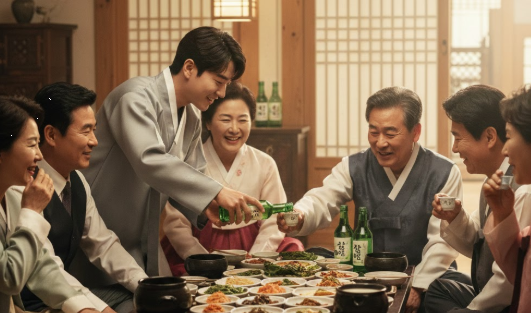
Traditional Drinking Etiquette
Hierarchical Service Protocols: Korean drinking culture reflects broader Korean social values through hierarchical service customs that demonstrate respect for age, social status, and relationship dynamics while maintaining harmony and appropriate social behavior during alcohol consumption.
Elder Service Priority: Traditional Korean drinking customs require serving elder individuals first while ensuring their comfort and satisfaction throughout drinking sessions, reflecting Confucian values and traditional Korean social organization that emphasizes respect and proper behavior.
Two-Handed Courtesy: Korean alcohol service customs require using both hands when serving or receiving drinks, demonstrating respect and cultural awareness while maintaining proper etiquette that reflects broader Korean values of courtesy and social consideration.
Respectful Receiving: Traditional Korean customs require receiving alcohol with appropriate gratitude and respect while avoiding refusal that might appear rude or culturally insensitive, though contemporary culture accommodates personal preferences and health considerations.
Communal Consumption Values: Korean drinking culture emphasizes shared consumption and community building through group activities that strengthen social bonds while providing opportunities for relationship development and cultural exchange that benefit all participants.
Shared Bottles: Traditional Korean drinking involves sharing bottles and communal consumption rather than individual drinking, creating social interaction and demonstrating community values while ensuring inclusive participation and group harmony.
Group Toasting: Korean drinking sessions often include group toasting and collective activities that build unity while creating memorable shared experiences that strengthen relationships and community connections across different backgrounds and social levels.
Contemporary Social Applications
Business Relationship Building: Korean business culture often incorporates drinking sessions (회식) that facilitate relationship development, informal communication, and stress relief outside formal work environments while maintaining professional respect and appropriate boundaries.
Business drinking sessions provide opportunities for mentorship, team building, and cultural exchange that enhance work relationships while allowing expression of personality and cultural values that improve workplace harmony and cooperation.
Casual Social Bonding: Contemporary Korean social drinking serves various functions including friendship development, cultural sharing, and entertainment that create opportunities for relaxation and community building within Korean cultural framework and social values.
Social drinking often includes food pairing, conversation, and shared experiences that enhance relationships while providing cultural education and mutual understanding that benefits participants from diverse backgrounds and experiences.
Cultural Integration and Exchange: Korean drinking culture provides opportunities for cultural integration and cross-cultural exchange as international visitors and Korean residents share traditional customs while building mutual understanding and appreciation for Korean cultural values and social sophistication.
Regional Korean Alcohol Specialties
Traditional Regional Distilled Spirits
Gyeongsangbuk-do Traditional Spirits: Andong Soju (안동소주): Premium traditional Korean soju featuring rice-based production and centuries-old distillation methods that create smooth, clean flavor while representing authentic Korean distillation expertise and regional brewing traditions.
Andong soju production maintains traditional methods including rice fermentation, nuruk starter cultures, and careful distillation that creates distinctive flavor characteristics while preserving cultural heritage and demonstrating regional brewing excellence.
Munbae Soju (문배소주): Historic Korean soju variety incorporating pears and rice that create unique flavor profile while demonstrating traditional Korean brewing innovation and agricultural integration that reflects regional resources and cultural creativity.
Jeolla Province Specialties: Hongseong Traditional Alcohol: Regional specialties emphasizing local ingredients and traditional brewing methods that create distinctive flavors while maintaining cultural authenticity and regional identity that reflects local agricultural heritage and brewing expertise.
Wanju Wild Herb Alcohol: Traditional Korean alcohol incorporating mountain herbs and traditional ingredients that create unique flavor characteristics while demonstrating traditional Korean knowledge of medicinal plants and brewing innovation that combines health benefits with cultural significance.
Contemporary Regional Innovations
Jeju Island Craft Spirits: Jeju’s unique geographic conditions and agricultural specialties create opportunities for distinctive alcohol production that incorporates island ingredients while maintaining Korean brewing traditions and cultural authenticity.
Jeju Tangerine Alcohol: Contemporary Korean alcohol incorporating Jeju’s famous tangerines that create unique flavor profiles while supporting local agriculture and demonstrating modern Korean brewing innovation that maintains cultural connections.
Volcanic Spring Water Spirits: Jeju alcohol production often emphasizes high-quality volcanic spring water that enhances flavor characteristics while creating premium products that showcase regional natural resources and traditional Korean brewing expertise.
Gangwon Province Mountain Specialties: Mountain regions develop distinctive alcohol varieties that incorporate local ingredients including mountain herbs, spring water, and traditional knowledge that create unique flavors while preserving regional cultural heritage.
Traditional Mountain Herb Alcohol: Regional specialties featuring various mountain plants and traditional ingredients that create distinctive medicinal alcohol with cultural significance while demonstrating traditional Korean knowledge of natural resources and brewing techniques.
Modern Korean Drinking Trends
Premium and Craft Movement
Traditional Method Revival: Contemporary Korean alcohol industry includes growing movement toward traditional brewing methods that create premium products appealing to sophisticated consumers seeking authentic cultural experiences while supporting traditional knowledge preservation.
Traditional method revival often emphasizes organic ingredients, traditional equipment, and historical techniques that create superior flavor while providing cultural education and maintaining connections with Korean brewing heritage and agricultural traditions.
Small-Batch Production: Craft Korean alcohol producers often emphasize small-batch production that allows quality control and innovation while maintaining traditional principles and cultural authenticity that creates premium products for discerning consumers.
Small-batch production enables experimentation with traditional techniques, ingredient variations, and quality improvements that advance Korean brewing knowledge while maintaining cultural authenticity and traditional values that define authentic Korean alcohol culture.
Health-Conscious Adaptations
Organic and Natural Trends: Contemporary Korean alcohol production increasingly emphasizes organic ingredients, natural production methods, and health-conscious approaches that respond to consumer awareness while maintaining traditional brewing principles and cultural authenticity.
Organic Korean alcohol often features certified ingredients, traditional production methods, and quality control that creates premium products while supporting sustainable agriculture and environmental consciousness that aligns with traditional Korean values.
Low-Alcohol Alternatives: Modern Korean alcohol market includes lower-alcohol options that maintain traditional flavors while accommodating health-conscious consumers and contemporary lifestyle patterns that balance cultural participation with personal wellness considerations.
Low-alcohol innovations often maintain traditional brewing foundations while adapting alcohol content and consumption patterns that allow broader participation in Korean drinking culture while respecting personal health choices and contemporary lifestyle preferences.
International Recognition and Export
Global Korean Alcohol Interest: International interest in Korean culture through Hallyu (Korean Wave) creates demand for authentic Korean alcohol that introduces global audiences to traditional Korean brewing while building cultural appreciation and understanding.
Global Korean alcohol export often emphasizes cultural education, authentic production methods, and traditional knowledge while adapting to international market requirements and consumer preferences that maintain cultural authenticity while enabling broader accessibility.
Cultural Ambassador Functions: Korean traditional alcohol increasingly serves cultural ambassador functions through international cultural events, Korean cultural centers, and diplomatic activities that share Korean heritage while building international understanding and appreciation.
Cultural ambassador applications often include educational components, traditional service customs, and cultural context that provide comprehensive Korean cultural experiences rather than simple alcohol consumption, creating meaningful cross-cultural exchange and understanding.
Korean Alcohol and Food Pairing Culture
Traditional Pairing Principles
Seasonal Food Integration: Korean drinking culture traditionally coordinates alcohol consumption with seasonal foods and agricultural cycles that create optimal flavor combinations while connecting contemporary consumption with traditional Korean agricultural wisdom and seasonal customs.
Traditional seasonal pairing often emphasizes foods that complement alcohol characteristics while providing nutritional balance and cultural significance that enhance overall dining experiences while maintaining traditional Korean values and customs.
Regional Cuisine Compatibility: Different Korean regional alcohols developed alongside local cuisines that create optimal flavor combinations while reflecting regional agricultural resources and cultural preferences that demonstrate sophisticated understanding of taste harmony and cultural integration.
Regional pairing knowledge often includes traditional combinations that enhance both alcohol and food appreciation while providing cultural education about regional diversity and traditional Korean culinary expertise that enriches cultural understanding.
Contemporary Pairing Innovation
Modern Korean Cuisine Integration: Contemporary Korean dining culture incorporates traditional alcohol pairing principles while adapting to modern Korean cuisine and international fusion that creates new pairing possibilities while maintaining cultural authenticity and traditional values.
Modern pairing innovations often combine traditional Korean alcohol with contemporary Korean dishes while maintaining flavor harmony principles and cultural sophistication that enhance dining experiences while supporting traditional knowledge and cultural preservation.
International Fusion Applications: Korean alcohol increasingly appears in international fusion applications that introduce Korean traditional beverages to global audiences while creating new cultural connections and appreciation opportunities that support Korean cultural export and understanding.
Fusion applications often maintain traditional Korean alcohol characteristics while adapting presentation and serving methods that accommodate international preferences while preserving cultural authenticity and educational value that promotes Korean cultural appreciation.
Responsible Drinking and Cultural Awareness
Traditional Moderation Values
Cultural Balance Concepts: Traditional Korean culture emphasizes balance and moderation in alcohol consumption through social customs and cultural values that promote responsible drinking while maintaining social benefits and cultural significance that distinguish Korean drinking culture from excessive consumption patterns.
Traditional moderation concepts include social responsibility, community consideration, and personal dignity that create cultural frameworks for appropriate alcohol consumption while maintaining social harmony and individual well-being that reflect broader Korean cultural values.
Social Responsibility Customs: Korean drinking culture includes traditional customs that promote responsible consumption through community support, mutual care, and social consideration that ensure participant safety while maintaining cultural authenticity and social benefits.
Traditional responsibility customs often include group care, safe transportation, and mutual support that demonstrate Korean community values while ensuring positive experiences that strengthen rather than damage relationships and social connections.
Contemporary Health Awareness
Modern Health Integration: Contemporary Korean drinking culture adapts traditional customs while incorporating modern health awareness and lifestyle considerations that balance cultural participation with personal wellness and responsible consumption patterns.
Modern health integration often includes alternative beverage options, consumption moderation, and health-conscious approaches that maintain cultural participation while accommodating contemporary lifestyle preferences and health awareness that supports long-term well-being.
Cultural Education and Awareness: Korean alcohol culture increasingly emphasizes cultural education and awareness that promotes understanding of traditional customs, appropriate consumption, and cultural significance while supporting responsible participation and cultural preservation.
Cultural education often includes traditional knowledge sharing, appropriate etiquette instruction, and cultural context that enhance appreciation while promoting responsible consumption and cultural understanding that benefits both Korean and international participants.
STELLA’S LOCAL SECRET The “Korean Drinking Pace Method” Korean drinking culture emphasizes slow, social consumption rather than quick drinking. Follow the Korean pace: sip slowly, engage in conversation between drinks, eat accompanying food regularly, and participate in group activities that naturally moderate consumption while building relationships. This approach maximizes social benefits while maintaining cultural authenticity and personal well-being.
Frequently Asked Questions
Q: What’s the difference between traditional soju and commercial soju available in stores? Traditional soju uses rice and traditional distillation methods (35-45% ABV), while commercial soju uses sweet potatoes with dilution methods (16-25% ABV). Traditional soju has more complex flavors and cultural authenticity, while commercial versions are more accessible and affordable. Both serve different social functions in Korean culture.
Q: Is it rude to refuse alcohol in Korean social situations? Traditional Korean culture expects alcohol participation, but contemporary culture increasingly accommodates personal preferences and health considerations. Politely explain your reasons, suggest alternative beverages, and participate in social aspects without drinking. Most Koreans understand and respect personal choices when explained respectfully.
Q: How do I properly serve and receive alcohol following Korean customs? Use both hands when serving or receiving alcohol, serve elders/higher status individuals first, never pour your own drink (others should serve you), and receive drinks with gratitude. Turn slightly away when drinking in presence of elders. These customs demonstrate respect and cultural awareness.
Q: What foods pair best with soju and makgeolli? Soju pairs excellently with Korean BBQ, spicy foods like kimchi jjigae, and fried foods that balance alcohol strength. Makgeolli complements lighter foods including pajeon (scallion pancakes), seafood, and traditional Korean snacks. The creamy texture of makgeolli works well with savory, not-too-spicy foods.
Q: Can I find authentic traditional Korean alcohol outside Korea? Authentic traditional Korean alcohol availability varies by location. Korean grocery stores and specialty liquor shops in areas with Korean populations often carry quality options. Some craft distilleries internationally produce Korean-style spirits, though authenticity and quality vary significantly.
Q: Is makgeolli actually healthy, or is this just marketing? Makgeolli contains beneficial probiotics from fermentation, B vitamins, amino acids, and dietary fiber. However, it’s still alcohol requiring moderation. Traditional Korean health concepts recognized makgeolli’s nutritional benefits, and modern research validates some claims, but health benefits depend on moderate consumption.
Q: What alcohol content should I expect from Korean traditional drinks? Traditional soju: 35-45% ABV (strong), Commercial soju: 16-25% ABV (moderate), Makgeolli: 6-8% ABV (mild), Traditional rice wines: 12-18% ABV (moderate). Always drink responsibly and be aware that traditional versions are significantly stronger than commercial equivalents.
Q: How important is Korean drinking culture for business relationships? Korean business culture traditionally includes drinking sessions (회식) for relationship building, though this is becoming less mandatory. Participation shows cultural respect and facilitates informal communication, but modern Korean business increasingly accommodates non-drinkers. Cultural awareness matters more than actual consumption.
Q: Can I visit Korean traditional alcohol producers or breweries? Yes, many traditional Korean alcohol producers offer tours and tastings, especially in regions famous for specific varieties like Andong (traditional soju) or areas with craft makgeolli producers. Contact producers directly or check Korean tourism information for organized cultural experiences.
Q: What’s the proper way to participate in Korean group drinking if I’m not familiar with customs? Follow others’ lead, ask questions respectfully, participate in toasting and social aspects, serve others before yourself, and focus on relationship building rather than alcohol consumption. Koreans appreciate genuine interest in learning their customs and are usually patient with cultural beginners.
Toasting to Korean Cultural Heritage
You now possess comprehensive knowledge to approach Korean drinking culture with deep understanding of what makes traditional Korean alcohol represent sophisticated brewing heritage, social customs, and cultural values that transform simple beverage consumption into meaningful cultural participation and relationship building experiences.
You’ve learned exactly what distinguishes traditional Korean alcohol from commercial adaptations, why specific drinking customs reflect broader Korean cultural values including respect and community building, how regional variations preserve local agricultural heritage while maintaining cultural unity, and what appropriate participation demonstrates about cultural awareness and social integration.
You understand Korean drinking culture’s development through historical influences, regional traditions, and contemporary adaptations while gaining practical knowledge including beverage identification, service customs, drinking etiquette, and cultural appreciation that enhance authentic Korean social experiences and cultural understanding.
Most importantly, you understand that Korean drinking culture represents far more than alcohol consumption. It preserves traditional Korean brewing knowledge while serving essential social functions including community building, cultural education, business relationship development, and cultural preservation that connects contemporary Koreans with traditional values and agricultural heritage.
Walking into Korean drinking establishments means participating in living cultural tradition where traditional brewing knowledge continues through authentic preparation methods, where social customs create community experiences around shared beverages, where regional specialties preserve local heritage while contributing to national cultural identity.
Your thoughtful engagement with Korean drinking culture supports traditional knowledge preservation while contributing to vendor success and cultural exchange that benefits both Korean communities and international visitors seeking authentic cultural experiences through respectful participation that demonstrates cultural appreciation and social awareness.
The Korean drinking experience awaits through traditional establishments, regional specialties, contemporary innovations, and cultural education programs. Traditional brewing continues while modern craft producers innovate within cultural frameworks. Social customs continue building relationships while accommodating contemporary preferences. Your Korean drinking culture exploration is about to begin.