
Mastering Korea’s Challenging Yet Beautiful Rainy Season
Have you ever wondered why Korea’s rainy season represents one of Asia’s most intense yet culturally rich seasonal experiences while creating extraordinary opportunities to discover indoor Korea and traditional monsoon culture that transforms challenging weather into meaningful cultural exploration through traditional understanding of seasonal adaptation and contemporary rain survival strategies that connects modern Korean monsoon management with centuries of Korean seasonal wisdom and weather adaptation traditions, what makes Korean rainy season develop such extraordinary intensity and cultural significance from traditional agricultural monsoon dependence to modern urban flood management while demonstrating Korean mastery of weather adaptation, infrastructure development, and seasonal cultural preservation that creates optimal rainy season experiences connecting weather challenges with cultural heritage, how Korean monsoon culture balances weather survival necessity with seasonal celebration while maintaining authentic Korean weather wisdom and environmental awareness through generations of Korean communities preserving rain season knowledge and weather cultural practices, and why understanding Korean rainy season survival provides essential insight into Korean weather culture, seasonal adaptation, and environmental wisdom that makes monsoon season navigation into demonstrations of Korean cultural sophistication and traditional knowledge about weather harmony and seasonal resilience?
Where ancient Korean agricultural wisdom meets contemporary urban flood management through monsoon infrastructure development that maximizes safety while creating meaningful weather cultural experiences and seasonal education opportunities that connect contemporary Korean weather management with traditional Korean understanding of monsoon significance and weather preservation, where traditional Korean weather culture expresses itself through rain season customs and monsoon stewardship that create harmonious weather experiences while preserving environmental values and demonstrating community cooperation through collaborative weather preparation and cultural transmission? Where Korean seasonal awareness guides rainy season timing and weather coordination through traditional understanding of optimal monsoon preparation and weather safety that connects contemporary weather survival with traditional Korean wisdom about seasonal weather patterns and environmental harmony through continued seasonal practice and traditional knowledge preservation?
Korean Rainy Season Survival (한국 장마철 생존 가이드) offers exactly this extraordinary intersection of weather, culture, tradition, and survival skills – but only if you understand what makes Korean monsoon season unique beyond “Korean summer rain,” why specific rainy season strategies create optimal weather experiences while maintaining safety and traditional knowledge, how Korean monsoon customs facilitate cultural preservation and weather education while building resilience and cultural appreciation, and what distinguishes authentic Korean rainy season culture from simple weather avoidance that misses essential cultural significance and traditional knowledge preservation.
For weather adaptation and seasonal culture enthusiasts especially, Korean rainy season culture presents fascinating complexity because unlike simple rain avoidance, Korean monsoon tradition encompasses complete weather systems including seasonal preparation, cultural adaptation, environmental understanding, and traditional knowledge transmission that transforms weather challenges into cultural experience and seasonal appreciation through authentic participation and traditional knowledge integration.
Most people approach Korean rainy season as inconvenient weather without understanding sophisticated cultural knowledge behind Korean monsoon preparation and weather adaptation, traditional Korean understanding of seasonal rain timing and cultural coordination that creates optimal monsoon experiences through cultural integration, seasonal weather patterns that reflect Korean environmental wisdom and traditional weather knowledge, or cultural customs surrounding rainy season participation that demonstrate Korean values of weather resilience and seasonal harmony through traditional practice and cultural preservation.
I understand that superficial engagement completely. My first Korean rainy season experiences (tourist weather avoidance and indoor shopping mall refuge) provided shelter from intense rain but missed entirely the cultural depth, seasonal significance, and weather traditions that make authentic Korean rainy season culture represent broader Korean approaches to environmental adaptation, cultural preservation, and weather community building through monsoon participation and traditional knowledge that strengthens cultural identity and preserves traditional values through continued seasonal practice.
That’s why this comprehensive guide exists. I’m going to share everything you need to transform Korean rainy season from weather inconvenience into understanding of Korean weather culture that demonstrates traditional wisdom about seasonal adaptation, environmental stewardship, and weather cultural appreciation through accessible, practical format. You’ll learn exactly what makes Korean rainy season culture distinctive through traditional knowledge and weather practices, why specific monsoon survival strategies create optimal weather experiences while preserving cultural authenticity and seasonal traditions, how Korean rainy season customs facilitate cultural education and community bonding while maintaining traditional knowledge and weather excellence, and what appropriate monsoon season appreciation demonstrates about Korean cultural understanding and environmental respect.
You’ll understand Korean rainy season culture’s importance through environmental foundations, cultural significance, and contemporary relevance while gaining practical knowledge including weather preparation, indoor activity coordination, cultural context understanding, and safety methods that enhance authentic Korean seasonal experiences and weather learning. By the end of this guide, you’ll know how to appreciate Korean rainy season with understanding that transforms weather challenges into cultural education, monsoon survival into environmental appreciation, and traditional knowledge into recognition of Korean weather wisdom and seasonal cultural excellence.
Most importantly, you’ll grasp why Korean rainy season culture matters beyond challenging weather – as preservation of Korean weather traditions, demonstration of Korean resilience values, and expression of Korean seasonal wisdom that enriches human understanding of weather’s role in cultural identity, environmental adaptation, and seasonal community building through continued practice and traditional knowledge transmission across generations of Korean communities seeking environmental connection and weather appreciation through seasonal monsoon culture.
Historical Development of Korean Monsoon Culture and Traditional Weather Wisdom
Ancient Korean Agricultural Monsoon Dependence and Seasonal Coordination
Traditional Korean Farming Community Monsoon Relationship: Korean rainy season culture traces back thousands of years to early Korean Peninsula agricultural communities that developed sophisticated monsoon understanding while creating seasonal farming systems and weather prediction traditions through shared agricultural knowledge and seasonal coordination that established foundations for Korean weather culture through continued agricultural knowledge and cultural transmission.
Ancient Korean farming communities emphasized monsoon coordination through traditional understanding of rainfall patterns, optimal planting timing, and community agricultural cooperation that created early weather practices while preserving traditional knowledge about optimal seasonal farming and monsoon appreciation through continued traditional practice and cultural preservation.
Early Korean monsoon development included seasonal crop coordination, community weather observation, and agricultural knowledge preservation through shared farming experiences and weather stewardship that created agricultural support systems while ensuring harvest continuity and traditional knowledge transmission through hands-on farming participation and agricultural cultural education.
Traditional Korean Weather Prediction and Seasonal Awareness: Korean agricultural communities developed weather prediction through traditional understanding of natural weather signs, animal behavior observation, and seasonal pattern recognition that created meaningful weather-community relationships while preserving traditional knowledge about weather prediction and seasonal coordination through continued weather community practice and cultural preservation.
Traditional Weather Prediction Elements:
- Natural Weather Sign Recognition: Traditional Korean weather observation and natural indicator recognition for accurate monsoon prediction
- Seasonal Pattern Documentation: Traditional understanding of monsoon timing and seasonal weather cycle coordination
- Animal Behavior Weather Prediction: Traditional knowledge about animal behavior changes indicating weather pattern shifts
- Community Weather Cooperation: Traditional weather information sharing and community monsoon preparation coordination
Traditional weather prediction required understanding natural observation principles, seasonal coordination, and community cooperation that created meaningful weather experiences while maintaining traditional knowledge and weather authenticity through continued weather practice and cultural preservation.
Traditional Korean Monsoon Agriculture and Crop Management: Korean farming communities developed monsoon agriculture through traditional understanding of water management, crop selection, and seasonal farming that created specialized agricultural traditions while preserving traditional knowledge about optimal monsoon farming and water coordination through continued agricultural practice and cultural preservation.
Traditional monsoon agriculture included understanding water management optimization, crop selection coordination, and seasonal farming that created successful agricultural communities while maintaining traditional knowledge and agricultural authenticity through continued farming practice and cultural transmission within traditional agricultural community structures.
Historical Korean Monsoon Infrastructure and Community Cooperation
Traditional Korean Water Management and Flood Control: Historical Korean communities developed water management through traditional understanding of drainage systems, flood control, and community infrastructure that created effective monsoon management while preserving community safety and traditional knowledge about optimal water management and community coordination through continued infrastructure development and cultural preservation.
Traditional Water Management Systems:
- Community Drainage Development: Traditional Korean village drainage systems and water flow management for monsoon flood prevention
- Agricultural Water Control: Traditional irrigation systems and agricultural water management coordinating with monsoon patterns
- Community Flood Cooperation: Traditional community cooperation for flood preparation and emergency response during intensive monsoon periods
- Traditional Infrastructure Maintenance: Traditional community infrastructure preservation and monsoon preparation through community cooperation
Traditional water management required understanding hydraulic engineering, community cooperation, and infrastructure maintenance that created effective flood control while maintaining traditional knowledge and water management authenticity through continued infrastructure practice and community preservation.
Goryeo and Joseon Dynasty Monsoon Administration: Historical Korean dynasties (918-1910) developed monsoon administration through government weather coordination, disaster relief systems, and community support that created systematic weather management while preserving traditional knowledge and cultural heritage through institutional support and cultural preservation efforts.
Dynasty Period Monsoon Management:
- Government Weather Coordination: Traditional government weather monitoring and monsoon preparation through administrative coordination
- Disaster Relief Systems: Traditional government disaster response and community support during intensive monsoon periods
- Agricultural Support Policies: Traditional government agricultural support and monsoon farming assistance
- Community Infrastructure Development: Traditional government infrastructure development and community monsoon preparation support
Dynasty period monsoon management requires understanding administrative coordination, community support, and infrastructure development that created systematic weather management while maintaining authentic weather characteristics and cultural identity through continued institutional support and cultural preservation.
Traditional Korean Monsoon Festivals and Cultural Celebration: Korean communities developed monsoon festivals through traditional understanding of weather celebration, seasonal ritual, and cultural weather appreciation that created meaningful weather-cultural relationships while preserving traditional knowledge about monsoon cultural significance and seasonal celebration through continued monsoon cultural practice and cultural preservation.
Traditional monsoon festivals included understanding weather celebration principles, seasonal ritual coordination, and cultural significance preservation that created successful seasonal celebrations while maintaining traditional knowledge and cultural authenticity through continued festival practice and cultural transmission within traditional weather celebration community structures.
Modern Korean Monsoon Management and Urban Development
Japanese Colonial Period Infrastructure Development: Japanese colonial period (1910-1945) introduced modern monsoon infrastructure while Korean communities maintained traditional weather appreciation through cultural adaptation and monsoon heritage preservation that strengthened traditional knowledge and weather cultural continuity during challenging historical circumstances.
Colonial period monsoon challenges demonstrated Korean weather resilience through continued traditional monsoon appreciation, community weather cooperation maintenance, and cultural identity preservation that protected Korean weather traditions while adapting to changing infrastructure circumstances and maintaining weather knowledge through community strength and cultural preservation efforts.
Post-Liberation Korean Weather Management and Modernization: Korean liberation and infrastructure development periods saw monsoon management modernization through traditional knowledge integration, contemporary weather technology development, and cultural identity preservation that recreated Korean weather culture while serving modern urban needs through traditional knowledge preservation and weather cultural education.
Post-liberation weather development emphasized traditional knowledge recovery, cultural identity restoration, and modern weather management building that rebuilt Korean weather culture while maintaining traditional authenticity and monsoon significance through continued traditional practice and cultural preservation efforts within modern infrastructure contexts.
Contemporary Korean Monsoon Technology and Climate Science: Modern Korean weather management achieves contemporary excellence and international recognition through traditional knowledge preservation, meteorological advancement, and global climate cooperation that demonstrates traditional knowledge validity while building appreciation for Korean weather culture and monsoon management through continued traditional practice and contemporary weather development.
Contemporary weather innovation includes understanding traditional knowledge integration, modern meteorology enhancement, and cultural authenticity maintenance that creates advanced weather management while preserving traditional knowledge and climate identity through continued innovative practice and cultural preservation within contemporary weather science contexts.
Understanding Korean Rainy Season Patterns and Regional Variations

Korean Monsoon Season Timing and Weather Pattern Recognition
Korean Changma Season Characteristics and Duration: Korean rainy season (장마/changma) demonstrates characteristic patterns through late June to late July timing, intense precipitation periods, and regional coordination that creates predictable monsoon experiences while showcasing traditional Korean seasonal awareness and modern meteorological understanding about optimal weather preparation and cultural coordination.
Changma Season Elements:
- Typical Timing Period: Late June through late July monsoon season with regional variation and yearly timing differences
- Precipitation Intensity: Heavy rainfall periods alternating with lighter rain and occasional clear days creating dynamic weather patterns
- Temperature and Humidity: High humidity and warm temperatures creating challenging weather conditions requiring adaptive clothing and preparation
- Regional Weather Variation: Different changma patterns between Seoul, Busan, and other regions requiring regional weather coordination
Changma season understanding requires meteorological awareness, regional coordination, and seasonal preparation that creates optimal monsoon timing while building appreciation for Korean weather patterns and traditional seasonal knowledge through continued weather practice and seasonal education.
Korean Weather Service Monsoon Forecasting: Korean meteorological services provide comprehensive monsoon forecasting through scientific prediction, regional coordination, and public weather education that creates reliable weather information while demonstrating Korean meteorological excellence and traditional knowledge about weather prediction and community coordination.
Weather forecasting includes understanding meteorological science, prediction accuracy, and public communication that creates effective weather preparation while building appreciation for Korean scientific excellence and traditional weather wisdom through continued forecasting practice and meteorological education.
Regional Korean Monsoon Differences and Geographic Coordination: Korean regions demonstrate distinct monsoon patterns through geographic variation, elevation effects, and coastal-inland differences that require regional understanding and weather adaptation for optimal monsoon experiences while building regional weather awareness and traditional knowledge through continued regional practice and weather education.
Regional weather understanding includes understanding geographic effects, elevation coordination, and coastal-inland variation that creates successful regional monsoon experiences while building appreciation for Korean geographic diversity and traditional climate knowledge through continued regional practice and weather coordination education.
Urban vs Rural Korean Monsoon Experiences
Seoul Metropolitan Monsoon Challenges and Infrastructure: Seoul metropolitan area demonstrates urban monsoon management through sophisticated drainage systems, flood control infrastructure, and urban weather coordination that creates manageable urban monsoon experiences while showcasing Korean urban planning excellence and traditional knowledge about metropolitan weather management.
Seoul Monsoon Urban Elements:
- Urban Infrastructure Excellence: Comprehensive drainage systems and flood control preventing urban flooding during intensive monsoon periods
- Transportation Weather Management: Subway and bus systems maintaining operations during monsoon weather with minimal service disruption
- Urban Indoor Activity Networks: Extensive indoor facility networks providing monsoon weather refuge and cultural activity opportunities
- Metropolitan Weather Coordination: City-wide weather monitoring and emergency response ensuring urban safety during monsoon seasons
Seoul monsoon management requires understanding urban infrastructure, transportation coordination, and emergency response that creates successful metropolitan weather experiences while building appreciation for Korean urban planning and traditional weather management through continued urban practice and metropolitan weather education.
Rural Korean Monsoon Agriculture and Community Cooperation: Korean rural communities experience monsoon season through agricultural coordination, community cooperation, and traditional farming that creates authentic rural monsoon experiences while demonstrating Korean agricultural resilience and traditional knowledge about farming weather management and community coordination.
Rural monsoon includes understanding agricultural timing, community cooperation, and traditional farming that creates meaningful rural weather experiences while building appreciation for Korean rural culture and traditional agricultural wisdom through continued rural practice and agricultural education.
Coastal Region Monsoon and Maritime Weather: Korean coastal regions demonstrate maritime monsoon through ocean weather effects, coastal flooding management, and maritime community coordination that creates distinctive coastal weather experiences while building coastal weather awareness and traditional knowledge through continued coastal practice and maritime weather education.
Coastal monsoon coordination includes understanding maritime weather effects, coastal management, and community cooperation that creates successful coastal monsoon experiences while building appreciation for Korean coastal development and traditional maritime knowledge through continued coastal practice and weather coordination education.
Traditional Korean Monsoon Folklore and Cultural Understanding
Korean Weather Folklore and Traditional Monsoon Wisdom: Korean culture preserves monsoon wisdom through traditional weather folklore, seasonal proverbs, and cultural weather knowledge that demonstrates traditional understanding about weather patterns while preserving traditional knowledge and building cultural weather appreciation.
Traditional Monsoon Folklore Elements:
- Weather Prediction Proverbs: Traditional Korean sayings and proverbs providing weather prediction wisdom and seasonal understanding
- Animal Behavior Weather Signs: Traditional knowledge about animal behavior changes indicating monsoon timing and intensity
- Natural Phenomenon Weather Indicators: Traditional observation of natural signs predicting monsoon arrival and duration
- Cultural Weather Celebration: Traditional ceremonies and cultural practices coordinating with monsoon season and weather appreciation
Traditional weather folklore requires understanding cultural knowledge systems, traditional wisdom, and seasonal coordination that creates meaningful weather cultural experiences while building appreciation for Korean cultural weather wisdom and traditional knowledge through continued folklore practice and cultural weather education.
Korean Traditional Medicine and Monsoon Health: Korean traditional medicine recognizes monsoon health effects through humidity health management, seasonal health coordination, and traditional wellness that supports physical wellbeing while demonstrating traditional Korean understanding of weather’s health impacts and seasonal health optimization.
Traditional monsoon health includes understanding humidity effects, seasonal health coordination, and traditional wellness that creates effective health management while building appreciation for Korean traditional medicine and seasonal health wisdom through continued health practice and traditional wellness education.
Traditional Korean Monsoon Food Culture: Korean monsoon season features traditional food culture through seasonal cuisine, monsoon cooking methods, and weather-appropriate foods that create meaningful culinary monsoon experiences while demonstrating Korean culinary adaptation and traditional knowledge about weather cooking coordination.
Traditional monsoon food includes understanding seasonal cuisine, weather cooking, and culinary adaptation that creates authentic monsoon culinary experiences while building appreciation for Korean culinary wisdom and traditional cooking knowledge through continued culinary practice and seasonal food education.
Essential Monsoon Survival Strategies and Practical Preparation
Comprehensive Korean Monsoon Preparation and Equipment Excellence
Essential Monsoon Survival Equipment and Gear Coordination: Korean monsoon season requires comprehensive equipment through weather-appropriate gear, safety coordination, and practical preparation that creates optimal monsoon experiences while demonstrating proper weather preparation and traditional knowledge about monsoon equipment coordination and survival excellence.
Monsoon Equipment Excellence:
- Waterproof Clothing Systems: High-quality raincoats, waterproof jackets, and rain gear providing complete weather protection during intensive monsoon periods
- Umbrella Coordination Excellence: Sturdy umbrella selection and wind-resistant models managing Korean monsoon intensity and urban wind conditions
- Waterproof Footwear: Quality rain boots and water-resistant shoes maintaining comfort and safety during monsoon street navigation
- Electronics Protection: Waterproof phone cases, camera protection, and electronic device weather safety ensuring technology functionality during rain
Monsoon equipment requires understanding weather protection, quality assessment, and practical coordination that creates superior monsoon preparation while building appreciation for Korean weather gear culture and traditional preparation wisdom through continued equipment practice and weather preparation education.
Korean Monsoon Clothing Strategy and Fashion Adaptation: Korean monsoon fashion demonstrates cultural coordination through weather-appropriate styling, practical fashion choices, and seasonal adaptation that creates comfortable monsoon experiences while building monsoon fashion awareness and traditional knowledge through continued fashion practice and weather cultural education.
Monsoon Fashion Elements:
- Layering Strategy Excellence: Effective clothing layering managing humidity, temperature changes, and weather variability during monsoon periods
- Quick-Dry Fabric Coordination: Synthetic and quick-dry materials providing comfort during high humidity and occasional weather exposure
- Cultural Fashion Appropriateness: Korean fashion standards and cultural respect during monsoon season maintaining style while ensuring weather protection
- Seasonal Color Coordination: Monsoon season colors and fashion coordination creating appropriate seasonal style and weather practicality
Monsoon fashion requires understanding weather adaptation, cultural appropriateness, and style coordination that creates effective monsoon fashion while building appreciation for Korean fashion culture and traditional weather clothing through continued fashion practice and seasonal fashion education.
Emergency Monsoon Kit and Safety Preparation: Korean monsoon season requires emergency preparation through safety kit assembly, emergency coordination, and risk management that ensures monsoon safety while demonstrating proper emergency preparation and traditional knowledge about weather emergency coordination.
Emergency preparation includes understanding safety planning, risk assessment, and emergency coordination that creates comprehensive monsoon safety while building appreciation for Korean emergency management and traditional safety wisdom through continued safety practice and emergency education.
Indoor Activity Excellence and Cultural Monsoon Experiences
Korean Indoor Cultural Activity and Monsoon Entertainment: Korean monsoon season provides extensive indoor cultural activities through museum coordination, cultural center programming, and entertainment options that create meaningful monsoon cultural experiences while demonstrating Korean indoor cultural excellence and traditional knowledge about weather cultural coordination.
Indoor Cultural Excellence:
- Museum and Gallery Networks: Comprehensive Korean museum systems and cultural exhibitions providing educational monsoon entertainment and cultural learning
- Traditional Cultural Centers: Korean cultural centers and traditional activity programming offering authentic cultural experiences during monsoon periods
- Shopping and Entertainment Complexes: Modern Korean shopping centers and entertainment facilities providing comprehensive indoor recreation and cultural shopping
- Café and Study Culture: Korean café culture and indoor study environments creating comfortable monsoon social spaces and cultural interaction
Indoor cultural activities require understanding cultural programming, facility coordination, and entertainment planning that creates optimal indoor experiences while building appreciation for Korean indoor culture and traditional cultural wisdom through continued indoor practice and cultural activity education.
Korean Traditional Indoor Games and Cultural Recreation: Korean culture provides traditional indoor activities through traditional games, cultural recreation, and monsoon entertainment that creates authentic cultural monsoon experiences while preserving traditional knowledge and building cultural recreation appreciation.
Traditional indoor recreation includes understanding cultural games, traditional entertainment, and indoor cultural coordination that creates meaningful indoor cultural experiences while building appreciation for Korean traditional recreation and cultural preservation through continued indoor practice and traditional recreation education.
Korean Indoor Food Culture and Monsoon Dining: Korean monsoon season features indoor dining culture through restaurant coordination, seasonal cuisine, and monsoon food experiences that create comprehensive culinary indoor experiences while demonstrating Korean dining excellence and traditional knowledge about weather dining coordination.
Indoor dining culture requires understanding restaurant selection, seasonal cuisine, and dining coordination that creates optimal monsoon dining experiences while building appreciation for Korean dining culture and traditional culinary wisdom through continued dining practice and monsoon food education.
Transportation and Urban Navigation During Monsoon Season
Korean Public Transportation Monsoon Excellence: Korean public transportation demonstrates monsoon management through weather-resistant operations, service coordination, and passenger comfort that creates reliable monsoon transportation while showcasing Korean transportation excellence and traditional knowledge about weather transportation coordination.
Transportation Monsoon Elements:
- Seoul Subway Monsoon Operations: Underground subway systems providing weather-protected transportation and minimal monsoon service disruption
- Bus System Weather Coordination: Korean bus networks maintaining scheduled operations and weather-appropriate service during monsoon periods
- KTX and Rail Weather Management: High-speed rail and train systems managing monsoon weather with safety protocols and service coordination
- Taxi and Ride Service Coordination: Private transportation services adapting to monsoon conditions and providing weather-appropriate transportation
Transportation coordination requires understanding system management, weather adaptation, and service coordination that creates reliable monsoon transportation while building appreciation for Korean transportation excellence and traditional weather management through continued transportation practice and weather coordination education.
Korean Urban Monsoon Navigation and Safety: Korean cities provide monsoon navigation through pedestrian infrastructure, weather safety systems, and urban coordination that creates safe urban monsoon experiences while demonstrating Korean urban planning excellence and traditional knowledge about weather urban coordination.
Urban navigation includes understanding pedestrian safety, weather infrastructure, and urban coordination that creates safe monsoon urban experiences while building appreciation for Korean urban development and traditional urban wisdom through continued urban practice and weather urban education.
Regional Korean Transportation and Monsoon Coordination: Korean regional transportation coordinates monsoon travel through inter-city connections, weather service coordination, and regional safety that creates reliable regional monsoon travel while building regional transportation awareness and traditional knowledge through continued regional practice and transportation education.
Regional transportation requires understanding inter-city coordination, weather service management, and regional safety that creates successful regional monsoon travel while building appreciation for Korean regional development and traditional transportation wisdom through continued regional practice and transportation coordination education.
Korean Indoor Cultural Destinations and Monsoon Entertainment
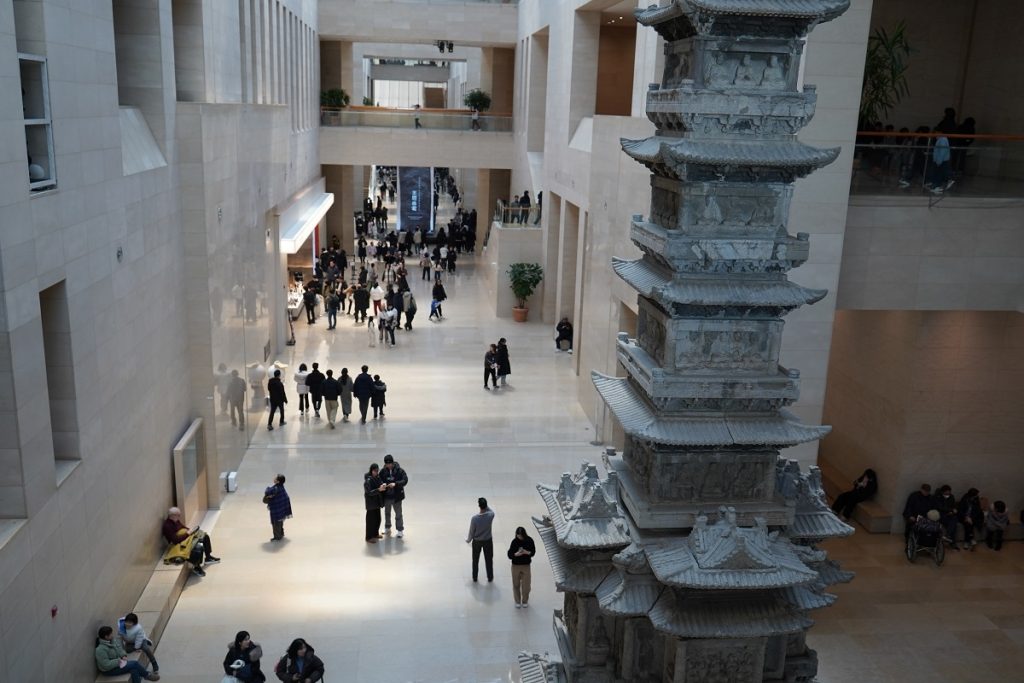
Premium Korean Museum Networks and Educational Excellence
Korean National Museum System and Cultural Education: Korean national museums provide comprehensive monsoon cultural experiences through educational programming, cultural exhibitions, and indoor cultural coordination that creates meaningful educational monsoon experiences while demonstrating Korean cultural education excellence and traditional knowledge about cultural preservation and museum coordination.
National Museum Excellence:
- National Museum of Korea: Comprehensive Korean history and cultural exhibitions providing extensive monsoon educational programming and cultural learning
- National Folk Museum: Traditional Korean culture and lifestyle exhibitions showcasing cultural heritage and traditional knowledge during monsoon visits
- National Palace Museums: Korean palace culture and royal heritage providing authentic cultural education and historical appreciation
- Regional National Museums: Provincial museum networks and regional cultural heritage creating comprehensive national cultural education
National museum experiences require understanding cultural education, exhibition coordination, and heritage appreciation that creates meaningful museum experiences while building appreciation for Korean cultural heritage and traditional knowledge through continued museum practice and cultural education.
Korean Art Museum Networks and Contemporary Culture: Korean art museums provide contemporary cultural experiences through modern art exhibitions, cultural programming, and artistic coordination that creates sophisticated monsoon cultural experiences while demonstrating Korean artistic excellence and traditional knowledge about art cultural coordination.
Art museum experiences include understanding contemporary art, cultural programming, and artistic coordination that creates meaningful art cultural experiences while building appreciation for Korean artistic heritage and contemporary culture through continued art practice and artistic education.
Korean Science Museum and Technology Education: Korean science museums provide educational technology experiences through interactive exhibitions, scientific programming, and educational coordination that creates engaging monsoon educational experiences while building scientific awareness and traditional knowledge through continued science practice and educational coordination.
Science museum coordination requires understanding educational technology, interactive learning, and scientific coordination that creates effective science education while building appreciation for Korean scientific development and educational excellence through continued science practice and technology education.
Korean Shopping Culture and Monsoon Retail Excellence
Korean Department Store Culture and Premium Shopping: Korean department stores provide comprehensive monsoon shopping through luxury retail, cultural shopping, and indoor entertainment that creates sophisticated shopping experiences while demonstrating Korean retail excellence and traditional knowledge about shopping cultural coordination.
Department Store Excellence:
- Lotte Department Store Networks: Premium shopping experiences and luxury retail providing comprehensive monsoon shopping and cultural retail
- Shinsegae Department Store Culture: Sophisticated shopping environments and cultural retail creating premium monsoon shopping experiences
- Hyundai Department Store Coordination: Modern retail culture and shopping excellence providing contemporary monsoon retail experiences
- Regional Department Store Networks: Provincial shopping centers and regional retail creating comprehensive national shopping culture
Department store shopping requires understanding retail culture, shopping coordination, and luxury retail that creates superior shopping experiences while building appreciation for Korean retail culture and traditional shopping wisdom through continued shopping practice and retail education.
Korean Underground Shopping Networks and Weather-Protected Retail: Korean underground shopping provides monsoon-protected retail through subway connections, weather-protected shopping, and comprehensive retail networks that creates convenient monsoon shopping while building underground retail awareness and traditional knowledge through continued underground practice and retail coordination education.
Underground shopping includes understanding subway retail, weather protection, and shopping convenience that creates optimal underground retail experiences while building appreciation for Korean urban retail development and traditional commercial wisdom through continued underground practice and retail cultural education.
Korean Traditional Market Indoor Areas and Cultural Shopping: Korean traditional markets provide indoor cultural shopping through covered market areas, traditional retail, and cultural market experiences that create authentic monsoon cultural shopping while preserving traditional knowledge and building market culture appreciation.
Traditional market shopping requires understanding market culture, traditional retail, and cultural shopping that creates authentic market experiences while building appreciation for Korean traditional commerce and market heritage through continued market practice and traditional retail education.
Korean Entertainment Culture and Indoor Recreation Excellence
Korean Cinema Culture and Movie Entertainment: Korean cinema provides comprehensive monsoon entertainment through movie theater networks, film culture, and entertainment coordination that creates engaging monsoon entertainment experiences while demonstrating Korean entertainment excellence and traditional knowledge about cultural entertainment coordination.
Cinema Entertainment Elements:
- CGV and Lotte Cinema Networks: Modern movie theater systems providing comprehensive monsoon entertainment and film cultural experiences
- Independent Cinema Culture: Korean independent film venues and cultural cinema creating sophisticated film cultural experiences
- Korean Film Cultural Programming: Traditional and contemporary Korean film appreciation and cultural film education
- IMAX and Premium Theater Experiences: Advanced cinema technology and premium entertainment creating superior monsoon film experiences
Cinema entertainment requires understanding film culture, entertainment coordination, and cultural programming that creates meaningful entertainment experiences while building appreciation for Korean film culture and traditional entertainment wisdom through continued cinema practice and film education.
Korean Gaming and Entertainment Centers: Korean gaming culture provides monsoon entertainment through PC방 (PC bang) culture, gaming centers, and entertainment coordination that creates engaging indoor recreation while building gaming culture awareness and traditional knowledge through continued gaming practice and entertainment education.
Gaming entertainment includes understanding gaming culture, entertainment center coordination, and recreational gaming that creates meaningful gaming experiences while building appreciation for Korean gaming culture and entertainment development through continued gaming practice and entertainment cultural education.
Korean Spa and Wellness Culture During Monsoon: Korean spa culture provides monsoon wellness through jjimjilbang experiences, wellness coordination, and relaxation that creates therapeutic monsoon experiences while demonstrating Korean wellness culture and traditional knowledge about health coordination and seasonal wellness.
Spa wellness requires understanding wellness culture, health coordination, and relaxation coordination that creates therapeutic wellness experiences while building appreciation for Korean wellness tradition and health culture through continued wellness practice and health education.
Korean Monsoon Food Culture and Seasonal Cuisine Excellence
Traditional Korean Monsoon Cuisine and Seasonal Food Coordination
Korean Monsoon Season Traditional Foods and Seasonal Coordination: Korean monsoon season features traditional cuisine through seasonal food coordination, weather-appropriate cooking, and traditional food wisdom that creates meaningful culinary monsoon experiences while demonstrating Korean culinary excellence and traditional knowledge about seasonal cooking coordination and weather food culture.
Monsoon Traditional Foods:
- Samgyetang (참계탕) Monsoon Health: Traditional ginseng chicken soup providing health support and energy during humid monsoon weather conditions
- Cold Noodle Culture: Korean cold noodle dishes and seasonal cooling foods managing monsoon heat and humidity through traditional cooling cuisine
- Traditional Monsoon Preservation: Korean fermentation and food preservation coordinating with monsoon humidity and traditional food storage
- Seasonal Vegetable Coordination: Fresh seasonal vegetables and traditional preparation creating optimal monsoon nutrition and seasonal food coordination
Traditional monsoon foods require understanding seasonal cooking, traditional nutrition, and weather food coordination that creates meaningful culinary experiences while building appreciation for Korean culinary wisdom and traditional cooking knowledge through continued culinary practice and seasonal food education.
Korean Traditional Tea Culture and Monsoon Beverages: Korean tea culture provides monsoon beverage coordination through traditional teas, seasonal drinks, and cultural beverage coordination that creates meaningful monsoon beverage experiences while demonstrating Korean beverage culture and traditional knowledge about drink coordination and seasonal beverage wisdom.
Traditional tea culture includes understanding beverage coordination, traditional drinks, and seasonal beverage that creates authentic beverage experiences while building appreciation for Korean beverage heritage and traditional drink knowledge through continued beverage practice and cultural drink education.
Korean Traditional Medicine Food and Monsoon Health: Korean traditional medicine integrates monsoon health food through medicinal cooking, health food coordination, and traditional wellness that creates health-supporting monsoon nutrition while building health food awareness and traditional knowledge through continued health practice and medicinal food education.
Traditional health food requires understanding medicinal coordination, health nutrition, and traditional wellness that creates effective health food while building appreciation for Korean health food culture and traditional medicine through continued health practice and medicinal education.
Modern Korean Monsoon Dining Culture and Restaurant Excellence
Korean Indoor Restaurant Culture and Monsoon Dining Excellence: Korean restaurant culture provides comprehensive monsoon dining through indoor dining excellence, service coordination, and culinary hospitality that creates superior monsoon dining experiences while demonstrating Korean hospitality excellence and traditional knowledge about dining cultural coordination.
Restaurant Culture Elements:
- Traditional Korean Restaurant Networks: Authentic Korean dining and traditional restaurant culture providing cultural monsoon dining and traditional food experiences
- Contemporary Korean Cuisine: Modern Korean cooking and innovative cuisine creating sophisticated monsoon dining and contemporary culinary experiences
- International Cuisine Korean Excellence: Global food culture and international dining providing diverse monsoon dining and culinary international experiences
- Korean BBQ and Indoor Grilling: Traditional Korean barbecue and indoor grilling creating social monsoon dining and cultural cooking experiences
Restaurant dining requires understanding dining culture, service excellence, and culinary coordination that creates superior dining experiences while building appreciation for Korean hospitality culture and traditional dining wisdom through continued dining practice and restaurant education.
Korean Delivery Food Culture and Monsoon Convenience: Korean delivery culture provides monsoon dining convenience through food delivery excellence, service coordination, and dining convenience that creates accessible monsoon dining while building delivery culture awareness and traditional knowledge through continued delivery practice and convenience food education.
Delivery culture includes understanding food delivery, convenience coordination, and service excellence that creates convenient monsoon dining while building appreciation for Korean delivery culture and traditional convenience wisdom through continued delivery practice and food service education.
Korean Street Food Indoor Markets and Monsoon Food Culture: Korean street food markets provide indoor monsoon food experiences through covered market dining, street food culture, and traditional food coordination that creates authentic monsoon food culture while preserving traditional knowledge and building street food appreciation.
Street food culture requires understanding market dining, traditional food culture, and street food coordination that creates authentic street food experiences while building appreciation for Korean street food heritage and traditional market culture through continued street food practice and market education.
Korean Café Culture and Monsoon Social Spaces
Korean Café Culture Excellence and Monsoon Social Coordination: Korean café culture provides comprehensive monsoon social experiences through café networks, social coordination, and cultural café experiences that creates meaningful monsoon social spaces while demonstrating Korean social culture excellence and traditional knowledge about café cultural coordination.
Café Culture Elements:
- Korean Chain Café Networks: Comprehensive café systems and social coordination providing accessible monsoon social spaces and café cultural experiences
- Independent Café Culture: Unique Korean café experiences and cultural café coordination creating sophisticated monsoon social environments
- Study Café and Work Culture: Korean study culture and work café coordination providing productive monsoon indoor spaces and cultural productivity
- Traditional Tea House Culture: Korean traditional tea houses and cultural tea coordination creating authentic monsoon cultural social experiences
Café culture requires understanding social coordination, café cultural programming, and social space management that creates meaningful social experiences while building appreciation for Korean social culture and traditional social wisdom through continued café practice and social education.
Korean Dessert Culture and Monsoon Sweet Experiences: Korean dessert culture provides monsoon sweet experiences through traditional desserts, modern confections, and dessert coordination that creates enjoyable monsoon sweet culture while building dessert culture awareness and traditional knowledge through continued dessert practice and sweet cultural education.
Dessert culture includes understanding traditional sweets, modern confections, and dessert coordination that creates meaningful dessert experiences while building appreciation for Korean dessert heritage and traditional sweet culture through continued dessert practice and confection education.
Korean Bakery Culture and Monsoon Comfort Food: Korean bakery culture provides monsoon comfort through bread culture, bakery coordination, and comfort food that creates comforting monsoon food experiences while building bakery culture awareness and traditional knowledge through continued bakery practice and comfort food education.
Bakery culture requires understanding bread culture, bakery coordination, and comfort food that creates comforting food experiences while building appreciation for Korean bakery heritage and traditional bread culture through continued bakery practice and food comfort education.
Korean Monsoon Safety and Emergency Preparedness
Comprehensive Korean Monsoon Safety Protocols and Risk Management
Korean Government Monsoon Safety Systems and Emergency Coordination: Korean government provides comprehensive monsoon safety through emergency systems, public safety coordination, and disaster management that creates secure monsoon experiences while demonstrating Korean emergency management excellence and traditional knowledge about community safety and weather emergency coordination.
Government Safety Elements:
- National Emergency Broadcasting: Korean emergency communication systems and public safety information providing real-time monsoon safety coordination
- Regional Flood Management: Provincial and local flood control systems and emergency response managing monsoon flooding and community safety
- Public Safety Education: Government public education and safety awareness building community monsoon preparedness and emergency knowledge
- International Emergency Cooperation: Korean emergency management and international disaster coordination providing comprehensive safety and global cooperation
Government safety requires understanding emergency systems, public coordination, and safety management that creates comprehensive safety while building appreciation for Korean emergency excellence and traditional safety wisdom through continued safety practice and emergency education.
Korean Urban Flood Management and Infrastructure Safety: Korean urban areas provide flood safety through drainage systems, infrastructure management, and urban safety coordination that creates secure urban monsoon experiences while demonstrating Korean urban safety excellence and traditional knowledge about urban weather management.
Urban flood management includes understanding infrastructure safety, drainage coordination, and urban emergency that creates safe urban experiences while building appreciation for Korean urban development and traditional urban safety through continued urban practice and infrastructure education.
Community Monsoon Preparedness and Neighborhood Safety: Korean communities provide monsoon preparedness through community cooperation, neighborhood safety, and local emergency coordination that creates community monsoon safety while building community safety awareness and traditional knowledge through continued community practice and safety education.
Community preparedness requires understanding neighborhood cooperation, local safety, and community emergency that creates effective community safety while building appreciation for Korean community culture and traditional safety wisdom through continued community practice and neighborhood safety education.
Personal Monsoon Safety and Health Management
Korean Monsoon Health and Wellness Safety: Korean monsoon season requires health safety through humidity health management, seasonal health coordination, and wellness safety that protects personal health while building health awareness and traditional knowledge about monsoon health coordination and seasonal wellness.
Monsoon Health Safety:
- Humidity Health Management: Managing high humidity health effects and maintaining comfort during intensive monsoon weather conditions
- Waterborne Disease Prevention: Korean public health coordination and disease prevention ensuring health safety during monsoon water exposure
- Mental Health Monsoon Support: Seasonal mental health awareness and wellness support managing monsoon weather psychological effects
- Traditional Health Monsoon Practices: Korean traditional medicine and health practices supporting monsoon season health and wellness coordination
Monsoon health safety requires understanding humidity health, disease prevention, and wellness coordination that creates effective health management while building appreciation for Korean health culture and traditional wellness wisdom through continued health practice and wellness education.
Korean Emergency Communication and Safety Technology: Korean emergency systems provide safety technology through communication systems, emergency apps, and technology safety that creates technological monsoon safety while building technology awareness and traditional knowledge through continued technology practice and safety technology education.
Emergency technology includes understanding communication systems, emergency apps, and technology safety that creates effective technological safety while building appreciation for Korean technology development and traditional communication wisdom through continued technology practice and emergency communication education.
Personal Emergency Planning and Safety Preparation: Korean monsoon season requires personal emergency planning through safety preparation, emergency coordination, and risk management that creates individual monsoon safety while building personal preparedness and traditional knowledge through continued preparation practice and safety planning education.
Personal planning requires understanding emergency preparation, safety coordination, and risk management that creates effective personal safety while building appreciation for Korean safety culture and traditional preparedness wisdom through continued planning practice and personal safety education.
Korean Monsoon Environmental Awareness and Conservation
Korean Environmental Monsoon Impact and Conservation: Korean monsoon season demonstrates environmental impact through water management, conservation coordination, and environmental protection that creates environmental awareness while building conservation consciousness and traditional knowledge about environmental stewardship and seasonal conservation.
Environmental Conservation Elements:
- Water Quality Management: Korean water conservation and quality protection ensuring environmental health during monsoon water abundance
- Ecosystem Monsoon Protection: Natural habitat conservation and wildlife protection managing monsoon environmental impact and ecosystem preservation
- Urban Environmental Management: City environmental coordination and pollution control maintaining environmental quality during monsoon weather
- Community Environmental Education: Public environmental awareness and conservation education building environmental consciousness and stewardship
Environmental conservation requires understanding ecosystem protection, pollution management, and conservation education that creates effective environmental stewardship while building appreciation for Korean environmental consciousness and traditional conservation wisdom through continued environmental practice and conservation education.
Climate Change Monsoon Adaptation and Future Planning: Korean monsoon management addresses climate change through adaptation planning, environmental monitoring, and future sustainability that protects environmental heritage while demonstrating Korean environmental consciousness and traditional knowledge about climate adaptation and environmental preservation.
Climate adaptation requires understanding environmental change, adaptation strategies, and future planning that creates resilient environmental management while building appreciation for Korean environmental consciousness and traditional adaptation wisdom through continued climate practice and environmental planning education.
International Environmental Cooperation and Global Climate Coordination: Korean environmental management facilitates international cooperation through global climate partnerships, environmental education exchange, and international environmental coordination that creates global environmental connections while demonstrating Korean environmental leadership and international cooperation.
International environmental cooperation requires understanding global coordination, environmental education, and international cooperation that creates meaningful international environmental connections while building appreciation for Korean environmental leadership and global conservation through continued international practice and environmental cooperation education.
Regional Korean Monsoon Experiences and Cultural Variations
Seoul Metropolitan Monsoon Culture and Urban Excellence
Seoul Monsoon Infrastructure and Metropolitan Weather Management: Seoul metropolitan area demonstrates urban monsoon excellence through sophisticated infrastructure, transportation coordination, and metropolitan weather management that creates superior urban monsoon experiences while showcasing Korean urban development and traditional knowledge about metropolitan weather coordination and city management.
Seoul Metropolitan Elements:
- Subway System Monsoon Excellence: Comprehensive underground transportation and weather-protected movement providing reliable metropolitan monsoon transportation
- Urban Drainage Infrastructure: Advanced flood control systems and drainage management preventing urban flooding and maintaining city functionality
- Metropolitan Cultural Networks: Extensive indoor cultural facilities and entertainment providing comprehensive monsoon cultural programming and urban activities
- Seoul Emergency Coordination: City-wide emergency management and safety coordination ensuring metropolitan safety during intensive monsoon periods
Seoul metropolitan management requires understanding urban infrastructure, transportation coordination, and emergency management that creates superior metropolitan experiences while building appreciation for Korean urban excellence and traditional metropolitan wisdom through continued urban practice and metropolitan education.
Seoul Indoor Cultural Districts and Monsoon Entertainment: Seoul provides comprehensive indoor cultural districts through museum networks, shopping areas, and entertainment coordination that creates extensive monsoon cultural experiences while building cultural district awareness and traditional knowledge through continued cultural practice and urban cultural education.
Cultural districts include understanding urban cultural programming, district coordination, and entertainment management that creates optimal cultural experiences while building appreciation for Korean urban culture and traditional cultural development through continued cultural practice and urban entertainment education.
Seoul Food Culture and Monsoon Dining Networks: Seoul demonstrates dining excellence through restaurant districts, food culture, and culinary coordination that creates comprehensive monsoon dining experiences while building culinary district awareness and traditional knowledge through continued dining practice and urban food education.
Food culture requires understanding dining districts, culinary coordination, and restaurant excellence that creates superior dining experiences while building appreciation for Korean urban dining culture and traditional culinary wisdom through continued dining practice and food cultural education.
Regional Korean Monsoon Characteristics and Local Culture
Busan Coastal Monsoon and Maritime Weather Culture: Busan provides coastal monsoon experiences through maritime weather, ocean coordination, and coastal culture that creates distinctive coastal monsoon experiences while demonstrating Korean coastal development and traditional knowledge about maritime weather coordination and coastal community culture.
Busan Coastal Elements:
- Maritime Monsoon Weather: Ocean weather effects and coastal monsoon patterns creating distinctive coastal weather experiences and maritime coordination
- Coastal Indoor Activities: Busan indoor cultural facilities and coastal entertainment providing monsoon cultural programming and coastal activities
- Seafood Monsoon Culture: Coastal dining culture and seafood coordination creating authentic coastal monsoon dining and maritime food experiences
- Port City Infrastructure: Coastal infrastructure and maritime coordination managing monsoon weather and maintaining port city functionality
Busan coastal management requires understanding maritime weather, coastal infrastructure, and port coordination that creates distinctive coastal experiences while building appreciation for Korean coastal development and traditional maritime wisdom through continued coastal practice and maritime education.
Regional Mountain Area Monsoon and Rural Culture: Korean mountain regions demonstrate rural monsoon through mountain weather, rural community coordination, and traditional culture that creates authentic rural monsoon experiences while building rural awareness and traditional knowledge through continued rural practice and mountain cultural education.
Mountain monsoon includes understanding mountain weather, rural coordination, and traditional community that creates meaningful rural experiences while building appreciation for Korean rural culture and traditional mountain wisdom through continued rural practice and mountain education.
Island Region Monsoon and Traditional Island Culture: Korean islands provide unique monsoon experiences through island weather, maritime coordination, and island culture that creates distinctive island monsoon experiences while building island awareness and traditional knowledge through continued island practice and maritime island education.
Island monsoon coordination requires understanding island weather, maritime culture, and island coordination that creates authentic island experiences while building appreciation for Korean island heritage and traditional maritime wisdom through continued island practice and cultural island education.
International Tourist Monsoon Experience and Cultural Integration
International Visitor Monsoon Guidance and Cultural Orientation: Korean monsoon season provides international visitor support through cultural orientation, weather guidance, and visitor coordination that creates positive international monsoon experiences while demonstrating Korean hospitality excellence and traditional knowledge about cultural accommodation and international visitor service.
International Visitor Elements:
- Multilingual Weather Information: International weather communication and foreign language support providing comprehensive monsoon information and cultural orientation
- Cultural Monsoon Orientation: International visitor cultural education and traditional knowledge sharing enhancing monsoon cultural understanding and appreciation
- International Emergency Support: Foreign visitor emergency assistance and safety coordination ensuring international safety during monsoon weather
- Cross-Cultural Monsoon Activities: International cultural exchange and monsoon cultural programming facilitating cultural understanding and international cooperation
International visitor coordination requires understanding cultural accommodation, visitor service, and international cooperation that creates superior international experiences while building appreciation for Korean international hospitality and traditional accommodation wisdom through continued international practice and cultural visitor education.
Korean Language Monsoon Integration and Communication Enhancement: Korean monsoon experiences benefit from language integration through monsoon vocabulary, weather communication, and cultural language coordination that enhances monsoon experiences while building cultural communication and traditional knowledge appreciation.
Language integration includes understanding weather vocabulary, cultural communication, and language coordination that creates enhanced cultural experiences while building appreciation for Korean language culture and traditional communication through continued language practice and cultural communication education.
Global Weather Cultural Exchange and International Understanding: Korean monsoon culture facilitates international cultural exchange through weather cultural programming, global cooperation, and international understanding that creates global cultural connections while building international appreciation for Korean weather culture and environmental wisdom.
International exchange requires understanding cultural diplomacy, weather cooperation, and global understanding that creates meaningful international connections while building appreciation for Korean international cultural relations and global environmental cooperation through continued international practice and cultural exchange education.
STELLA’S LOCAL SECRET The “Korean Monsoon Underground Navigation Strategy” Master Korean monsoon navigation by utilizing Seoul’s extensive underground networks: Gangnam Underground Shopping connects multiple subway stations for weather-protected shopping and dining, downtown Seoul’s underground passages link department stores and cultural facilities, and major stations like Hongik University and Express Bus Terminal offer comprehensive underground districts. Korean locals avoid street-level monsoon exposure by planning routes through connected underground facilities, creating comfortable weather-protected urban experiences while accessing authentic Korean indoor culture.
STELLA’S LOCAL SECRET The “Traditional Korean Monsoon Food Wisdom” Experience authentic Korean monsoon culture through traditional seasonal foods: eat samgyetang (ginseng chicken soup) for energy during humid weather, try naengmyeon (cold noodles) for cooling relief, enjoy seasonal kimchi varieties that aid digestion during monsoon humidity, and drink traditional teas like omija tea for health support. Korean grandmothers know these foods help bodies adapt to intense humidity and provide energy during challenging monsoon weather conditions while maintaining traditional nutritional wisdom.
STELLA’S LOCAL SECRET The “Korean Monsoon Community Integration Experience” Discover authentic Korean monsoon community culture by visiting local jjimjilbangs (Korean spas) where families gather during rainy weather, attending community center cultural programs designed for monsoon seasons, participating in traditional temple programs offering meditation and cultural activities, and joining neighborhood volunteer activities helping elderly community members during monsoon periods. These activities provide genuine cultural immersion while demonstrating Korean community cooperation and traditional social support systems.
STELLA’S LOCAL SECRET The “Korean Monsoon Photography Cultural Technique” Capture authentic Korean monsoon culture by photographing traditional Korean architecture in rain (especially palace roof lines and traditional houses), documenting Korean umbrella culture and rain gear fashion, shooting neon light reflections on wet Seoul streets for modern Korean aesthetic, and capturing traditional markets and street food vendors during monsoon operations. Korean photographers appreciate monsoon season’s unique lighting and cultural elements that showcase both traditional resilience and modern urban adaptation to challenging weather.
Frequently Asked Questions
Q: When exactly is Korea’s rainy season and how long does it last? Korean changma (monsoon) season typically runs from late June through late July, lasting 3-4 weeks with regional variations. Southern Korea usually starts earlier while northern regions follow 7-10 days later. The exact timing varies yearly based on weather patterns, but peak monsoon generally occurs in July with the heaviest rainfall. Monitor Korean weather services for annual timing updates and regional forecasts.
Q: How heavy is the rain during Korean monsoon season? Korean monsoon features periods of very heavy rainfall alternating with lighter rain and occasional clear days. Daily rainfall can exceed 50-100mm during intensive periods, with some days reaching 200mm+. However, monsoon isn’t constant rain – expect rain cycles with dry periods between storms. Urban areas have excellent drainage systems managing heavy rainfall, but flooding can occur during extreme weather events.
Q: What should I pack for visiting Korea during monsoon season? Essential items include quality waterproof rain jacket, sturdy umbrella (Korean wind can break cheap ones), waterproof shoes or rain boots, quick-dry clothing, waterproof phone case, and extra plastic bags for electronics. Bring layers for humidity and air conditioning temperature differences. Korean convenience stores sell rain gear, but quality varies. Pack more clothes as drying time increases during humid weather.
Q: Is it safe to visit Korea during the rainy season? Korea is generally very safe during monsoon season with excellent infrastructure, emergency systems, and weather management. Follow official weather warnings, avoid flooded areas, be cautious near streams or rivers that can rise quickly, and stay informed through Korean weather services. Korean emergency response systems are comprehensive, and major tourist areas maintain safety protocols during monsoon weather.
Q: What are the best indoor activities during Korean monsoon season? Korea offers extensive indoor options: comprehensive museum networks (National Museum of Korea, palace museums), shopping complexes (department stores, underground shopping), cultural centers, movie theaters, jjimjilbangs (Korean spas), PC bangs (gaming centers), and café culture. Seoul’s underground networks allow weather-protected movement between major destinations. Many indoor facilities offer cultural programming specifically for monsoon season.
Q: How does Korean monsoon affect transportation and should I change my travel plans? Korean public transportation operates reliably during monsoon with minimal service disruption. Seoul subway is primarily underground and weather-protected, buses maintain schedules with occasional delays, and KTX high-speed rail continues operations with safety monitoring. Domestic flights may face delays during severe weather. Book flexible accommodations and have backup plans, but major transportation disruptions are uncommon.
Q: What Korean foods are traditional during monsoon season? Traditional Korean monsoon foods include samgyetang (ginseng chicken soup) for energy during humid weather, naengmyeon (cold noodles) for cooling relief, seasonal kimchi varieties, traditional teas for health support, and preserved foods utilizing Korea’s fermentation expertise. Korean restaurants offer seasonal monsoon menus, and traditional medicine recommends specific foods for humidity health management and seasonal nutrition.
Q: How do Korean people typically spend time during the rainy season? Koreans embrace monsoon season through indoor cultural activities, family time at jjimjilbangs, café culture for socializing and studying, department store and shopping culture, museum and cultural center visits, and traditional activities like temple visits. Korean work and school schedules continue normally with weather accommodations. Many Koreans view monsoon as cozy indoor time for cultural activities and family bonding.
Q: Should I visit specific regions of Korea to avoid the worst monsoon weather? Monsoon affects all Korean regions, but mountain areas may receive more rainfall while coastal areas experience different patterns. Rather than avoiding regions, plan indoor-focused itineraries during peak monsoon periods. Seoul offers the most comprehensive indoor infrastructure, while Busan provides coastal cultural activities. Focus on cultural destinations rather than outdoor activities during intensive monsoon periods.
Q: What emergency information should international visitors know about Korean monsoon? Download Korean weather apps (KMA Weather app), learn emergency Korean phrases related to weather and safety, register with your embassy for emergency notifications, keep emergency contact numbers including Korean emergency services (119 for fire/rescue, 112 for police), understand flood evacuation routes in your accommodation area, and follow official Korean weather warnings. Korean emergency systems provide multilingual support during severe weather events.
Mastering Korea’s Challenging Yet Rewarding Monsoon Season
You now possess comprehensive knowledge to approach Korean monsoon season with deep understanding of what makes Korean rainy season culture represent resilience excellence, environmental adaptation, and seasonal wisdom that transforms challenging weather into meaningful expressions of Korean weather values, community cooperation, and traditional knowledge connecting contemporary monsoon management with centuries of Korean seasonal adaptation and weather cultural traditions.
You’ve learned exactly what distinguishes Korean monsoon culture through environmental awareness, infrastructure excellence, and community preparation, why specific rainy season strategies create optimal weather experiences while maintaining safety and traditional knowledge preservation, how Korean monsoon customs facilitate environmental education and community bonding while building weather resilience and cultural appreciation, and what appropriate monsoon season participation demonstrates about Korean cultural understanding and environmental respect.
You understand Korean monsoon culture’s importance through environmental foundations, cultural significance, and contemporary infrastructure relevance while gaining practical knowledge including weather preparation, indoor activity coordination, transportation management, and safety methods that enhance authentic Korean seasonal experiences and environmental learning through traditional knowledge integration and community participation.
Most importantly, you understand that Korean monsoon season represents far more than challenging weather. It preserves Korean weather wisdom while serving essential functions including environmental education, community cooperation, infrastructure testing, and cultural adaptation that enriches human understanding of weather’s role in cultural identity, seasonal resilience, and community building through continued practice and traditional knowledge transmission.
Walking into authentic Korean monsoon experiences means participating in living weather tradition where environmental adaptation continues demonstrating community resilience, where traditional knowledge maintains cultural authenticity and seasonal wisdom, where weather customs strengthen community bonds while creating opportunities for authentic cultural exchange and environmental appreciation through respectful weather participation and cultural learning.
Your thoughtful engagement with Korean monsoon culture supports weather wisdom preservation while contributing to seasonal understanding and cultural appreciation that benefits both Korean weather heritage preservation and international environmental exchange through respectful participation in weather customs that demonstrate cultural sophistication and environmental resilience recognition.
The Korean monsoon experience awaits through optimal preparation coordination, authentic weather community participation, cultural learning opportunities, and meaningful environmental integration. Traditional wisdom continues guiding weather stewardship while seasonal heritage preserves monsoon cultural values. Weather customs continue building cultural connections while natural patterns maintain seasonal inspiration and environmental awareness. Your Korean rainy season cultural journey is about to begin.