
Discovering Korea’s Most Spectacular Summer Beach Culture and Coastal Excellence
Have you ever wondered why Korean summer beach culture represents one of Asia’s most dynamic coastal experiences while creating extraordinary seaside adventures that transform Korea’s extensive coastline into summer paradise through traditional understanding of maritime leisure and contemporary beach tourism that connects modern Korean beach culture with centuries of Korean coastal living and maritime traditions, what makes Korean summer beaches develop such extraordinary variety and cultural significance from traditional fishing village heritage to modern resort development while demonstrating Korean mastery of coastal tourism, environmental preservation, and beach recreation that creates optimal summer experiences connecting natural beauty with cultural heritage, how Korean beach culture balances traditional coastal community values with contemporary tourism innovation while maintaining authentic Korean maritime identity and environmental stewardship through generations of Korean coastal communities preserving beach knowledge and maritime cultural practices, and why understanding Korean summer beach guide provides essential insight into Korean coastal culture, seasonal wisdom, and maritime appreciation that makes beach participation into demonstrations of Korean cultural sophistication and traditional knowledge about coastal harmony and natural beauty appreciation?
Where ancient Korean maritime wisdom meets contemporary beach excellence through coastal development that maximizes natural beauty while creating meaningful seaside experiences and environmental education opportunities that connect contemporary Korean beach tourism with traditional Korean understanding of coastal significance and maritime preservation, where traditional Korean coastal culture expresses itself through beach customs and maritime stewardship that create harmonious coastal experiences while preserving environmental values and demonstrating community cooperation through collaborative beach maintenance and cultural transmission? Where Korean seasonal awareness guides summer beach timing and coastal coordination through traditional understanding of optimal beach seasons and maritime safety that connects contemporary beach recreation with traditional Korean wisdom about coastal living and environmental harmony through continued seasonal practice and traditional knowledge preservation?
Korean Summer Beach Guide (한국 여름 해변 가이드) offers exactly this extraordinary intersection of nature, culture, recreation, and environmental appreciation – but only if you understand what makes Korean beaches unique beyond “Korean coastal areas,” why specific beach destinations create optimal summer experiences while maintaining environmental protection and traditional knowledge, how Korean beach customs facilitate cultural preservation and coastal education while building tourism excellence and international appreciation, and what distinguishes authentic Korean beach culture from commercialized adaptations that miss essential environmental significance and traditional knowledge preservation.
For summer recreation and coastal culture enthusiasts especially, Korean beach culture presents fascinating complexity because unlike simple seaside tourism, Korean beach tradition encompasses complete coastal systems including environmental stewardship, cultural expression, community cooperation, and traditional knowledge transmission that transforms beach visits into cultural experience and environmental appreciation through authentic participation and traditional knowledge integration.
Most people approach Korean beaches as summer vacation destinations without understanding sophisticated cultural knowledge behind Korean coastal development and maritime stewardship, traditional Korean understanding of seasonal beach timing and environmental coordination that creates optimal beach experiences through cultural integration, coastal recreation patterns that reflect Korean environmental wisdom and traditional maritime knowledge, or cultural customs surrounding beach participation that demonstrate Korean values of environmental respect and coastal harmony through traditional practice and cultural preservation.
I understand that superficial engagement completely. My first Korean beach experiences (casual summer visits and tourist resort stays) provided beautiful coastal scenery but missed entirely the environmental depth, cultural significance, and maritime traditions that make authentic Korean beach culture represent broader Korean approaches to environmental appreciation, cultural preservation, and coastal community building through beach participation and traditional knowledge that strengthens cultural identity and preserves traditional values through continued seasonal practice.
That’s why this comprehensive guide exists. I’m going to share everything you need to transform Korean beaches from summer destinations into understanding of Korean coastal culture that demonstrates traditional wisdom about environmental stewardship, community cooperation, and maritime appreciation through accessible, recreational format. You’ll learn exactly what makes Korean beach culture distinctive through traditional knowledge and environmental practices, why specific beach destinations create optimal summer experiences while preserving coastal authenticity and seasonal traditions, how Korean beach customs facilitate environmental education and community bonding while maintaining traditional knowledge and coastal excellence, and what appropriate beach appreciation demonstrates about Korean cultural understanding and environmental respect.
You’ll understand Korean beach culture’s importance through environmental foundations, cultural significance, and contemporary tourism relevance while gaining practical knowledge including beach selection, seasonal coordination, environmental etiquette understanding, and coastal safety methods that enhance authentic Korean summer experiences and environmental learning. By the end of this guide, you’ll know how to appreciate Korean beaches with understanding that transforms coastal recreation into environmental education, beach visits into cultural appreciation, and traditional knowledge into recognition of Korean environmental wisdom and coastal cultural excellence.
Most importantly, you’ll grasp why Korean beach culture matters beyond beautiful summer destinations – as preservation of Korean maritime traditions, demonstration of Korean environmental values, and expression of Korean seasonal wisdom that enriches human understanding of coasts’ role in cultural identity, environmental stewardship, and coastal community building through continued practice and traditional knowledge transmission across generations of Korean coastal communities seeking environmental connection and maritime appreciation through seasonal beach culture.
Historical Development of Korean Coastal Culture and Maritime Beach Traditions
Ancient Korean Maritime Heritage and Coastal Community Development
Traditional Korean Coastal Settlement and Maritime Excellence: Korean beach culture traces back thousands of years to early Korean Peninsula coastal communities that developed sophisticated maritime practices while creating seaside settlement systems and fishing community traditions through shared coastal knowledge and seasonal coordination that established foundations for Korean beach culture through continued maritime knowledge and cultural transmission.
Ancient Korean coastal communities emphasized maritime coordination through traditional understanding of tidal patterns, seasonal fishing cycles, and community coastal cooperation that created early beach practices while preserving traditional knowledge about optimal coastal living and maritime appreciation through continued traditional practice and cultural preservation.
Early Korean coastal development included seasonal fishing coordination, community beach maintenance, and maritime knowledge preservation through shared coastal experiences and environmental stewardship that created coastal support systems while ensuring environmental continuity and traditional knowledge transmission through hands-on coastal participation and maritime cultural education.
Traditional Korean Fishing Village Culture and Beach Integration: Korean coastal communities developed fishing village culture through traditional understanding of maritime cooperation, coastal environmental stewardship, and fishing community cultural preservation that created meaningful coastal-community relationships while preserving traditional knowledge about optimal coastal-community coordination and maritime cultural significance through continued coastal community practice and cultural preservation.
Traditional Coastal Community Elements:
- Maritime Cooperation Systems: Traditional Korean fishing communities developing cooperative fishing practices and coastal resource management
- Coastal Environmental Stewardship: Traditional understanding of coastal ecosystem preservation and sustainable maritime resource utilization
- Beach Community Festivals: Traditional coastal celebrations coordinating with seasonal fishing cycles and maritime cultural heritage
- Maritime Knowledge Transmission: Traditional fishing and coastal knowledge shared between generations for cultural preservation and environmental wisdom
Traditional coastal community integration required understanding maritime cooperation principles, environmental stewardship coordination, and cultural significance that created meaningful coastal heritage while maintaining traditional knowledge and environmental authenticity through continued coastal community practice and cultural transmission.
Traditional Korean Coastal Agriculture and Beach Land Utilization: Korean coastal communities developed seaside agriculture through traditional understanding of salt production, coastal farming adaptation, and maritime-agricultural integration that created specialized coastal traditions while preserving traditional knowledge about coastal land use and environmental harmony through continued coastal agricultural practice and cultural preservation.
Traditional coastal agriculture included understanding salt field development, coastal crop cultivation, and environmental coordination that created successful coastal land utilization while maintaining traditional knowledge and environmental authenticity through continued coastal practice and cultural transmission within traditional coastal community structures.
Historical Korean Beach Development and Cultural Evolution
Goryeo and Joseon Dynasty Coastal Administration: Historical Korean dynasties (918-1910) developed coastal administration through maritime defense coordination, fishing community governance, and coastal trade regulation that created systematic coastal management while preserving fishing community culture and traditional knowledge through institutional support and cultural preservation efforts.
Dynasty Period Coastal Management:
- Maritime Defense Integration: Traditional government coastal defense and fishing community cooperation for coastal security
- Fishing Community Governance: Traditional administrative support for fishing village culture and maritime community organization
- Coastal Trade Regulation: Traditional commercial coordination and maritime trade supporting coastal community economic development
- Environmental Protection Policies: Traditional government environmental protection and coastal resource conservation
Dynasty period coastal management requires understanding administrative coordination, community support, and environmental protection that created systematic coastal development while maintaining authentic coastal characteristics and cultural identity through continued institutional support and cultural preservation.
Traditional Korean Coastal Transportation and Maritime Routes: Korean coastal regions developed maritime transportation through traditional shipping routes, coastal trade networks, and island connection systems that created comprehensive coastal connectivity while preserving maritime culture and traditional knowledge through continued coastal transportation development and cultural integration.
Traditional coastal transportation included understanding maritime route optimization, coastal trade coordination, and transportation cultural integration that created successful coastal connectivity while maintaining traditional knowledge and maritime authenticity through continued coastal practice and cultural transmission.
Korean Coastal Religious and Spiritual Traditions: Korean coastal communities developed maritime spiritual practices through traditional coastal temples, fishing blessing ceremonies, and maritime spiritual customs that created meaningful coastal-spiritual relationships while preserving traditional knowledge about maritime spirituality and coastal cultural significance through continued coastal spiritual practice and cultural preservation.
Traditional coastal spirituality included understanding maritime religious practices, coastal ceremony coordination, and spiritual cultural integration that created authentic coastal spiritual experiences while maintaining traditional knowledge and spiritual authenticity through continued coastal spiritual practice and cultural transmission within traditional maritime spiritual community structures.
Modern Korean Beach Tourism and Recreation Development
Japanese Colonial Period Coastal Development: Japanese colonial period (1910-1945) introduced modern coastal development while Korean coastal communities maintained traditional maritime appreciation through cultural adaptation and coastal heritage preservation that strengthened traditional knowledge and coastal cultural continuity during challenging historical circumstances.
Colonial period coastal challenges demonstrated Korean maritime resilience through continued traditional coastal appreciation, community coastal cooperation maintenance, and cultural identity preservation that protected Korean coastal traditions while adapting to changing coastal circumstances and maintaining maritime knowledge through community strength and cultural preservation efforts.
Post-Liberation Beach Culture and Tourism Revival: Korean liberation and economic development periods saw beach tourism revival through traditional knowledge recovery, modern coastal recreation development, and cultural identity rebuilding that recreated Korean beach culture while serving contemporary recreation needs through traditional knowledge preservation and coastal cultural education.
Post-liberation beach development emphasized traditional knowledge recovery, cultural identity restoration, and modern recreation capability building that rebuilt Korean beach culture while maintaining traditional authenticity and coastal significance through continued traditional practice and cultural preservation efforts within modern recreation contexts.
Contemporary Korean Beach Industry and International Tourism: Modern Korean beach tourism achieves contemporary recreation excellence and international recognition through traditional knowledge preservation, tourism innovation, and global beach tourism development that demonstrates traditional knowledge validity while building appreciation for Korean coastal culture and maritime recreation through continued traditional practice and contemporary tourism development.
Contemporary beach innovation includes understanding traditional knowledge integration, modern recreation enhancement, and cultural authenticity maintenance that creates modern beach excellence while preserving traditional knowledge and coastal identity through continued innovative practice and cultural preservation within contemporary tourism contexts.
Korea’s Premier Beach Destinations and Regional Coastal Characteristics

Eastern Coast (Donghae) Beach Excellence and Sunrise Beauty
Gyeongpo Beach (Gangneung) – East Coast Crown Jewel: Gyeongpo Beach represents Korea’s eastern coast excellence through spectacular sunrise experiences, extensive sandy shores, and cultural heritage integration that creates premier beach destinations while demonstrating Korean coastal development and traditional knowledge about optimal beach coordination and environmental preservation.
Gyeongpo Beach Distinctive Features:
- Sunrise Viewing Excellence: Eastern coast positioning providing spectacular Pacific sunrise experiences and optimal morning beach activities
- Extensive Sandy Shores: 6km pristine white sand beach offering diverse beach activities and comfortable recreation spaces
- Cultural Heritage Integration: Gyeongpo Lake and traditional pavilions providing cultural context and heritage appreciation
- Comprehensive Facilities: Modern amenities and accommodation options supporting extended beach vacation experiences
Gyeongpo Beach experience requires understanding sunrise timing optimization, beach activity coordination, and cultural site integration that creates meaningful coastal experiences while building appreciation for Korean eastern coast heritage and environmental stewardship through continued beach practice and coastal cultural education.
Naksan Beach (Yangyang) – Surfing and Natural Beauty Paradise: Naksan Beach provides unique surfing culture through optimal wave conditions, natural coastal beauty, and recreational diversity that creates dynamic beach experiences while demonstrating Korean surf culture development and traditional knowledge about coastal recreation and environmental harmony.
Naksan Beach Excellence Elements:
- Surfing Culture Development: Consistent wave conditions and surf school facilities creating Korea’s premier surfing destination
- Natural Coastal Beauty: Pristine coastal environment and scenic coastal hiking trails providing comprehensive natural experiences
- Recreational Diversity: Beach activities ranging from surfing to family recreation accommodating diverse visitor interests
- Environmental Preservation: Protected coastal ecosystems and environmental education supporting sustainable beach tourism
Naksan Beach experience requires understanding surf culture participation, natural environment appreciation, and recreational coordination that creates optimal beach experiences while building appreciation for Korean surf development and environmental conservation through continued beach practice and recreational education.
Sokcho Beach and Seoraksan Integration: Sokcho provides unique mountain-beach combination through Seoraksan National Park proximity, fishing port culture, and coastal-mountain tourism that creates comprehensive regional experiences while demonstrating Korean integrated tourism and traditional knowledge about coastal-mountain coordination.
Sokcho integration includes understanding mountain-coast coordination, fishing culture appreciation, and regional tourism that creates distinctive coastal experiences while building appreciation for Korean regional integration and traditional knowledge through continued coastal practice and regional cultural education.
Western Coast (Seohae) Beach Culture and Tidal Beauty
Mallipo Beach (Taean) – West Coast Paradise: Mallipo Beach exemplifies Korean western coast beauty through extensive tidal flats, unique coastal ecosystems, and international beach culture that creates distinctive western coastal experiences while demonstrating Korean tidal zone appreciation and traditional knowledge about coastal environmental diversity.
Mallipo Beach Characteristics:
- Tidal Flat Ecosystems: Extensive mudflats and tidal zones providing unique ecological experiences and environmental education
- International Beach Culture: Historical foreign influence and international community creating cosmopolitan beach atmosphere
- Environmental Diversity: Diverse coastal habitats and migratory bird viewing providing comprehensive natural experiences
- Recreational Excellence: Quality beach facilities and accommodation supporting comfortable western coast tourism
Mallipo Beach experience requires understanding tidal ecosystem appreciation, international cultural integration, and environmental education that creates meaningful western coastal experiences while building appreciation for Korean tidal zone heritage and environmental stewardship through continued coastal practice and environmental education.
Daecheon Beach (Boryeong) – Festival and Mud Culture: Daecheon Beach creates unique festival culture through famous Boryeong Mud Festival, therapeutic mud experiences, and summer festival programming that demonstrates Korean beach festival excellence and traditional knowledge about coastal celebration and community cooperation.
Daecheon Festival Features:
- Boryeong Mud Festival: International mud festival creating unique beach festival experiences and cultural celebration
- Therapeutic Mud Experiences: Natural mud therapy and beauty treatments demonstrating Korean wellness beach culture
- Summer Festival Programming: Comprehensive cultural events and beach activities creating immersive festival experiences
- Community Festival Cooperation: Local community involvement and international visitor accommodation creating authentic festival culture
Daecheon experience requires understanding festival participation, mud therapy appreciation, and community celebration that creates unique festival beach experiences while building appreciation for Korean festival culture and community cooperation through continued festival practice and cultural celebration education.
Eurwangni Beach (Incheon) – Urban Accessibility and Sunset Beauty: Eurwangni Beach provides metropolitan area beach access through convenient transportation, sunset viewing excellence, and urban-coastal integration that creates accessible beach experiences while demonstrating Korean urban-coastal coordination and traditional knowledge about metropolitan beach development.
Eurwangni accessibility includes understanding urban transportation coordination, sunset appreciation, and metropolitan coastal integration that creates convenient beach experiences while building appreciation for Korean urban planning and coastal accessibility through continued urban beach practice and metropolitan coastal education.
Southern Coast (Namhae) Scenic Beauty and Island Integration
Haeundae Beach (Busan) – Korea’s Most Famous Beach: Haeundae Beach represents Korea’s premier urban beach through metropolitan integration, international recognition, and comprehensive beach culture that creates iconic Korean beach experiences while demonstrating Korean urban beach excellence and traditional knowledge about coastal metropolitan coordination.
Haeundae Beach Excellence:
- Metropolitan Beach Integration: Urban coastal development and metropolitan amenities creating sophisticated beach experiences
- International Recognition: Global tourism destination and international beach culture creating cosmopolitan coastal atmosphere
- Comprehensive Beach Culture: Diverse activities from beach recreation to nightlife providing complete coastal entertainment
- Year-Round Activity: Seasonal programming and facilities enabling year-round coastal tourism and community participation
Haeundae experience requires understanding metropolitan beach culture, international coordination, and urban coastal integration that creates sophisticated beach experiences while building appreciation for Korean metropolitan development and international tourism through continued urban beach practice and metropolitan cultural education.
Geoje Island Beach Diversity: Geoje Island provides diverse coastal experiences through multiple beach destinations, scenic coastal beauty, and island culture integration that creates comprehensive island beach experiences while demonstrating Korean island tourism and traditional knowledge about island coastal coordination.
Geoje Island includes understanding island transportation, coastal diversity appreciation, and island cultural integration that creates authentic island beach experiences while building appreciation for Korean island heritage and coastal diversity through continued island practice and coastal island education.
Tongyeong Coastal Beauty and Maritime Heritage: Tongyeong combines coastal beauty with maritime heritage through historic naval culture, scenic island views, and traditional fishing community integration that creates culturally rich coastal experiences while demonstrating Korean maritime heritage and traditional knowledge about naval coastal coordination.
Tongyeong integration requires understanding maritime heritage appreciation, naval culture coordination, and fishing community integration that creates meaningful maritime coastal experiences while building appreciation for Korean naval heritage and traditional maritime knowledge through continued maritime practice and naval cultural education.
Jeju Island Unique Beach Culture and Volcanic Coastal Beauty
Jeju Beach Distinctiveness and Subtropical Climate: Jeju Island provides unique Korean beach experiences through subtropical climate, volcanic coastal geology, and distinct island culture that creates exceptional beach destinations while demonstrating Korean island environmental diversity and traditional knowledge about volcanic coastal coordination.
Jeju Beach Unique Elements:
- Subtropical Climate Advantages: Extended beach seasons and comfortable year-round coastal activities
- Volcanic Coastal Geology: Distinctive black volcanic beaches and unique coastal formations providing exceptional natural beauty
- Island Cultural Integration: Traditional Jeju island culture and modern tourism creating authentic island experiences
- Environmental Protection Excellence: UNESCO biosphere preservation and sustainable tourism supporting long-term coastal conservation
Jeju beach experience requires understanding subtropical coordination, volcanic geology appreciation, and island cultural integration that creates unique coastal experiences while building appreciation for Korean environmental diversity and island heritage through continued island practice and environmental education.
Jeju Beach Activity Diversity: Jeju Island offers comprehensive beach activities through water sports excellence, diving culture, and coastal recreation that creates diverse island experiences while building appreciation for Korean island recreation and traditional knowledge through continued activity practice and recreational education.
Jeju activity coordination includes understanding water sports development, diving culture appreciation, and recreational diversity that creates optimal island beach experiences while building appreciation for Korean recreational development and island activity culture through continued recreational practice and activity education.
Jeju Coastal Environmental Conservation: Jeju Island demonstrates environmental conservation excellence through protected coastal areas, sustainable tourism practices, and environmental education that creates responsible island tourism while preserving unique coastal environments through continued conservation practice and environmental stewardship.
Environmental conservation requires understanding protection protocols, sustainable tourism principles, and conservation education that creates responsible coastal experiences while building appreciation for Korean environmental leadership and conservation success through continued environmental practice and conservation education.
Korean Beach Activities and Coastal Recreation Excellence
Traditional Korean Beach Activities and Cultural Recreation
Korean Traditional Beach Games and Community Activities: Korean beaches feature traditional recreational activities through community games, cultural celebrations, and seasonal beach customs that create authentic cultural beach experiences while demonstrating Korean recreational culture and traditional knowledge about optimal beach community coordination and cultural preservation.
Traditional Beach Activities:
- Beach Traditional Games: Korean traditional games adapted for beach environments creating cultural recreation and community bonding
- Seasonal Beach Festivals: Traditional coastal celebrations and seasonal beach customs preserving cultural heritage and community cooperation
- Community Beach Picnics: Traditional Korean outdoor dining and family beach activities creating cultural food experiences
- Beach Cultural Performances: Traditional music and dance performances during beach festivals creating cultural entertainment
Traditional beach activities require understanding cultural recreation, community participation, and traditional game coordination that creates authentic cultural beach experiences while building appreciation for Korean recreational culture and traditional knowledge through continued beach practice and cultural recreation education.
Korean Beach Food Culture and Coastal Cuisine: Korean beaches showcase coastal cuisine through traditional fishing village foods, beach restaurant culture, and seasonal seafood experiences that create comprehensive culinary beach experiences while demonstrating Korean coastal food culture and traditional knowledge about maritime cuisine and seasonal coordination.
Beach Food Culture Elements:
- Fresh Seafood Excellence: Coastal fishing community seafood and traditional preparation methods creating authentic maritime cuisine
- Beach Restaurant Culture: Coastal dining traditions and beachside restaurant experiences providing cultural culinary coordination
- Traditional Beach Foods: Korean traditional foods adapted for beach recreation and picnic experiences
- Seasonal Coastal Coordination: Seasonal seafood availability and traditional timing creating optimal coastal culinary experiences
Beach food culture requires understanding coastal cuisine appreciation, traditional preparation methods, and seasonal coordination that creates meaningful culinary experiences while building appreciation for Korean coastal food culture and traditional maritime cuisine through continued culinary practice and coastal food education.
Korean Beach Wellness and Traditional Health Practices: Korean beaches integrate wellness activities through traditional health practices, natural therapy coordination, and beach wellness culture that creates holistic beach experiences while demonstrating Korean wellness integration and traditional knowledge about coastal health coordination.
Beach wellness includes understanding traditional health practices, natural therapy integration, and wellness culture coordination that creates comprehensive beach wellness experiences while building appreciation for Korean wellness culture and traditional health wisdom through continued wellness practice and health education.
Modern Korean Beach Sports and Recreational Innovation
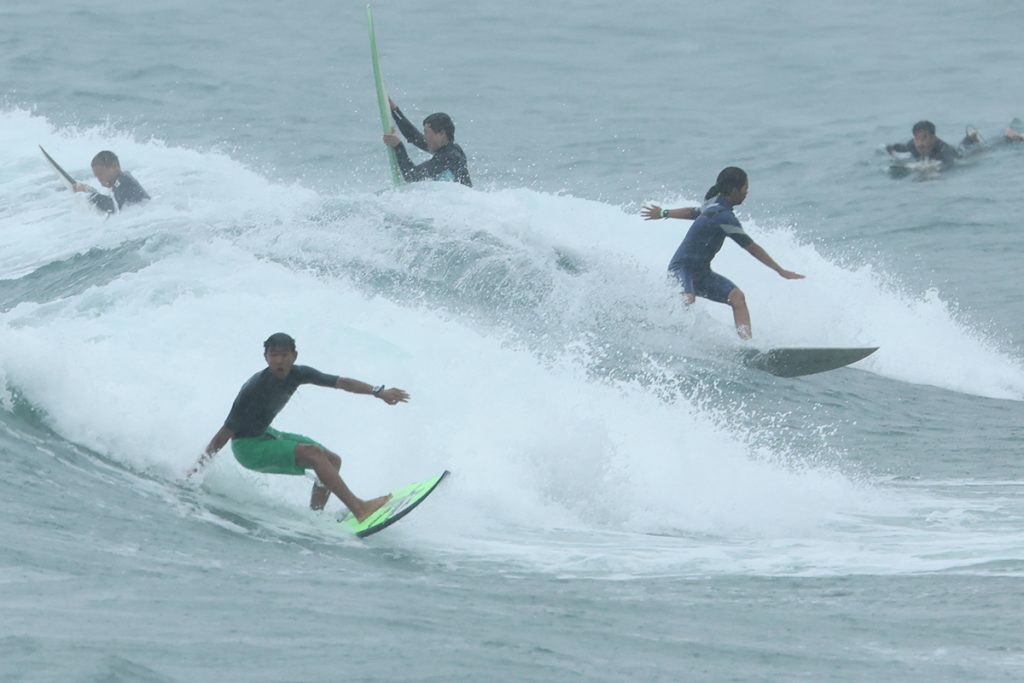
Korean Surf Culture Development and Wave Sports Excellence: Korean beaches develop modern surf culture through surf school establishment, wave sport innovation, and international surf community integration that creates dynamic beach recreation while demonstrating Korean recreational development and traditional knowledge about coastal sport coordination.
Surf Culture Development Elements:
- Surf School Excellence: Professional surf instruction and safety coordination creating accessible wave sport experiences
- Wave Sport Diversity: Surfing, bodyboarding, and paddleboard activities providing diverse water sport experiences
- International Surf Community: Global surf culture integration and international competition hosting creating cosmopolitan beach culture
- Equipment and Facility Development: Surf equipment rental and facility development supporting comprehensive surf experiences
Surf culture development requires understanding wave sport coordination, safety protocol maintenance, and international community integration that creates successful surf experiences while building appreciation for Korean recreational innovation and international surf culture through continued surf practice and wave sport education.
Beach Volleyball and Court Sports Excellence: Korean beaches provide court sports through beach volleyball facilities, tournament coordination, and recreational court sport development that creates competitive beach recreation while demonstrating Korean sport facility development and traditional knowledge about beach sport coordination.
Court sports development includes understanding facility maintenance, tournament coordination, and recreational sport development that creates optimal beach sport experiences while building appreciation for Korean recreational facility development and sport culture through continued sport practice and recreational education.
Water Sports Integration and Marine Recreation: Korean beaches offer comprehensive water sports through jet ski coordination, banana boat activities, and marine recreation development that creates diverse aquatic experiences while building appreciation for Korean marine recreation and traditional knowledge through continued aquatic practice and marine recreational education.
Water sports coordination includes understanding marine safety, equipment maintenance, and recreational diversity that creates optimal aquatic experiences while building appreciation for Korean marine recreational development and water sport culture through continued aquatic practice and marine education.
Korean Beach Photography and Cultural Documentation
Beach Photography Excellence and Coastal Visual Culture: Korean beaches provide exceptional photography through scenic coastal beauty, cultural activity documentation, and seasonal coordination that creates superior visual records while demonstrating Korean coastal beauty and cultural significance through continued photography practice and visual documentation.
Beach Photography Elements:
- Sunrise and Sunset Excellence: Eastern and western coast optimal lighting providing spectacular coastal photography opportunities
- Cultural Activity Documentation: Beach festivals and cultural activities providing comprehensive cultural photography possibilities
- Natural Coastal Beauty: Scenic coastal landscapes and geological formations offering diverse photography compositions
- Seasonal Beach Coordination: Seasonal timing and weather coordination creating optimal beach photography conditions
Beach photography requires understanding lighting optimization, composition excellence, and cultural documentation that creates superior coastal photography while building appreciation for Korean coastal beauty and cultural visual heritage through continued photography practice and visual education.
Beach Cultural Documentation and Heritage Preservation: Korean beaches support cultural documentation through traditional knowledge recording, cultural practice preservation, and heritage documentation that maintains coastal cultural traditions while building appreciation for Korean coastal heritage and traditional knowledge preservation.
Cultural documentation includes understanding heritage recording, traditional practice preservation, and cultural continuity that creates effective coastal cultural preservation while building appreciation for Korean coastal heritage and traditional knowledge through continued documentation practice and cultural preservation education.
International Beach Photography and Cultural Exchange: Korean beaches facilitate international photography through cultural exchange programming, international photographer cooperation, and global visual culture sharing that creates international coastal connections while building global appreciation for Korean coastal culture and natural beauty.
International photography requires understanding cultural exchange, international cooperation, and global visual sharing that creates meaningful international coastal connections while building appreciation for Korean international coastal relations and global coastal culture through continued international practice and cultural exchange education.
Seasonal Korean Beach Timing and Weather Coordination
Korean Summer Beach Season Optimization and Climate Understanding
Korean Beach Season Timing and Weather Pattern Recognition: Korean beach season demonstrates characteristic patterns through summer temperature coordination, precipitation management, and seasonal activity optimization that create optimal beach experiences while showcasing traditional Korean seasonal awareness and modern meteorological understanding.
Beach Season Elements:
- Peak Summer Season: July-August high temperatures and optimal beach weather providing maximum beach recreation opportunities
- Extended Beach Season: June and September shoulder seasons offering comfortable weather with fewer crowds
- Regional Climate Variations: Coastal region climate differences and microclimate coordination affecting beach timing
- Weather Pattern Coordination: Korean summer weather patterns and beach activity coordination for optimal experiences
Beach season understanding requires meteorological awareness, regional coordination, and seasonal optimization that creates optimal beach timing while building appreciation for Korean climate knowledge and traditional seasonal awareness through continued seasonal practice and climate education.
Korean Summer Monsoon and Beach Safety Coordination: Korean beach season intersects with monsoon period requiring weather awareness, safety coordination, and adaptive beach planning that ensures safe beach experiences while demonstrating Korean weather management and traditional knowledge about seasonal weather adaptation.
Monsoon coordination includes understanding weather pattern recognition, safety protocol implementation, and adaptive planning that creates safe beach experiences while building appreciation for Korean weather awareness and traditional seasonal adaptation through continued weather practice and safety education.
Regional Beach Climate Differences and Coordination: Korean coastal regions demonstrate distinct climate patterns through eastern, western, and southern coast differences that require regional coordination and climate adaptation for optimal beach experiences while building regional climate awareness and traditional knowledge through continued regional practice and climate education.
Regional climate understanding includes understanding coastal climate variations, regional coordination requirements, and climate adaptation strategies that creates successful regional beach experiences while building appreciation for Korean regional climate diversity and traditional climate knowledge through continued regional practice and climate coordination education.
Beach Crowd Management and Optimal Timing Strategies
Korean Beach Crowd Pattern Recognition and Management: Korean beaches require crowd management through peak season coordination, weekend planning, and visitor flow optimization that creates positive beach experiences while demonstrating Korean crowd management and traditional knowledge about community coordination and visitor accommodation.
Crowd Management Elements:
- Peak Season Planning: Summer weekend and holiday crowd management requiring advance planning and timing coordination
- Weekday Advantages: Mid-week beach visits providing better experiences with manageable crowd levels
- Early and Late Season Benefits: June and September timing offering comfortable weather with reduced crowding
- Alternative Beach Coordination: Lesser-known beach destinations providing authentic experiences without overcrowding
Crowd management requires understanding visitor patterns, timing optimization, and alternative planning that creates successful beach experiences while building appreciation for Korean visitor management and traditional coordination wisdom through continued crowd management practice and visitor coordination education.
Festival and Event Coordination with Beach Timing: Korean beach festivals require coordination with optimal beach conditions, seasonal timing, and community preparation that creates successful festival beach experiences while demonstrating Korean festival organization and traditional knowledge about seasonal celebration coordination.
Festival timing coordination includes understanding seasonal festival scheduling, community preparation, and visitor accommodation that creates optimal festival beach experiences while building appreciation for Korean festival organization and traditional celebration coordination through continued festival practice and celebration education.
International Tourism Coordination and Cultural Exchange: Korean beaches accommodate international tourism through cultural accessibility, language support, and international visitor services that create positive international beach experiences while demonstrating Korean hospitality and traditional knowledge about cultural accommodation and international cooperation.
International coordination requires understanding cultural accessibility, visitor service provision, and international cooperation that creates superior international beach experiences while building appreciation for Korean international hospitality and cultural accommodation through continued international practice and cultural exchange education.
Korean Beach Safety and Environmental Stewardship
Comprehensive Beach Safety and Emergency Coordination
Korean Beach Safety Protocols and Emergency Response: Korean beaches maintain comprehensive safety through lifeguard coordination, emergency response systems, and visitor safety education that creates secure beach environments while demonstrating Korean safety management and traditional knowledge about coastal safety and community protection.
Beach Safety Elements:
- Professional Lifeguard Services: Trained lifeguard presence and water safety monitoring providing professional beach safety coordination
- Emergency Response Systems: Coastal emergency services and medical response coordination ensuring rapid emergency assistance
- Visitor Safety Education: Beach safety information and swimming safety education providing visitor safety awareness
- Weather Safety Coordination: Weather monitoring and safety advisories protecting visitors during changing weather conditions
Beach safety requires understanding safety protocols, emergency coordination, and visitor education that creates secure beach experiences while building appreciation for Korean safety management and traditional community protection through continued safety practice and emergency preparedness education.
Korean Beach Swimming Safety and Water Condition Management: Korean beaches provide swimming safety through water quality monitoring, current awareness, and swimming area management that creates safe aquatic experiences while demonstrating Korean water safety and traditional knowledge about coastal water coordination.
Swimming safety includes understanding water condition assessment, current recognition, and swimming area coordination that creates safe aquatic experiences while building appreciation for Korean water safety management and traditional coastal knowledge through continued swimming safety practice and water safety education.
Beach Equipment Safety and Recreational Coordination: Korean beaches manage recreational equipment through safety inspections, proper usage education, and equipment maintenance that creates safe recreational experiences while building recreational safety awareness and traditional knowledge through continued equipment safety practice and recreational safety education.
Equipment safety requires understanding safety inspection protocols, usage education, and maintenance coordination that creates safe recreational experiences while building appreciation for Korean recreational safety and traditional equipment wisdom through continued safety practice and recreational equipment education.
Environmental Conservation and Coastal Ecosystem Protection
Korean Beach Environmental Protection and Conservation Excellence: Korean beaches demonstrate environmental stewardship through ecosystem protection, pollution prevention, and conservation education that preserves coastal environments while building environmental consciousness and traditional knowledge about optimal environmental preservation and coastal stewardship.
Environmental Protection Elements:
- Coastal Ecosystem Conservation: Marine habitat protection and biodiversity preservation maintaining healthy coastal ecosystems
- Pollution Prevention Programs: Beach cleanup initiatives and waste management preventing marine pollution and environmental degradation
- Environmental Education Programming: Visitor environmental education and conservation awareness building environmental consciousness
- Sustainable Tourism Development: Eco-friendly beach development and sustainable tourism practices protecting long-term environmental quality
Environmental protection requires understanding conservation principles, pollution prevention, and environmental education that creates responsible beach experiences while building appreciation for Korean environmental consciousness and traditional conservation wisdom through continued environmental practice and conservation education.
Marine Life Protection and Ecosystem Awareness: Korean beaches support marine life protection through habitat preservation, fishing regulation coordination, and wildlife awareness that creates responsible coastal experiences while building environmental awareness and traditional knowledge about marine ecosystem coordination.
Marine protection includes understanding habitat preservation, wildlife awareness, and ecosystem coordination that creates responsible marine experiences while building appreciation for Korean marine conservation and traditional ecosystem knowledge through continued marine practice and wildlife education.
Climate Change Adaptation and Future Beach Planning: Korean beaches address climate change through adaptation planning, sea level monitoring, and future sustainability strategies that protect beach heritage while demonstrating Korean environmental consciousness and traditional knowledge about environmental adaptation and coastal preservation.
Climate adaptation requires understanding environmental change, adaptation strategies, and future planning that creates resilient beach operations while building appreciation for Korean environmental consciousness and traditional adaptation wisdom through continued climate practice and environmental planning education.
Sustainable Beach Tourism and Community Integration
Community-Based Beach Tourism and Local Economic Integration: Korean beaches develop sustainable tourism through community participation, local economic support, and cultural preservation that creates authentic beach experiences while supporting coastal communities and traditional knowledge preservation.
Community Tourism Elements:
- Local Business Integration: Beach tourism supporting local restaurants, accommodations, and services creating community economic benefit
- Community Cultural Sharing: Local cultural programs and traditional knowledge sharing enhancing beach experiences with authentic culture
- Volunteer Tourism Opportunities: Beach conservation volunteering and community service providing meaningful cultural exchange
- Traditional Knowledge Preservation: Community cultural education and traditional coastal knowledge sharing maintaining cultural heritage
Community tourism requires understanding local economic support, cultural preservation, and community cooperation that creates sustainable beach experiences while building appreciation for Korean community culture and traditional knowledge through continued community practice and cultural integration education.
Environmental Tourism Education and Conservation Awareness: Korean beaches provide environmental tourism through conservation education, ecosystem tours, and environmental awareness that creates educational beach experiences while building environmental consciousness and conservation support.
Environmental tourism includes understanding conservation education, ecosystem appreciation, and environmental awareness that creates meaningful environmental experiences while building appreciation for Korean environmental education and conservation success through continued environmental practice and conservation education.
International Sustainable Tourism and Global Environmental Cooperation: Korean beaches facilitate international sustainable tourism through global environmental cooperation, international conservation partnerships, and environmental education exchange that creates global environmental connections while demonstrating Korean environmental leadership and international cooperation.
International sustainable tourism requires understanding global cooperation, environmental education, and international conservation that creates meaningful international environmental connections while building appreciation for Korean environmental leadership and global conservation through continued international practice and environmental cooperation education.
Regional Beach Culture and Local Community Integration

Local Beach Community Culture and Traditional Coastal Heritage
Korean Fishing Village Integration and Maritime Cultural Preservation: Korean beaches integrate with traditional fishing villages through cultural heritage preservation, fishing community cooperation, and maritime tradition maintenance that creates authentic coastal cultural experiences while demonstrating Korean coastal heritage and traditional knowledge about maritime community coordination.
Fishing Village Integration Elements:
- Traditional Fishing Culture Preservation: Active fishing community culture and traditional fishing method demonstration providing authentic maritime experiences
- Community Cultural Sharing: Fishing village cultural events and traditional knowledge sharing creating cultural exchange opportunities
- Maritime Heritage Education: Fishing village history and maritime tradition education building cultural understanding and heritage appreciation
- Economic Community Support: Tourism coordination supporting fishing community economies and traditional livelihood preservation
Fishing village integration requires understanding traditional maritime culture, community cooperation, and heritage preservation that creates authentic coastal cultural experiences while building appreciation for Korean fishing heritage and traditional maritime knowledge through continued fishing community practice and maritime cultural education.
Coastal Traditional Craft and Cultural Artisan Integration: Korean coastal regions maintain traditional crafts through artisan communities, cultural craft preservation, and traditional skill transmission that creates meaningful cultural experiences while preserving traditional knowledge and building cultural appreciation.
Traditional craft integration includes understanding artisan culture, craft preservation methods, and traditional skill appreciation that creates authentic craft cultural experiences while building appreciation for Korean traditional craftsmanship and cultural heritage through continued craft practice and artisan cultural education.
Regional Coastal Festival and Cultural Celebration: Korean coastal regions organize local festivals through community cooperation, traditional celebration, and cultural heritage sharing that creates authentic regional festival experiences while building community cultural pride and traditional knowledge preservation.
Regional festival coordination requires understanding community celebration, traditional festival coordination, and cultural heritage sharing that creates meaningful regional experiences while building appreciation for Korean regional culture and traditional celebration through continued regional practice and community festival education.
Modern Beach Resort Development and Cultural Balance
Korean Beach Resort Culture and Hospitality Excellence: Korean beach resorts demonstrate hospitality excellence through service quality, cultural integration, and environmental responsibility that creates superior resort experiences while maintaining cultural authenticity and environmental stewardship through continued resort development and cultural preservation.
Resort Culture Elements:
- Korean Hospitality Excellence: Traditional Korean service culture and modern hospitality creating exceptional guest experiences
- Cultural Activity Integration: Resort programming incorporating Korean cultural activities and traditional knowledge sharing
- Environmental Responsibility: Eco-friendly resort development and environmental conservation supporting sustainable beach tourism
- Local Community Cooperation: Resort community integration and local economic support creating positive community relationships
Resort development requires understanding hospitality excellence, cultural integration, and environmental responsibility that creates superior resort experiences while building appreciation for Korean hospitality culture and traditional service excellence through continued resort practice and hospitality education.
Beach Accommodation Diversity and Cultural Experience: Korean beaches provide diverse accommodation through traditional guesthouses, modern hotels, and cultural stays that create varied beach experiences while building accommodation cultural awareness and traditional knowledge through continued accommodation practice and cultural hospitality education.
Accommodation diversity includes understanding lodging cultural integration, traditional hospitality, and modern convenience coordination that creates optimal beach accommodation experiences while building appreciation for Korean accommodation culture and hospitality heritage through continued accommodation practice and hospitality cultural education.
International Resort Development and Global Standards: Korean beach resorts achieve international standards through global hospitality coordination, international service excellence, and cultural authenticity maintenance that creates world-class resort experiences while preserving Korean cultural identity and traditional knowledge.
International resort development requires understanding global standards, cultural authenticity preservation, and international service excellence that creates superior international resort experiences while building appreciation for Korean international hospitality and cultural preservation through continued international practice and global hospitality education.
Beach Urban Planning and Infrastructure Excellence
Korean Coastal Urban Development and Beach Integration: Korean coastal cities demonstrate urban planning excellence through beach-city integration, infrastructure development, and transportation coordination that creates accessible urban beach experiences while maintaining environmental quality and cultural heritage.
Urban Beach Integration Elements:
- Transportation Infrastructure: Convenient public transportation and highway access providing efficient urban beach access
- Urban Beach Facilities: Comprehensive beach amenities and urban convenience creating comfortable beach urban experiences
- Environmental Urban Planning: Green urban development and environmental protection balancing urban growth with coastal preservation
- Cultural Heritage Urban Integration: Urban planning incorporating cultural heritage sites and traditional coastal culture
Urban beach integration requires understanding urban planning coordination, infrastructure development, and environmental balance that creates successful urban beach experiences while building appreciation for Korean urban planning excellence and environmental urban integration through continued urban practice and planning education.
Beach Transportation Excellence and Accessibility: Korean beaches provide comprehensive transportation through public transit coordination, highway development, and accessibility services that create convenient beach access while demonstrating Korean transportation excellence and universal accessibility commitment.
Transportation excellence includes understanding public transit coordination, accessibility services, and transportation infrastructure that creates optimal beach access while building appreciation for Korean transportation development and accessibility excellence through continued transportation practice and accessibility education.
Beach Technology Integration and Digital Services: Korean beaches integrate modern technology through digital information systems, smart beach services, and technological convenience that creates enhanced beach experiences while maintaining cultural authenticity and environmental protection.
Technology integration requires understanding digital enhancement, service improvement, and cultural preservation that creates advanced beach experiences while building appreciation for Korean technology leadership and cultural integration through continued technology practice and digital cultural education.
Practical Korean Beach Experience and Cultural Integration
Comprehensive Beach Trip Planning and Experience Optimization
Strategic Korean Beach Vacation Planning: Korean beach experiences require comprehensive planning through seasonal timing, accommodation coordination, and activity prioritization that maximizes beach participation while creating meaningful cultural encounters and environmental appreciation through continued beach planning and coastal coordination.
Beach Planning Strategic Elements:
- Seasonal Timing Optimization: Summer season coordination and weather consideration for superior beach experiences
- Regional Beach Selection: Coastal region coordination and beach destination selection based on interests and accessibility
- Accommodation Strategy Development: Beach accommodation booking and regional lodging coordination for comfortable beach stays
- Activity Planning Coordination: Beach activity selection and cultural experience coordination creating comprehensive beach experiences
Beach planning requires understanding seasonal coordination, regional selection, and activity optimization that creates optimal beach experiences while building appreciation for Korean beach culture and traditional knowledge through continued planning practice and beach education.
Korean Beach Cultural Preparation and Knowledge Development: Korean beach experiences benefit from cultural preparation through traditional knowledge learning, coastal cultural understanding, and environmental awareness development that creates meaningful cultural beach participation while preserving traditional knowledge and building cultural understanding.
Cultural preparation includes understanding traditional coastal culture, environmental awareness, and cultural participation that creates meaningful cultural experiences while building appreciation for Korean coastal heritage and traditional knowledge through continued cultural practice and coastal education.
Beach Budget Planning and Cost-Effective Coordination: Korean beach participation benefits from strategic budget planning through cost-effective coordination, value optimization, and financial efficiency that creates accessible beach experiences while maintaining quality and cultural value appreciation.
Budget planning requires understanding cost coordination, value optimization, and financial planning that creates affordable beach experiences while building appreciation for Korean beach accessibility and cultural value through continued budget practice and financial education.
Beach Equipment and Preparation Excellence
Korean Beach Equipment and Gear Coordination: Korean beach experiences require appropriate equipment through weather-appropriate gear, safety equipment, and recreational coordination that creates optimal beach participation while demonstrating proper beach preparation and traditional knowledge about coastal equipment coordination.
Beach Equipment Elements:
- Sun Protection Excellence: Korean summer sun protection and skin care coordination creating safe beach sun exposure
- Swimming and Water Equipment: Safe swimming gear and water activity equipment providing secure aquatic experiences
- Beach Comfort Equipment: Comfortable beach seating and shade equipment creating pleasant beach environment
- Cultural Participation Gear: Equipment for cultural activities and traditional beach game participation
Equipment coordination requires understanding safety preparation, comfort optimization, and cultural participation that creates superior beach experiences while building appreciation for Korean beach culture and traditional preparation wisdom through continued equipment practice and beach preparation education.
Korean Beach Fashion and Cultural Appropriateness: Korean beach fashion demonstrates cultural awareness through appropriate beachwear, cultural respect, and traditional coordination that creates respectful beach participation while building cultural fashion awareness and traditional knowledge through continued fashion practice and cultural fashion education.
Beach fashion includes understanding cultural appropriateness, fashion coordination, and traditional respect that creates appropriate beach fashion while building appreciation for Korean fashion culture and traditional clothing awareness through continued fashion practice and cultural fashion education.
Beach Photography and Documentation Equipment: Korean beaches provide photography opportunities requiring appropriate equipment, technical coordination, and cultural documentation that creates superior beach documentation while building photography awareness and traditional knowledge through continued photography practice and visual documentation education.
Photography equipment requires understanding technical coordination, cultural documentation, and visual excellence that creates superior beach photography while building appreciation for Korean visual culture and traditional documentation through continued photography practice and visual education.
Cultural Language Integration and Communication Enhancement
Korean Beach Vocabulary and Cultural Communication: Korean beach experiences benefit from language integration through beach vocabulary learning, cultural communication, and traditional language coordination that enhances beach experiences while building cultural communication and traditional knowledge appreciation.
Beach Language Elements:
- Beach Activity Vocabulary: Korean beach activity terms and recreational language providing cultural communication enhancement
- Safety Communication Language: Emergency and safety communication ensuring secure beach experiences through language preparation
- Cultural Interaction Language: Cultural exchange language and traditional communication enabling authentic cultural participation
- Local Community Communication: Local community interaction language building cultural connections and community integration
Language integration requires understanding vocabulary development, cultural communication, and community interaction that creates enhanced beach experiences while building appreciation for Korean language culture and traditional communication through continued language practice and cultural communication education.
International Beach Communication and Cultural Exchange: Korean beaches facilitate international communication through multilingual support, cultural translation, and international cooperation that creates positive international beach experiences while building international cultural understanding and communication appreciation.
International communication includes understanding multilingual coordination, cultural translation, and international cooperation that creates meaningful international beach experiences while building appreciation for Korean international communication and cultural exchange through continued international practice and communication education.
Cultural Etiquette and Respectful Beach Participation: Korean beach participation requires cultural etiquette understanding through traditional respect, community consideration, and environmental responsibility that creates respectful beach experiences while building cultural respect and traditional knowledge through continued etiquette practice and cultural respect education.
Cultural etiquette requires understanding traditional respect, community cooperation, and environmental responsibility that creates respectful beach experiences while building appreciation for Korean cultural respect and traditional community values through continued etiquette practice and cultural respect education.
STELLA’S LOCAL SECRET The “Korean Beach Multi-Region Strategy” Experience optimal Korean beach diversity by following the “coast rotation method”: start with East Coast (Gangneung/Sokcho) for sunrise and surfing culture (2-3 days), move to West Coast (Taean/Boryeong) for tidal experiences and mud festivals (2-3 days), then South Coast (Busan/Geoje) for metropolitan beach culture and island hopping (3-4 days). Each coast offers distinct experiences – eastern sunrise and waves, western tides and festivals, southern metropolitan sophistication – creating comprehensive Korean coastal cultural understanding.
STELLA’S LOCAL SECRET The “Local Beach Community Integration Experience” Discover authentic Korean beach culture by staying in fishing village guesthouses rather than resort hotels, participating in early morning fish market visits with local fishermen, joining community beach cleanup volunteer activities, and attending evening local festivals where tourists rarely venture. Korean coastal communities take pride in sharing maritime knowledge and traditional fishing techniques with respectful visitors who show genuine interest in local coastal heritage and environmental stewardship.
STELLA’S LOCAL SECRET The “Korean Beach Seasonal Insider Timing” Maximize Korean beach experiences by understanding local timing secrets: visit beaches Tuesday-Thursday for optimal local experience and fewer crowds, arrive early morning (6-7 AM) for fishing boat watching and beach exercise with locals, enjoy sunset timing on west coast beaches for spectacular photography, and stay through September for comfortable weather with dramatically reduced tourist crowds while maintaining full beach services and activities.
STELLA’S LOCAL SECRET The “Beach Food Cultural Immersion Strategy” Experience authentic Korean beach food culture by eating at fishing village restaurants frequented by local fishermen rather than tourist-focused establishments, trying regional coastal specialties unique to each region, participating in traditional beach picnic culture with Korean families, and visiting local fish markets for fresh seafood preparation demonstrations. Each Korean coastal region has distinct culinary traditions – eastern coast raw fish culture, western coast mudflat seafood, southern coast diverse maritime cuisine – providing comprehensive coastal culinary education.
Frequently Asked Questions
Q: When is the best time to visit Korean beaches for optimal weather and experiences? Korean beach season peaks July-August with warmest weather and full beach services, but June and September offer comfortable temperatures with fewer crowds and lower prices. East coast beaches are excellent May-September, while west coast beaches peak during summer months. Avoid monsoon season (late June-July) for consistent beach weather, though short-term rain can provide dramatic coastal photography opportunities.
Q: Which Korean beaches are best for families with children? Gyeongpo Beach (Gangneung) offers gentle slopes and comprehensive family facilities, while Haeundae Beach (Busan) provides urban convenience with lifeguards and amenities. Mallipo Beach (Taean) features calm waters and tidal pool exploration perfect for children. All major Korean beaches maintain excellent safety standards with lifeguard services and family-friendly facilities including clean restrooms, fresh water, and food services.
Q: How do I get to Korean beaches using public transportation? Most major Korean beaches connect via public transportation: KTX to Gangneung for east coast beaches, bus services to Taean for west coast destinations, and subway/bus combinations to Busan beaches. Many beaches offer shuttle services during summer season. Book transportation in advance during peak summer weekends as services reach capacity quickly.
Q: What should I know about Korean beach culture and etiquette? Korean beach culture emphasizes community respect, environmental responsibility, and family-friendly atmosphere. Beach drinking requires discretion and designated areas only. Modest swimwear is preferred, especially at family beaches. Always clean up after yourself, respect other beachgoers’ space, and follow posted safety guidelines. Many beaches have designated areas for different activities.
Q: Are Korean beaches safe for swimming and what safety measures exist? Korean major beaches maintain excellent safety standards with professional lifeguards, designated swimming areas, and emergency response systems. Swimming flags indicate water conditions, and beaches provide safety equipment and first aid stations. However, always swim within designated areas, observe warning flags, and be aware of currents, especially on east coast beaches.
Q: What types of accommodations are available near Korean beaches? Korean beach accommodations range from luxury resorts to traditional fishing village guesthouses. Popular options include beachfront hotels, pension accommodations, camping facilities, and traditional hanok stays. Book early for summer season, especially weekends. Many accommodations offer beach equipment rental and cultural activity coordination.
Q: Can I participate in water sports at Korean beaches and what’s available? Korean beaches offer comprehensive water sports including surfing (especially Yangyang), jet skiing, banana boats, parasailing, and diving. Equipment rental and instruction are readily available at major beaches. Surfing culture is particularly strong on east coast beaches with professional surf schools and equipment rental. Always use proper safety equipment and follow instructor guidelines.
Q: What Korean beach foods and specialties should I try? Each Korean coastal region offers distinct specialties: east coast raw fish (회) and seafood, west coast mudflat seafood and traditional fish stews, south coast diverse maritime cuisine and grilled seafood. Beach areas feature fresh seafood restaurants, traditional Korean beach snacks, and seasonal coastal specialties. Don’t miss regional fishing village restaurants for authentic coastal cuisine.
Q: How crowded do Korean beaches get during summer season? Popular beaches like Haeundae and Gyeongpo become extremely crowded during peak summer weekends, especially in July-August. Weekday visits offer dramatically better experiences with manageable crowds and better service. Early morning (before 10 AM) and late afternoon visits provide optimal experiences even during peak season. Lesser-known beaches offer authentic experiences without overcrowding.
Q: What environmental considerations should I keep in mind when visiting Korean beaches? Korean beaches emphasize environmental protection through marine conservation, pollution prevention, and ecosystem preservation. Always dispose of waste properly, avoid disturbing marine life, use reef-safe sunscreen, and respect protected areas. Many beaches offer environmental education programs and volunteer conservation activities for visitors interested in supporting coastal environmental protection.
Embracing Korea’s Spectacular Coastal Heritage and Summer Beach Excellence
You now possess comprehensive knowledge to approach Korean beach culture with deep understanding of what makes Korean coastal experiences represent environmental excellence, cultural sophistication, and maritime wisdom that transforms simple beach visits into meaningful expressions of Korean coastal values, environmental stewardship, and traditional knowledge connecting contemporary beach tourism with centuries of Korean maritime heritage and coastal community traditions.
You’ve learned exactly what distinguishes Korean beach culture through environmental awareness, regional diversity, and community cooperation, why specific beach destinations create optimal coastal experiences while maintaining environmental protection and traditional knowledge preservation, how Korean beach customs facilitate environmental education and coastal community bonding while building sustainable tourism and international appreciation, and what appropriate beach participation demonstrates about Korean cultural understanding and environmental respect.
You understand Korean beach culture’s importance through environmental foundations, cultural significance, and contemporary tourism relevance while gaining practical knowledge including beach selection, seasonal timing, environmental etiquette, and cultural integration methods that enhance authentic Korean coastal experiences and environmental learning through traditional knowledge integration and community participation.
Most importantly, you understand that Korean beaches represent far more than summer vacation destinations. They preserve Korean maritime wisdom while serving essential functions including environmental education, cultural preservation, community building, and international cultural exchange that enriches human understanding of coasts’ role in cultural identity, environmental stewardship, and seasonal celebration through continued practice and traditional knowledge transmission.
Walking into authentic Korean beach experiences means participating in living coastal tradition where environmental stewardship continues preserving natural beauty, where traditional knowledge maintains cultural authenticity and maritime wisdom, where beach customs strengthen community bonds while creating opportunities for authentic cultural exchange and environmental appreciation through respectful coastal participation and environmental learning.
Your thoughtful engagement with Korean beach culture supports environmental preservation while contributing to coastal community understanding and cultural appreciation that benefits both Korean maritime heritage preservation and international environmental exchange through respectful participation in coastal customs that demonstrate cultural sophistication and environmental responsibility recognition.
The Korean beach experience awaits through optimal seasonal coordination, authentic coastal community participation, environmental learning opportunities, and meaningful cultural integration. Traditional wisdom continues guiding environmental stewardship while maritime heritage preserves coastal cultural values. Beach customs continue building cultural connections while natural beauty maintains seasonal inspiration and environmental awareness. Your Korean summer beach cultural journey is about to begin.